NEED SUPPORT WITH YOUR ORDER? Get in touch
Not satisfied with your purchase?
Enter your Order ID on website, and we'll resolve it right away.

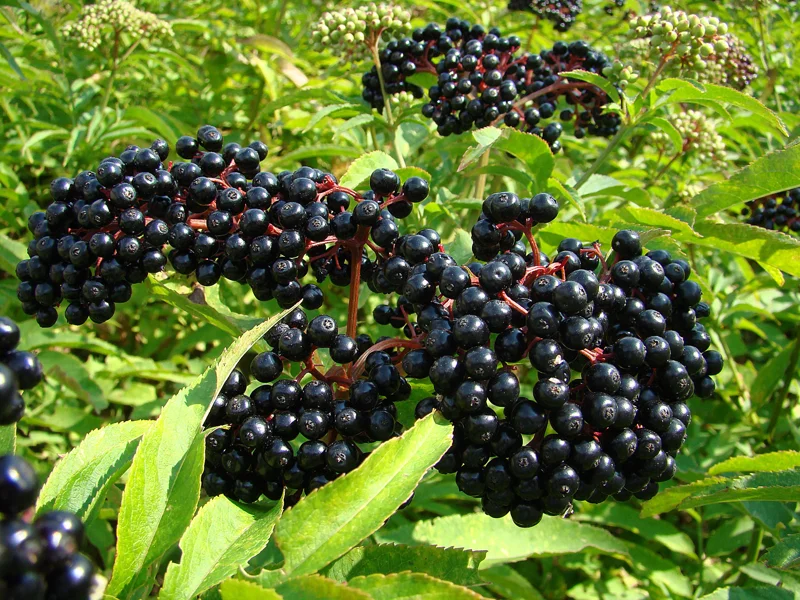
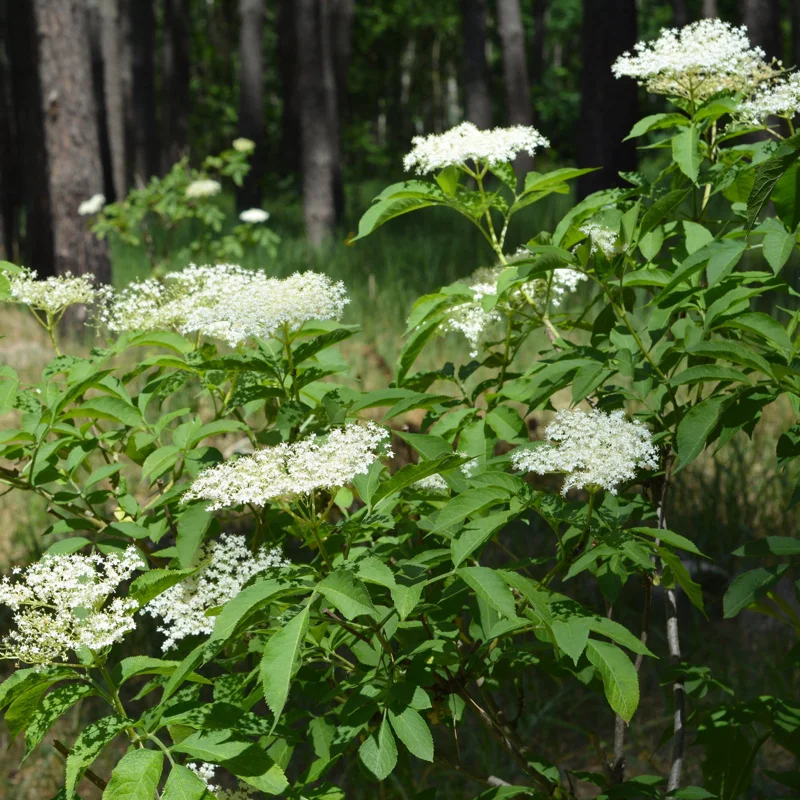
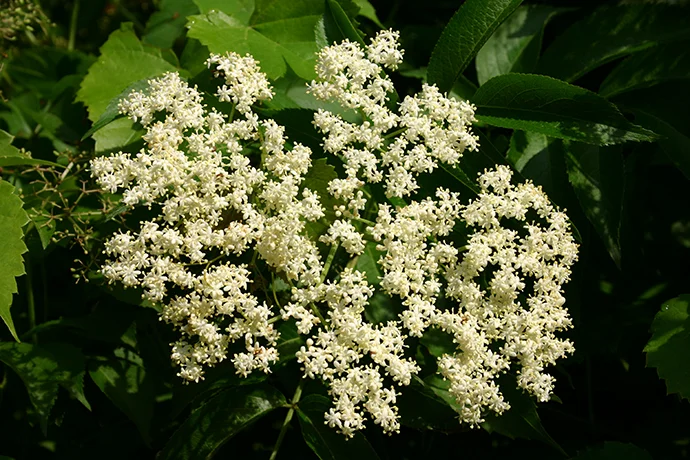
Original price was: $66.99.$36.99Current price is: $36.99.
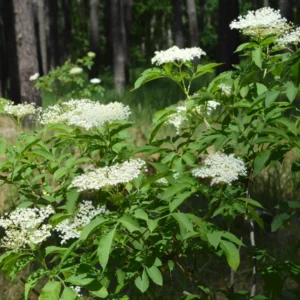
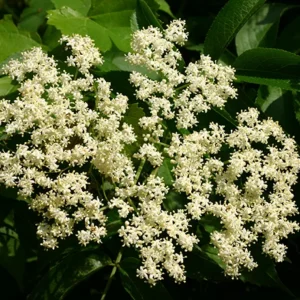
Introduce three American Elderberry live plant specimens to your outdoor space. These organic elderberry bush plants are fully rooted, ideal for attracting pollinators, producing edible berries, and enhancing landscape appeal. Easy to grow and maintain, perfect for any elderberry for garden project.
Feb 04
Feb 09 - Feb 11
Feb 14 - Feb 18
USDA Hardiness Zone
Soil Type
Sunlight Exposure
Expected Planting Period
Shipping and return policies: Our Alive & Thrive Guarantee covers issues with your plants within the first 30 days. Get in touch with us via email, and our team will review your concerns and, if necessary, provide you with a one-time replacement at no cost.
If you're unsure about your hardiness zone, feel free to reach out to us. Our team will answer your questions and help you find the plants that are truly suitable for your environment, climate, and personal preferences.
Introduce a piece of North American native beauty and bounty to your garden with this exceptional set of three American Elderberry live plant specimens. These organic elderberry bush plants, scientifically known as Sambucus canadensis, are fully rooted and prepared for planting, promising a thriving addition to your outdoor space. Known for their adaptability and ecological benefits, these plants are perfect for gardeners looking to enhance biodiversity while enjoying a rewarding harvest. Cultivate your own supply of delicious berries, contribute to a healthier environment, and enjoy the seasonal beauty these versatile elderberry plants bring to your landscape. The American Elderberry plant is a resilient and attractive shrub, offering both aesthetic appeal and practical uses for its fruit.
The Sambucus canadensis is a deciduous shrub native to various regions of North America, flourishing naturally in wetlands, along riverbanks, and in moist woodlands. This makes it an incredibly robust choice for a wide range of garden settings. Expect these hardy plants to reach impressive heights, typically between 6 to 12 feet, creating a substantial and impactful presence in your yard. Their dark green, opposite, pinnately compound leaves provide lush foliage, while the hollow stems, which transition from green or reddish-brown to a darker hue, add year-round visual interest. Growing Sambucus canadensis is an excellent way to connect with native flora and support local ecosystems.
Growing American Elderberry live plant offers a multitude of advantages, transforming your garden into a vibrant, productive, and ecologically rich environment. These plants are not only beautiful but also highly functional:
Caring for your American Elderberry live plant is rewarding and generally straightforward, making it an excellent choice for gardeners of all experience levels. These hardy shrubs are quite forgiving, but a few key practices will ensure they thrive and produce abundant fruit. For optimal growth and berry production, choose a location that receives full sun to partial shade. Full sun (at least 6 hours of direct sunlight daily) will generally result in the most prolific flowering and fruiting, but the plants will tolerate some afternoon shade, especially in hotter climates. Ensure they are planted in an area with good air circulation to prevent fungal issues.
When it comes to watering, Sambucus canadensis prefers consistently moist, well-drained soil. While they are adaptable to various soil types, they flourish in rich, slightly acidic to neutral soils (pH 5.5-7.0). Avoid waterlogged conditions, but don’t let the soil dry out completely, especially during dry spells or while the plants are establishing. A layer of organic mulch around the base of the plants will help retain soil moisture, suppress weeds, and regulate soil temperature. Fertilize in early spring with a balanced, slow-release granular fertilizer or compost to support vigorous growth and fruit development. Pruning is best done in late winter or early spring to remove dead, damaged, or weak canes and to encourage new, productive growth. These practices will help your organic elderberry bush remain healthy and fruitful.
The American Elderberry plant is quite resilient to pests and diseases, but occasional issues like powdery mildew or aphid infestations can occur. Good air circulation and proper plant spacing can help prevent fungal diseases. For aphids, a strong spray of water or insecticidal soap can be effective. These plants are cold hardy and can tolerate temperatures down to USDA Zone 3, making them suitable for many regions across the United States. The ideal planting time is in the spring or fall when temperatures are moderate, allowing the roots to establish before extreme heat or cold. With proper care, your elderberry bushes will become a cherished and productive part of your garden for many years.
This offering includes three individual, fully rooted American Elderberry live plant specimens, each ready for immediate planting in your garden. These robust young plants are provided in a form that ensures successful establishment and vigorous growth. Once mature, these deciduous shrubs typically reach a height of 6 to 12 feet, with a similar spread, creating a substantial and attractive presence in your landscape. Their growth rate is considered moderate to fast, allowing you to enjoy their benefits relatively quickly. The plants will typically begin producing fruit within 2-3 years of planting, offering a rewarding harvest after a period of establishment. The set of three elderberry plants ensures you have ample opportunity for cross-pollination, which can lead to better fruit set and a more abundant yield from your elderberry for garden project.
You must be logged in to post a review.
Sold 54 products
Original price was: $74.99.$44.99Current price is: $44.99.
Sold 82 products
Original price was: $55.98.$27.99Current price is: $27.99.
Sold 70 products
Original price was: $53.98.$26.99Current price is: $26.99.
Sold 50 products
Original price was: $77.99.$47.99Current price is: $47.99.
Sold 70 products
Original price was: $74.99.$44.99Current price is: $44.99.
Sold 62 products
Original price was: $70.99.$40.99Current price is: $40.99.
Sold 54 products
Original price was: $74.99.$44.99Current price is: $44.99.
Sold 78 products
Original price was: $76.99.$46.99Current price is: $46.99.
Reviews
There are no reviews yet.