NEED SUPPORT WITH YOUR ORDER? Get in touch
Not satisfied with your purchase?
Enter your Order ID on website, and we'll resolve it right away.
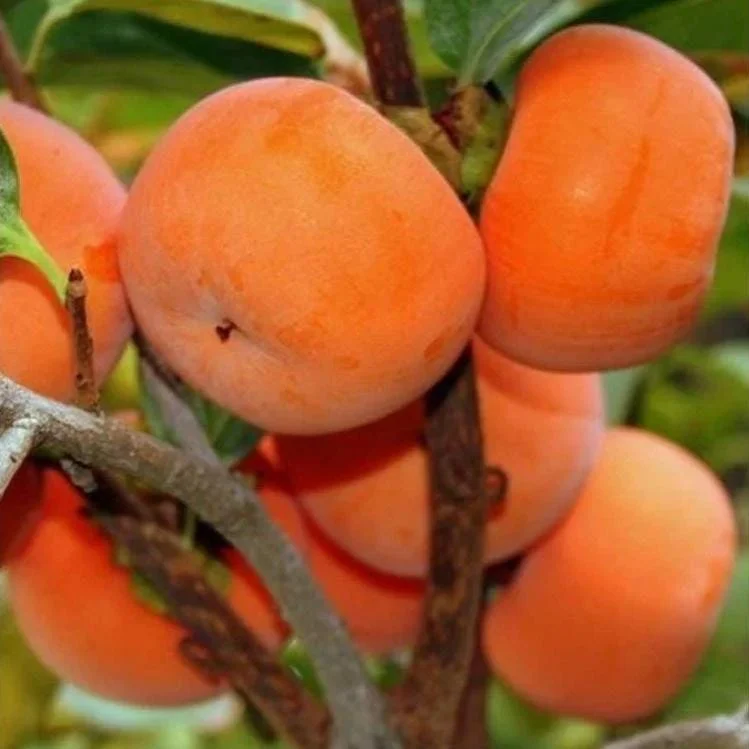
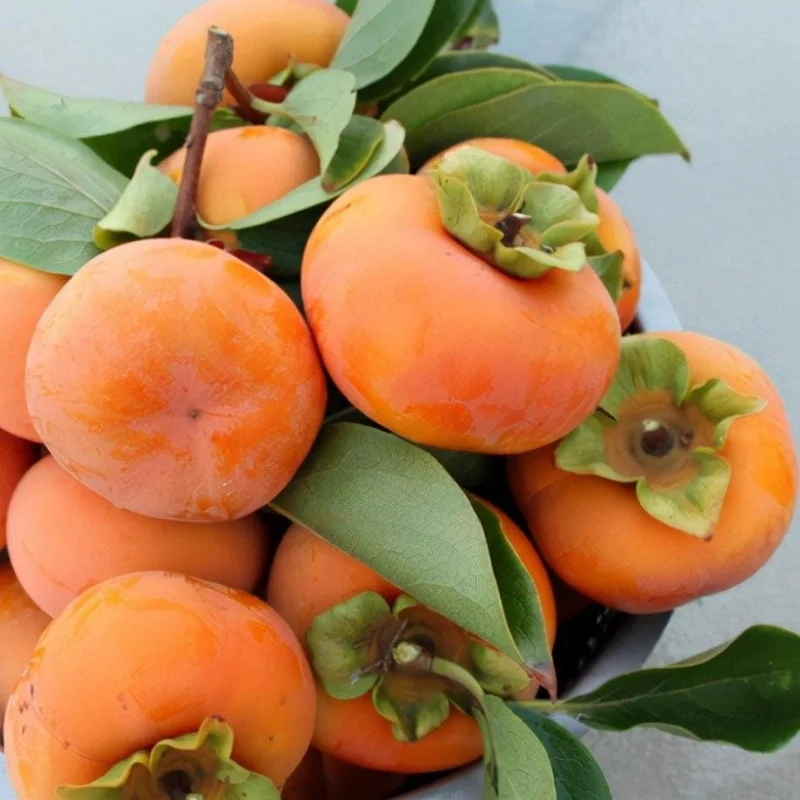
Original price was: $69.99.$49.99Current price is: $49.99.
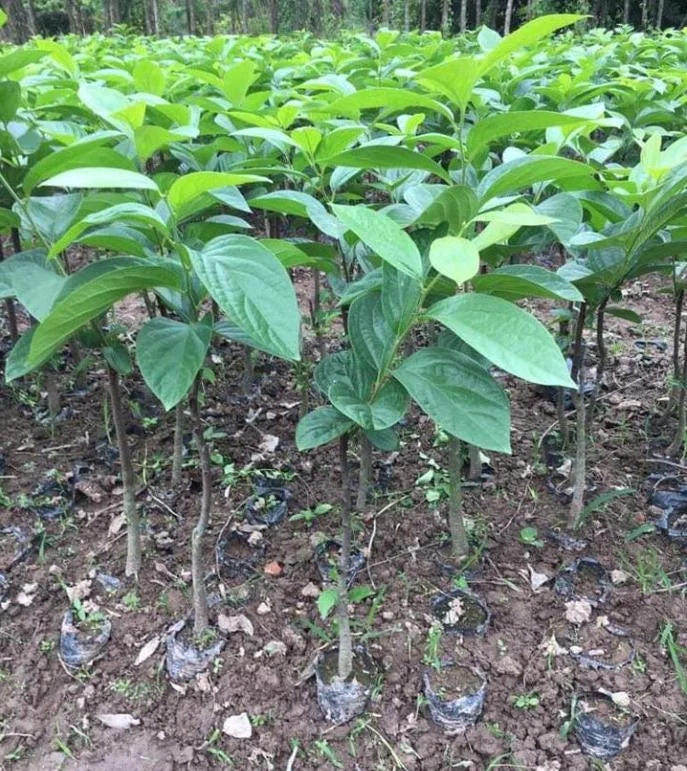
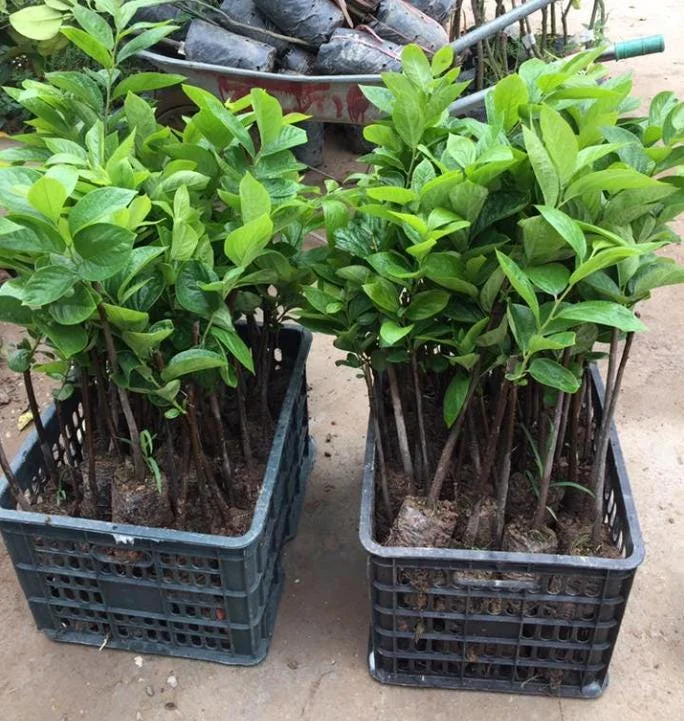
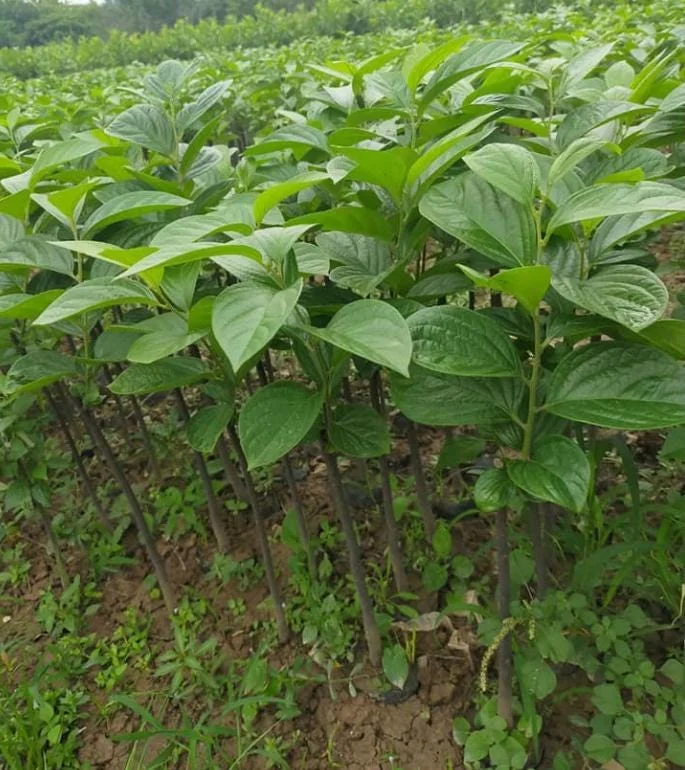
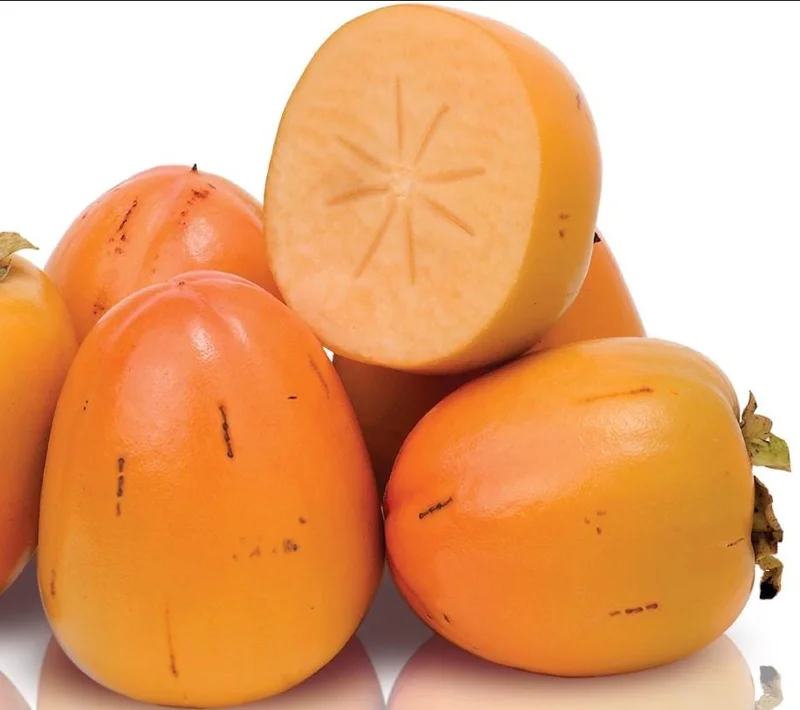
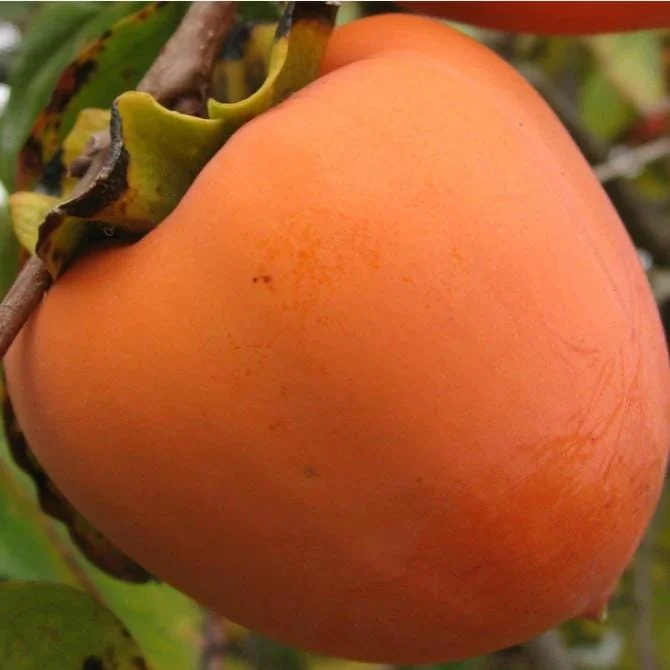
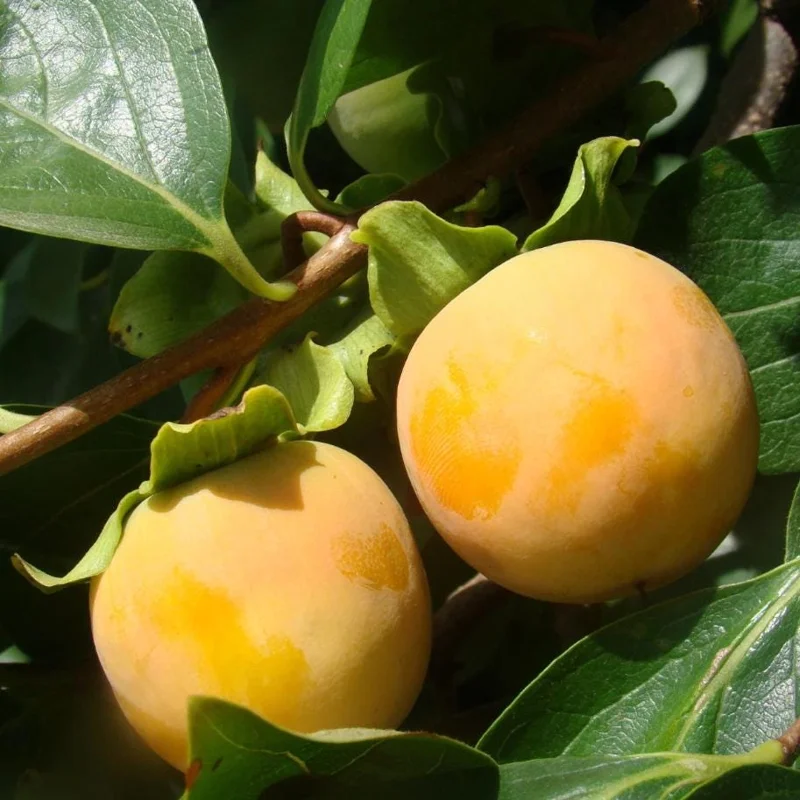
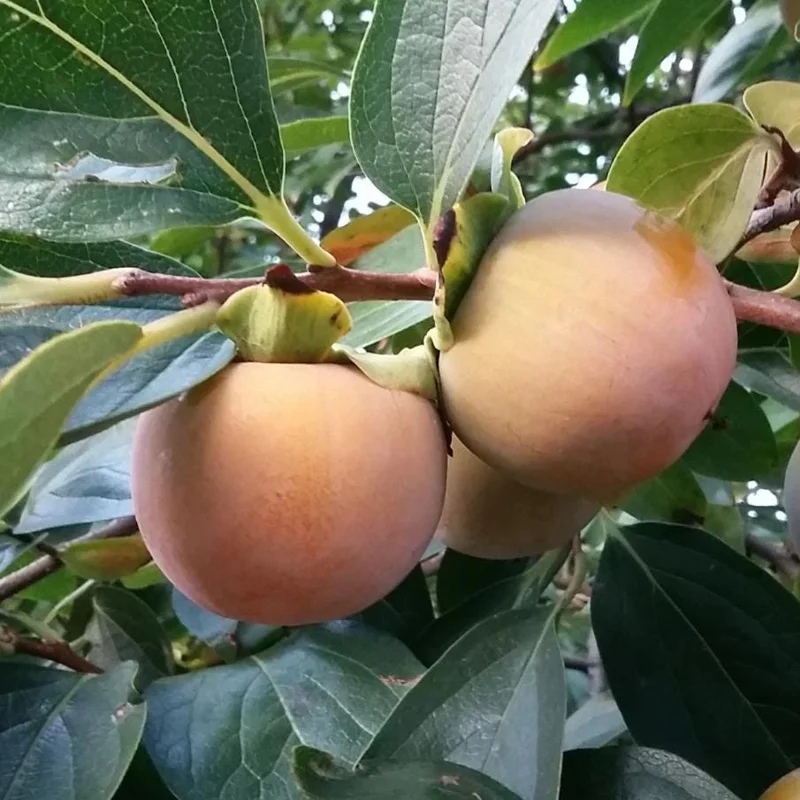
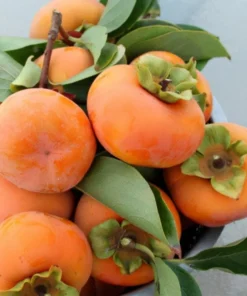
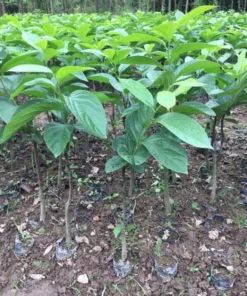
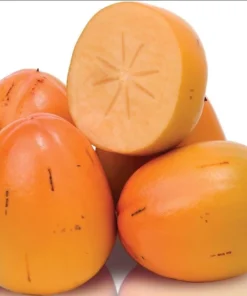
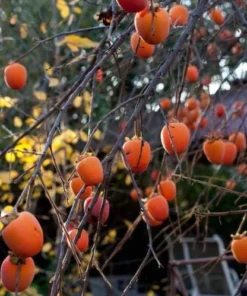
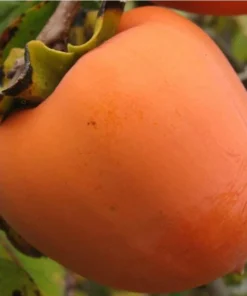
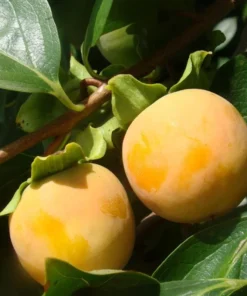
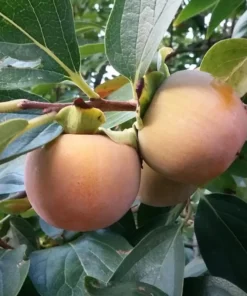
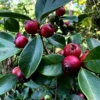
Cultivate your garden with a robust American Persimmon live plant (Diospyros Virginiana). This well-rooted, 9-12 inch tall starter tree is perfect for adding an attractive and fruit-bearing native species to your landscape. Enjoy its ornamental beauty and delicious fall fruits.
Feb 04
Feb 09 - Feb 11
Feb 14 - Feb 18
USDA Hardiness Zone
Soil Type
Sunlight Exposure
Expected Planting Period
Shipping and return policies: Our Alive & Thrive Guarantee covers issues with your plants within the first 30 days. Get in touch with us via email, and our team will review your concerns and, if necessary, provide you with a one-time replacement at no cost.
If you're unsure about your hardiness zone, feel free to reach out to us. Our team will answer your questions and help you find the plants that are truly suitable for your environment, climate, and personal preferences.
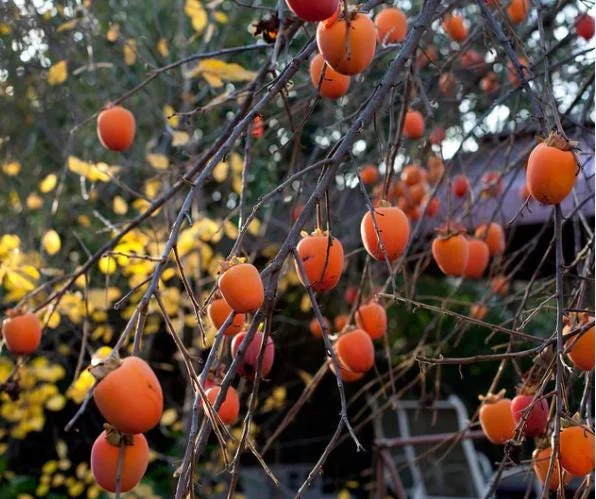
Introduce a touch of nature’s bounty to your landscape with the remarkable American Persimmon live plant. This deciduous woody tree, scientifically known as Diospyros Virginiana, is a cherished native species throughout the central and eastern United States. Known for its appealing foliage, attractive form, and highly anticipated fall fruit, the American Persimmon offers both ornamental beauty and ecological value. This robust starter plant, measuring 9-12 inches tall, arrives well-rooted and ready to establish itself in your garden, promising years of growth and delicious harvests. It’s an excellent choice for those looking to add a resilient and productive native tree to their property, providing food for wildlife and a unique culinary treat for your family.
The Diospyros Virginiana tree is celebrated for its adaptability and hardiness, making it a fantastic addition to various garden settings. From its delicate spring flowers to its vibrant autumn leaves and sweet, astringent fruits, the American Persimmon provides interest throughout the seasons. This particular offering is a starter plant, ideal for keen gardeners eager to nurture a tree from its early stages, ensuring it integrates perfectly into their specific environmental conditions. Its deep root system helps it tolerate a range of conditions once established, making it a reliable choice for diverse landscapes.
Adding an American Persimmon live plant to your garden offers a multitude of benefits, from enhancing biodiversity to providing a seasonal treat. This versatile tree is more than just a fruit producer; it’s a valuable ecosystem contributor and a beautiful landscape specimen.
Caring for your American Persimmon live plant is straightforward, especially given its natural resilience. This deciduous tree thrives with proper siting and basic attention, ensuring a healthy, fruit-producing specimen for years to come. Begin by selecting a location that provides full sun to partial shade; while it tolerates some shade, full sun (at least 6-8 hours daily) will promote the best fruit production and overall vigor. Ensure the planting site has moist, well-drained, sandy soil. While it can adapt to poorer soils, optimal conditions will lead to faster growth and more abundant harvests. Avoid excessively wet or waterlogged areas, as this can lead to root issues. The American Persimmon is quite adaptable, tolerating hot, dry conditions and urban environments once established, making it a robust choice for various climates.
Watering is crucial during the establishment phase. For the first year or two after planting, ensure the soil remains consistently moist but not waterlogged. Deep watering once or twice a week, depending on rainfall and temperature, is generally sufficient. Once mature, the Diospyros Virginiana tree becomes quite drought-tolerant, particularly in its native range. Fertilization is typically not heavily required in good soil; however, a balanced, slow-release fertilizer in early spring can benefit young trees or those in nutrient-poor soils. Pruning should focus on removing dead, damaged, or crossing branches to maintain a strong structure and open canopy. This persimmon tree care approach will encourage healthy air circulation and sunlight penetration, which are vital for fruit development and disease prevention. The tree is generally pest and disease resistant, further simplifying its care regimen. It’s a truly rewarding edible landscape plant for any gardener.
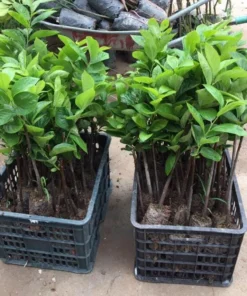
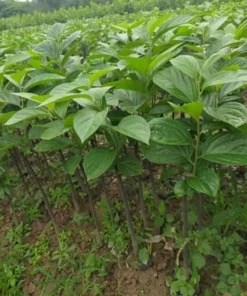
This offering is for a healthy American Persimmon live plant, measuring approximately 9-12 inches tall. It is shipped as a well-rooted starter plant, ready for immediate planting in your garden or a larger container. These young trees are typically grown from seed and will develop into a substantial tree over time. The American Persimmon (Diospyros Virginiana) can reach a mature height of 30 to 80 feet, with a spread of 20 to 35 feet, forming a rounded or oval canopy. Its growth rate is moderate, allowing it to establish itself effectively without becoming overwhelming too quickly.
The tree will flower in spring to early summer, with fruits developing through the summer and ripening in the fall. These starter plants are typically a few years from bearing significant fruit, as persimmons can take 3-10 years to produce their first crop, depending on growing conditions and specific cultivar. This species is known for its deep taproot, which contributes to its drought tolerance and makes it somewhat challenging to transplant once mature. Therefore, choosing a permanent planting site for your native fruit tree from the start is recommended. It’s an investment in a long-term, beautiful, and productive addition to your landscape.
You must be logged in to post a review.

Sold 63 products
Original price was: $243.98.$121.99Current price is: $121.99.
Sold 73 products
Original price was: $299.94.$149.97Current price is: $149.97.
Sold 93 products
Original price was: $119.98.$59.99Current price is: $59.99.
Sold 90 products
Original price was: $35.98.$17.99Current price is: $17.99.
Sold 91 products
Original price was: $257.98.$128.99Current price is: $128.99.
Sold 61 products
Original price was: $319.98.$159.99Current price is: $159.99.
Sold 86 products
Original price was: $48.98.$24.49Current price is: $24.49.
Sold 97 products
Original price was: $259.98.$129.99Current price is: $129.99.
Reviews
There are no reviews yet.