NEED SUPPORT WITH YOUR ORDER? Get in touch
Not satisfied with your purchase?
Enter your Order ID on website, and we'll resolve it right away.

Original price was: $61.18.$33.99Current price is: $33.99.
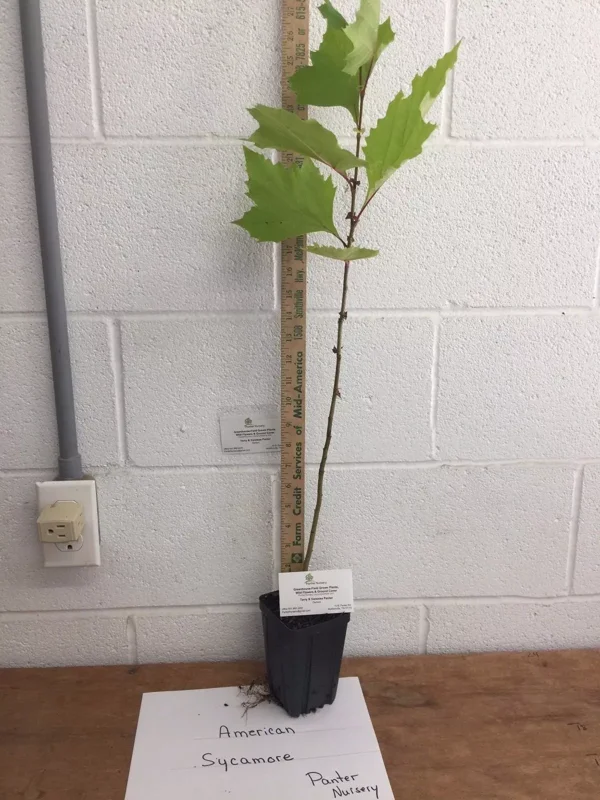
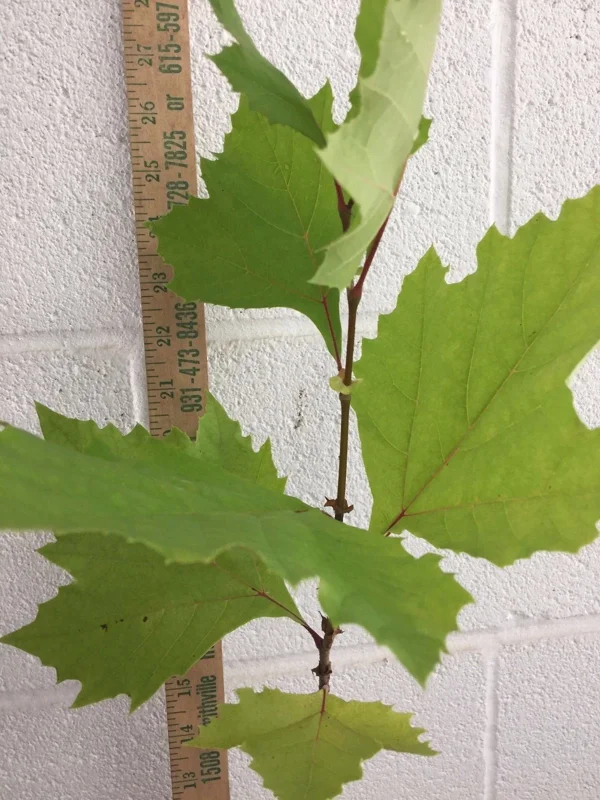
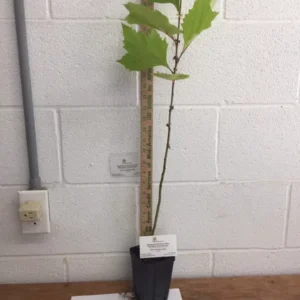
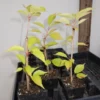
Bring a majestic presence to your landscape with this American Sycamore live plant. Standing 6-12 inches tall in a quart pot, this Platanus Occidentalis care-friendly tree offers rapid growth, extensive shade, and distinctive exfoliating bark. Perfect for creating a grand, long-lasting feature in large outdoor spaces, it’s also a surprisingly urban tolerant sycamore.
Feb 04
Feb 09 - Feb 11
Feb 14 - Feb 18
USDA Hardiness Zone
Soil Type
Sunlight Exposure
Expected Planting Period
Shipping and return policies: Our Alive & Thrive Guarantee covers issues with your plants within the first 30 days. Get in touch with us via email, and our team will review your concerns and, if necessary, provide you with a one-time replacement at no cost.
If you're unsure about your hardiness zone, feel free to reach out to us. Our team will answer your questions and help you find the plants that are truly suitable for your environment, climate, and personal preferences.
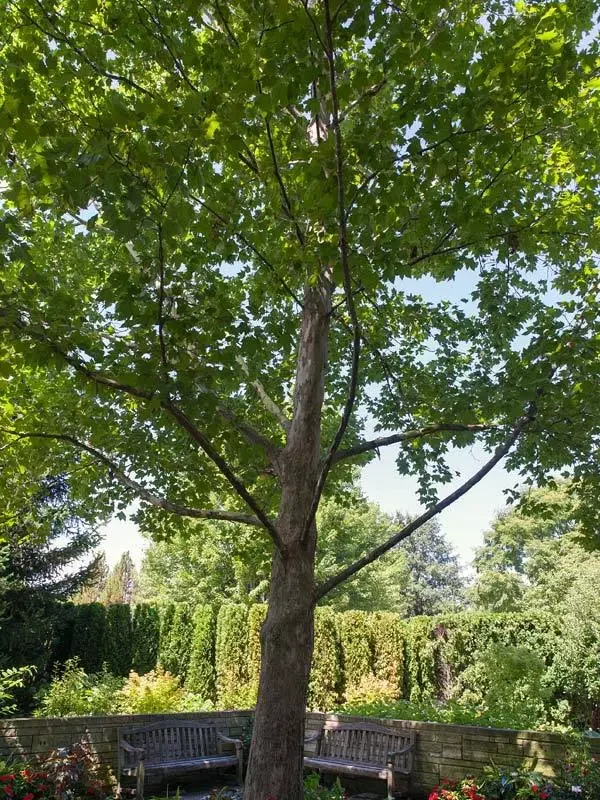
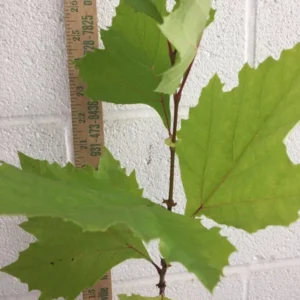
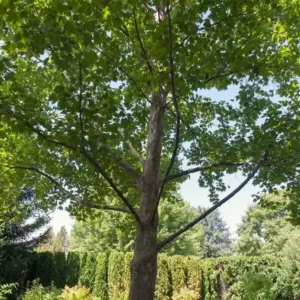
The American Sycamore live plant (Platanus Occidentalis) is an exceptional choice for anyone looking to make a significant and lasting addition to their landscape. Known for its majestic size and striking exfoliating bark, this deciduous tree quickly becomes a prominent feature, providing substantial shade and aesthetic appeal. Often referred to simply as Sycamore, this species is native to eastern and central North America and is celebrated for its rapid growth rate and impressive longevity. This young plant, 6-12 inches tall in a quart pot, is ready to establish itself and grow into a towering specimen that will be enjoyed for generations. Its resilience and adaptability make it a versatile option for various settings, including urban environments where air pollution might be a concern for other trees, making it a truly urban tolerant sycamore.
The American Sycamore is more than just a tree; it’s an investment in your property’s value and the overall well-being of the environment. Its unique characteristics, such as its peeling bark that reveals lighter inner layers, provide year-round visual interest. Beyond its beauty, this large shade tree offers significant ecological benefits, contributing to carbon sequestration and improved air quality. Whether you’re planning a new garden, enhancing an existing landscape, or seeking a durable and impactful tree, the American Sycamore live plant is an excellent choice for creating a natural haven.
Choosing an American Sycamore live plant for your landscape brings a multitude of advantages, enhancing both the beauty and functionality of your outdoor space. This robust tree offers benefits that extend far beyond its visual appeal:
Caring for your American Sycamore live plant is relatively straightforward, given its adaptable nature. For optimal growth, it thrives in full sun exposure, meaning it needs at least 6 hours of direct sunlight per day. While it can tolerate some partial shade, abundant sunlight will encourage the fastest growth and the most robust development. When planting, ensure the site has ample space to accommodate its mature size, as this tree can reach impressive heights and spreads.
Regarding soil, the American Sycamore prefers well-drained soil but is highly adaptable to a variety of soil conditions, including sandy, loamy, and clay soils. It can tolerate both wet and dry conditions once established, although consistent moisture is beneficial for young trees. Water regularly during the first year of planting to help establish a strong root system, especially during dry spells. Once mature, it is quite drought-tolerant. Fertilization is generally not heavily required; a balanced slow-release fertilizer in early spring can support growth, but avoid over-fertilizing. The Platanus Occidentalis tree is naturally resilient, but protecting young trees from deer browsing can be helpful, which is an important aspect of Platanus Occidentalis care.
The fast growing shade tree is well-suited for USDA hardiness zones 4-9, demonstrating excellent cold hardiness. It can withstand a wide range of temperatures, from cold winters to hot summers. Pruning is typically minimal, often limited to removing dead, diseased, or crossing branches to maintain a healthy structure. Its ‘self-pruning’ characteristic means it naturally sheds lower branches as it grows, contributing to its impressive stature and clear trunk. Keep an eye out for common Sycamore diseases like anthracnose, which can cause leaf spot and twig dieback, especially in cool, wet springs. Good air circulation and proper watering can help mitigate these issues, ensuring a healthy sycamore tree for landscape beauty.
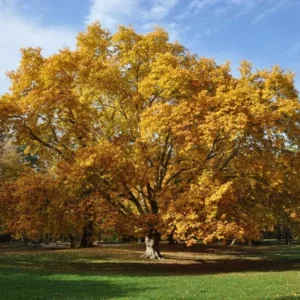
Your American Sycamore live plant arrives as a vibrant young specimen, standing approximately 6-12 inches tall, carefully planted in a 1 quart pot. This size is ideal for transplanting, allowing the tree to quickly establish its roots in its new environment. The American Sycamore is renowned for its impressive mature dimensions, typically reaching heights of 70-100 feet with a spread of 60-80 feet. Its rapid growth rate means you won’t have to wait long to enjoy substantial shade and a majestic presence in your landscape. This large shade tree starts relatively small but quickly develops into a true giant, making it a spectacular long-term addition to any property. This makes it an excellent choice if you’re looking for a fast growing shade tree.
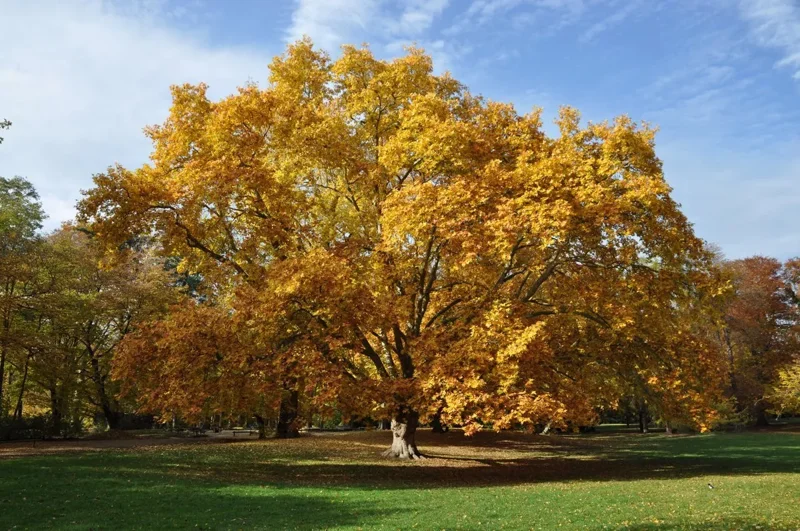
The tree will be shipped in its nursery pot with soil, ensuring minimal shock during transit and providing a healthy start. Expect the foliage to be green through spring and summer, transitioning to vibrant yellow and orange hues in the fall before dropping its leaves for winter. The unique exfoliating bark, which peels away to reveal mottled green, tan, and white patches, provides year-round interest. This durable tree is suitable for large yards, parks, and open spaces where its grand scale can be fully appreciated.
You must be logged in to post a review.
Sold 98 products
Original price was: $319.98.$159.99Current price is: $159.99.
Sold 85 products
Original price was: $371.98.$185.99Current price is: $185.99.
Sold 79 products
Original price was: $99.98.$49.99Current price is: $49.99.
Sold 100 products
Original price was: $69.98.$34.99Current price is: $34.99.
Sold 60 products
Original price was: $259.98.$129.99Current price is: $129.99.
Sold 86 products
Original price was: $35.98.$17.99Current price is: $17.99.
Sold 75 products
Original price was: $243.98.$121.99Current price is: $121.99.
Sold 98 products
Original price was: $55.98.$27.99Current price is: $27.99.
Reviews
There are no reviews yet.