NEED SUPPORT WITH YOUR ORDER? Get in touch
Not satisfied with your purchase?
Enter your Order ID on website, and we'll resolve it right away.

Original price was: $75.99.$42.99Current price is: $42.99.
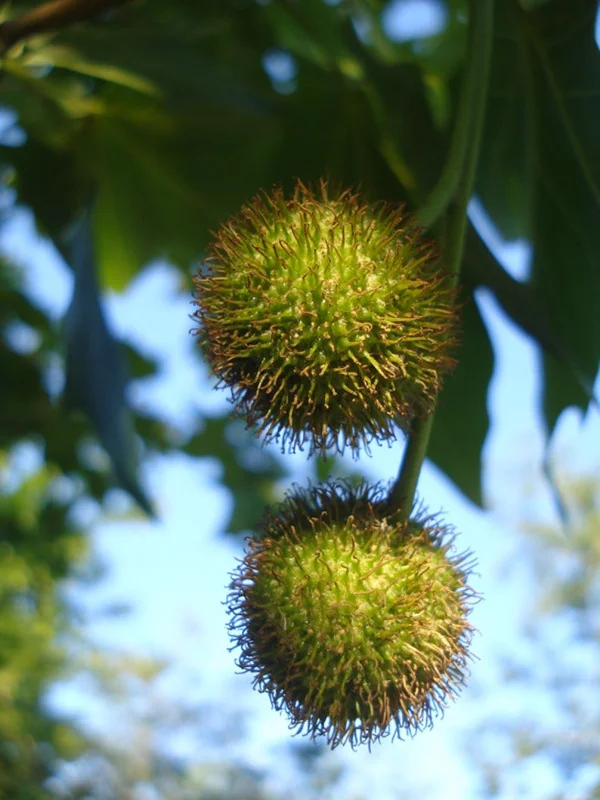
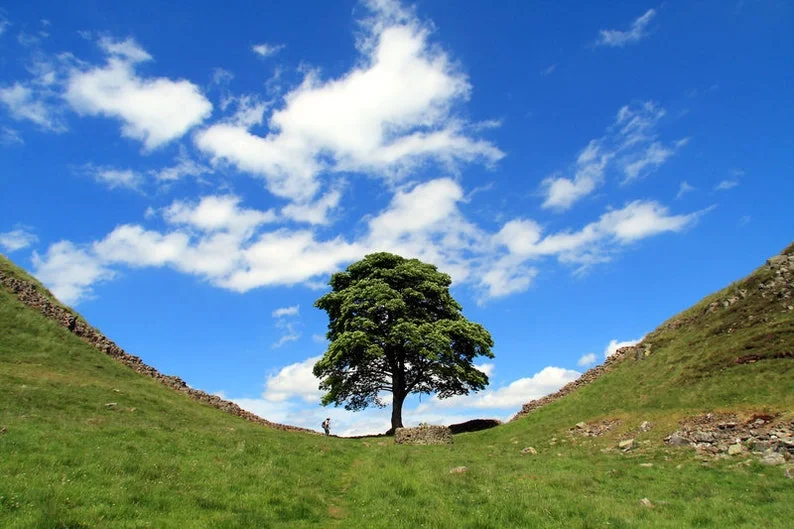
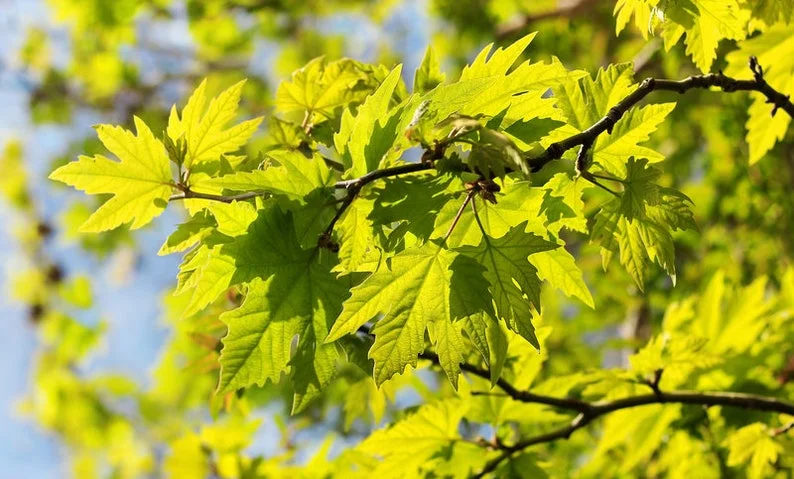
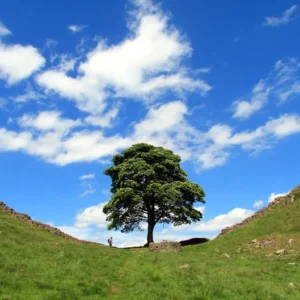
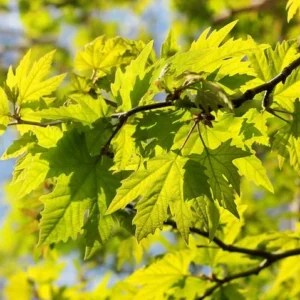
Cultivate a grand American Sycamore tree, a magnificent fast growing shade tree, ideal for creating substantial shade and visual interest in your landscape. This Platanus occidentalis tree is shipped as a 2-3 foot tall bare-root live plant, ready for outdoor planting. Enjoy its distinctive exfoliating bark and rapid growth for a majestic impact.
Mar 03
Mar 08 - Mar 10
Mar 13 - Mar 17
USDA Hardiness Zone
Soil Type
Sunlight Exposure
Expected Planting Period
No Shipping To
Shipping and return policies: Our Alive & Thrive Guarantee covers issues with your plants within the first 30 days. Get in touch with us via email, and our team will review your concerns and, if necessary, provide you with a one-time replacement at no cost.
If you're unsure about your hardiness zone, feel free to reach out to us. Our team will answer your questions and help you find the plants that are truly suitable for your environment, climate, and personal preferences.
The American Sycamore tree (Platanus occidentalis) is a truly magnificent deciduous tree, renowned for its rapid growth and imposing stature. If you’re seeking a substantial, quick-to-establish shade solution, this live plant is an excellent choice. Known for its distinctive exfoliating bark and expansive canopy, the Sycamore is a truly majestic addition to any landscape. It’s a highly adaptable species, thriving in a variety of soil conditions, which makes it particularly suitable for urban environments and as a striking street tree. Discover the enduring beauty and practical benefits of incorporating an American Sycamore tree into your property, providing both aesthetic appeal and significant environmental advantages.
This young Platanus occidentalis tree arrives as a dormant, bare-root specimen, ready for planting to begin its journey as a prominent feature in your garden or communal space. Its ability to quickly establish itself and grow into a grand specimen makes it a favorite among landscapers and homeowners looking for immediate impact and long-term value. Embrace the opportunity to cultivate one of North America’s most iconic and resilient trees, ensuring a verdant and shaded future for your outdoor living areas. This tree is not just a plant; it’s an investment in the future of your landscape, offering significant aesthetic and environmental returns.
Adding an American Sycamore tree to your property offers a multitude of advantages, enhancing both the environment and the value of your land. Its natural resilience and striking appearance make it a top choice for a variety of settings, providing a stunning shade tree for landscape designs.
Caring for your American Sycamore tree is straightforward, especially given its robust nature. Upon arrival, your tree will be in a dormant, bare-root state. It’s crucial to plant it as soon as possible after receiving it. Dig a hole wide enough to accommodate the roots without bending them, and just deep enough so the root collar is level with the ground. Backfill with soil, gently tamping down to remove air pockets, and water thoroughly. Initial care is vital for successful establishment of your fast growing shade tree.
The Sycamore thrives in full sun, requiring at least 6 hours of direct sunlight daily for optimal growth. While it tolerates various soil types, it prefers well-drained soil. Ensure adequate moisture, especially during its first few growing seasons. Regular watering, particularly during dry spells, will help the tree establish a strong root system. Once mature, it has good drought tolerance. This tree is hardy in USDA zones 3-9, indicating its wide range of adaptability to different climates. Protect young trees from harsh winds and extreme temperatures during their first winter to ensure robust growth. Proper sycamore tree care during its early years sets the foundation for a strong, healthy specimen.
Fertilization is generally not heavily required for a Sycamore, especially if planted in fertile soil. However, a balanced slow-release fertilizer can be applied in early spring if growth appears slow or the soil is poor. Pruning should focus on removing dead, damaged, or crossing branches to maintain a strong structure and promote healthy growth. Keep an eye out for common pests or diseases, though Sycamores are generally hardy. Proper cultural practices, like good air circulation and appropriate watering, can minimize risks such as anthracnose, which can affect Sycamores. This comprehensive approach to sycamore tree care will help it flourish.
This American Sycamore tree is a live plant, shipped as a dormant, bare-root specimen, typically measuring 2 to 3 feet tall upon arrival. Bare-root plants are an economical and effective way to establish trees, allowing them to adapt quickly to their new environment. Once planted, this fast growing shade tree is known for its impressive growth rate, often adding 3-6 feet in height per year under ideal conditions.
Mature trees typically reach a majestic height of 80 to 120 feet with a broad canopy spread, providing extensive shade and a dramatic presence in your landscape. The tree is guaranteed to grow in USDA zones 3-9 with proper care and attention. Instructions for planting and initial care are included via a QR code, making the setup process straightforward. The ultimate size and spread of your Platanus occidentalis tree will depend on its specific growing conditions, including soil quality, water availability, and sunlight exposure, but it is certainly a tree that commands attention and offers significant long-term benefits as a prominent shade tree for landscape.
You must be logged in to post a review.
Sold 63 products
Original price was: $319.98.$159.99Current price is: $159.99.
Sold 56 products
Original price was: $259.96.$129.98Current price is: $129.98.
Sold 88 products
Original price was: $299.94.$149.97Current price is: $149.97.
Sold 57 products
Original price was: $259.78.$129.89Current price is: $129.89.
Sold 63 products
Original price was: $259.78.$129.89Current price is: $129.89.
Sold 80 products
Original price was: $119.98.$59.99Current price is: $59.99.
Sold 63 products
Original price was: $59.98.$29.99Current price is: $29.99.
Sold 84 products
Original price was: $99.98.$49.99Current price is: $49.99.
Reviews
There are no reviews yet.