NEED SUPPORT WITH YOUR ORDER? Get in touch
Not satisfied with your purchase?
Enter your Order ID on website, and we'll resolve it right away.

Original price was: $60.99.$30.99Current price is: $30.99.
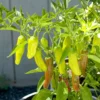
Cultivate your own delicious ancho poblano pepper plant at home. This live chile plant produces mildly hot, versatile peppers perfect for authentic Mexican dishes like chile rellenos and mole. Enjoy fresh, homegrown flavor with ease.
Mar 03
Mar 08 - Mar 10
Mar 13 - Mar 17
USDA Hardiness Zone
Soil Type
Sunlight Exposure
Expected Planting Period
Shipping and return policies: Our Alive & Thrive Guarantee covers issues with your plants within the first 30 days. Get in touch with us via email, and our team will review your concerns and, if necessary, provide you with a one-time replacement at no cost.
If you're unsure about your hardiness zone, feel free to reach out to us. Our team will answer your questions and help you find the plants that are truly suitable for your environment, climate, and personal preferences.
Embark on a culinary journey by growing your very own ancho poblano pepper plant. This vibrant live chile plant is a must-have for any gardener eager to infuse their cooking with authentic Mexican flavors. Known as one of Mexico’s most beloved chiles, the Ancho Poblano produces blocky, mildly hot peppers that are incredibly versatile. Whether you’re planning to make savory chile rellenos, rich mole sauce, or simply add a delightful kick to your favorite dishes, this plant delivers fresh, flavorful produce right from your garden. Enjoy the satisfaction of nurturing your own peppers from seedling to harvest, bringing a taste of tradition to your table.
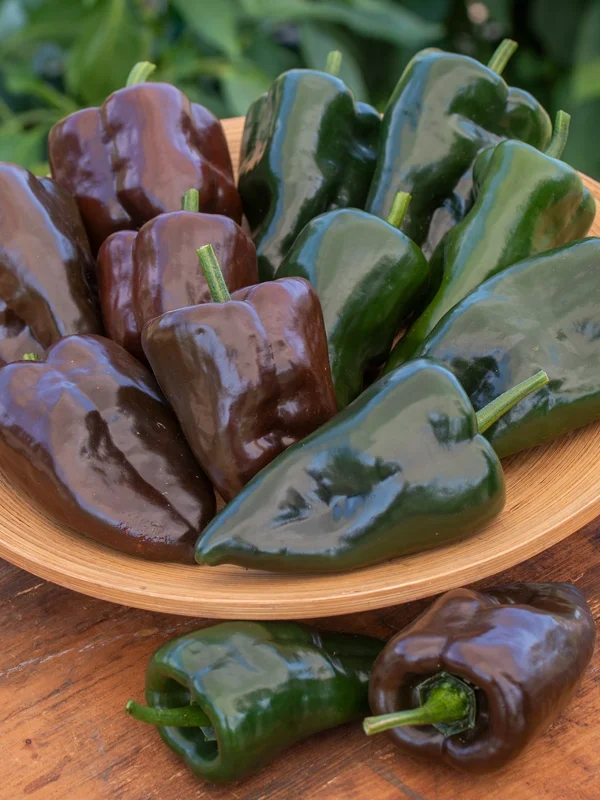
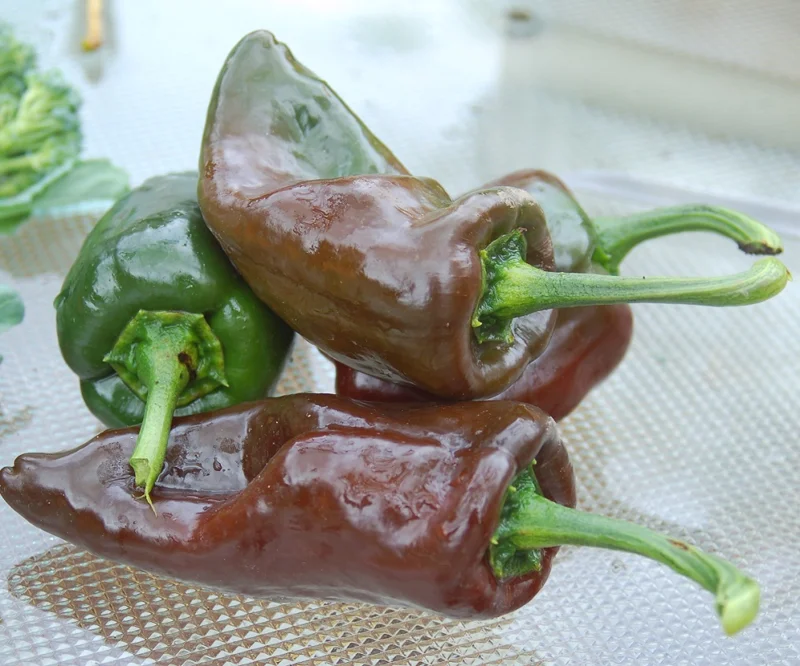
Our ancho poblano pepper plant arrives ready to thrive, providing you with a head start on a bountiful harvest. These bushy, everbearing plants yield pendant-type peppers that transition from a dark green to a beautiful red as they mature. You can harvest them at either stage, each offering a unique flavor profile and a manageable level of heat, typically ranging from 1,000 to 2,000 Scoville heat units. Get ready to transform your garden into a source of culinary inspiration with these exceptional peppers.
Growing your own ancho poblano pepper plant offers numerous advantages, blending the joy of gardening with the pleasure of fresh, homemade cuisine. This variety is celebrated for its culinary versatility and ease of cultivation, making it a rewarding addition to any garden.
To ensure your ancho poblano pepper plant flourishes and provides a generous harvest, understanding its specific care requirements is key. These plants thrive in conditions that mimic their native warm climates, requiring consistent attention to sunlight, water, and soil quality.
Sunlight requirements: The ancho poblano pepper plant demands ample sunlight to produce abundant fruit. Position your plant in a location that receives at least 6-8 hours of direct sunlight per day. Full sun exposure is crucial for both healthy development and optimal fruit production. If growing indoors, a south-facing window or supplemental grow lights are recommended to meet its light needs.
Watering schedule: Consistent moisture is vital for these pepper plants. Water regularly, aiming to keep the soil consistently moist but never waterlogged. Overwatering can lead to root rot, while underwatering can stress the plant and reduce fruit yield. Check the soil moisture daily, and water when the top inch of soil feels dry to the touch. During hot, dry periods, you may need to water more frequently. Ensure good drainage to prevent water accumulation at the roots.
Soil type and drainage: A well-draining, rich soil is ideal for your ancho poblano pepper plant. Enriching the soil with mature compost or other organic matter will provide essential nutrients and improve soil structure. A slightly acidic to neutral pH (6.0-7.0) is preferred. Good drainage is paramount to prevent waterlogging, which can be detrimental to the plant’s health. Consider raised beds or containers for optimal control over soil conditions.
Temperature range and USDA hardiness zone: These pepper plants are heat-loving and require warm conditions both day and night to germinate and fruit well. They are typically grown as annuals in most regions but can be perennial in warmer climates (USDA Zones 9-11). Protect them from frost, as cold temperatures can severely damage or kill the plant. Ideal daytime temperatures range from 70-85°F (21-29°C), with nighttime temperatures not dropping below 60°F (15°C). Knowing how to grow poblano peppers successfully means providing these warm conditions.
Fertilization schedule: Feed your ancho chile plant with a balanced fertilizer once it begins to set fruit. A fertilizer formulated for tomatoes or vegetables, with slightly higher phosphorus and potassium, will encourage fruiting. Follow the product’s instructions for application rates and frequency, typically every 2-4 weeks during the growing season. Avoid excessive nitrogen, which can promote leafy growth at the expense of fruit production.
This offering is for one ancho poblano pepper plant, provided as a live seedling in a 2.5-inch nursery pot. The plants are carefully cultivated to ensure they are healthy and well-rooted upon arrival, ready for transplanting into your garden or a larger container. At maturity, these bushy plants can reach a height of 2-3 feet and a similar spread, depending on growing conditions and care. The peppers themselves are blocky, typically growing 3-6 inches long, starting dark green and maturing to a rich red.
Expect a moderate growth rate, with peppers typically ready for harvest 70-80 days after transplanting. The plants are everbearing, meaning they will continue to produce peppers throughout the warm season until the first frost. This provides a continuous supply of fresh peppers for your culinary needs. Transplant seedlings 12-18 inches apart when soils are warm, ideally in late spring or early summer after the last frost, to give them ample space to thrive and ensure a bountiful harvest.
You must be logged in to post a review.
Sold 74 products
Original price was: $74.99.$34.99Current price is: $34.99.
Sold 90 products
Original price was: $60.99.$30.99Current price is: $30.99.
Sold 68 products
Original price was: $64.99.$34.99Current price is: $34.99.
Sold 98 products
Original price was: $64.99.$34.99Current price is: $34.99.
Sold 93 products
Original price was: $74.99.$34.99Current price is: $34.99.
Sold 100 products
Original price was: $74.99.$34.99Current price is: $34.99.
Sold 56 products
Original price was: $59.78.$29.89Current price is: $29.89.
Sold 85 products
Original price was: $74.99.$34.99Current price is: $34.99.

Reviews
There are no reviews yet.