NEED SUPPORT WITH YOUR ORDER? Get in touch
Not satisfied with your purchase?
Enter your Order ID on website, and we'll resolve it right away.

Original price was: $93.59.$71.99Current price is: $71.99.
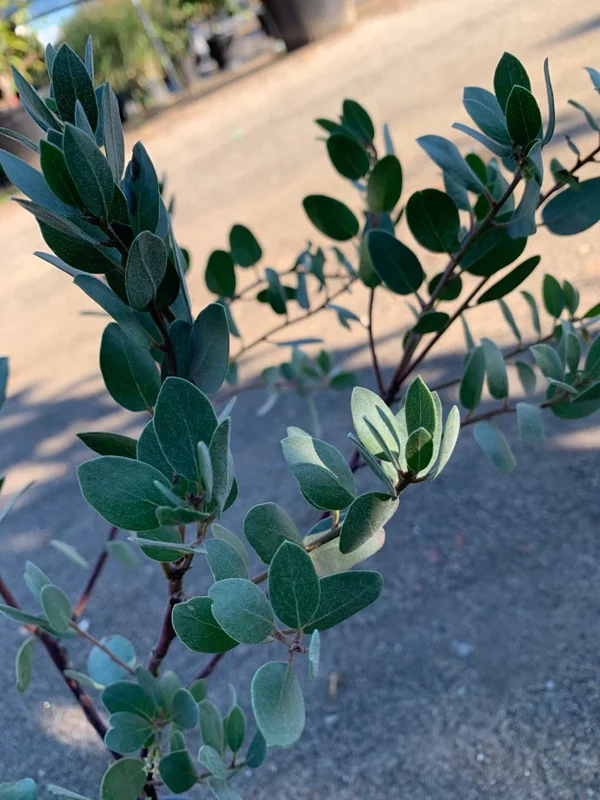
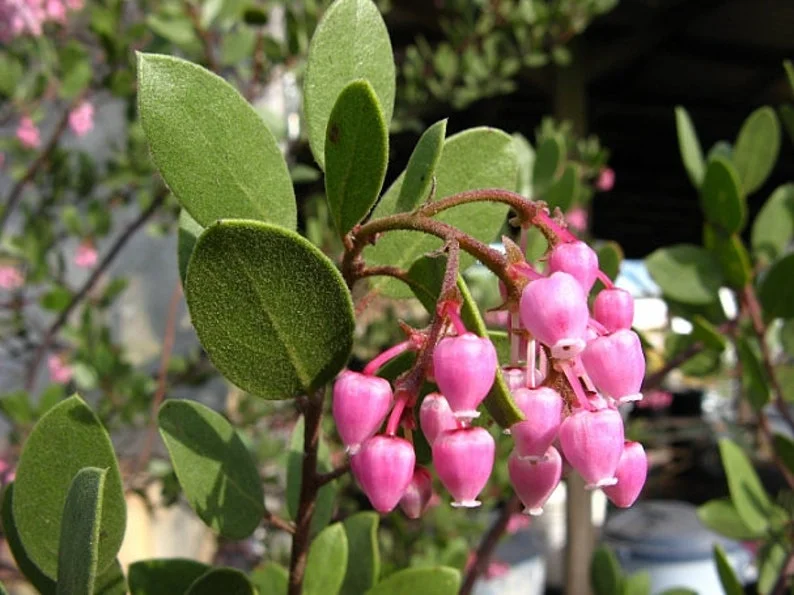
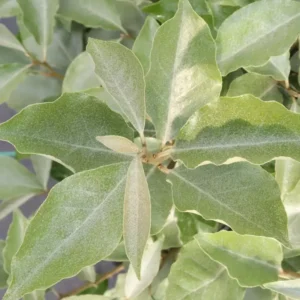
Introduce a stunning Manzanita live plant to your landscape. The Louise Edmunds Manzanita is a beautiful, drought-tolerant shrub known for its unique purple-brown bark and delicate spring flowers. Perfect for adding year-round appeal and attracting pollinators to your garden. Shipped in a 6-inch pot.
Mar 03
Mar 08 - Mar 10
Mar 13 - Mar 17
USDA Hardiness Zone
Soil Type
Sunlight Exposure
Expected Planting Period
Shipping and return policies: Our Alive & Thrive Guarantee covers issues with your plants within the first 30 days. Get in touch with us via email, and our team will review your concerns and, if necessary, provide you with a one-time replacement at no cost.
If you're unsure about your hardiness zone, feel free to reach out to us. Our team will answer your questions and help you find the plants that are truly suitable for your environment, climate, and personal preferences.
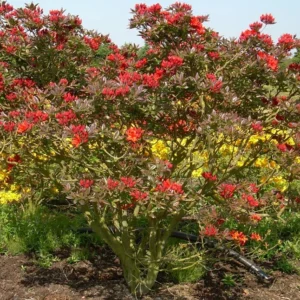
Introduce a captivating element to your garden with the Arctostaphylos Bakeri ‘Louise Edmunds’ Manzanita live plant. Also commonly known as ‘Louise Edmunds’ Manzanita, this exquisite flowering shrub is a true garden showstopper, celebrated for its unique aesthetic and adaptability. Native to California, this Manzanita variety boasts distinctive purple-brown trunks that provide visual interest even when not in bloom, ensuring year-round beauty in your landscape. In the spring, it erupts with clusters of delicate, showy flowers, adding a vibrant splash of color and attracting beneficial pollinators. Our Arctostaphylos Bakeri Louise Edmunds plant arrives in a convenient 6-inch pot, ready for you to transplant into your garden or a larger container, making it an excellent choice for both small and large landscapes seeking a distinctive and low-maintenance plant.
This particular Manzanita live plant is an erect variety that offers significant structural appeal. Its manageable size at maturity, typically reaching 6-8 feet tall and wide, allows it to serve as a stunning backdrop or a commanding focal point in various garden designs. The ‘Louise Edmunds’ cultivar is renowned for its robust nature and ability to thrive in challenging conditions, making it an ideal selection for gardeners in search of a resilient and beautiful addition. Embrace the natural elegance and captivating presence of this Manzanita to transform your outdoor space into a haven of beauty and ecological balance.
Cultivating the ‘Louise Edmunds’ Manzanita brings a multitude of advantages to your garden, enhancing both its beauty and sustainability. This Arctostaphylos Bakeri Louise Edmunds variety is particularly valued for its resilience and striking appearance, making it a highly desirable Manzanita live plant for any landscape.
Ensuring the health and vitality of your Arctostaphylos Bakeri ‘Louise Edmunds’ Manzanita live plant begins with understanding its specific care requirements. This robust Manzanita shrub is relatively easy to care for, especially once established, making it a favorite among gardeners looking for a beautiful yet resilient addition. The key to its success lies in providing the right environment from the start. For optimal growth and prolific flowering, this plant absolutely thrives in full sun exposure, meaning it needs at least 6-8 hours of direct sunlight daily. Choose a sunny spot in your garden where it won’t be overshadowed by larger trees or structures.
When it comes to soil, well-draining conditions are paramount. Manzanitas detest heavy, water-retentive clay soils, which can lead to root rot. Ideally, plant your ‘Louise Edmunds’ Manzanita in sandy or gravelly soil. If your garden has heavy clay, amending the soil with sand, perlite, or organic matter to improve drainage is crucial. Once established, this drought-tolerant shrub is remarkably water-wise. Water deeply but infrequently, allowing the soil to dry out completely between waterings. Overwatering is a common pitfall for Manzanitas. During its establishment phase (first year), more regular watering will be necessary to encourage strong root development. Fertilization is generally not required for established plants, as they are adapted to nutrient-poor soils. If growth appears stunted, a light application of a slow-release, low-phosphorus fertilizer in early spring can be considered, but avoid excessive feeding.
The ‘Louise Edmunds’ Manzanita is hardy in USDA Zones 8-10, tolerating temperatures down to about 10-20°F. In colder regions, it may require winter protection or can be grown in containers and moved indoors. Pruning should be minimal and primarily for shaping or removing dead/diseased branches, ideally done after flowering in late spring or early summer. Avoid heavy pruning, as Manzanitas prefer their natural form. With proper siting and care, this unique landscape shrub will flourish, providing years of beauty and ecological benefit to your outdoor space. Understanding Arctostaphylos Bakeri care is straightforward for this resilient variety.
The Arctostaphylos Bakeri ‘Louise Edmunds’ Manzanita live plant is shipped in a 6-inch nursery pot, thoughtfully prepared to ensure a healthy start in your landscape. At the time of shipping, the plant typically stands approximately 1 foot tall, providing a well-rooted specimen ready for transplanting. This particular Manzanita shrub variety is known for its moderate to fast growth rate, eventually reaching an impressive mature size of 6-8 feet in both height and width. This makes it a substantial and impactful addition to any garden, capable of serving as a beautiful backdrop, an effective privacy screen, or a captivating specimen plant.
Its robust structure and spreading habit contribute to its presence in the landscape. The ‘Louise Edmunds’ Manzanita develops its distinctive purple-brown bark as it matures, which peels attractively to reveal smoother, often reddish-brown new bark underneath. Expect vibrant clusters of bell-shaped flowers to appear in late winter to early spring, followed by small, berry-like fruits. This low-maintenance plant is an excellent long-term investment for your garden, establishing itself as a permanent feature with its enduring beauty and ecological benefits. This flowering shrub will be a focal point for seasons to come.
You must be logged in to post a review.
Sold 69 products
Original price was: $74.99.$44.99Current price is: $44.99.
Sold 100 products
Original price was: $74.99.$44.99Current price is: $44.99.
Sold 61 products
Original price was: $70.99.$40.99Current price is: $40.99.
Sold 50 products
Original price was: $55.98.$27.99Current price is: $27.99.
Sold 66 products
Original price was: $74.99.$44.99Current price is: $44.99.
Sold 95 products
Original price was: $74.99.$44.99Current price is: $44.99.
Sold 76 products
Original price was: $76.99.$46.99Current price is: $46.99.
Sold 67 products
Original price was: $70.99.$40.99Current price is: $40.99.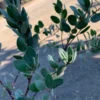
Reviews
There are no reviews yet.