NEED SUPPORT WITH YOUR ORDER? Get in touch
Not satisfied with your purchase?
Enter your Order ID on website, and we'll resolve it right away.

Original price was: $59.99.$43.99Current price is: $43.99.
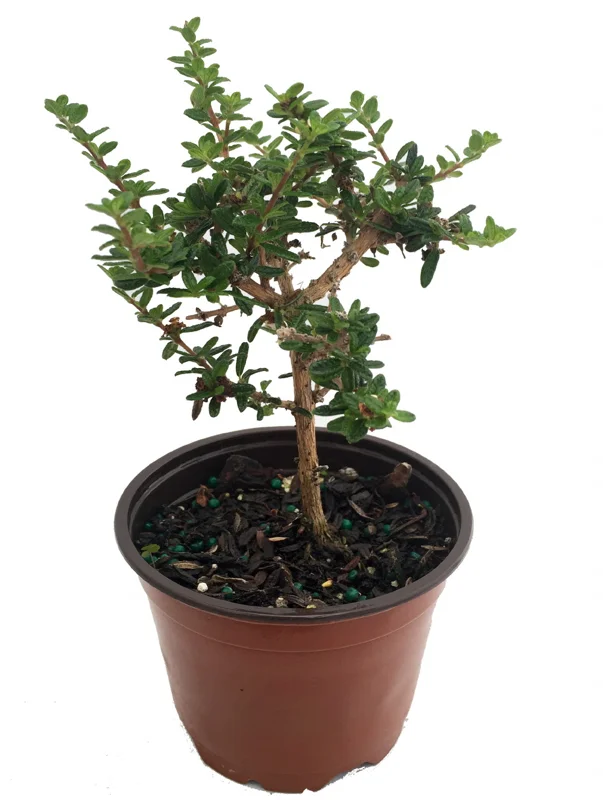
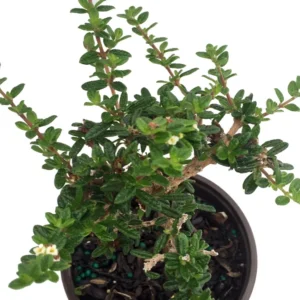
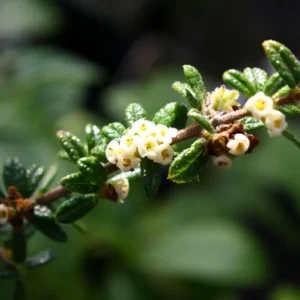
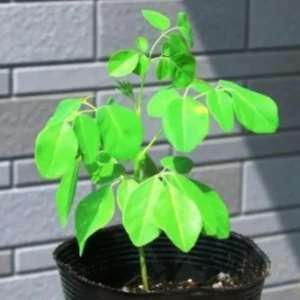
Bring home the delightful Bahama Berry Tea Plant (Nashia Inaguensis) in a 4-inch pot. This tropical beauty offers fragrant leaves perfect for making herbal tea and is an excellent candidate for bonsai. Enjoy its year-round visual appeal with tiny white flowers and reddish-orange berries, making it a unique addition to any home or garden.
Mar 03
Mar 08 - Mar 10
Mar 13 - Mar 17
USDA Hardiness Zone
Soil Type
Sunlight Exposure
Expected Planting Period
Shipping and return policies: Our Alive & Thrive Guarantee covers issues with your plants within the first 30 days. Get in touch with us via email, and our team will review your concerns and, if necessary, provide you with a one-time replacement at no cost.
If you're unsure about your hardiness zone, feel free to reach out to us. Our team will answer your questions and help you find the plants that are truly suitable for your environment, climate, and personal preferences.
Introduce a touch of the tropics to your home or garden with the exquisite Bahama Berry Tea Plant (Nashia Inaguensis). This delightful live plant, arriving in a convenient 4-inch pot, is renowned for its aromatic leaves, which can be steeped to create a flavorful herbal tea. Also known as Mounjean Tea Plant, this tropical gem is not only practical but also incredibly beautiful, making it a perfect conversation starter. Its compact size and ease of care make it suitable for both novice and experienced gardeners looking to expand their collection with something truly special. The Nashia Inaguensis live plant thrives in warm, humid conditions, bringing vibrant life and a pleasant fragrance to any indoor or outdoor space.
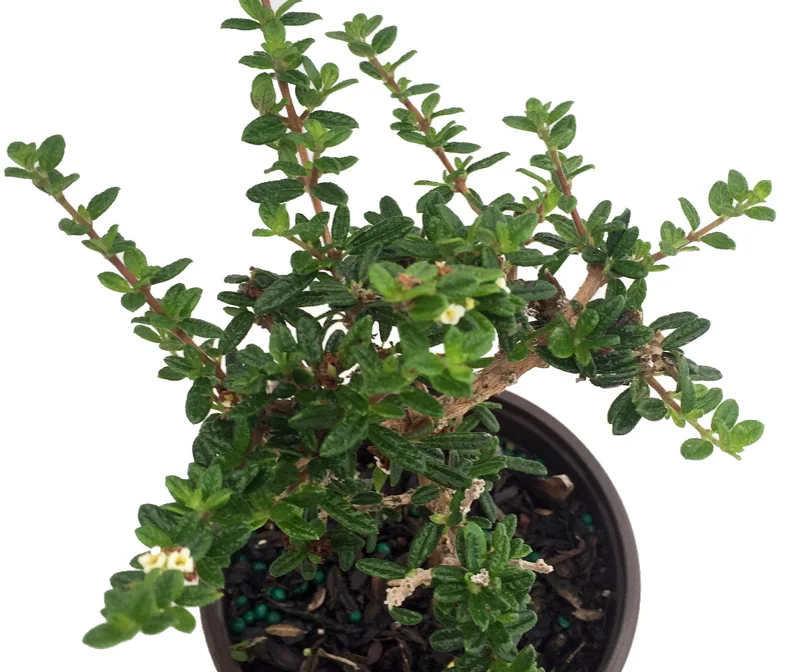
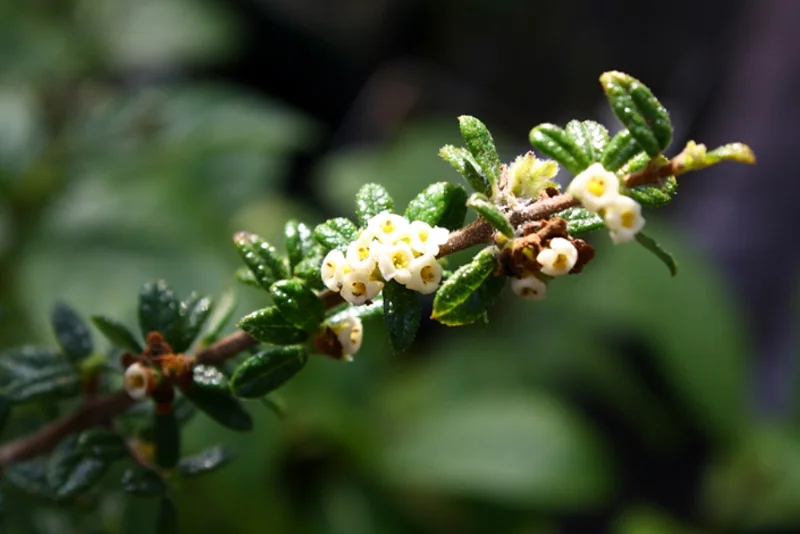
The Bahama Berry Tea Plant features small, dense, shiny green leaves that emit a pleasant, herb-like fragrance, especially when gently brushed. Throughout the year, it produces tiny, fragrant white flowers that cluster together, eventually giving way to attractive reddish-orange berries. This continuous display of beauty ensures year-round interest. Its natural growth habit and responsiveness to pruning make it an ideal specimen for shohin bonsai, offering endless creative possibilities for shaping and training. Embrace the versatility and charm of this unique plant, whether you’re cultivating your own herbal tea or crafting a living art piece.
The Bahama Berry Tea Plant offers a multitude of benefits, combining aesthetic appeal with practical uses, making it a valuable addition to any plant enthusiast’s collection. Its unique characteristics contribute to a rewarding gardening experience and a serene home environment.
Caring for your Bahama Berry Tea Plant is a straightforward and rewarding process, especially if you provide it with the right conditions. This tropical species thrives in environments that mimic its native habitat. For optimal growth and vibrant foliage, ensure your plant receives full sun. This means at least 6 hours of direct sunlight per day. If grown indoors, a south-facing window is ideal, or you may supplement with a grow light to ensure it gets adequate light intensity. High humidity is also crucial for this plant’s health; consider using a pebble tray, a room humidifier, or regular misting to maintain the necessary moisture levels around the foliage.
Watering is key for the Nashia Inaguensis live plant. It prefers consistently moist to wet soil and should never be allowed to dry out completely. Check the soil daily, and water thoroughly when the top inch feels slightly dry to the touch. Ensure that your pot has excellent drainage to prevent waterlogging, which can lead to root rot. During the spring and summer growing seasons, fertilize weekly with a balanced liquid fertilizer. Reduce feeding to once a month during the cooler winter months when the plant’s growth slows down. The plant thrives in hot temperatures, ideally above 60°F (15°C), making it suitable for USDA zones 9–11 outdoors or as a houseplant in cooler climates.
Pruning and wiring are easily managed, especially if you are cultivating your Bahama Berry bonsai. Regular pruning helps maintain its compact size and desired shape, encouraging denser foliage. Propagation can be done through cuttings in spring and early summer for best results. Repotting should also be performed in early summer, allowing the plant to establish new roots quickly in its fresh growing medium. Use a well-draining potting mix, ideally one formulated for tropical plants or bonsai, to support healthy root development. With consistent care, your herbal tea plant will flourish, providing continuous beauty and utility.
This offering includes one vibrant Bahama Berry Tea Plant, (Nashia Inaguensis), which arrives actively growing in a 4-inch nursery pot. The plant is carefully packaged to ensure its safe journey to your home, ready to be enjoyed immediately as a houseplant or to begin its journey as a bonsai specimen. At this size, it typically stands between 6 to 10 inches tall from the base of the pot, with a compact spread. The specific height and branching will vary slightly as each plant is unique, but all are healthy and well-established.
The tropical tea plant has a moderate growth rate and can eventually reach a mature height with a trunk diameter of 3-4 inches if left unpruned. However, its versatile nature means it can be easily kept smaller and more compact through regular pruning, especially when trained as a bonsai. While it may take some time to reach its full mature size, the plant will continuously produce its fragrant leaves, tiny white flowers, and reddish-orange berries, adding beauty to your space throughout the year. It ships as a potted plant in soil, ensuring a smooth transition into its new environment.
You must be logged in to post a review.
Sold 86 products
Original price was: $57.98.$28.99Current price is: $28.99.
Sold 71 products
Original price was: $39.98.$19.99Current price is: $19.99.
Sold 61 products
Original price was: $65.98.$32.99Current price is: $32.99.
Sold 98 products
Original price was: $65.98.$32.99Current price is: $32.99.
Sold 95 products
Original price was: $47.98.$23.99Current price is: $23.99.
Sold 81 products
Original price was: $45.98.$22.99Current price is: $22.99.
Sold 99 products
Original price was: $31.98.$15.99Current price is: $15.99.
Sold 85 products
Original price was: $13.70.$6.85Current price is: $6.85.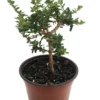
Reviews
There are no reviews yet.