NEED SUPPORT WITH YOUR ORDER? Get in touch
Not satisfied with your purchase?
Enter your Order ID on website, and we'll resolve it right away.
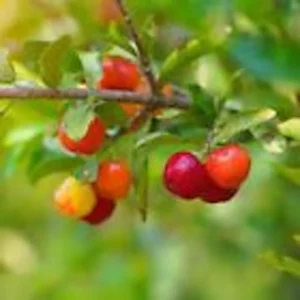
Original price was: $75.99.$50.99Current price is: $50.99.
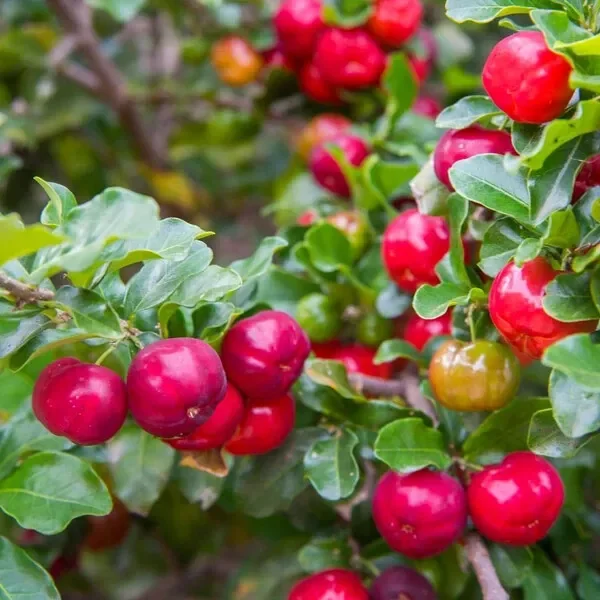
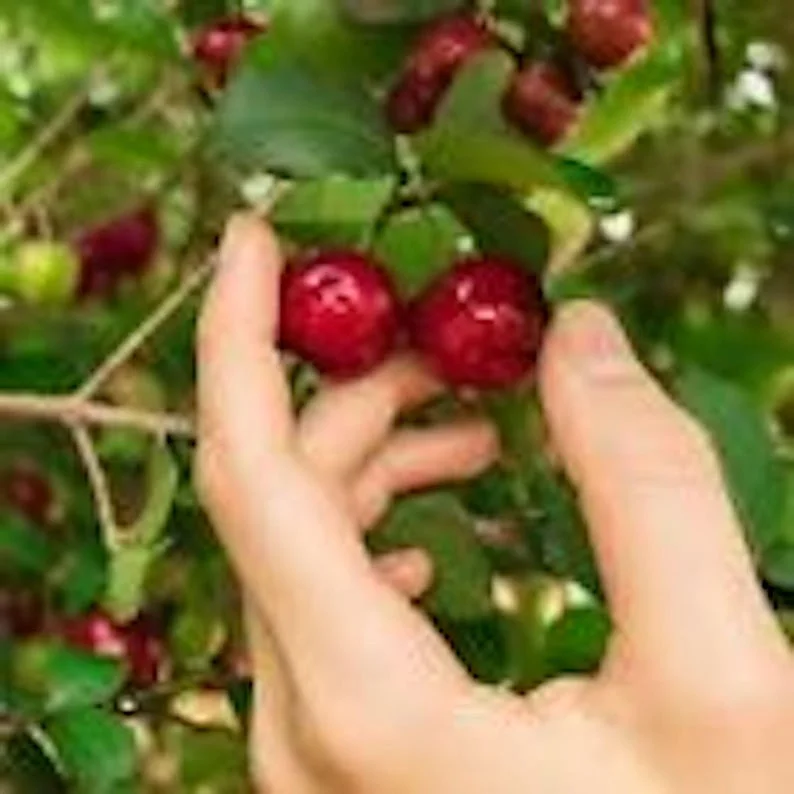
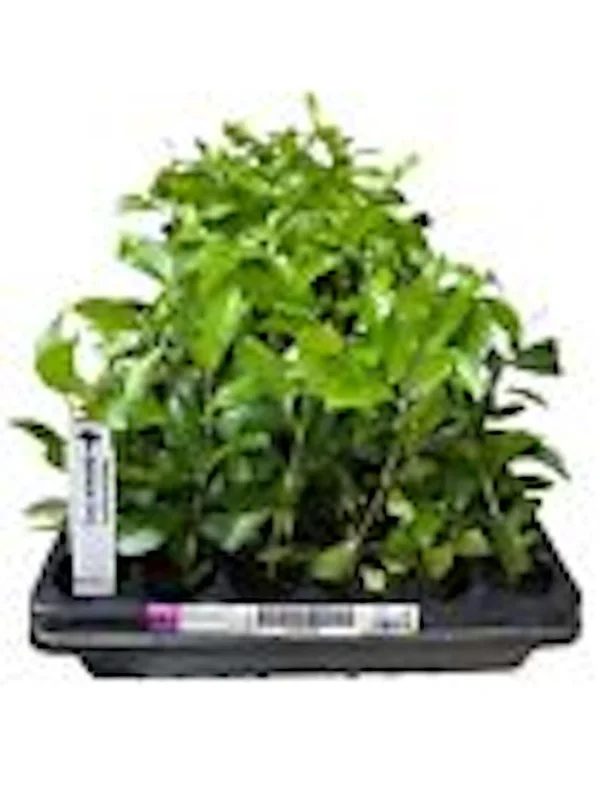
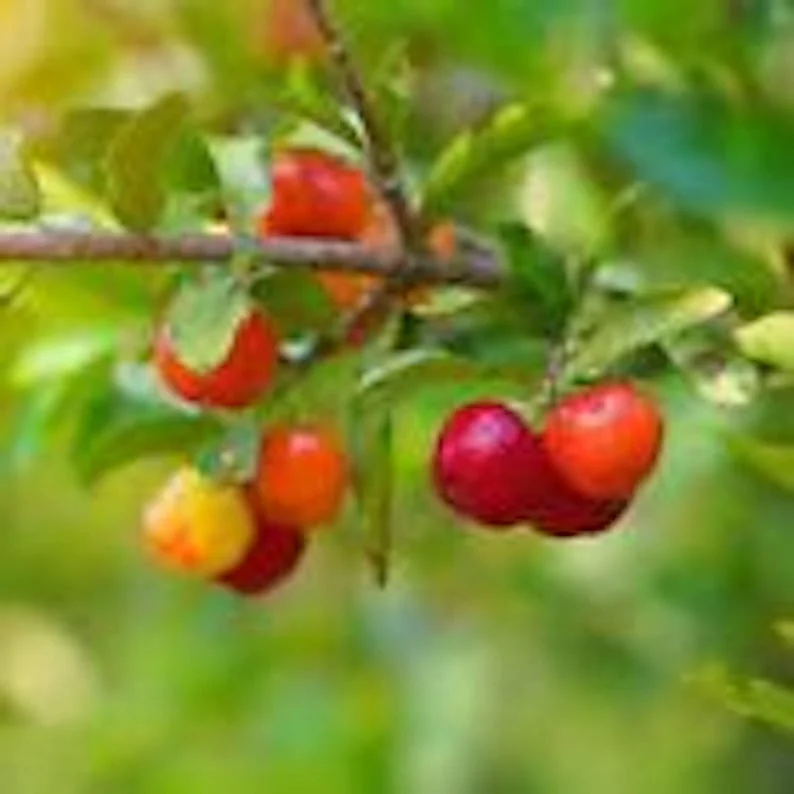
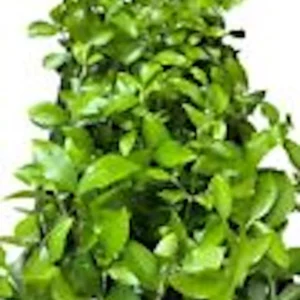
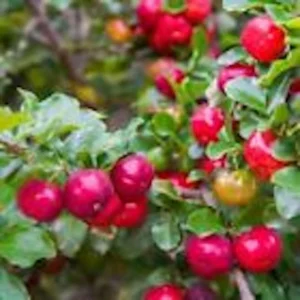
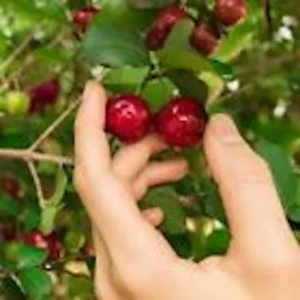
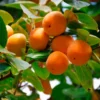
Bring the tropics home with this barbados cherry tree live plant 3-pack. These barbados cherry fruit tree starter plants offer delicious, vitamin C-rich fruit and delicate pink flowers, perfect for home gardens and homesteads.
Feb 04
Feb 09 - Feb 11
Feb 14 - Feb 18
USDA Hardiness Zone
Soil Type
Sunlight Exposure
Expected Planting Period
Shipping and return policies: Our Alive & Thrive Guarantee covers issues with your plants within the first 30 days. Get in touch with us via email, and our team will review your concerns and, if necessary, provide you with a one-time replacement at no cost.
If you're unsure about your hardiness zone, feel free to reach out to us. Our team will answer your questions and help you find the plants that are truly suitable for your environment, climate, and personal preferences.
Experience the joy of homegrown tropical fruit with this barbados cherry tree live plant 3-pack. Each pack contains three vibrant starter plants of Malpighia Emarginata, commonly known as the Barbados Cherry or Acerola Cherry. These fascinating tropical fruit trees, native to the West Indies, are an exceptional addition to any home garden, backyard orchard, or sustainable homestead. Known for their rapid growth and abundant fruit production, these barbados cherry fruit tree specimens will quickly transform your landscape, providing both ornamental beauty and a continuous supply of nutritious cherries. Cultivating your own fruit has never been easier or more rewarding, especially with a plant that offers year-round visual interest and a healthy harvest.
The barbados cherry tree live plant is celebrated not only for its delicious fruit but also for its aesthetic appeal. Featuring small, lush evergreen leaves and charming delicate pink flowers, it creates a captivating display throughout much of the year. The flowers typically bloom from April to October, with occasional blossoms even appearing year-round, ensuring your garden is always lively. Fruiting predominantly occurs from May to November, though some cherries may be available through the winter months. This adaptable tree can reach a manageable height of around 12 feet but responds well to pruning, allowing it to be maintained as a smaller shrub, fitting various garden sizes and designs.
Adding a barbados cherry tree live plant to your garden offers numerous advantages, blending aesthetic appeal with practical benefits. These trees are not just beautiful; they are also highly productive and relatively easy to care for, making them a fantastic choice for both novice and experienced gardeners.
Caring for your barbados cherry tree live plant is a rewarding experience, as these trees are relatively hardy and adaptable. To ensure optimal growth and fruit production, understanding their specific needs is crucial. They thrive in locations that mimic their native tropical environment, requiring plenty of warmth and sunlight. For best results, plant your malpighia emarginata plant in a site that receives at least 6 hours of direct sunlight daily. In hotter climates, some afternoon shade can be beneficial to prevent leaf scorch, but generally, more sun leads to more fruit. Indoors, place them near a south-facing window or use supplemental grow lights to meet their light requirements.
When it comes to watering, consistency is key, especially for young barbados cherry fruit tree specimens. Keep the soil consistently moist but never waterlogged. Allow the top inch or two of soil to dry out between waterings. Overwatering can lead to root rot, so ensure good drainage. These trees prefer well-draining soil, ideally a sandy loam or a mix amended with compost and organic matter to improve fertility and drainage. A slightly acidic to neutral pH (6.0-7.0) is ideal. Fertilize every 2-3 months during the growing season (spring and summer) with a balanced, slow-release fertilizer or an organic fruit tree fertilizer to support vigorous growth and abundant fruit set. Pruning can be done to maintain shape, size, and encourage bushier growth, especially if you wish to keep it as a shrub.
The growing barbados cherry tree is generally tolerant of various conditions but can be susceptible to certain pests like aphids or spider mites. Regular inspection and organic pest control methods can keep these issues at bay. In terms of temperature, these tropical trees are sensitive to frost. They thrive in USDA Zones 9-11 outdoors. If you live in a colder zone, consider growing your vitamin C fruit tree in a container that can be moved indoors during winter months. Protecting them from cold snaps is vital for their survival and continued productivity. With proper care, your Barbados Cherry tree will flourish, providing you with years of delicious fruit and beautiful blooms.
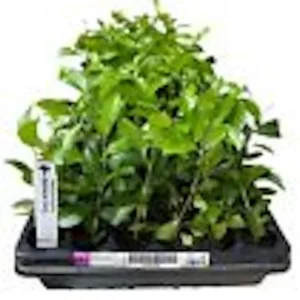
This offering includes a 3-pack of barbados cherry tree live plant starter plants, each meticulously cultivated to ensure a strong beginning for your garden. Each starter plant is typically between 4-8 inches in height upon arrival, ready for transplanting into larger pots or directly into your garden if conditions allow. The plants are shipped in a manner that protects their delicate roots and foliage, ensuring they arrive healthy and vibrant. With proper care, these fast-growing trees can begin fruit production within 1-2 years of planting. They are capable of reaching a mature height of up to 12 feet, but their adaptable nature allows for easy pruning to maintain a smaller, more shrub-like form, making them suitable for various garden sizes and styles. Expect a moderate to fast growth rate, providing continuous interest throughout the seasons.
You must be logged in to post a review.
Sold 82 products
Original price was: $59.98.$29.99Current price is: $29.99.
Sold 55 products
Original price was: $258.98.$129.49Current price is: $129.49.
Sold 54 products
Original price was: $259.78.$129.89Current price is: $129.89.
Sold 62 products
Original price was: $67.98.$33.99Current price is: $33.99.
Sold 73 products
Original price was: $45.98.$22.99Current price is: $22.99.
Sold 53 products
Original price was: $319.98.$159.99Current price is: $159.99.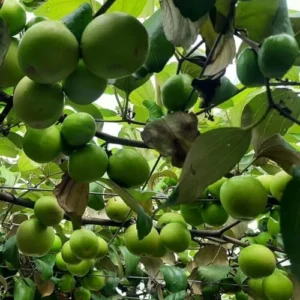
Sold 86 products
Original price was: $359.98.$179.99Current price is: $179.99.
Sold 56 products
Original price was: $319.98.$159.99Current price is: $159.99.
Reviews
There are no reviews yet.