NEED SUPPORT WITH YOUR ORDER? Get in touch
Not satisfied with your purchase?
Enter your Order ID on website, and we'll resolve it right away.
Original price was: $45.99.$29.99Current price is: $29.99.
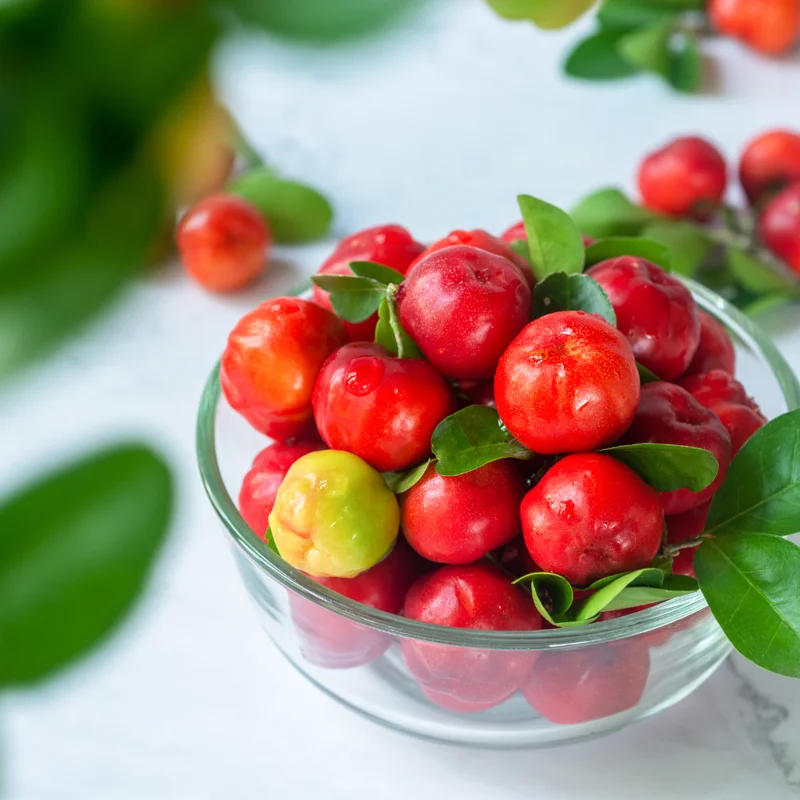
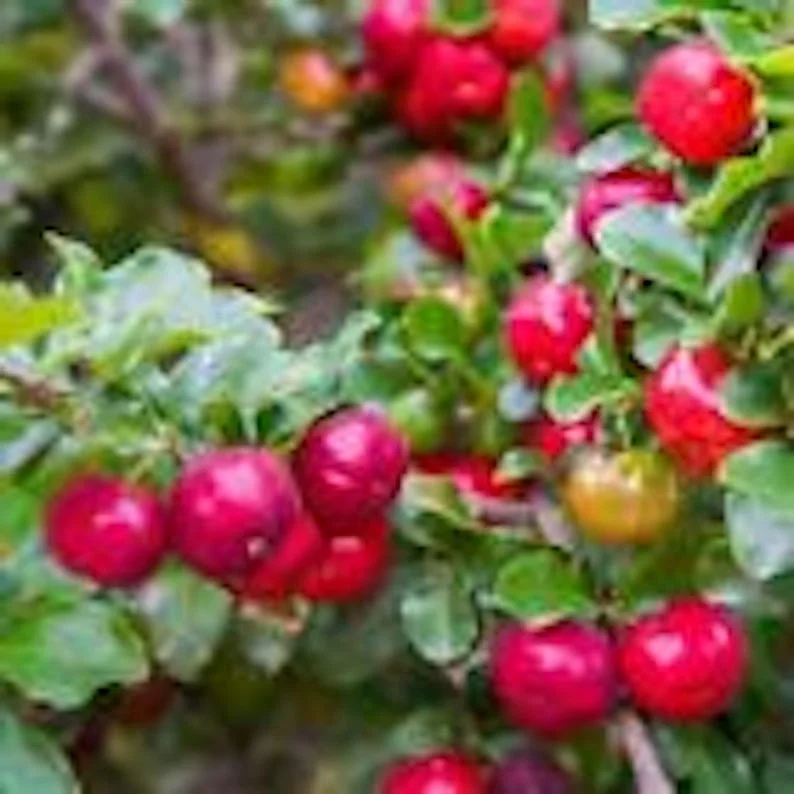
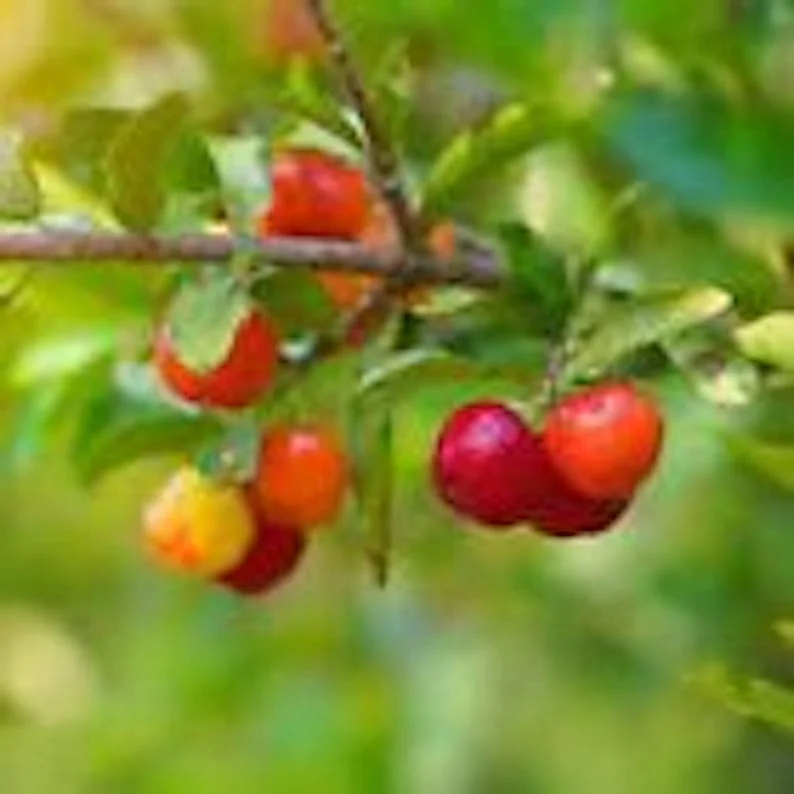
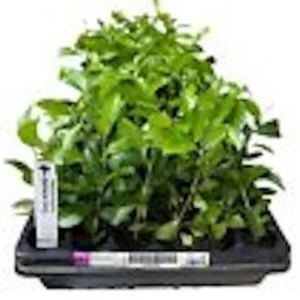
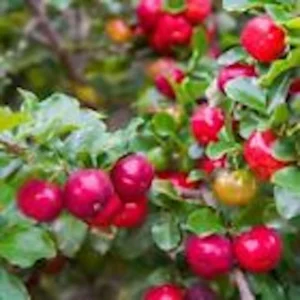
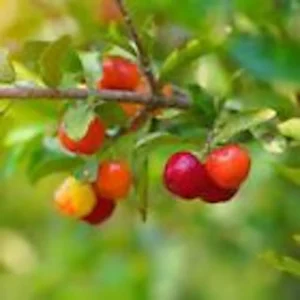
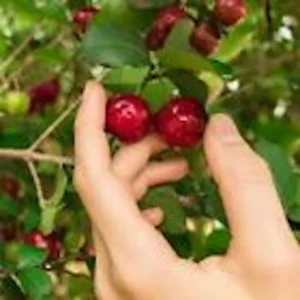
Cultivate your own tropical harvest with this Barbados cherry live plant (Malpighia Emarginata). This live starter plant delivers delicious, vitamin C-rich fruit and attractive pink flowers, making it a perfect addition for fruit enthusiasts and gardeners in warm climates looking for a rewarding homestead perennial plant.
Feb 04
Feb 09 - Feb 11
Feb 14 - Feb 18
USDA Hardiness Zone
Soil Type
Sunlight Exposure
Expected Planting Period
Shipping and return policies: Our Alive & Thrive Guarantee covers issues with your plants within the first 30 days. Get in touch with us via email, and our team will review your concerns and, if necessary, provide you with a one-time replacement at no cost.
If you're unsure about your hardiness zone, feel free to reach out to us. Our team will answer your questions and help you find the plants that are truly suitable for your environment, climate, and personal preferences.
Embark on a rewarding gardening journey with this Barbados cherry live plant, scientifically known as Malpighia Emarginata, also commonly referred to as Acerola. This fantastic addition to any garden, particularly for those in warmer climates, promises both ornamental beauty and a bountiful harvest. As a fast-growing, attractive fruit tree, it can be nurtured into a small tree or maintained as a compact shrub through regular pruning. Enjoy the delicate beauty of its pink flowers and the unparalleled delight of homegrown Barbados cherries, rich in Vitamin C. This live starter plant offers an engaging gardening experience and brings a taste of the tropics directly into your backyard, making it an ideal choice for anyone interested in a productive and beautiful landscape.
The Barbados cherry live plant is a versatile and adaptable specimen, typically reaching a manageable height of about 12 feet when mature, which is suitable for most home gardens. Its evergreen leaves ensure year-round greenery, providing continuous visual appeal. The charming pink flowers bloom profusely from spring through fall, and in exceptionally warm climates, they can even appear year-round, often triggered by rain or irrigation. Harvesting your own Barbados cherries is an incredibly satisfying experience, offering a fresh, juicy, and healthy fruit supply right from your garden. This remarkable tree truly embodies the spirit of a homestead perennial plant, providing continuous bounty and beauty for years to come.
Adding a Barbados cherry live plant to your garden offers a multitude of advantages, blending aesthetic appeal with practical benefits. It’s a plant that consistently gives back, enriching both your landscape and your diet.
Proper Malpighia emarginata care is essential for a thriving and productive Barbados cherry live plant. These trees prefer warm climates and thrive with consistent attention to their basic needs. They perform best in full sun, requiring at least 6-8 hours of direct sunlight daily to encourage robust growth and abundant fruiting. While they can tolerate some partial shade, their fruit production may decrease. Ensure your tree is planted in a location that receives ample light throughout the day. When considering where to plant, remember that this tree is a true tropical perennial and will not tolerate frost.
Watering is crucial, especially during dry periods and for newly established plants. The Barbados cherry live plant prefers consistently moist, but not waterlogged, soil. Water deeply when the top inch of soil feels dry to the touch. Reduce watering slightly during cooler months or if the plant is dormant. Well-draining soil is paramount to prevent root rot; a sandy loam or a rich, well-drained potting mix is ideal. Fertilize your tree with a balanced, slow-release fertilizer during the growing season (spring through fall) to support its vigorous growth and fruit development. Regular pruning can help maintain its shape, encourage bushier growth, and improve air circulation, which is beneficial for overall plant health.
The Acerola fruit tree is generally resilient, but watch out for common garden pests like aphids or scale insects. These can usually be managed with organic insecticidal soaps or neem oil. Ensure good air circulation around the plant to prevent fungal diseases. For those interested in growing Barbados cherries, understanding these simple care tips will lead to a healthy and productive tree that yields delicious fruit year after year. Protection from strong winds can also be beneficial, especially for younger trees, to prevent damage to branches and leaves.
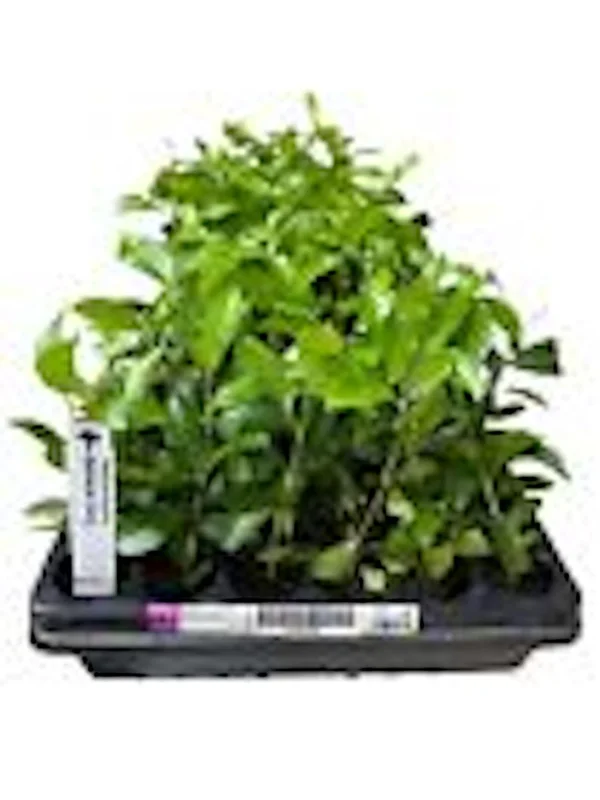
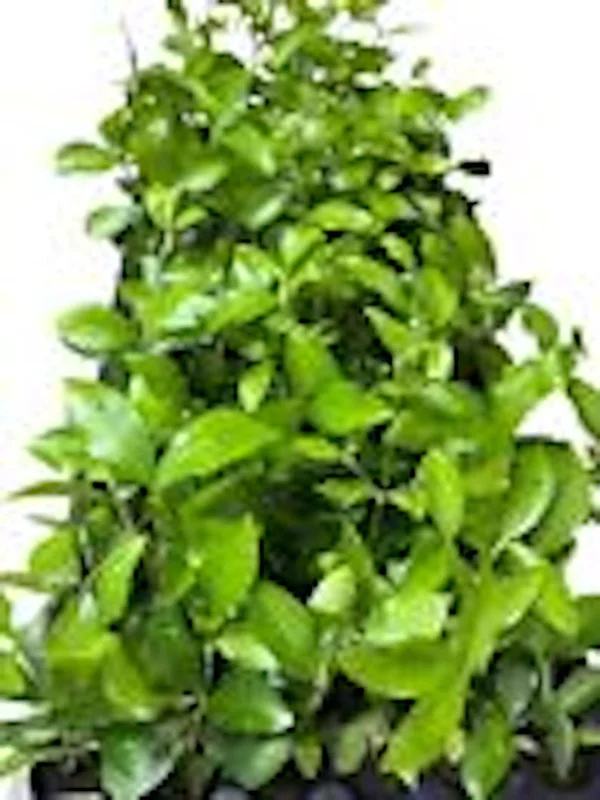
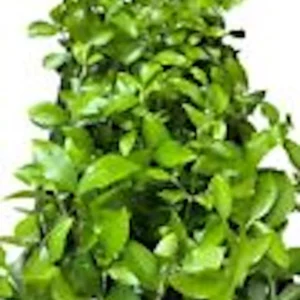
This Barbados cherry live plant is offered as a starter plant, providing a head start compared to growing from seed. While initial size may vary, it is a healthy, established specimen ready for transplanting into your garden or a larger pot. The Malpighia Emarginata is known for its relatively fast growth rate, allowing you to enjoy its benefits sooner. Under optimal conditions, this adaptable tree typically reaches a mature height of around 12 feet, but its size can be easily managed with regular pruning to suit your garden space or to maintain it as a shrub. The plant is shipped bare root to ensure safe and efficient delivery, minimizing transplant shock. Expect fruiting to typically occur from May to November, with potential for some winter cherries in exceptionally warm climates.
You must be logged in to post a review.
Sold 64 products
Original price was: $49.99.$34.99Current price is: $34.99.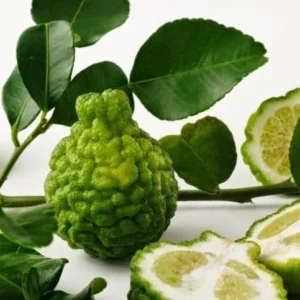
Fruits
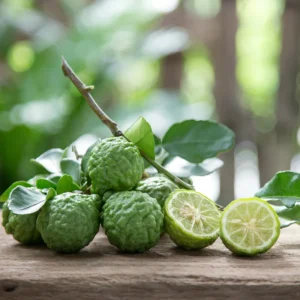
Kaffir Lime Starter Plug – Kaffir Lime Citrus Fruit Plants-Lemon Tree 2-3 Inch Live Plant Seedling
Sold 99 products
Original price was: $68.99.$47.99Current price is: $47.99.
Sold 53 products
Original price was: $55.98.$27.99Current price is: $27.99.
Sold 91 products
Original price was: $57.98.$28.99Current price is: $28.99.
Sold 72 products
Original price was: $73.98.$36.99Current price is: $36.99.
Sold 52 products
Original price was: $89.99.$57.99Current price is: $57.99.
Sold 59 products
Original price was: $38.80.$19.40Current price is: $19.40.
Sold 64 products
Original price was: $78.99.$48.99Current price is: $48.99.
Reviews
There are no reviews yet.