NEED SUPPORT WITH YOUR ORDER? Get in touch
Not satisfied with your purchase?
Enter your Order ID on website, and we'll resolve it right away.

Original price was: $41.58.$19.99Current price is: $19.99.
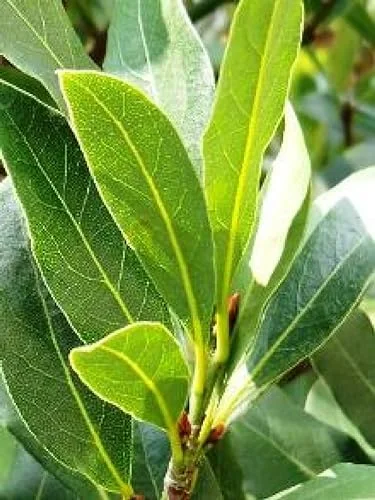
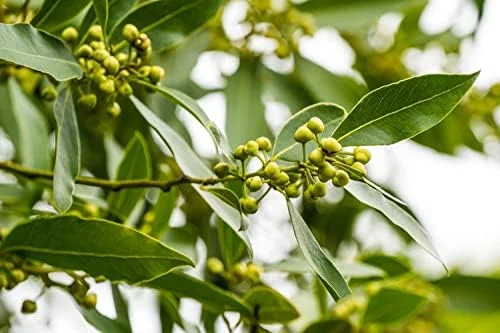
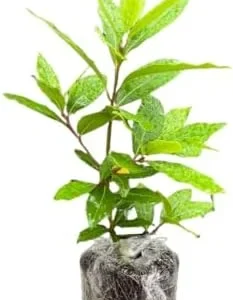
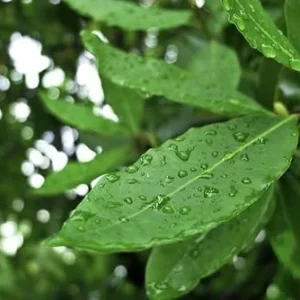
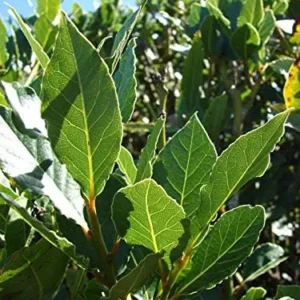
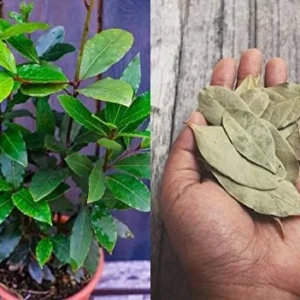
Cultivate your own aromatic herbs with this versatile bay leaf live plant (Laurus nobilis). Ideal for culinary use, this Laurus nobilis tree adds beauty and fragrance to any home or garden. Thrives indoors or out, bringing Mediterranean charm to your space.
Feb 04
Feb 09 - Feb 11
Feb 14 - Feb 18
USDA Hardiness Zone
Soil Type
Sunlight Exposure
Expected Planting Period
Shipping and return policies: Our Alive & Thrive Guarantee covers issues with your plants within the first 30 days. Get in touch with us via email, and our team will review your concerns and, if necessary, provide you with a one-time replacement at no cost.
If you're unsure about your hardiness zone, feel free to reach out to us. Our team will answer your questions and help you find the plants that are truly suitable for your environment, climate, and personal preferences.
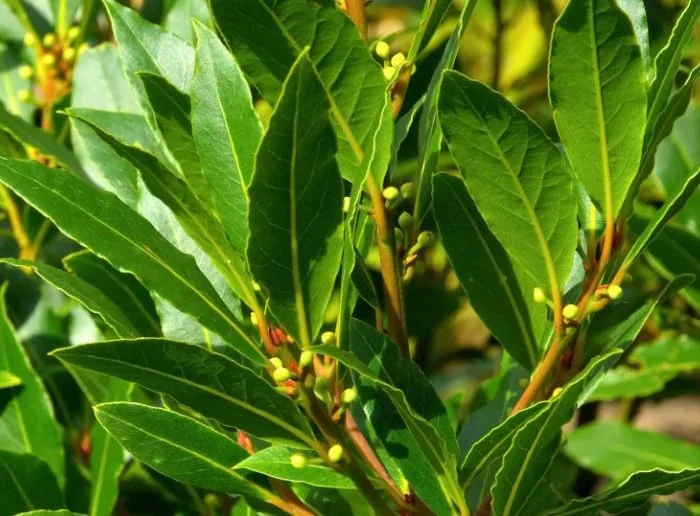
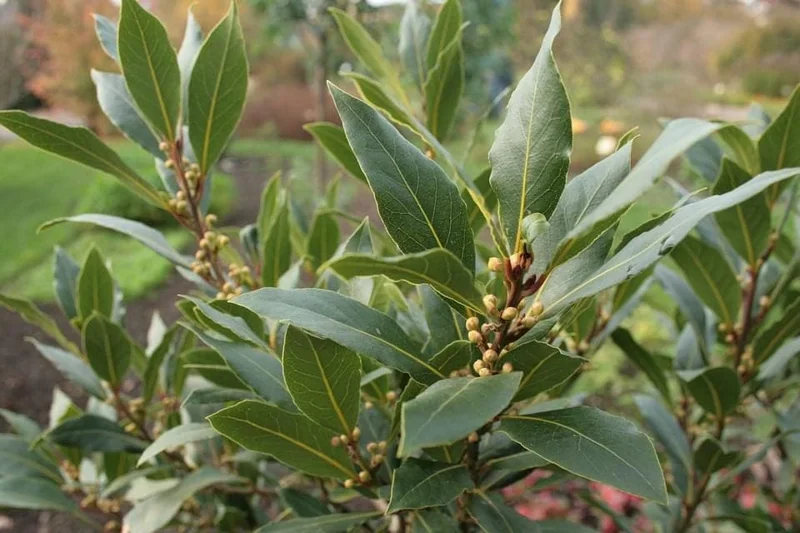
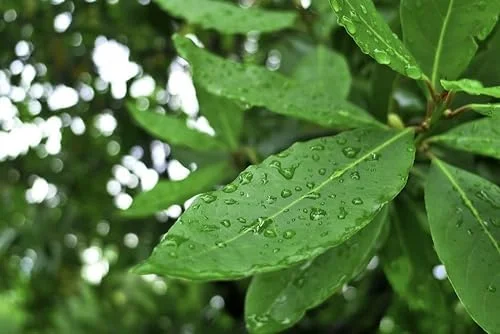
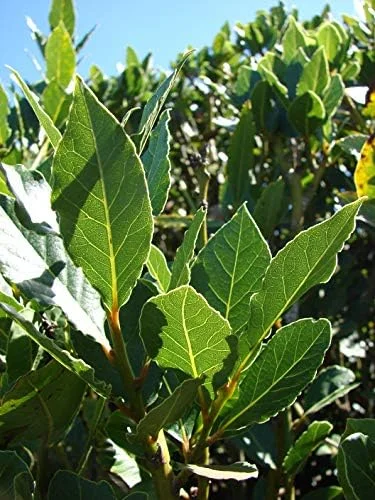
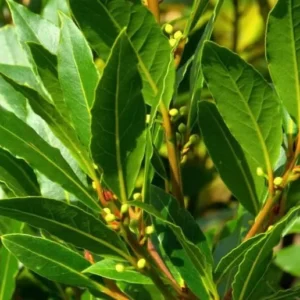
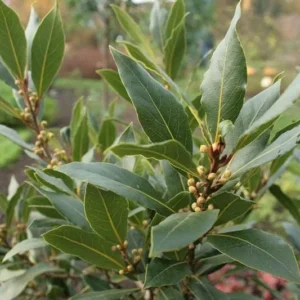
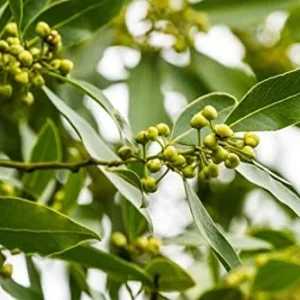
Transform your kitchen and garden with a beautiful bay leaf live plant, scientifically known as Laurus nobilis. This fragrant herb tree, also commonly called Sweet Bay Laurel, is a classic addition prized for both its culinary and ornamental qualities. Imagine the delight of harvesting fresh bay leaves to infuse your favorite dishes with a rich, aromatic flavor. This slow-growing and hardy plant is remarkably easy to care for, making it an excellent choice for both novice and experienced gardeners. With its lush green, evergreen foliage and distinctive aroma, the bay leaf live plant brings a touch of Mediterranean elegance and functionality to any setting, whether it’s a spacious garden, a cozy patio, or even a sunny windowsill.
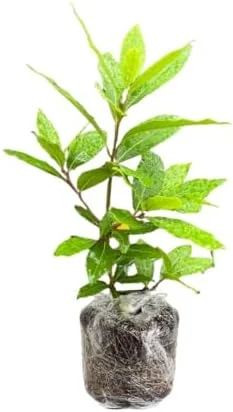
The Laurus nobilis tree offers a unique blend of practicality and aesthetic appeal. It’s particularly well-suited for growing as an indoor houseplant in cooler climates, allowing you to enjoy its benefits year-round. This specimen arrives at a convenient 5-9 inches tall, ready to thrive in a pot, patio container, or integrated into your garden landscape. Beyond its immediate charm, growing your own bay leaf provides a rewarding connection to nature and the satisfaction of fresh, home-grown ingredients.
The bay leaf live plant offers a multitude of benefits, enhancing both your culinary endeavors and your living space with its natural beauty and fragrance. Cultivating this versatile herb is a rewarding experience for any plant enthusiast.
Providing proper bay leaf plant care ensures your Laurus nobilis thrives and produces abundant aromatic leaves. The key to a healthy plant lies in understanding its fundamental needs for sunlight, water, and soil. This resilient plant is generally forgiving, making it a joy to cultivate for both beginners and seasoned gardeners.
For sunlight, bay leaf live plant thrives in full sun to partial shade. If growing indoors, place it near a bright, south-facing window where it can receive at least 4-6 hours of direct sunlight daily. Outdoors, choose a spot that gets morning sun and some afternoon shade, especially in hotter climates, to prevent leaf scorch. Watering should be regular; allow the top inch or two of soil to dry out slightly between waterings. Overwatering can lead to root rot, so ensure good drainage. In containers, water until it drains from the bottom. Reduce watering frequency in winter months when growth slows.
When it comes to soil, a well-draining potting mix is ideal for container-grown plants. For garden planting, ensure your soil is well-amended and drains efficiently. Bay leaf plants prefer a slightly acidic to neutral soil pH. The USDA Hardiness Zones for the Laurus nobilis tree are 8-11, meaning it can withstand mild winters outdoors. In colder zones, it’s best to grow it in a container and bring it indoors before the first frost. Fertilize sparingly during the growing season (spring and summer) with a balanced liquid fertilizer, following product instructions. Pruning can be done to maintain shape and size, and to encourage bushier growth, ensuring a continuous supply of fresh leaves for your culinary needs. Understanding these aspects of bay leaf plant care will lead to a thriving and productive plant.
This bay leaf live plant arrives at a healthy size of 5-9 inches tall, measured from the base of the pot to the top of the foliage, making it perfectly sized for immediate integration into your home or garden. It is shipped as a young, actively growing plant, carefully nurtured to ensure it arrives healthy and ready to establish in its new environment. The plant is typically grown in a nursery pot, ensuring its root system is intact and protected during transit. This early stage of growth allows you to shape and train the plant as it matures, whether you envision it as a compact shrub or a larger tree.
The Laurus nobilis tree is known for its slow to moderate growth rate. When planted in a container, it typically reaches a mature height of 6-12 feet, making it an excellent choice for patios or indoor spaces. If planted directly in the ground in suitable climates (USDA Zones 8-11), it can grow significantly larger, potentially reaching up to 30 feet tall, forming an impressive evergreen specimen. Its evergreen nature ensures year-round foliage, providing consistent beauty and a steady supply of fresh leaves. The plant’s versatility in size makes it adaptable to various landscape designs and indoor living arrangements, allowing you to enjoy the benefits of sweet bay laurel uses for many years.
You must be logged in to post a review.
Sold 83 products
Original price was: $45.98.$22.99Current price is: $22.99.
Sold 50 products
Original price was: $59.40.$29.70Current price is: $29.70.
Sold 52 products
Original price was: $65.98.$32.99Current price is: $32.99.
Sold 72 products
Original price was: $59.78.$29.89Current price is: $29.89.
Sold 69 products
Original price was: $35.98.$17.99Current price is: $17.99.
Sold 87 products
Original price was: $59.98.$29.99Current price is: $29.99.
Sold 91 products
Original price was: $45.98.$22.99Current price is: $22.99.
Sold 64 products
Original price was: $39.94.$19.97Current price is: $19.97.
Reviews
There are no reviews yet.