NEED SUPPORT WITH YOUR ORDER? Get in touch
Not satisfied with your purchase?
Enter your Order ID on website, and we'll resolve it right away.

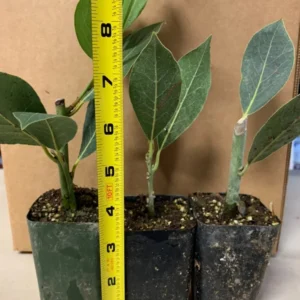
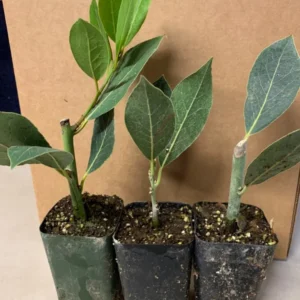
Original price was: $112.99.$72.99Current price is: $72.99.
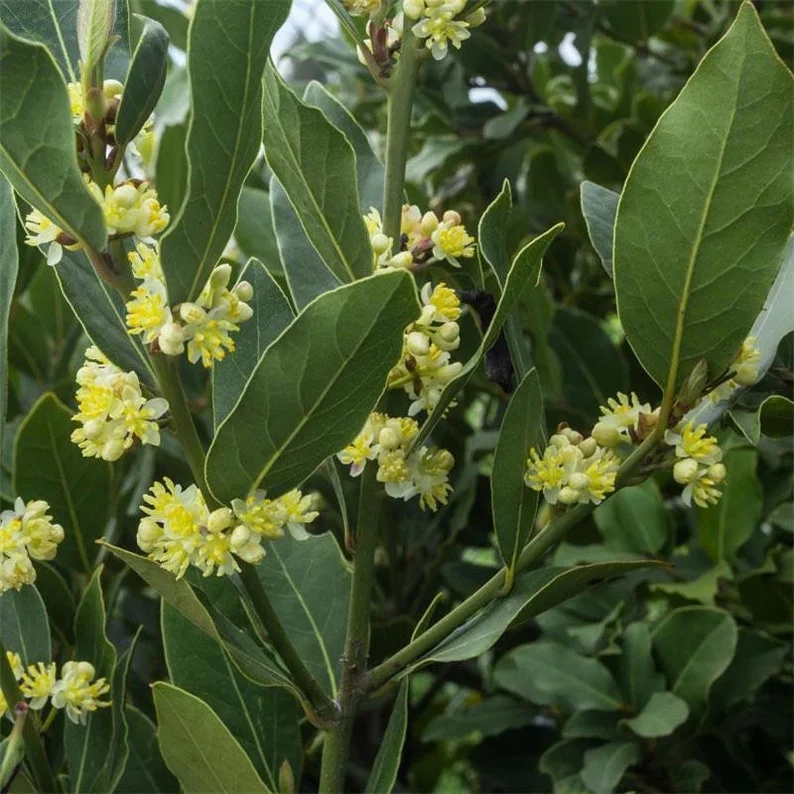
Cultivate your own aromatic bay leaves with this bay leaf live plant 6-pack. These Laurus nobilis plant specimens are perfect for adding fresh, peppery flavor to your dishes. Enjoy both ornamental beauty and culinary usefulness from these easy-to-grow culinary herb plants, suitable for containers or garden beds.
Mar 03
Mar 08 - Mar 10
Mar 13 - Mar 17
USDA Hardiness Zone
Soil Type
Sunlight Exposure
Expected Planting Period
Shipping and return policies: Our Alive & Thrive Guarantee covers issues with your plants within the first 30 days. Get in touch with us via email, and our team will review your concerns and, if necessary, provide you with a one-time replacement at no cost.
If you're unsure about your hardiness zone, feel free to reach out to us. Our team will answer your questions and help you find the plants that are truly suitable for your environment, climate, and personal preferences.
Experience the joy of homegrown herbs with this 6-pack of bay leaf live plant specimens. Scientifically known as Laurus nobilis plant, these Mediterranean natives are a fantastic addition to any kitchen garden or patio. Often called bay laurel, this plant offers both attractive foliage and essential culinary leaves, making it a truly versatile choice for gardeners and home cooks alike. With this convenient 6-pack, you’ll have a consistent supply of fresh bay leaves, ready to infuse your favorite recipes with their distinctive earthy and peppery flavor. These plants are fully rooted and eager to thrive, whether you choose to grow bay leaves indoors in containers or outdoors in your garden.
The bay leaf live plant is renowned for its ease of care and adaptability. It’s an excellent choice for those looking to enhance their cooking with fresh, aromatic herbs. Beyond their culinary appeal, these plants also contribute ornamental beauty to your space, with their glossy green leaves. Growing your own bay leaves ensures you have the freshest ingredients at your fingertips, providing an unmatched flavor that elevates any dish. This collection of culinary herb plants is a smart investment for anyone passionate about cooking and gardening.
Growing your own bay leaf live plant offers a wealth of advantages, transforming your culinary and gardening experiences. These plants are more than just an ingredient source; they are a living, breathing enhancement to your home and kitchen.
Caring for your bay leaf live plant is straightforward, ensuring a bountiful supply of fresh leaves. These resilient culinary herb plants thrive with a few key considerations. They prefer full to partial sun, meaning at least 4-6 hours of direct sunlight per day. If growing indoors, place them near a south or west-facing window. In hotter climates, some afternoon shade can prevent leaf scorch. The Laurus nobilis plant is generally hardy in USDA zones 8-11, but can be overwintered indoors in colder regions.
Watering should be regular, allowing the top inch or two of soil to dry out between waterings. Ensure good drainage to prevent root rot, as bay laurels do not like soggy feet. A well-draining potting mix is essential if growing in containers. Fertilize sparingly during the growing season (spring and summer) with a balanced liquid fertilizer. Pruning is beneficial to maintain shape and size, especially if you wish to keep the plant compact for container growth or as a hedge. Without pruning, it can grow quite large. Regularly inspect your plants for pests and diseases, though bay laurels are generally quite resistant. To ensure optimal growth, it is recommended to transplant your bay leaf plant care into a larger pot (at least 1-gallon) within 3 months of receiving it, providing ample space for root development.
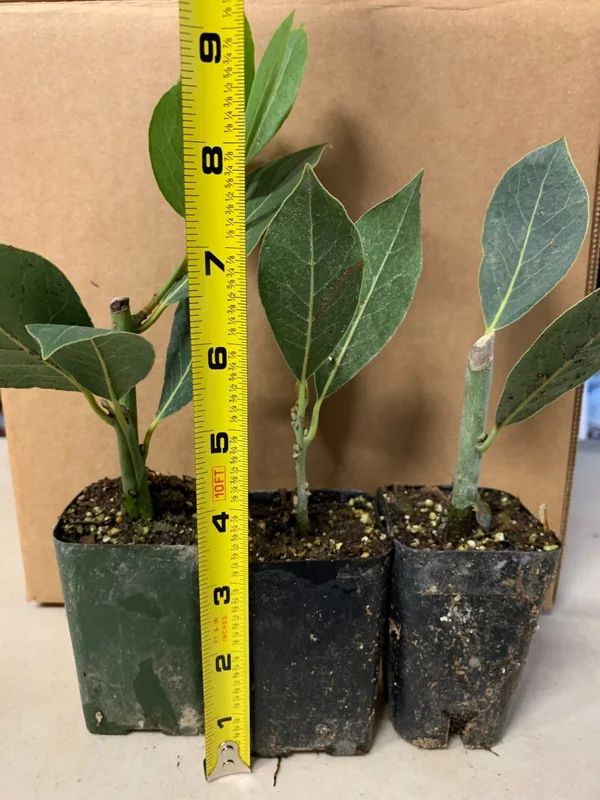
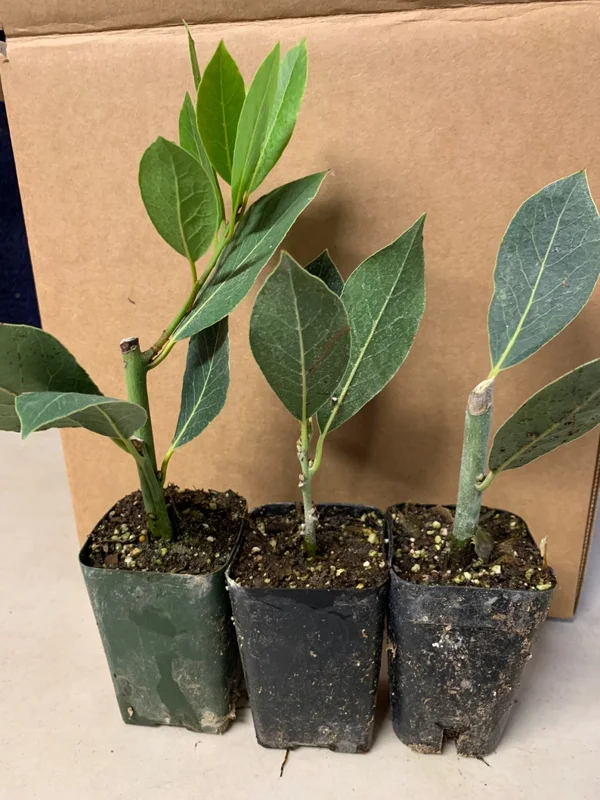
This offering includes a 6-pack of bay leaf live plant specimens, each fully rooted and ready for transplanting into your garden or preferred containers. The exact size and shape of the plants will vary depending on the season and growth stage, but they are robust and healthy, prepared to establish quickly. Typically, these young plants are shipped in nursery pots, ensuring their roots are protected during transit. With proper care and pruning, a Laurus nobilis plant can be maintained at a manageable size for container growing, often reaching 3-6 feet tall and wide. If allowed to grow naturally in ideal conditions, it can mature into a small tree, potentially reaching up to 23 feet, providing an abundant source for you to grow bay leaves.
The growth rate is moderate, allowing you to enjoy fresh leaves relatively soon after planting. These plants are ideal for creating a permanent herb garden feature, either as individual specimens or as part of a larger edible landscape. The versatility in size management makes them suitable for various garden designs and living situations, from small patios to extensive garden beds. Each plant contributes to a consistent supply of fresh, aromatic leaves for all your culinary adventures.
You must be logged in to post a review.
Sold 95 products
Original price was: $65.98.$32.99Current price is: $32.99.
Sold 93 products
Original price was: $47.98.$23.99Current price is: $23.99.
Sold 58 products
Original price was: $13.70.$6.85Current price is: $6.85.
Sold 90 products
Original price was: $87.98.$43.99Current price is: $43.99.
Sold 95 products
Original price was: $43.98.$21.99Current price is: $21.99.
Sold 65 products
Original price was: $71.98.$35.99Current price is: $35.99.
Sold 93 products
Original price was: $51.98.$25.99Current price is: $25.99.
Sold 63 products
Original price was: $35.98.$17.99Current price is: $17.99.
Reviews
There are no reviews yet.