NEED SUPPORT WITH YOUR ORDER? Get in touch
Not satisfied with your purchase?
Enter your Order ID on website, and we'll resolve it right away.



Original price was: $45.90.$22.94Current price is: $22.94.
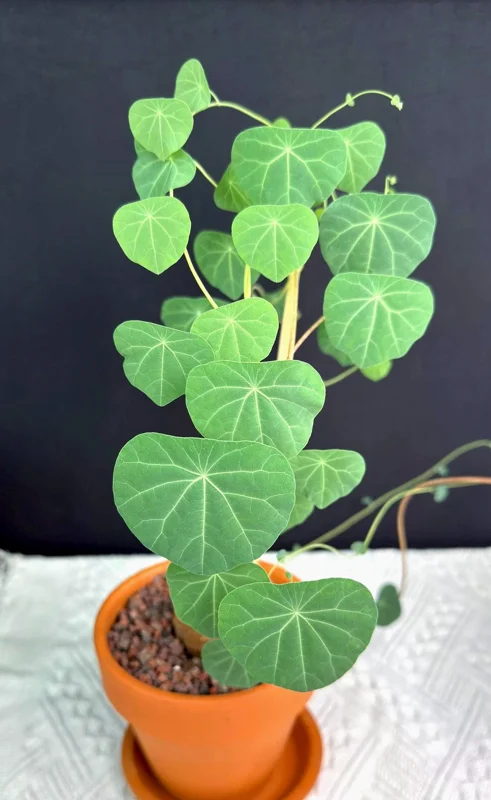
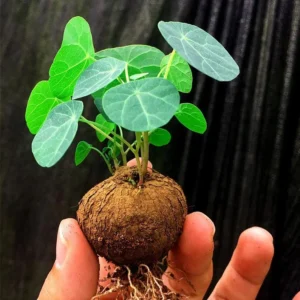
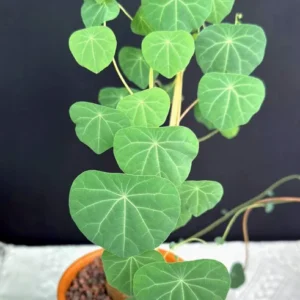
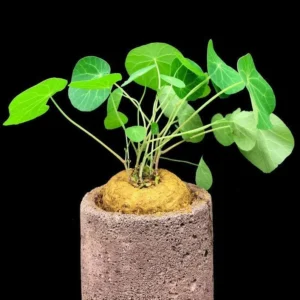
Introduce the captivating stephania cepharantha caudex to your collection. This rare vining succulent features a prominent 2.5-3 inch bulb, perfect for adding unique aesthetic value to any indoor space.
Feb 04
Feb 09 - Feb 11
Feb 14 - Feb 18
USDA Hardiness Zone
Soil Type
Sunlight Exposure
Expected Planting Period
Shipping and return policies: Our Alive & Thrive Guarantee covers issues with your plants within the first 30 days. Get in touch with us via email, and our team will review your concerns and, if necessary, provide you with a one-time replacement at no cost.
If you're unsure about your hardiness zone, feel free to reach out to us. Our team will answer your questions and help you find the plants that are truly suitable for your environment, climate, and personal preferences.
Unveil the allure of the stephania cepharantha caudex, an extraordinary live plant cherished by succulent enthusiasts and collectors alike. Also known as Stephania Cepharantha, this vining succulent is celebrated for its distinctive bulbous base, or caudex, which typically measures between 2.5 to 3 inches in diameter. Each plant is a living sculpture, offering a unique visual appeal that stands out in any indoor garden. Unlike many plants, the stephania cepharantha caudex focuses its energy on developing its stunning climbing vine, often growing without prominent leaves, which adds to its intriguing and minimalist charm. This makes it a truly unique succulent bulb, ideal for those seeking something beyond the ordinary.
Originating from tropical regions, this rare succulent brings a touch of exotic elegance to your home. Its captivating form and growth habit make it a fantastic conversation starter and a focal point in any plant display. Whether you are a seasoned succulent collector or a curious beginner, the stephania cepharantha caudex offers an engaging and rewarding growing experience, transforming your space with its natural artistry.
Owning a Stephania Cepharantha offers a plethora of benefits, enriching your living space with its unique presence and fascinating growth. This rare vining succulent is more than just a plant; it’s a living piece of art.
Caring for your stephania cepharantha caudex is a rewarding experience that requires understanding its specific needs to ensure its thriving health. This rare vining succulent prefers bright, indirect light. Place it near a window where it receives ample light but is shielded from harsh, direct afternoon sun, which can scorch its delicate caudex. An east or north-facing window is often ideal. If natural light is insufficient, a grow light can supplement its needs, ensuring consistent growth and vitality for your indoor caudex plant.
Watering is crucial for the Stephania Cepharantha. It requires well-drained soil that retains some moisture but never stays waterlogged. Allow the soil to dry out completely between waterings. Overwatering is the most common cause of caudex rot, so err on the side of underwatering. During its dormant period, typically in winter when it may drop its leaves, reduce watering significantly. When watering, ensure the pot has drainage holes to prevent water accumulation. For soil, a cactus or succulent mix amended with extra perlite or pumice provides the ideal drainage. The plant thrives in warm temperatures, ideally between 65-80°F (18-27°C), and can tolerate slightly cooler temperatures but should be protected from frost. It is generally suited for USDA Hardiness Zones 10-11 if grown outdoors, but it is best cultivated as an indoor plant in most regions.
Fertilization should be minimal. During the growing season (spring and summer), you can feed it with a diluted balanced liquid fertilizer once a month. Avoid fertilizing during dormancy. Pruning is generally not necessary for the stephania cepharantha care, but you can trim back excessive vines to maintain shape or encourage bushier growth. Watch out for common pests like mealybugs or spider mites, which can be treated with insecticidal soap or neem oil. Providing proper ventilation will also help prevent fungal issues. Understanding these aspects of stephania cepharantha care will help your plant flourish beautifully.
This offering is for a live stephania cepharantha caudex plant, featuring a robust and captivating bulbous caudex. Each caudex measures approximately 2.5 to 3 inches in diameter, providing a substantial base for its emerging vines. The plant is typically shipped as a dormant or actively growing caudex, often without leaves, as it focuses its energy on developing its unique climbing vine. Upon arrival, the plant will be ready for potting in your preferred well-draining succulent mix. Expect the delicate vining stems to emerge and grow, adding a dynamic vertical element to your indoor plant display. Growth rate can vary based on environmental conditions, but with optimal care, you will see steady development of its charming foliage and vines. This unique succulent bulb is a truly special botanical specimen.
| Size | 1", 2" |
|---|
You must be logged in to post a review.
Sold 76 products
Original price was: $39.99.$28.99Current price is: $28.99.
Sold 55 products
Original price was: $69.99.$57.99Current price is: $57.99.
Sold 72 products
Original price was: $55.99.$43.99Current price is: $43.99.
Sold 64 products
Original price was: $37.98.$18.99Current price is: $18.99.
Sold 69 products
Original price was: $49.99.$34.99Current price is: $34.99.
Sold 56 products
Original price was: $39.99.$28.99Current price is: $28.99.
Sold 55 products
Original price was: $67.99.$43.99Current price is: $43.99.
Sold 65 products
Original price was: $59.99.$44.99Current price is: $44.99.
Reviews
There are no reviews yet.