NEED SUPPORT WITH YOUR ORDER? Get in touch
Not satisfied with your purchase?
Enter your Order ID on website, and we'll resolve it right away.

Original price was: $77.99.$44.99Current price is: $44.99.
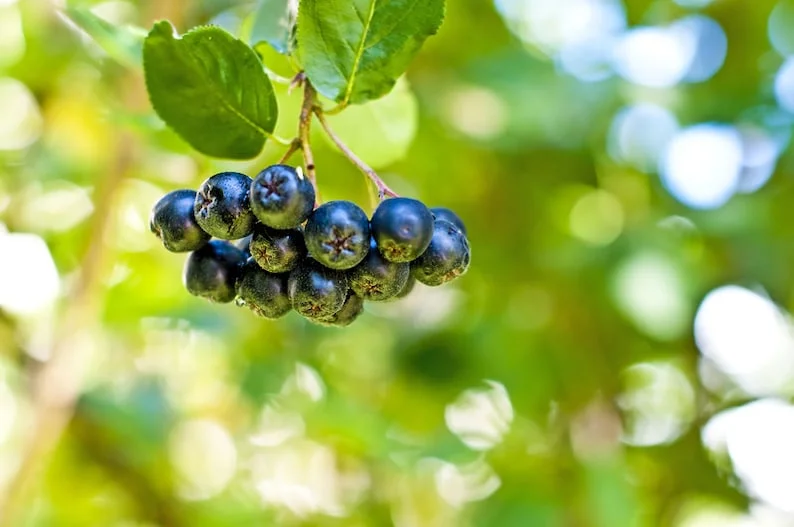
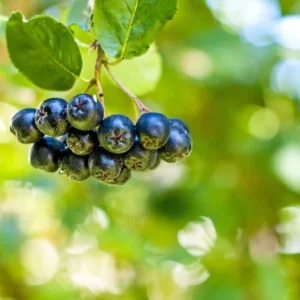
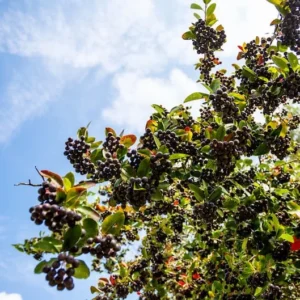
Cultivate a resilient black chokeberry tree (Aronia Melanocarpa) in your garden. This aronia melanocarpa live plant offers delicious edible berries and stunning fall foliage. An easy-to-grow edible fruit tree that thrives in various conditions.
Mar 03
Mar 08 - Mar 10
Mar 13 - Mar 17
USDA Hardiness Zone
Soil Type
Sunlight Exposure
Expected Planting Period
No Shipping To
Shipping and return policies: Our Alive & Thrive Guarantee covers issues with your plants within the first 30 days. Get in touch with us via email, and our team will review your concerns and, if necessary, provide you with a one-time replacement at no cost.
If you're unsure about your hardiness zone, feel free to reach out to us. Our team will answer your questions and help you find the plants that are truly suitable for your environment, climate, and personal preferences.
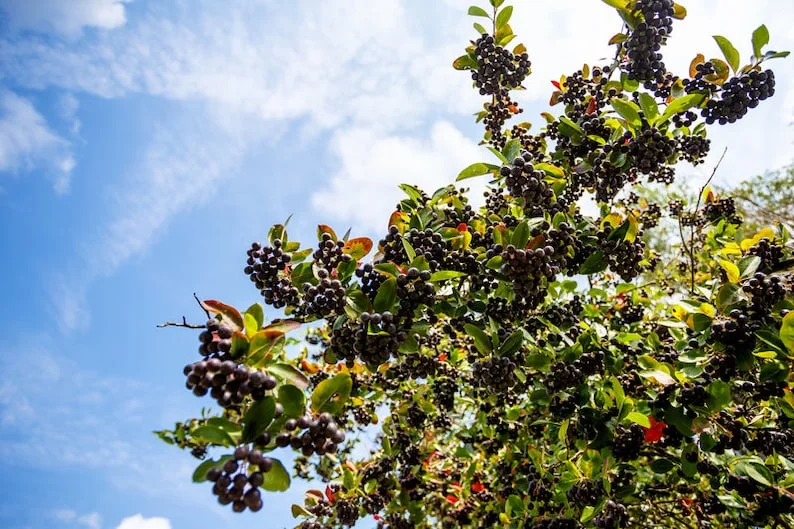
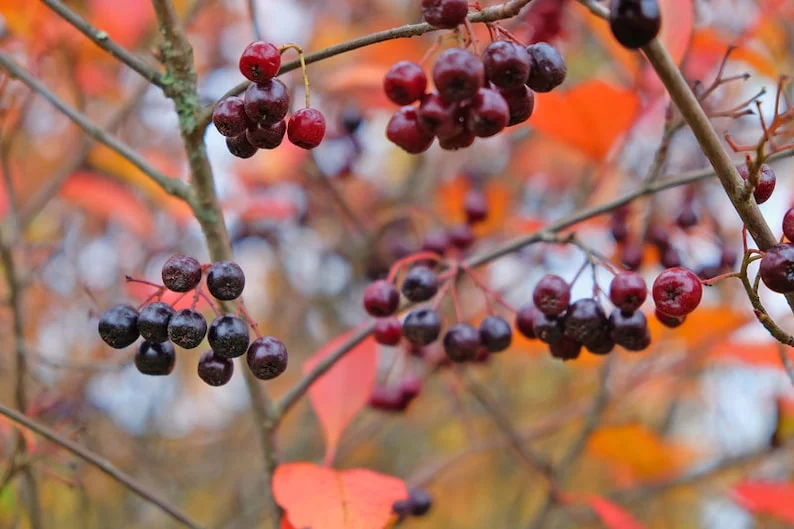
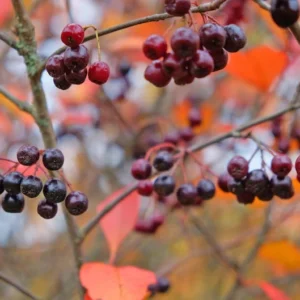
Discover the versatility and beauty of the black chokeberry tree, also known as Aronia Melanocarpa. This remarkable aronia melanocarpa live plant is an excellent choice for gardeners seeking both aesthetic appeal and functional benefits. Native to North America, the black chokeberry tree produces an abundance of dark purple, nutrient-rich berries, making it a highly desirable edible fruit tree. Beyond its delicious harvest, it offers a striking visual display, particularly in the autumn months when its foliage transforms into vibrant shades of red and yellow, adding significant curb appeal as an autumn color tree. Easy to grow and maintain, this plant is suitable for gardeners of all experience levels, providing years of enjoyment with minimal effort.
The Aronia Melanocarpa is a robust and adaptable shrub that can reach up to 6 feet tall at maturity, making it a versatile addition to various garden sizes and designs. Its ability to thrive in a wide range of conditions, from full sun to partial shade and diverse soil types, underscores its resilience. This makes the black chokeberry tree a practical and rewarding choice for enhancing any landscape. Whether you’re interested in its health-boosting berries or its ornamental value, the Aronia Melanocarpa is a superb investment for your outdoor space.
The black chokeberry tree offers a multitude of advantages for your garden and lifestyle. Its unique combination of edible fruit, striking seasonal beauty, and remarkable hardiness makes it a standout choice for any landscape. Cultivating an aronia melanocarpa live plant provides both ecological and personal rewards.
Caring for your black chokeberry tree is straightforward, ensuring a healthy and productive plant for years to come. The Aronia Melanocarpa is renowned for its resilience and adaptability, making chokeberry plant care relatively easy for both novice and experienced gardeners. It thrives in well-draining soil and can tolerate a variety of conditions, from sandy to clay soils, though it prefers slightly acidic to neutral pH. Ensure adequate drainage to prevent root rot, especially in heavier soils. Amend with organic matter if your soil is particularly poor in nutrients.
When it comes to sunlight, the aronia melanocarpa live plant performs best in full sun, which encourages the most abundant berry production and vibrant autumn foliage. However, it is also highly tolerant of partial shade, making it a flexible choice for different garden aspects. Water regularly during its first growing season to help establish a strong root system. Once established, the black chokeberry tree is quite drought-tolerant, requiring less frequent watering, though consistent moisture will lead to better fruit yields. Fertilize annually in early spring with a balanced, slow-release fertilizer to support healthy growth and fruit development.
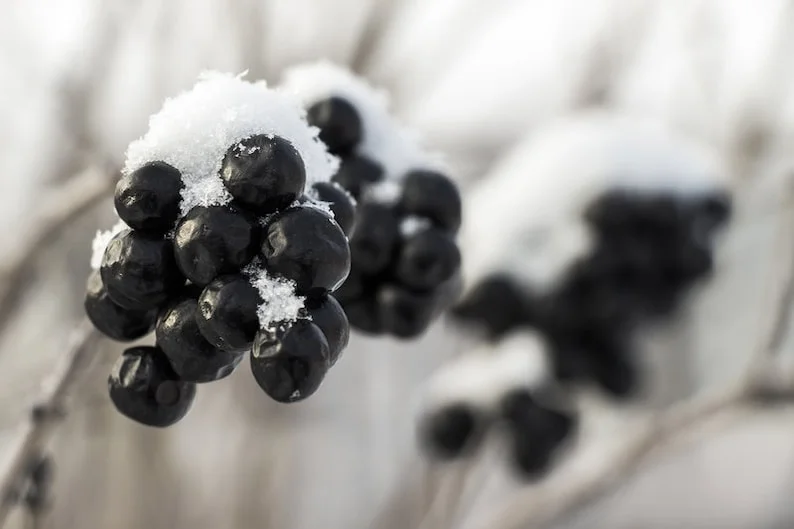
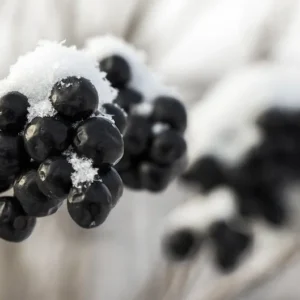
Pruning is generally minimal for the black chokeberry tree. Remove any dead, damaged, or crossing branches in late winter or early spring before new growth begins. You can also prune to maintain a desired shape or size. The Aronia Melanocarpa is hardy in USDA zones 3-10, making it suitable for a wide range of climates. In colder zones, a layer of mulch around the base can provide extra winter protection. Overall, this edible fruit tree is a robust performer, offering delicious fruit and beautiful seasonal interest with minimal fuss.
The black chokeberry tree typically grows to a mature height of approximately 6 feet, with a similar spread, forming a dense, rounded shrub. This moderate size makes it suitable for various garden settings, from small urban spaces to larger landscape designs. The aronia melanocarpa live plant is often shipped as a young, actively growing plant, ready to be transplanted into its permanent location. It exhibits a moderate growth rate, establishing itself well within the first few years and beginning to produce fruit within 1-3 years of planting, depending on its initial size.
The plant’s foliage is a glossy dark green during the spring and summer, providing a lush backdrop for its white to pinkish-white flowers that appear in spring. These blooms give way to the signature dark purple berries that ripen in late summer to early autumn. This autumn color tree is celebrated for its brilliant fall display, adding significant visual appeal to your garden. Plant this resilient and rewarding edible fruit tree to enjoy both its ornamental qualities and its healthy harvest.
You must be logged in to post a review.
Sold 97 products
Original price was: $69.98.$34.99Current price is: $34.99.
Sold 73 products
Original price was: $55.98.$27.99Current price is: $27.99.
Sold 54 products
Original price was: $48.98.$24.49Current price is: $24.49.
Sold 79 products
Original price was: $319.98.$159.99Current price is: $159.99.
Sold 88 products
Original price was: $258.98.$129.49Current price is: $129.49.
Sold 88 products
Original price was: $55.98.$27.99Current price is: $27.99.
Sold 82 products
Original price was: $67.98.$33.99Current price is: $33.99.
Sold 51 products
Original price was: $259.98.$129.99Current price is: $129.99.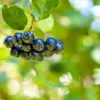
Reviews
There are no reviews yet.