NEED SUPPORT WITH YOUR ORDER? Get in touch
Not satisfied with your purchase?
Enter your Order ID on website, and we'll resolve it right away.

Original price was: $61.99.$41.99Current price is: $41.99.
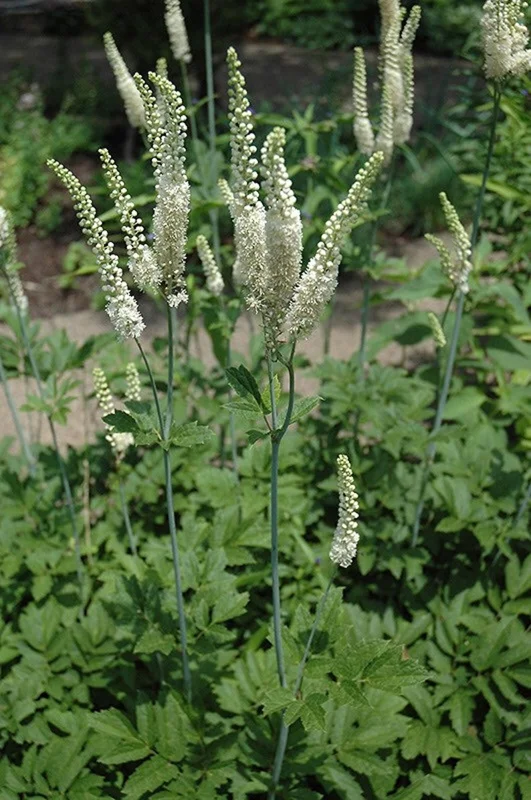
Transform your landscape with black cohosh plants (Actaea Racemosa). This offer includes 20 bare root wildflowers, perfect for creating a naturalized garden. These organically grown native plants thrive in shaded areas, attracting pollinators and adding natural beauty to your outdoor space.
Mar 03
Mar 08 - Mar 10
Mar 13 - Mar 17
USDA Hardiness Zone
Soil Type
Sunlight Exposure
Expected Planting Period
Shipping and return policies: Our Alive & Thrive Guarantee covers issues with your plants within the first 30 days. Get in touch with us via email, and our team will review your concerns and, if necessary, provide you with a one-time replacement at no cost.
If you're unsure about your hardiness zone, feel free to reach out to us. Our team will answer your questions and help you find the plants that are truly suitable for your environment, climate, and personal preferences.
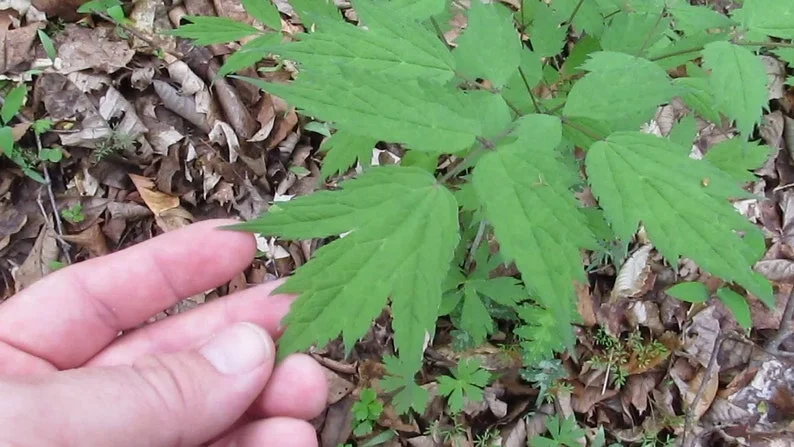
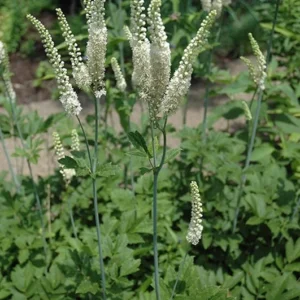
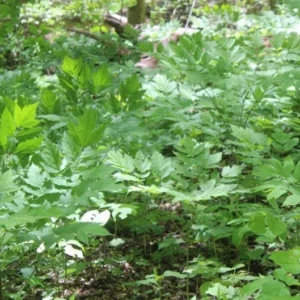
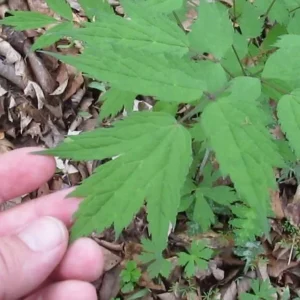
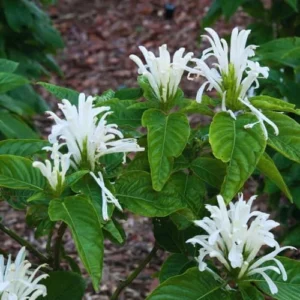
Introduce natural elegance to your garden with these black cohosh plants (Actaea Racemosa). This collection features 20 bare root wildflowers, ready to be transplanted into your outdoor space. Known for their striking white flower spikes and attractive foliage, these native plants are organically grown, ensuring a healthy and vibrant start for your garden. Actaea racemosa bare root specimens are an excellent choice for gardeners looking to create a naturalized aesthetic or enhance a woodland garden. They contribute significantly to local ecosystems by attracting beneficial insects and pollinators, making them a valuable addition for ecological gardening. These robust plants are also traditionally valued for various health and wellness applications, adding another layer of interest to their cultivation.
These majestic perennials are a standout in any shade garden, providing vertical interest and a delicate fragrance. They are a low-maintenance option once established, making them ideal for both novice and experienced gardeners. By choosing these organically grown bare root plants, you are not only enhancing your garden’s beauty but also promoting sustainable gardening practices and biodiversity.
Cultivating black cohosh plants offers a multitude of advantages for your garden and local environment. Their distinctive appearance and ecological benefits make them a highly desirable choice:
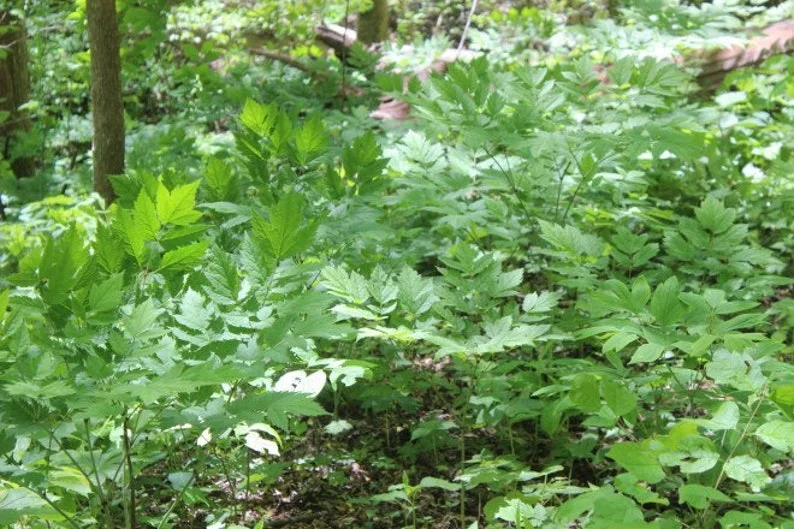
Successful cultivation of black cohosh plants begins with understanding their specific needs, particularly concerning light, soil, and moisture. These native wildflower plants are relatively forgiving once established, but proper initial planting and care will ensure vigorous growth and abundant blooms. They are best suited for USDA Hardiness Zones 3-8, where they can perennialize reliably, offering years of beauty.
When it comes to sunlight, growing black cohosh thrives in partial to full shade. This means they prefer areas that receive 2-6 hours of direct sunlight, preferably in the morning, or dappled light throughout the day. Avoid harsh afternoon sun, which can scorch their delicate foliage. For soil, they prefer moist, well-drained soil rich in organic matter. Amend heavy clay soils with compost to improve drainage and aeration, or sandy soils to enhance water retention. Consistency in moisture is key; the soil should remain consistently moist but not waterlogged. Water regularly, especially during dry periods, to ensure proper hydration, particularly in their first year of establishment. A layer of mulch can help retain soil moisture and regulate soil temperature.
Fertilization is generally not heavily required for these native plants, especially if planted in rich, organic soil. However, a light application of a balanced, slow-release granular fertilizer in early spring can encourage robust growth. Pests and diseases are rarely a significant problem for black cohosh plants, making them a hardy choice. Keep an eye out for slugs or snails in very moist conditions, and use organic controls if necessary. Division can be done in early spring or fall if the clumps become too large or to propagate new plants, though they generally prefer to be left undisturbed once established. With proper care, these plants will grow to their full potential, providing stunning white flower spikes from late summer through fall.
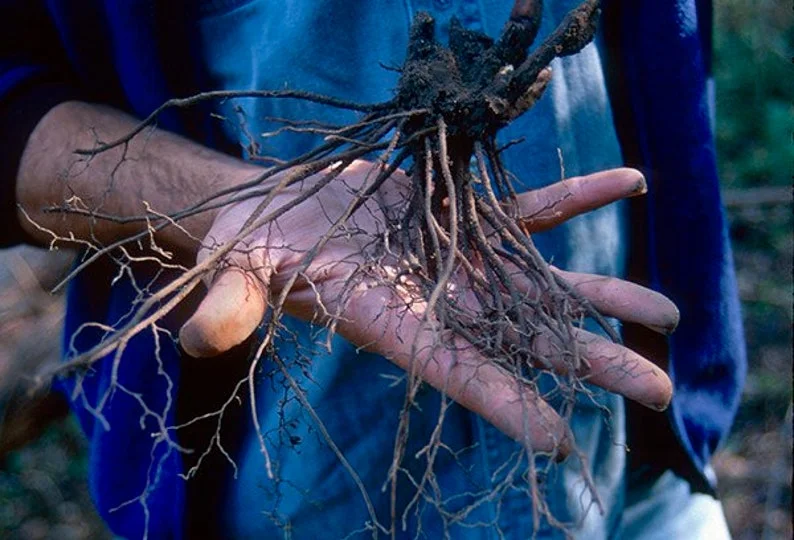
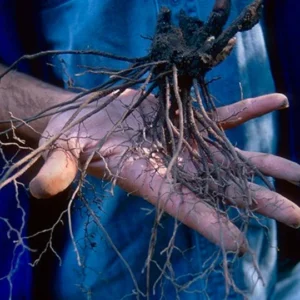
This offering includes 20 bare root wildflowers of Actaea Racemosa, commonly known as black cohosh plants. Bare root plants are shipped without soil or foliage, making them efficient and eco-friendly to transport. These plants typically reach a mature height of 3 to 6 feet, with flower spikes extending even taller, making them a dramatic focal point in a shaded garden. Their spread can be between 2 to 4 feet, forming attractive clumps over time. The root systems are robust and ready for planting upon arrival, ensuring a strong start for your garden additions.
They are best planted in early spring or fall for optimal establishment, allowing the roots to develop before extreme temperatures set in. Once established, these perennials are long-lived and provide consistent beauty year after year. The striking white flower spikes emerge in late summer to early fall, offering a beautiful contrast to the green foliage and extending the blooming season in your landscape. Their growth rate is moderate, reaching their full size within a few seasons under ideal conditions.
You must be logged in to post a review.
Sold 96 products
Original price was: $59.56.$29.78Current price is: $29.78.
Sold 70 products
Original price was: $37.94.$18.97Current price is: $18.97.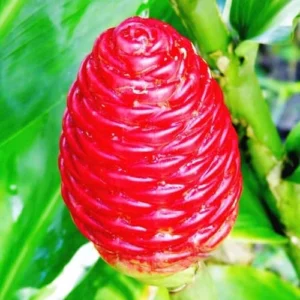
Flower Bulbs
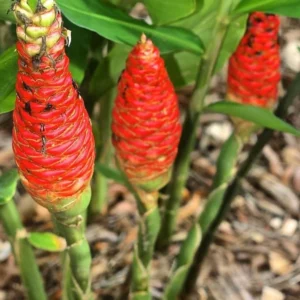
Shampoo Ginger Roots Pack – 10 Awapuhi Zingiber Zerumbet Rhizomes for Perennial Gardens
Sold 76 products
Original price was: $55.98.$27.99Current price is: $27.99.
Sold 89 products
Original price was: $69.98.$34.99Current price is: $34.99.
Sold 92 products
Original price was: $53.98.$26.99Current price is: $26.99.
Sold 80 products
Original price was: $69.98.$34.99Current price is: $34.99.
Sold 53 products
Original price was: $39.68.$19.84Current price is: $19.84.
Sold 86 products
Original price was: $59.96.$29.98Current price is: $29.98.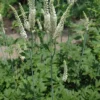
Reviews
There are no reviews yet.