NEED SUPPORT WITH YOUR ORDER? Get in touch
Not satisfied with your purchase?
Enter your Order ID on website, and we'll resolve it right away.
Original price was: $55.78.$30.99Current price is: $30.99.
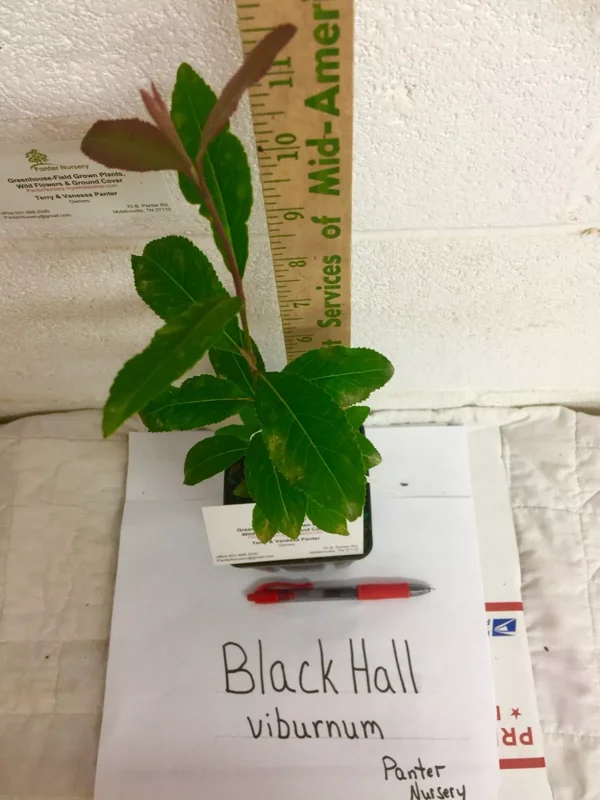
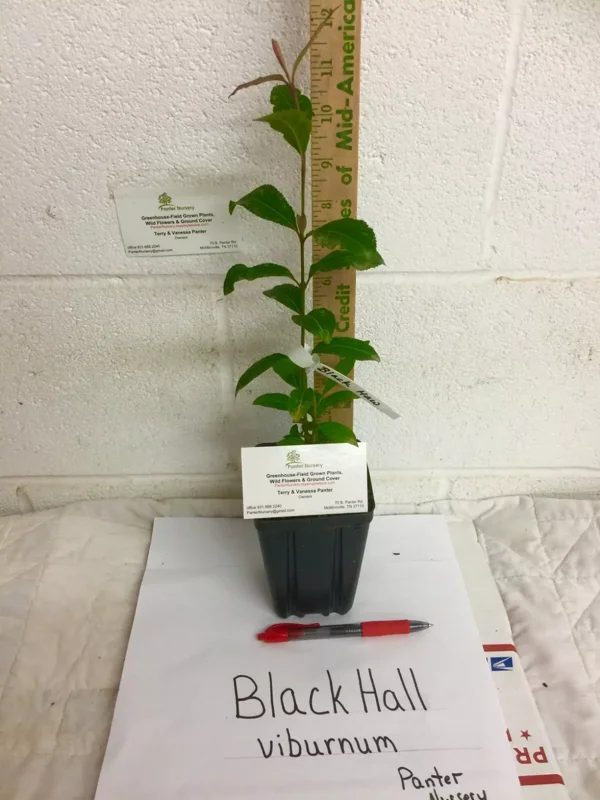
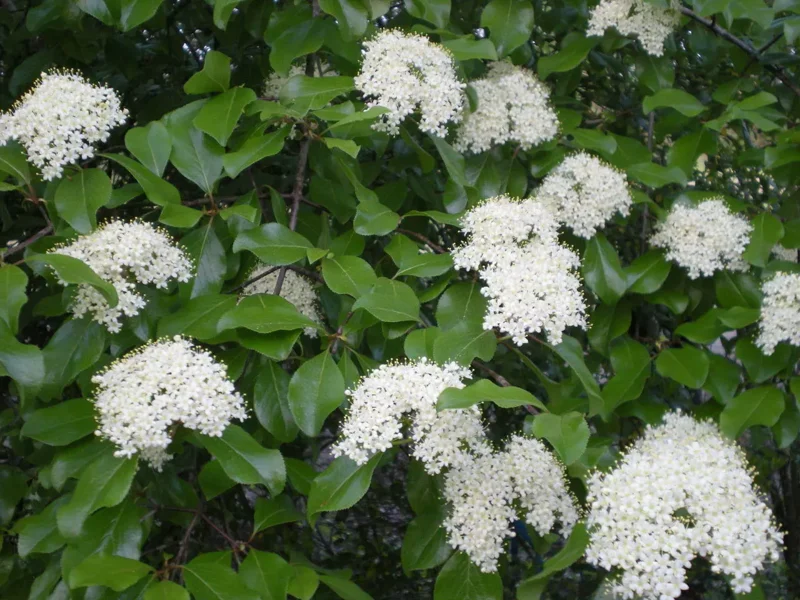
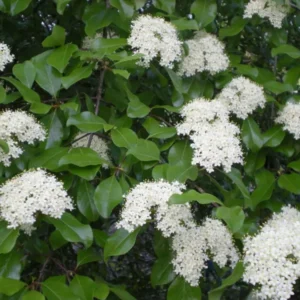
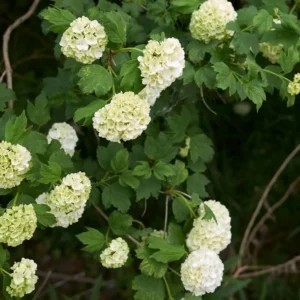
Enhance your garden with the versatile Black Haw Viburnum live plant (Viburnum Prunifolium), a beautiful 6-12 inch shrub known for its seasonal beauty. Enjoy white spring flowers, blue-black berries that attract birds, and vibrant fall foliage, making it a perfect Viburnum Prunifolium shrub for hedges or wildlife habitats.
Feb 04
Feb 09 - Feb 11
Feb 14 - Feb 18
USDA Hardiness Zone
Soil Type
Sunlight Exposure
Expected Planting Period
Shipping and return policies: Our Alive & Thrive Guarantee covers issues with your plants within the first 30 days. Get in touch with us via email, and our team will review your concerns and, if necessary, provide you with a one-time replacement at no cost.
If you're unsure about your hardiness zone, feel free to reach out to us. Our team will answer your questions and help you find the plants that are truly suitable for your environment, climate, and personal preferences.
Introduce year-round beauty and ecological value to your landscape with the Black Haw Viburnum live plant. This exceptional shrub, scientifically known as Viburnum Prunifolium, is a versatile and attractive addition to any garden, offering a dynamic display of seasonal interest. Growing 6-12 inches tall, this young plant is ready to establish itself and flourish in your outdoor space. The Viburnum Prunifolium shrub is celebrated for its rounded, upright growth habit, making it an ideal choice for various landscaping applications, from individual specimen planting to creating dense, tall hedges or natural privacy screens. Its robust nature and aesthetic appeal ensure it becomes a focal point in your garden. As a native viburnum plant, it is well-adapted to local ecosystems and provides significant benefits to wildlife.
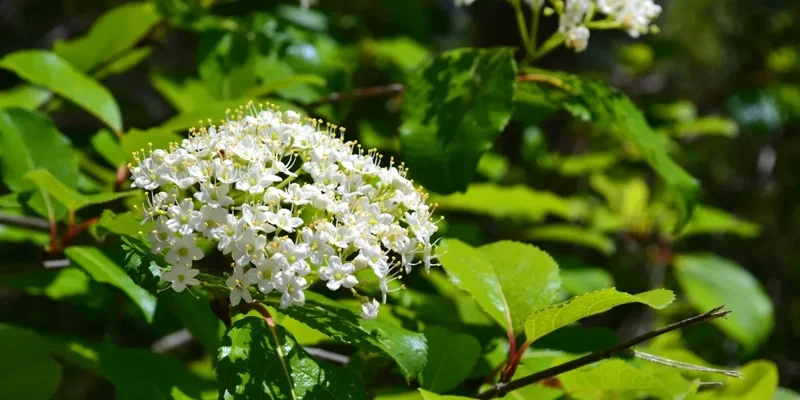
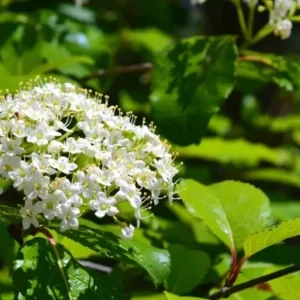
In spring, the Black Haw Viburnum live plant bursts forth with delicate flat white flower clusters, bringing a fresh and vibrant feel to your garden. These blooms are followed by yellow berries that gradually mature into an attractive blue-black hue, providing a crucial food source for birds and even offering fruit that can be used for preserves. Beyond its spring and summer charm, this shrub continues to impress into autumn, when its dark green, finely toothed foliage transforms into stunning red and purple shades, adding dramatic color to your landscape. The ‘perfect’ flowers, containing both male and female parts, are self-fertile, but cross-pollination significantly enhances fruit production, so planting multiple shrubs is recommended for optimal berry yield. This makes the Black Haw Viburnum live plant an outstanding choice for gardeners seeking both beauty and ecological function.
The Black Haw Viburnum live plant offers a multitude of benefits that extend beyond its visual appeal, making it a valuable investment for any garden. Its adaptability, seasonal interest, and ecological contributions make it a standout choice.
Caring for your Black Haw Viburnum live plant is straightforward, ensuring it thrives and provides years of beauty and ecological benefits. This adaptable shrub prefers well-drained soil but can tolerate various soil types, making it quite forgiving. For optimal growth and health, ensure the planting site offers good drainage to prevent root rot. When establishing your Viburnum Prunifolium shrub, consistent watering is crucial, especially during dry spells. Once established, it requires medium watering, meaning the soil should be kept consistently moist but not waterlogged. Its resilience makes Black Haw Viburnum care relatively easy for gardeners of all experience levels.
In terms of sunlight, the native viburnum plant is quite flexible, thriving in partial shade to full sun. It performs best with at least 4-6 hours of direct sunlight per day, which encourages prolific flowering and fruiting. For those in warmer climates or areas with intense afternoon sun, partial shade can help protect the foliage from scorching. The ideal time to plant your Black Haw Viburnum live plant is during spring or fall, allowing the roots to establish themselves before extreme summer heat or winter cold sets in. Fertilization is generally not heavily required, but a balanced slow-release fertilizer in early spring can boost growth and vitality. Pruning can be done to maintain shape or remove dead/damaged branches, typically after flowering. This helps ensure a healthy and attractive Viburnum Prunifolium shrub.
The Black Haw Viburnum care routine is minimal, making it an excellent choice for a low-maintenance landscape. While generally robust, keep an eye out for common plant pests or diseases, though viburnums are typically quite resistant. Ensuring proper air circulation and avoiding overhead watering can help prevent fungal issues. This hardy shrub is suitable for USDA Zones 3-9, indicating its ability to withstand significant temperature variations. Its adaptability to different light and soil conditions solidifies its reputation as a resilient and easy-to-grow species, perfect for those looking for a beautiful and wildlife friendly viburnum that requires minimal fuss.
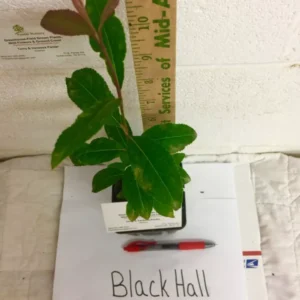
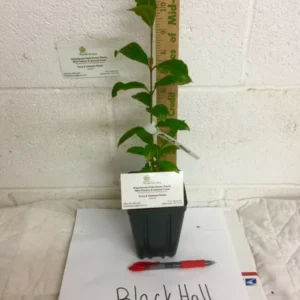
This offering is for a Black Haw Viburnum live plant, typically standing 6-12 inches tall upon arrival, providing a healthy start for your garden. At maturity, the Viburnum Prunifolium shrub can reach an impressive height of 12-15 feet with a spread of approximately 5 feet, creating a substantial and eye-catching presence in your landscape. This allows it to serve effectively as a significant specimen plant, a robust hedge, or a natural screening element. Its relatively fast growth rate means you won’t have to wait long to see its full potential.
The plant will arrive in a nursery pot, ready for transplanting into your garden or a larger container. The ‘perfect’ flowers of this native viburnum plant contain both male and female parts, making it self-fertile, though cross-pollination with another Black Haw Viburnum live plant is recommended to enhance fruit production. Expect to see the characteristic white flower clusters in spring, followed by berries that ripen from yellow to a beautiful blue-black, providing a continuous display of seasonal interest and food for local wildlife. This size makes it easy to handle and establish, offering a great foundation for a thriving wildlife friendly viburnum in your yard.
You must be logged in to post a review.
Sold 65 products
Original price was: $76.99.$46.99Current price is: $46.99.
Sold 56 products
Original price was: $45.96.$22.98Current price is: $22.98.
Sold 55 products
Original price was: $74.99.$44.99Current price is: $44.99.
Sold 70 products
Original price was: $53.98.$26.99Current price is: $26.99.
Sold 88 products
Original price was: $64.99.$44.99Current price is: $44.99.
Sold 71 products
Original price was: $70.99.$40.99Current price is: $40.99.
Sold 99 products
Original price was: $70.99.$40.99Current price is: $40.99.
Sold 100 products
Original price was: $70.99.$40.99Current price is: $40.99.
Reviews
There are no reviews yet.