NEED SUPPORT WITH YOUR ORDER? Get in touch
Not satisfied with your purchase?
Enter your Order ID on website, and we'll resolve it right away.

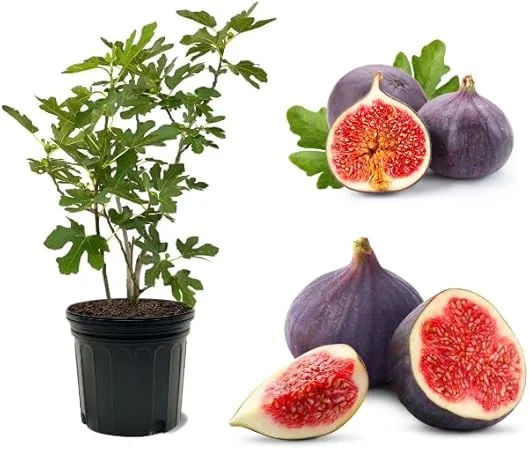
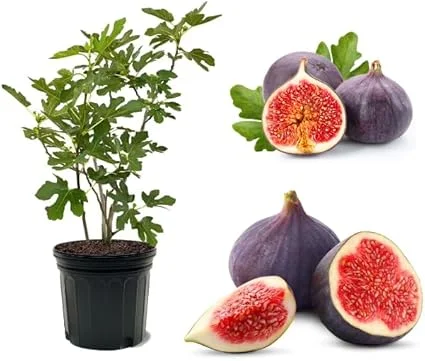
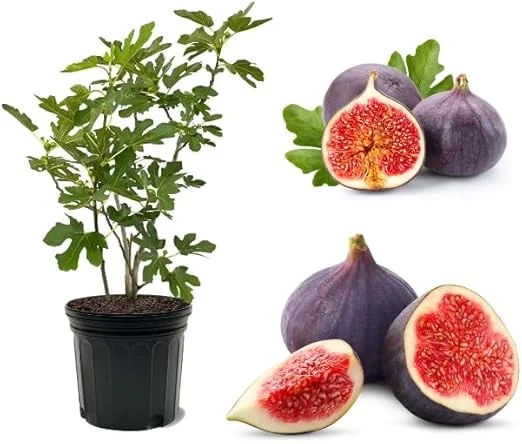
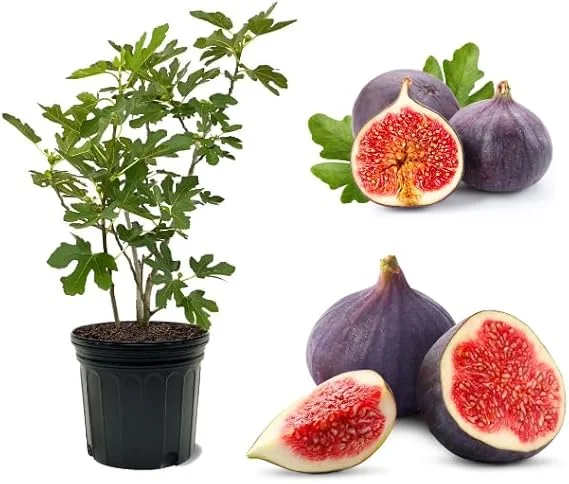
Original price was: $170.00.$150.00Current price is: $150.00.
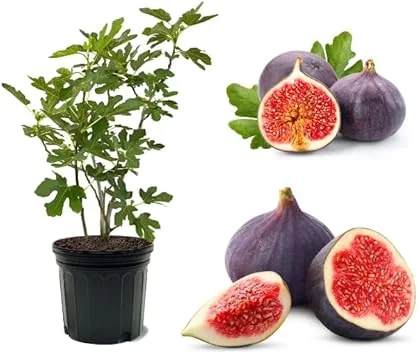
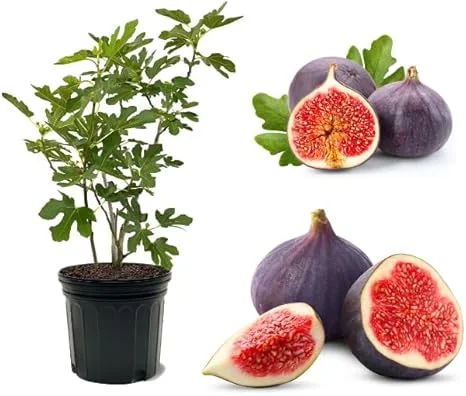
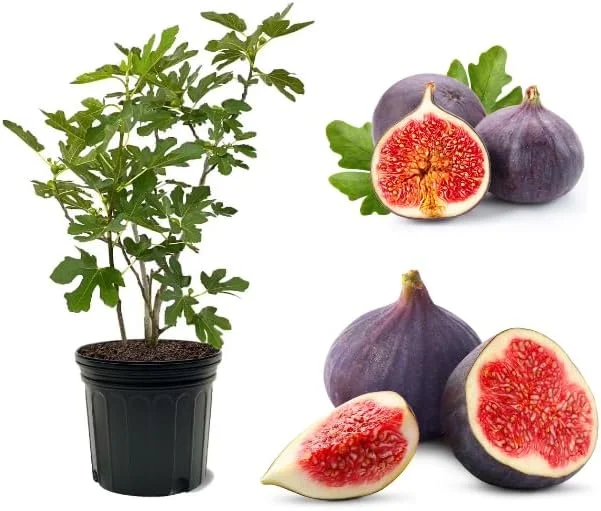
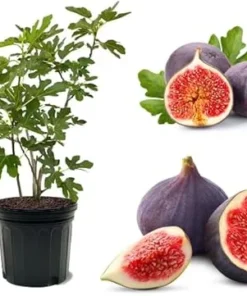
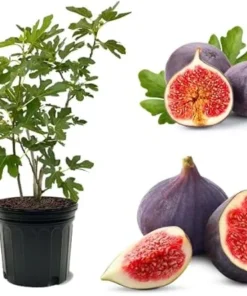
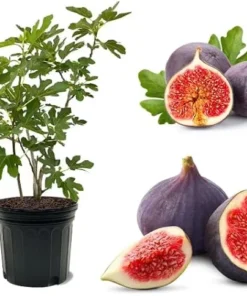
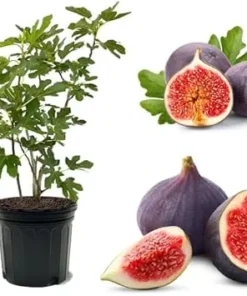
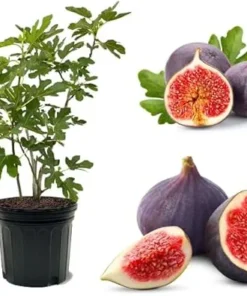
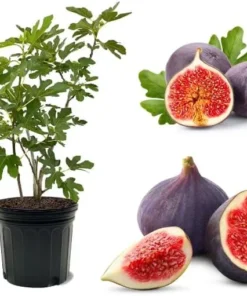
Bring the taste of the tropics to your garden with a Black Mission Fig Tree. This live fig plant arrives 2 feet tall in a 3-gallon pot, ready for planting. Enjoy sweet, dark figs from this robust, easy-to-grow fruit tree. Perfect for home orchards and edible landscapes.
Feb 04
Feb 09 - Feb 11
Feb 14 - Feb 18
USDA Hardiness Zone
Soil Type
Sunlight Exposure
Expected Planting Period
Shipping and return policies: Our Alive & Thrive Guarantee covers issues with your plants within the first 30 days. Get in touch with us via email, and our team will review your concerns and, if necessary, provide you with a one-time replacement at no cost.
If you're unsure about your hardiness zone, feel free to reach out to us. Our team will answer your questions and help you find the plants that are truly suitable for your environment, climate, and personal preferences.
Introduce the delightful taste of homegrown figs to your landscape with this beautiful Black Mission Fig Tree. This live fig plant is an excellent choice for both experienced gardeners and beginners, offering prolific yields of sweet, dark purple figs. Originating from Spain, the ‘Mission’ fig variety is celebrated for its rich flavor and adaptability, making it a popular addition to gardens across the United States. Our specimen comes as a healthy, established plant, standing approximately 2 feet tall and rooted in a 3-gallon nursery pot, ensuring a strong start in your garden. Known for its vigorous growth and attractive foliage, the Black Mission Fig Tree not only provides delicious fruit but also adds ornamental value to any space. Its distinct lobed leaves create a lush, Mediterranean feel, transforming your patio or garden into a fruitful oasis.
The Black Mission Fig (Ficus carica ‘Mission’) is an heirloom variety prized for its dual cropping season, producing an early ‘breba’ crop in late spring and a main crop in late summer to fall. These figs are excellent for fresh eating, drying, or making preserves, offering a versatile culinary experience. This robust fruit tree is self-fertile, meaning you only need one plant to start enjoying its bounty, making it an ideal choice for urban gardens or smaller spaces. With proper care, your live fig plant will thrive, providing years of sweet, succulent fruit for you and your family.
The Black Mission Fig Tree offers a multitude of benefits, making it a highly desirable addition to any garden or edible landscape. Its ease of care and generous yields are just the beginning of what this remarkable plant has to offer:
To ensure your Black Mission Fig Tree thrives and produces abundant fruit, understanding its basic care requirements is essential. This resilient plant is relatively low-maintenance, but a few key practices will significantly enhance its health and productivity. The Black Mission Fig prefers a location with full sun exposure, meaning at least 6-8 hours of direct sunlight per day. Adequate sunlight is crucial for fruit development and overall plant vigor. If growing in a container, choose a spot on a sunny patio or balcony. For in-ground planting, select a south-facing wall or an open area free from shade from other trees or structures. This maximizes the energy the plant receives for photosynthesis and fruit maturation.
Watering is critical, especially during the establishment phase and dry periods. While the live fig plant is drought-tolerant once mature, consistent moisture is vital for young trees. Water deeply and regularly, allowing the top few inches of soil to dry out slightly between waterings. Avoid overwatering, as figs do not tolerate waterlogged conditions, which can lead to root rot. Well-draining soil is essential; a loamy or sandy soil type is ideal. If your garden soil is heavy clay, amend it with organic matter like compost or sand to improve drainage. The Black Mission Fig thrives in temperatures between 60°F and 90°F and is hardy in USDA Zones 7–11. In colder zones, it can be grown in containers and moved indoors during winter, or given winter protection. For successful fig tree care, fertilize moderately in spring with a balanced fertilizer, avoiding excessive nitrogen which can promote foliage growth at the expense of fruit.
Pruning is an important aspect of growing fig trees. Prune in late winter or early spring while the tree is dormant to remove dead, damaged, or crossing branches and to shape the tree. This also encourages better air circulation and sunlight penetration, which helps prevent diseases and promotes fruit production. Consider winter protection for young trees in the lower end of their hardiness range. Mulch heavily around the base of the tree to protect the root system from freezing temperatures. For container-grown figs, bring them indoors to a cool, dormant spot like a garage or unheated basement when temperatures consistently drop below freezing. With these simple fig tree care tips, you’ll be enjoying delicious figs for years to come.
This offering is for one healthy Black Mission Fig Tree, provided as a robust live fig plant ready for transplanting. Each tree stands approximately 2 feet tall from the base of the pot to the top of the foliage, offering a significant head start for your garden. It is securely rooted in a 3-gallon nursery pot, providing ample space for root development and ensuring a smooth transition to its new home. The tree’s overall dimensions, including the pot, are roughly 8 x 8 x 30 inches, making it manageable for transport and initial placement. These measurements reflect a well-established plant, not a small seedling, promising quicker fruit production.
The Black Mission Fig is known for its moderate to fast growth rate, and with optimal conditions, you can expect it to reach a mature height of 10-25 feet tall and wide, although it can be kept smaller with regular pruning, especially when container-grown. This edible fig plant typically begins to bear fruit within 1-2 years of planting, offering a relatively quick reward for your gardening efforts. The first ‘breba’ crop usually ripens in late spring, followed by the main crop from late summer into fall. The tree ships as a fully rooted, actively growing specimen, ensuring it arrives in excellent condition and ready to thrive in your garden.
You must be logged in to post a review.
Sold 92 products
Original price was: $319.98.$159.99Current price is: $159.99.
Sold 60 products
Original price was: $35.98.$17.99Current price is: $17.99.
Sold 85 products
Original price was: $319.98.$159.99Current price is: $159.99.
Sold 53 products
Original price was: $371.98.$185.99Current price is: $185.99.
Sold 62 products
Original price was: $55.98.$27.99Current price is: $27.99.
Sold 57 products
Original price was: $99.98.$49.99Current price is: $49.99.
Sold 94 products
Original price was: $59.98.$29.99Current price is: $29.99.
Sold 69 products
Original price was: $243.98.$121.99Current price is: $121.99.
Reviews
There are no reviews yet.