NEED SUPPORT WITH YOUR ORDER? Get in touch
Not satisfied with your purchase?
Enter your Order ID on website, and we'll resolve it right away.

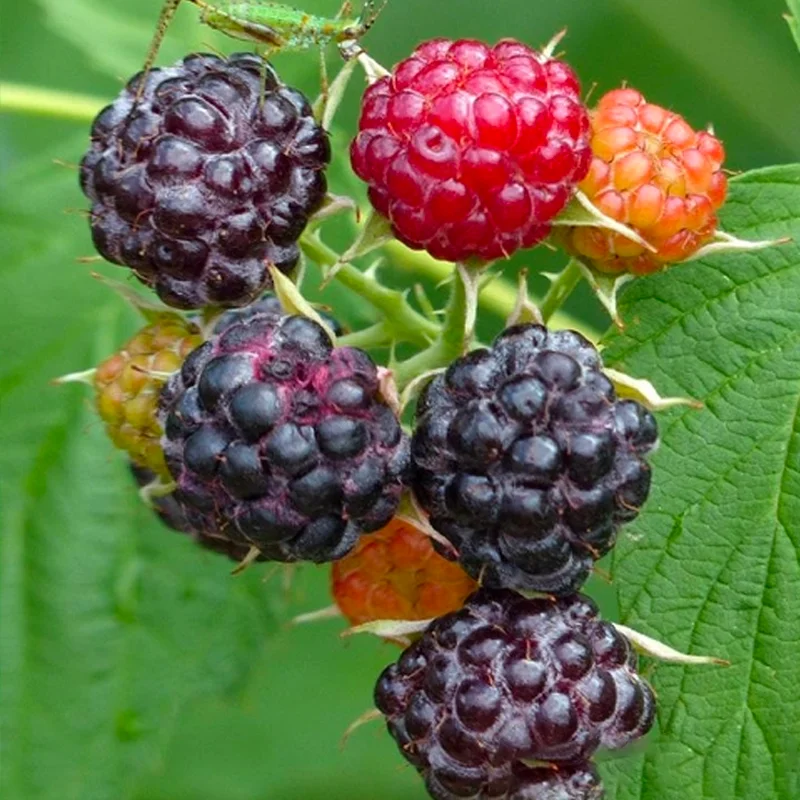
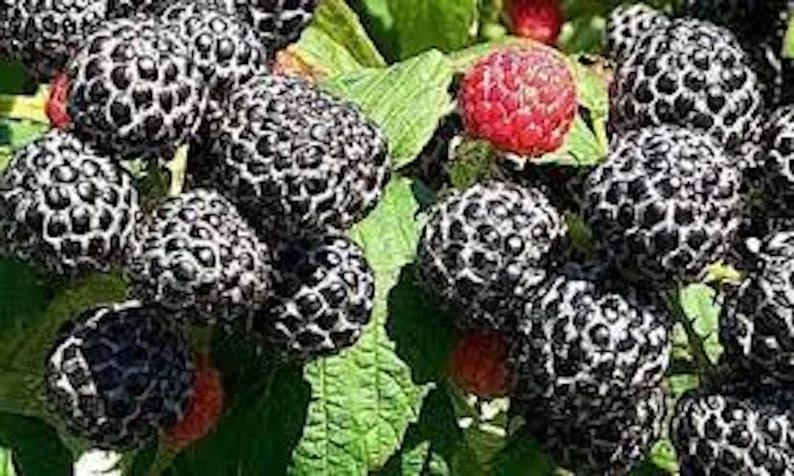
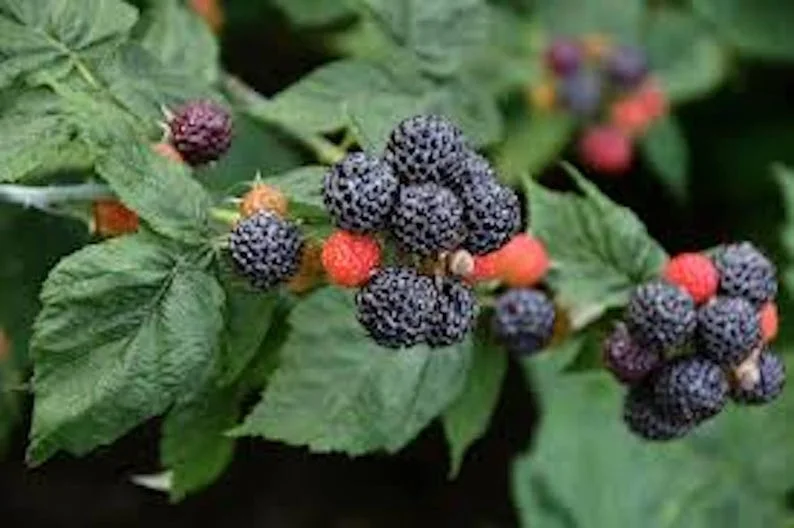
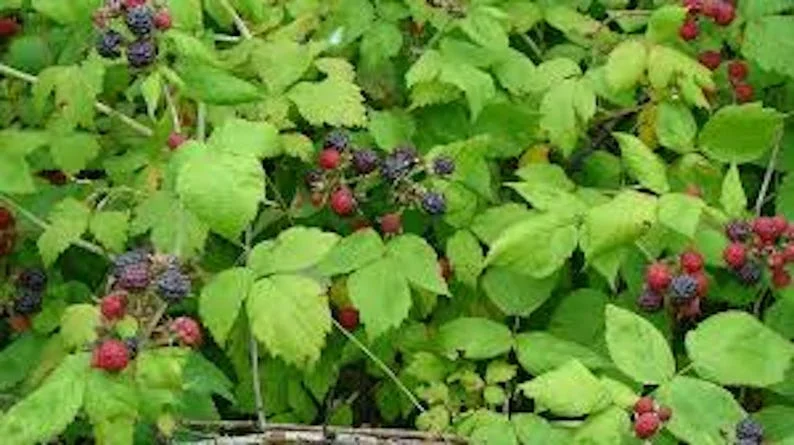
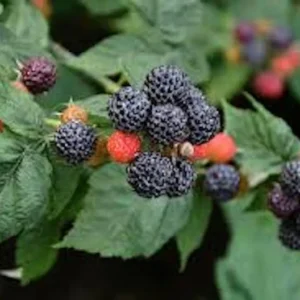
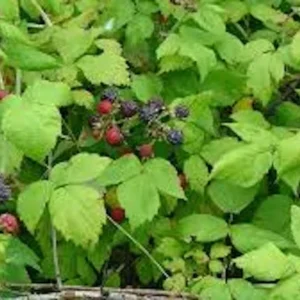
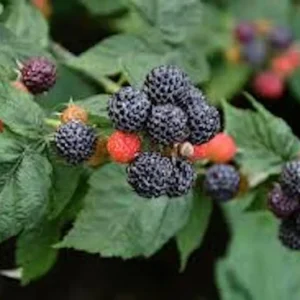
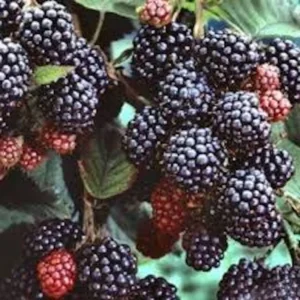
Original price was: $138.99.$117.99Current price is: $117.99.
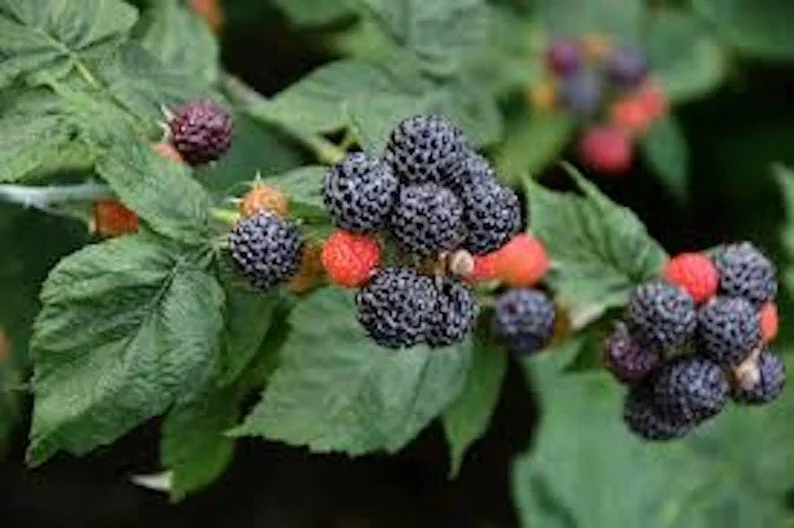
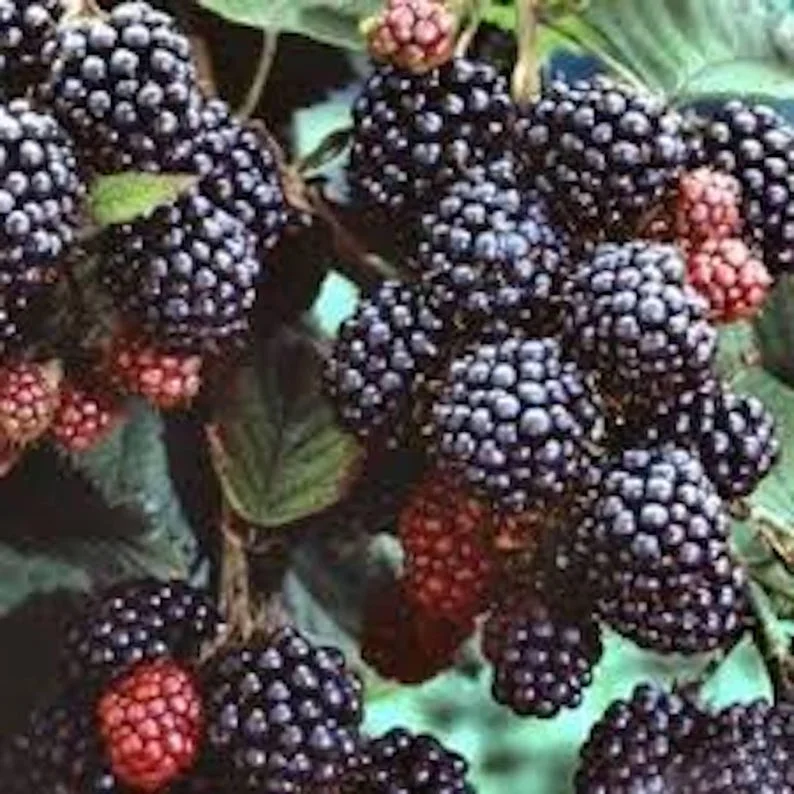
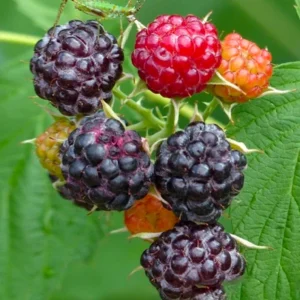
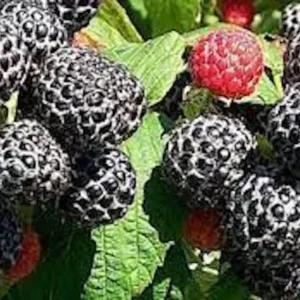
Cultivate your own sweet harvest with these black raspberry live plants. This pack of 10 hardy, 1-2 year old fruit bushes (Rubus occidentalis) offers vigorous growth and abundant, self-pollinating berries. Ideal for home gardens and small spaces, they are disease-resistant and thrive in USDA zones 4-8, making them a rewarding addition for any gardener.
Feb 04
Feb 09 - Feb 11
Feb 14 - Feb 18
USDA Hardiness Zone
Soil Type
Sunlight Exposure
Expected Planting Period
Shipping and return policies: Our Alive & Thrive Guarantee covers issues with your plants within the first 30 days. Get in touch with us via email, and our team will review your concerns and, if necessary, provide you with a one-time replacement at no cost.
If you're unsure about your hardiness zone, feel free to reach out to us. Our team will answer your questions and help you find the plants that are truly suitable for your environment, climate, and personal preferences.
Bring the joy of fresh, homegrown fruit to your backyard with these exceptional black raspberry live plants. This offering includes 10 vigorous, 1 to 2-year-old bare-root plants of the Rubus occidentalis variety, ensuring a strong start for your edible garden. Known for their exceptionally large, dark, and flavorful berries, these plants are a self-pollinating variety, guaranteeing high yields of sweet fruit perfect for fresh eating, jams, and baking. Their robust growth habit and cold-hardy nature make them a truly rewarding addition to any garden, providing an abundance of delicious black raspberries right from your backyard. These particular plants are celebrated for their adaptability and the consistent quality of their fruit, making them a top choice for both novice and experienced gardeners looking to grow black raspberries with ease and success.
These hardy raspberry plants typically mature to a manageable height of 3-4 feet with a spreading habit, making them suitable for both spacious gardens and more compact areas. The deep red berries are firm, medium to large in size, and boast a high sugar content, delivering an intensely sweet and satisfying flavor. Beyond their delicious fruit, the plants feature attractive dark green foliage that provides a beautiful contrast to the bright berries, enhancing your garden’s visual appeal throughout the growing season. With their proven resilience and productivity, these black raspberry plants represent an excellent investment for anyone passionate about sustainable gardening and enjoying fresh, organic produce.
Investing in these black raspberry live plants offers numerous advantages for your home garden and culinary endeavors. They are designed for easy integration into various landscapes, providing both aesthetic appeal and practical benefits.
Successful cultivation of your black raspberry live plants is straightforward with a few key considerations. These plants are quite resilient, but providing optimal conditions will result in the most bountiful harvests. Ensure your chosen planting site receives ample sunlight; black raspberries thrive with at least 6-8 hours of direct sunlight daily for optimal fruit production and vigorous growth. Proper sunlight exposure is crucial for the development of sweet, abundant berries. When selecting a location, consider the mature size of the plants, allowing enough space for their upright growth and spreading habit.
Soil quality plays a significant role in the health of your Rubus occidentalis plants. They prefer well-drained, slightly acidic soil. Before planting, consider amending heavy clay soils with organic matter like compost to improve drainage and aeration. Regular watering is essential, especially during dry periods and when the plants are establishing. Aim to keep the soil consistently moist but never waterlogged, as excessive moisture can lead to root rot. A good rule of thumb is to water deeply once or twice a week, checking the soil moisture before each watering. Mulching around the base of the plants can help retain soil moisture, suppress weeds, and regulate soil temperature.
Pruning is a vital aspect of caring for hardy raspberry plants to ensure continued productivity and plant vigor. Black raspberries typically produce fruit on one-year-old wood (floricanes). After fruiting, these canes will die back and should be removed to encourage new growth (primocanes) for the following season. Annual pruning to remove old canes and promote healthy new growth is recommended to maximize fruit production and maintain the plant’s overall health and shape. Fertilize in early spring with a balanced slow-release fertilizer or compost to provide essential nutrients. These disease resistant raspberry plants are adapted to USDA hardiness zones 4-8, making them suitable for a wide range of climates across the United States. Protect newly planted bare roots from extreme cold in the first winter if planting in marginal zones.
Each order includes 10 individual black raspberry live plants, supplied as bare-root stock. These plants are typically 1 to 2 years old, ensuring a well-established root system ready for planting and robust growth in your garden. Upon maturity, each plant will reach an average height of 3-4 feet with a spreading habit, making them a manageable size for various garden designs. Their upright growth habit and strong canes provide excellent support for the developing fruit. Expect these plants to begin producing fruit in mid-summer, typically within the first year or two after planting, depending on growing conditions and care. The berries are firm, medium to large, and known for their deep red color and high sugar content. These Rubus occidentalis plants are cold-hardy and designed to thrive across a wide range of climates, specifically USDA hardiness zones 4 through 8, offering broad adaptability for gardeners across the country.
You must be logged in to post a review.
Sold 71 products
Original price was: $78.99.$48.99Current price is: $48.99.
Sold 93 products
Original price was: $64.99.$34.99Current price is: $34.99.
Sold 86 products
Original price was: $39.98.$19.99Current price is: $19.99.
Sold 74 products
Original price was: $72.99.$52.99Current price is: $52.99.
Sold 82 products
Original price was: $78.99.$48.99Current price is: $48.99.
Sold 75 products
Original price was: $57.98.$28.99Current price is: $28.99.
Sold 69 products
Original price was: $64.99.$34.99Current price is: $34.99.
Sold 79 products
Original price was: $73.98.$36.99Current price is: $36.99.



Reviews
There are no reviews yet.