NEED SUPPORT WITH YOUR ORDER? Get in touch
Not satisfied with your purchase?
Enter your Order ID on website, and we'll resolve it right away.

Original price was: $55.99.$30.99Current price is: $30.99.
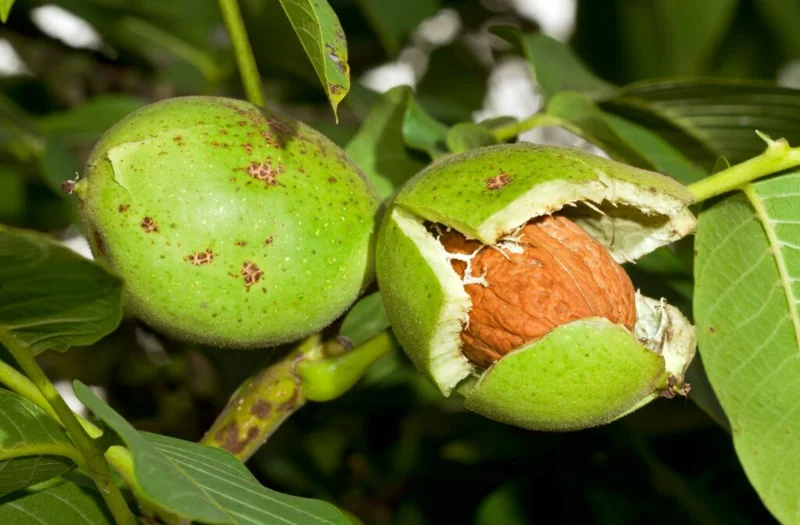
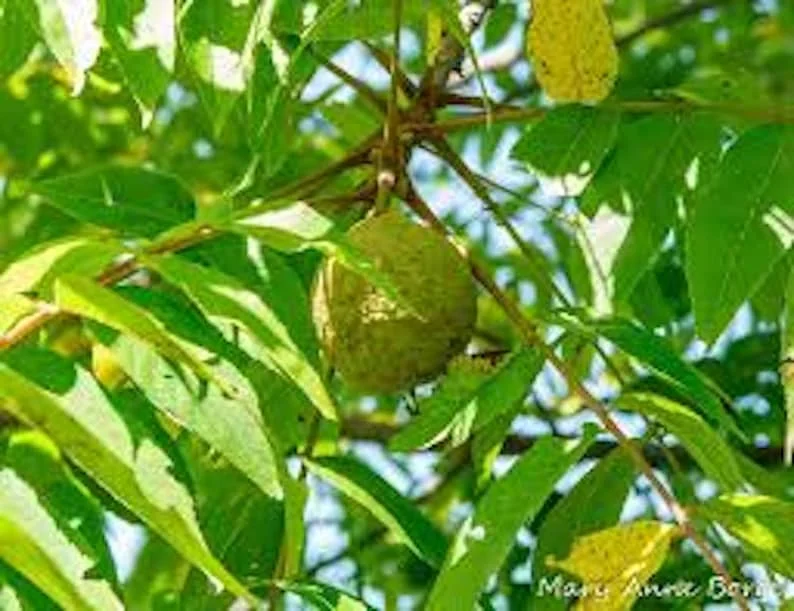
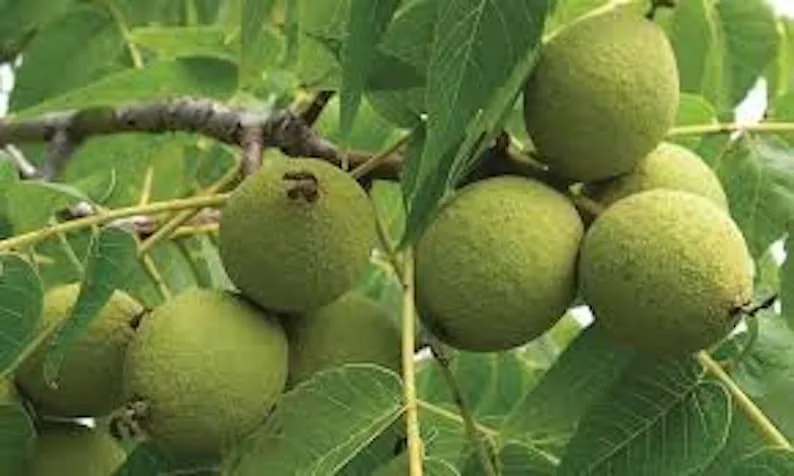
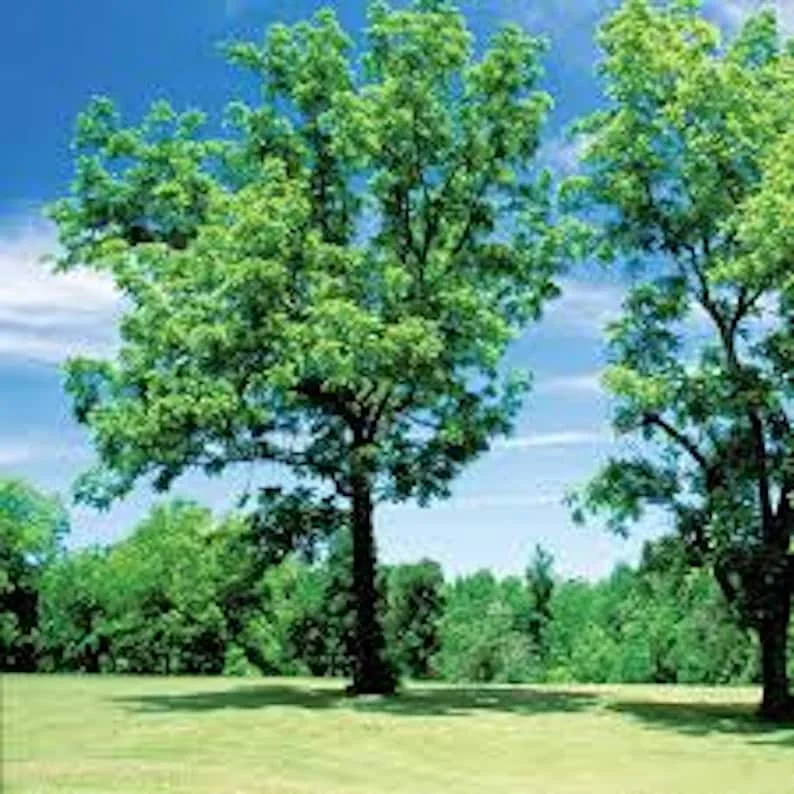
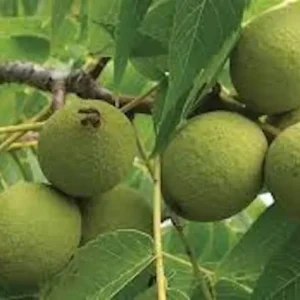
Cultivate a majestic black walnut tree (Juglans nigra) in your landscape. This 12-24 inch american walnut bare root plant is ready to establish, offering valuable timber, delicious nuts, and a stunning oval crown. Ideal for USDA zones 4-9, providing shade and enhancing property value for generations.
Mar 03
Mar 08 - Mar 10
Mar 13 - Mar 17
USDA Hardiness Zone
Soil Type
Sunlight Exposure
Expected Planting Period
Shipping and return policies: Our Alive & Thrive Guarantee covers issues with your plants within the first 30 days. Get in touch with us via email, and our team will review your concerns and, if necessary, provide you with a one-time replacement at no cost.
If you're unsure about your hardiness zone, feel free to reach out to us. Our team will answer your questions and help you find the plants that are truly suitable for your environment, climate, and personal preferences.
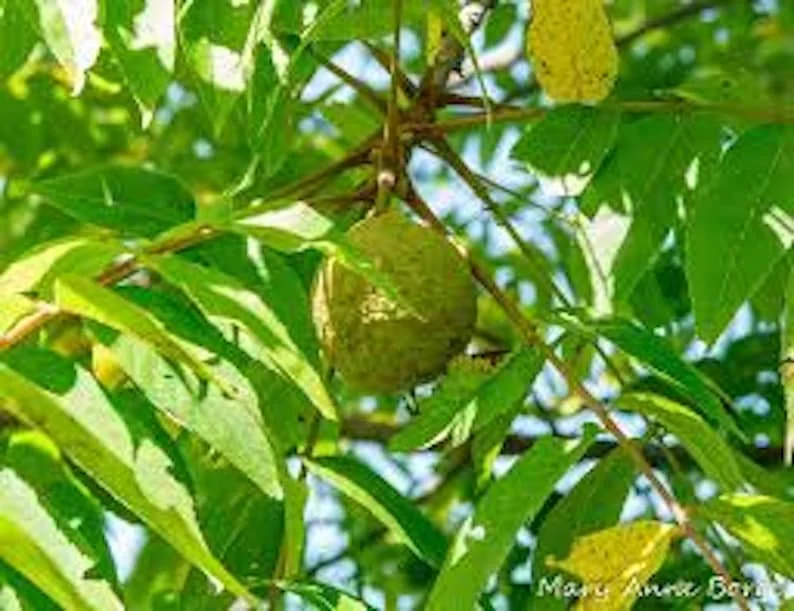
Plant a piece of North American history with a young black walnut tree (Juglans nigra). This american walnut bare root tree, ranging from 12-24 inches, is ready to establish itself in your landscape. Known for its rich heritage and robust growth, the Juglans nigra is a self-pollinating species prized for its valuable timber and delicious, nutritious walnuts. Investing in a black walnut tree is an investment in both the beauty and bounty of your property, providing shade, wildlife habitat, and a sustainable resource for years to come. This robust tree is an excellent choice for those seeking a long-term, rewarding addition to their environment.
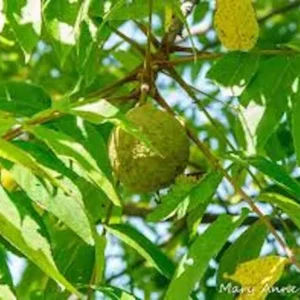
The juglans nigra tree, also known as American Walnut, is a deciduous tree native to eastern North America. It is renowned for its distinctive dark bark and impressive size at maturity. Our bare root specimens are carefully prepared to ensure a healthy start, allowing you to easily plant and cultivate this magnificent species. Whether you are looking to enhance your property’s value, enjoy fresh walnuts, or contribute to local wildlife, this tree offers a multitude of benefits.
Growing a black walnut tree offers a wealth of advantages, transforming your property into a vibrant and productive ecosystem. From ecological contributions to personal enjoyment, the benefits are diverse and long-lasting.
Proper care is essential for establishing a healthy black walnut tree that will thrive for decades. This bare root specimen requires attention to its planting location, soil, and initial watering to ensure robust growth. For optimal development, select a site that receives full sun, meaning at least 6 hours of direct sunlight daily. Avoid heavily shaded areas, as this can severely hinder growth and nut production. The juglans nigra tree prefers well-drained, moist soil, ideally a rich, loamy type. It’s crucial to ensure good drainage to prevent root rot, especially in the initial years. While it tolerates a range of soil conditions, consistent moisture without waterlogging is key.
When planting your american walnut bare root tree, dig a hole wide enough to accommodate its root system without bending. Plant at the same depth it grew previously, ensuring the root collar is at or slightly above ground level. Water thoroughly immediately after planting and continue to water regularly, especially during dry periods in the first few years, to help the tree establish its deep taproot. Fertilization is generally not required in the first year if the soil is rich, but a balanced slow-release fertilizer can be applied in subsequent years during spring. Keep the area around the base of the tree free of weeds and grass to reduce competition for nutrients and moisture. Understanding black walnut care and providing the right conditions will ensure your tree grows into a magnificent specimen.
The ideal planting period for your american walnut bare root is during the dormant season, either in late fall after leaf drop or early spring before bud break. This timing allows the tree to establish its root system before the stress of summer heat or active growth. While the tree is self-pollinating, planting more than one black walnut tree can enhance nut production. The tree is quite resilient once established, but protecting young trees from deer browsing can be beneficial. Regular monitoring for pests and diseases, though uncommon for this robust species, can help ensure its long-term health. Knowing about growing black walnuts successfully means paying attention to these foundational steps.
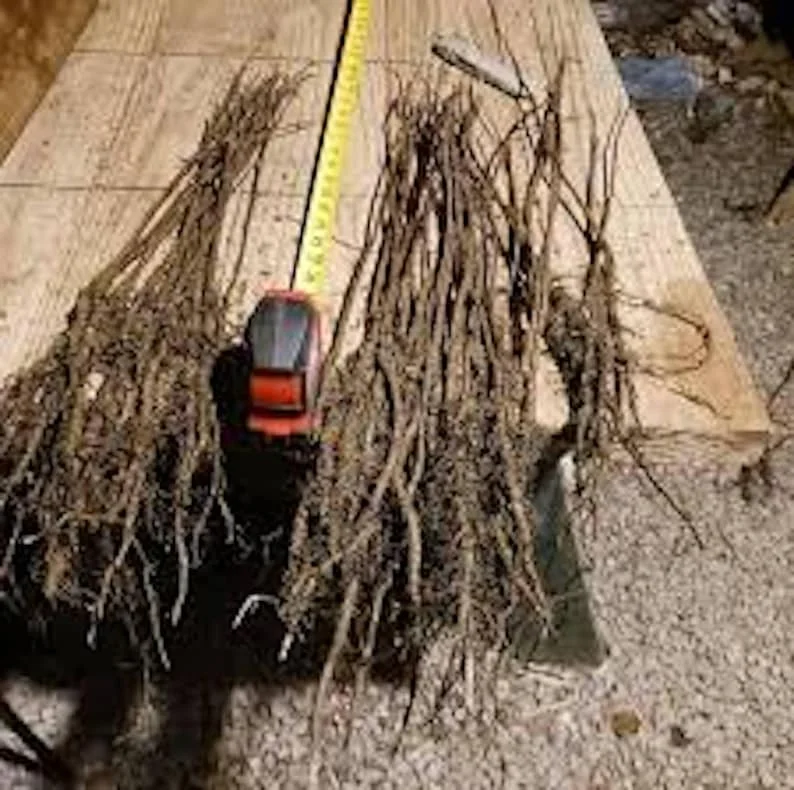
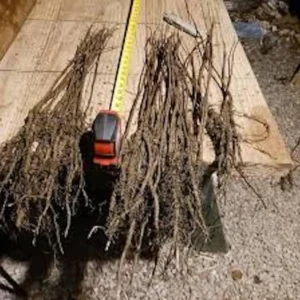
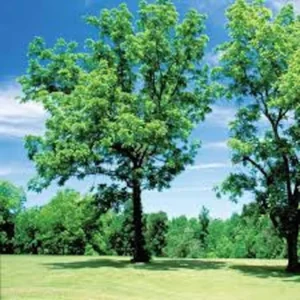
This black walnut tree is supplied as a healthy and vigorous bare root specimen, typically measuring between 12 to 24 inches in height upon arrival. Bare root trees are shipped without soil around their roots, making them an economical and efficient way to transport young trees. Once planted, this species is known for its relatively fast growth rate, quickly establishing itself in the landscape. At maturity, the juglans nigra tree can reach an impressive height of 70 to 100 feet with a nearly equal spread, forming a majestic oval or round crown that provides significant shade.
The deep taproot system of the american walnut bare root helps it access water and nutrients from deep within the soil, contributing to its drought tolerance once mature. The tree will begin producing walnuts once it reaches maturity, which can take several years, but the long-term rewards are well worth the wait. Proper planting and care will ensure your black walnut tree thrives and provides enjoyment and value for generations to come. This robust plant is an excellent choice for a long-term investment in your property, offering both aesthetic beauty and practical benefits.
You must be logged in to post a review.
Sold 88 products
Original price was: $59.98.$29.99Current price is: $29.99.
Sold 50 products
Original price was: $259.78.$129.89Current price is: $129.89.
Sold 57 products
Original price was: $59.98.$29.99Current price is: $29.99.
Sold 52 products
Original price was: $299.94.$149.97Current price is: $149.97.
Sold 57 products
Original price was: $243.98.$121.99Current price is: $121.99.
Sold 88 products
Original price was: $35.98.$17.99Current price is: $17.99.
Sold 58 products
Original price was: $67.98.$33.99Current price is: $33.99.
Sold 71 products
Original price was: $259.96.$129.98Current price is: $129.98.


Reviews
There are no reviews yet.