NEED SUPPORT WITH YOUR ORDER? Get in touch
Not satisfied with your purchase?
Enter your Order ID on website, and we'll resolve it right away.


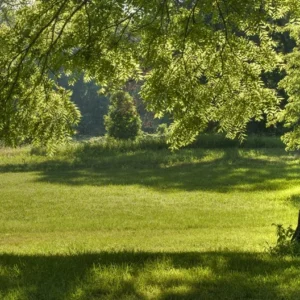
Original price was: $76.99.$44.99Current price is: $44.99.
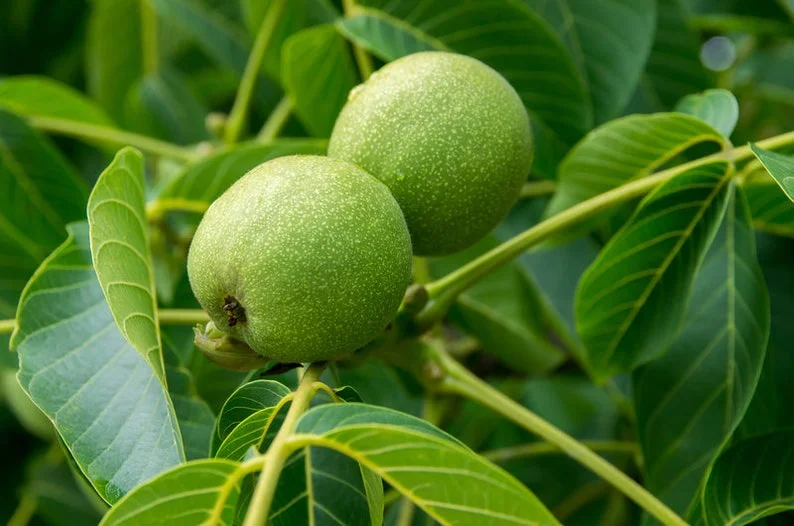
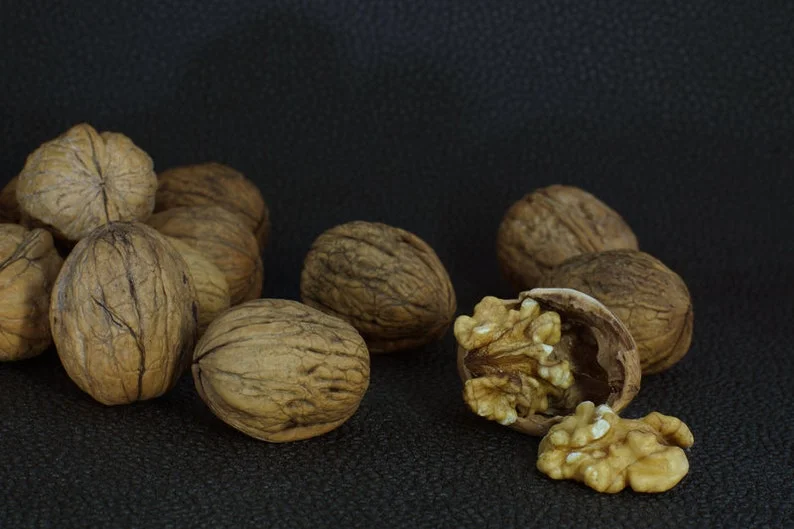
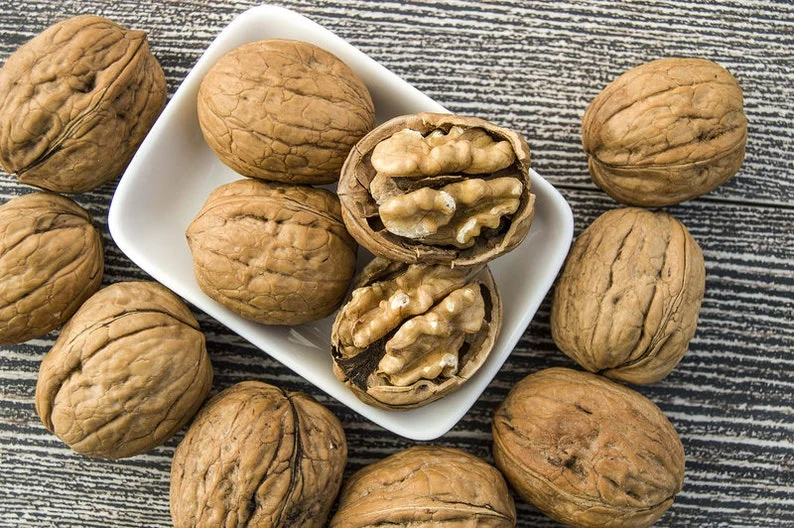
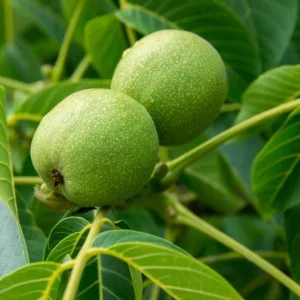
Cultivate your own black walnut tree live plant (Juglans nigra), a versatile and rewarding addition to any landscape. This 2-3 ft sapling grows into a majestic shade tree, producing highly prized edible nuts and valuable hardwood. Enjoy the distinctive fragrant leaves and a long-term investment in your property. Perfect for USDA zones 3-9, this resilient tree offers multiple benefits with relatively low maintenance, making it an exceptional choice for your garden or property.
Mar 03
Mar 08 - Mar 10
Mar 13 - Mar 17
USDA Hardiness Zone
Soil Type
Sunlight Exposure
Expected Planting Period
No Shipping To
Shipping and return policies: Our Alive & Thrive Guarantee covers issues with your plants within the first 30 days. Get in touch with us via email, and our team will review your concerns and, if necessary, provide you with a one-time replacement at no cost.
If you're unsure about your hardiness zone, feel free to reach out to us. Our team will answer your questions and help you find the plants that are truly suitable for your environment, climate, and personal preferences.
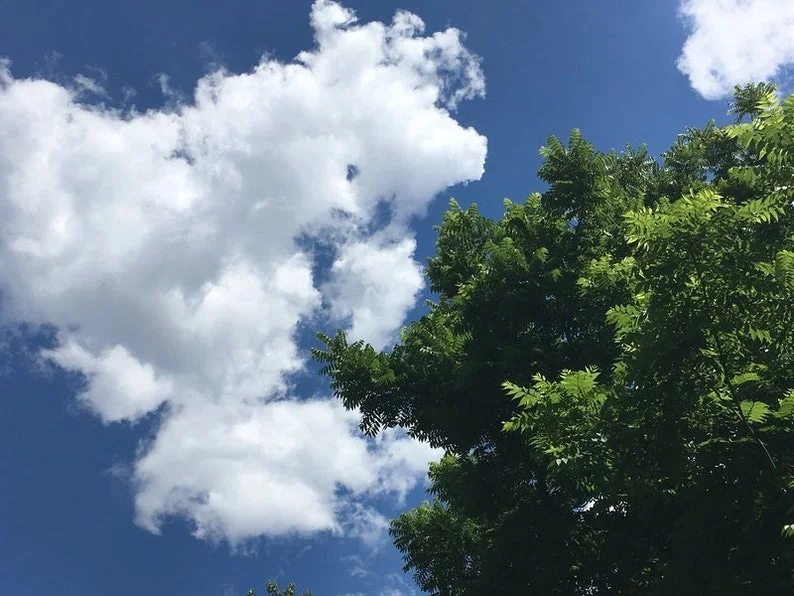
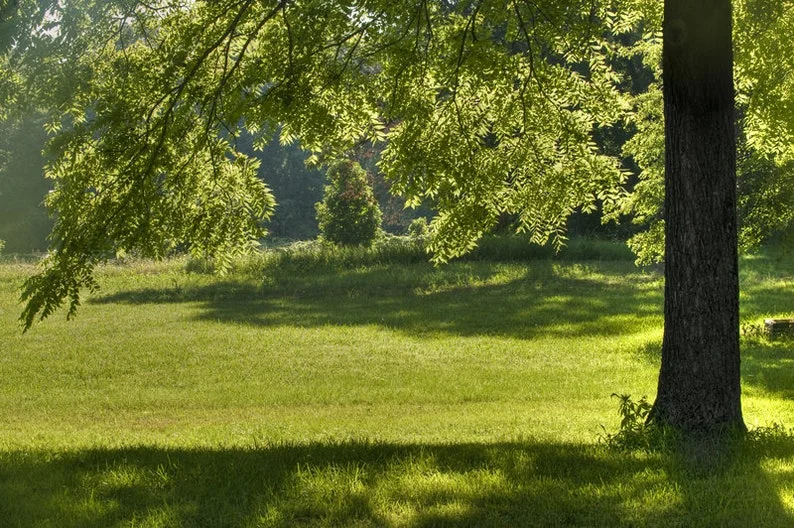
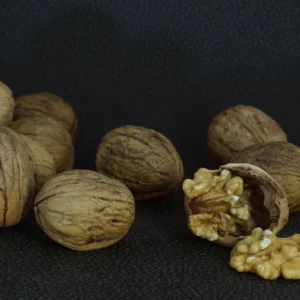
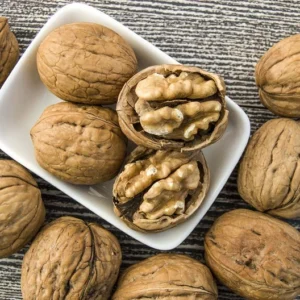
Embark on a journey of natural cultivation by growing your very own black walnut tree live plant (Juglans nigra). This remarkable tree is not only a source of highly sought-after, edible nuts but also a producer of valuable, beautiful hardwood. Its broad canopy provides welcome shade during warm summer months, while its distinctive fragrant leaves add a pleasant aroma to your outdoor space. If you’re seeking a tree that offers multiple benefits with relatively low maintenance, the black walnut tree live plant is an exceptional choice for your garden or property. This adaptable tree thrives in deep, rich, and well-drained soil, preferring full sun exposure for optimal growth. While it can tolerate less ideal soil conditions, consistent drainage is key to its success. A mature Black Walnut Tree can reach an impressive height of 50 to 75 feet with a spread of around 60 feet, establishing itself as a substantial and majestic shade tree. For enhanced nut yields, planting two trees is recommended, as cross-pollination significantly boosts fruit production, even though the tree can self-pollinate. This particular offering is for a 2-3 ft juglans nigra sapling, ready to be planted and grow into a magnificent specimen.
Owning a black walnut tree live plant offers a multitude of advantages, enhancing both the aesthetic and practical value of your land. From its culinary contributions to its environmental impact, this tree is a true asset.
Successful cultivation of a black walnut tree live plant begins with understanding its specific needs. These trees are quite adaptable but thrive best under certain conditions. They prefer full sun exposure, meaning at least 6 hours of direct sunlight per day is ideal for optimal growth and nut production. Consistent sunlight will encourage a robust canopy and a healthy yield of nuts. When considering where to plant your juglans nigra sapling, choose a location that receives ample light throughout the day.
The Black Walnut Tree thrives in deep, rich, and well-drained soil. While it can tolerate less ideal soil conditions, excellent drainage is crucial to its success and overall health. Avoid areas where water tends to pool, as excessive moisture can lead to root rot. Prior to planting, it’s beneficial to amend your soil with organic matter to improve fertility and drainage. Regular watering is important during the tree’s establishment phase, especially during dry periods. Once mature, the tree becomes more drought-tolerant, but supplemental watering during prolonged dry spells will always be beneficial. For those interested in growing black walnut trees, understanding soil and water requirements is paramount.
This resilient tree is suitable for USDA growing zones 3 through 9, making it a versatile choice for many climates across the United States. It’s important to plant your black walnut tree live plant during its dormant season, either in late fall after leaf drop or in early spring before new growth begins, to minimize transplant shock. The sapling will arrive bare root and without leaves, ready for its winter sleep. While black walnut tree care is generally low-maintenance once established, an annual application of a balanced fertilizer can support vigorous growth and nut development, particularly in less fertile soils. Be mindful of its allelopathic properties, as its roots release juglone, which can inhibit the growth of certain sensitive plants nearby. Proper spacing is key.
This listing is for one black walnut tree live plant, specifically a juglans nigra sapling, measuring approximately 2 to 3 feet in height upon arrival. Each sapling ships in a dormant state, meaning it will arrive bare root and without leaves, perfectly prepared for planting and its subsequent winter sleep. This ensures the tree experiences minimal stress during transit and is ready to establish itself strongly in its new environment. A mature Black Walnut Tree can eventually reach an impressive height of 50 to 75 feet with a spread of around 60 feet, creating a substantial and majestic shade tree that will be a focal point of your landscape for decades.
While this black walnut tree live plant is a young specimen, it is guaranteed to grow and thrive when planted correctly within its suitable USDA growing zones 3 through 9. Expect the tree to begin producing its first harvest of edible nuts in approximately 5 to 7 years. For optimal nut yields, planting two trees is recommended to facilitate cross-pollination, although the tree can self-pollinate. This 2-3 ft sapling offers an excellent starting point for cultivating a long-term investment in your property, providing both natural beauty and valuable resources. Comprehensive, easy-to-follow growing instructions are provided via a convenient QR code, ensuring you have all the information needed for successful growing black walnut trees.
You must be logged in to post a review.

Sold 86 products
Original price was: $257.98.$128.99Current price is: $128.99.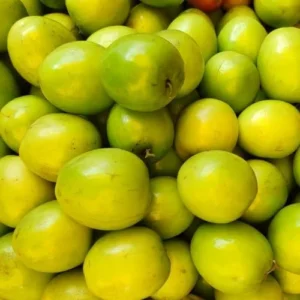
Sold 62 products
Original price was: $371.98.$185.99Current price is: $185.99.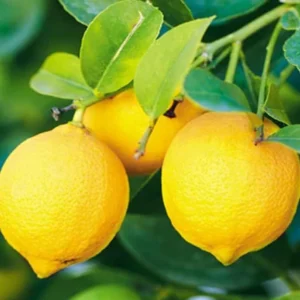
Sold 91 products
Original price was: $256.36.$128.18Current price is: $128.18.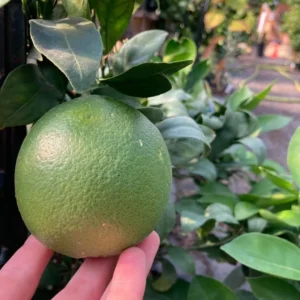
Sold 98 products
Original price was: $259.78.$129.89Current price is: $129.89.
Sold 82 products
Original price was: $67.98.$33.99Current price is: $33.99.
Sold 63 products
Original price was: $35.98.$17.99Current price is: $17.99.
Sold 94 products
Original price was: $319.98.$159.99Current price is: $159.99.
Sold 83 products
Original price was: $259.78.$129.89Current price is: $129.89.
Reviews
There are no reviews yet.