NEED SUPPORT WITH YOUR ORDER? Get in touch
Not satisfied with your purchase?
Enter your Order ID on website, and we'll resolve it right away.

Original price was: $62.98.$34.99Current price is: $34.99.
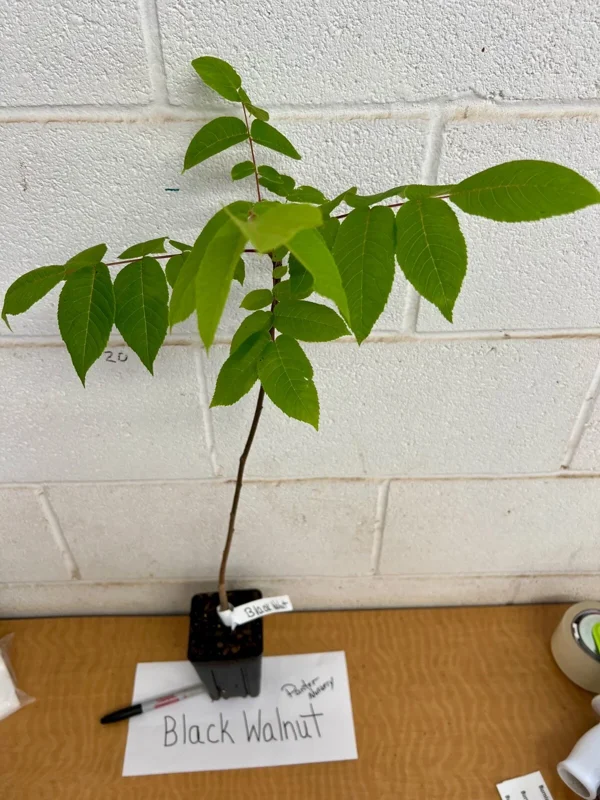
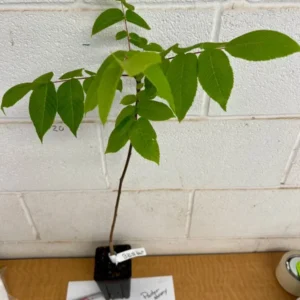
Cultivate your own magnificent black walnut tree live plant! This 6-12 inch tall specimen arrives in a 4-inch pot, ready for planting. Enjoy its aesthetic appeal, shade, and the potential for harvesting delicious walnuts. Perfect for both beginner and experienced gardeners looking to add a valuable, long-term asset to their landscape.
Feb 04
Feb 09 - Feb 11
Feb 14 - Feb 18
USDA Hardiness Zone
Soil Type
Sunlight Exposure
Expected Planting Period
Shipping and return policies: Our Alive & Thrive Guarantee covers issues with your plants within the first 30 days. Get in touch with us via email, and our team will review your concerns and, if necessary, provide you with a one-time replacement at no cost.
If you're unsure about your hardiness zone, feel free to reach out to us. Our team will answer your questions and help you find the plants that are truly suitable for your environment, climate, and personal preferences.
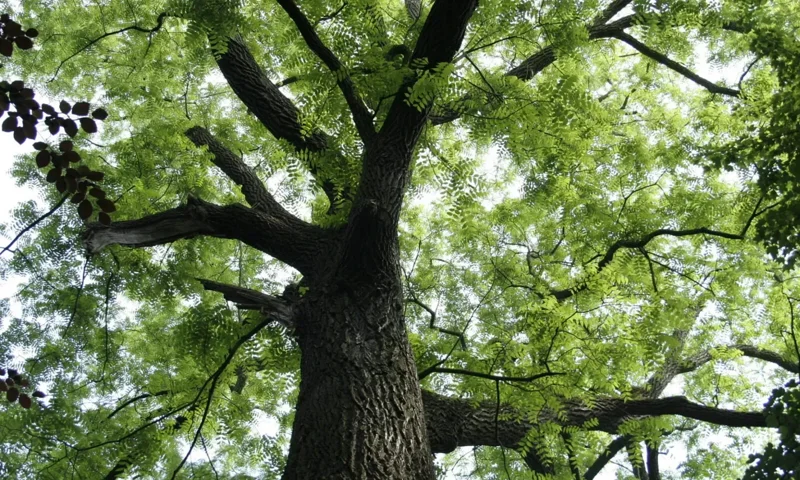
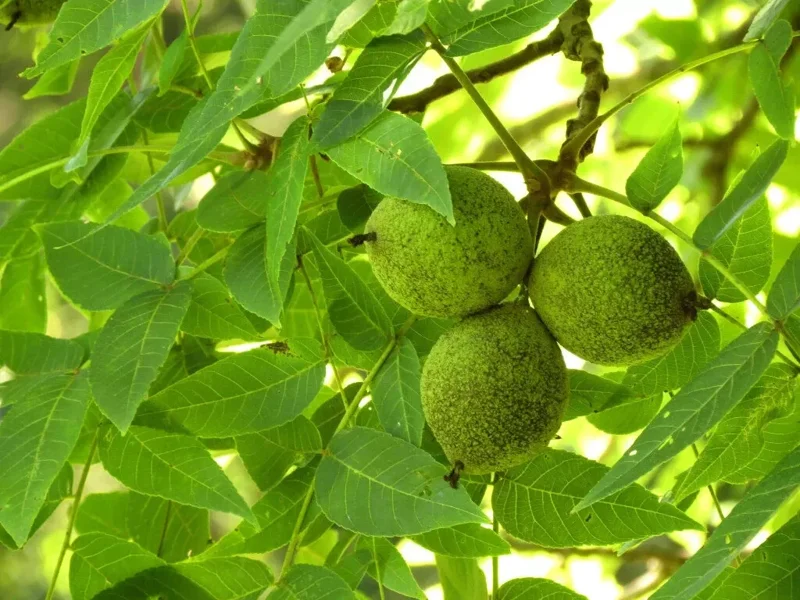
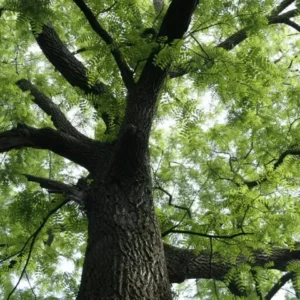
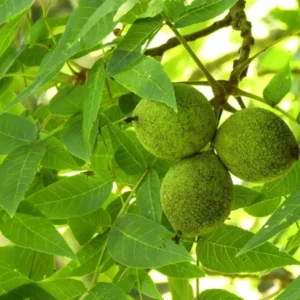
Bring the timeless beauty and bounty of nature to your backyard with this black walnut tree live plant. Measuring 6-12 inches tall and delivered in a 4-inch pot, this young Juglans nigra specimen is an excellent choice for anyone looking to cultivate a robust and rewarding tree. The Black Walnut Tree is renowned for its stately presence, providing ample shade during warmer months and offering the unique opportunity to harvest your own delicious walnuts. This resilient and adaptable tree is a fantastic long-term investment for your garden, promising years of growth and enjoyment. Its strong root system and vigorous growth make it a popular choice among gardeners seeking both ornamental value and practical benefits.
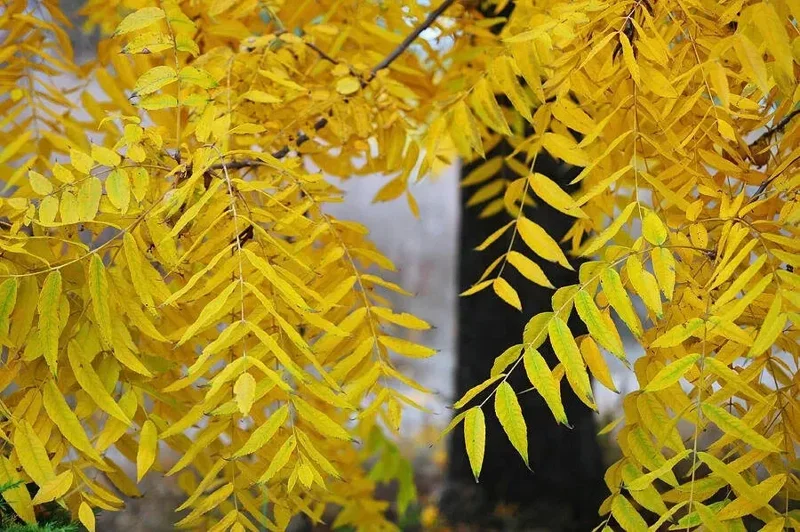
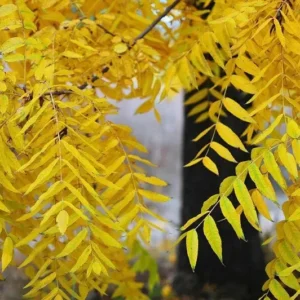
Whether you’re an experienced horticulturist or a budding gardener, this black walnut tree live plant offers an engaging and fulfilling growing experience. Known for its valuable timber and ecological benefits, planting a Black Walnut provides more than just a tree; it’s an investment in your property’s future and local biodiversity. Watch it mature into a majestic feature of your landscape, attracting wildlife and contributing to a healthier environment. Its deciduous nature also provides beautiful seasonal interest, shedding leaves in the fall to prepare for new growth.
Planting a black walnut tree live plant enriches your environment with numerous advantages, transforming your outdoor space into a thriving ecosystem. From its aesthetic appeal to its practical yields, this tree offers a multitude of benefits for any homeowner or gardener.
Ensuring the healthy growth of your black walnut tree live plant involves understanding its specific needs, though it is generally considered a robust and adaptable species. For optimal growth, choose a planting site that receives full to partial sunlight, meaning at least 4-6 hours of direct sun per day. While the tree can tolerate a range of soil types, it thrives best in well-drained loamy or clay soils. Avoid areas with standing water, as this can lead to root rot. When transplanting, dig a hole that is twice as wide as the root ball and just as deep, ensuring the top of the root ball is level with the surrounding soil. Backfill with the excavated soil, tamping gently to remove air pockets.
Initial watering is crucial for establishment. Water your young growing black walnut tree regularly, especially during dry periods, to keep the soil consistently moist but not waterlogged. Once established, Black Walnut Trees become more drought-tolerant. Fertilization is not always necessary in rich soils, but a balanced, slow-release fertilizer can be applied in early spring if soil nutrients are lacking. Pruning should focus on removing dead, damaged, or crossing branches to maintain a strong structure and encourage good air circulation. The best time to plant a black walnut tree live plant is typically in the spring or fall when temperatures are mild, allowing the tree to establish its root system before extreme weather conditions.
The Black Walnut is known for producing juglone, a chemical that can inhibit the growth of certain sensitive plants nearby. When planning your garden, consider this allelopathic effect and choose companion plants that are tolerant to juglone. This tree is hardy in USDA zones 4-9, making it suitable for a wide range of climates. Monitor young trees for signs of stress or pest activity, though they are generally quite resistant. With proper care, your juglans nigra plant will quickly establish itself and grow into a majestic, productive tree.
This black walnut tree live plant arrives as a vibrant young specimen, measuring approximately 6-12 inches tall from the top of the soil. It is carefully nurtured and shipped in a 4-inch nursery pot, complete with a well-developed root system ready for transplanting. The Black Walnut Tree is a deciduous species, meaning it will shed its leaves in the fall, offering seasonal interest in your landscape. In optimal conditions, young trees can grow 1-2 feet per year once established. Mature trees can reach an impressive height of 50-75 feet with a spread of 50-60 feet, providing substantial shade and a commanding presence in your garden. The plant is shipped with its roots protected, ensuring it arrives healthy and ready for its new home.
This species, also known as Juglans nigra, is an investment that yields both aesthetic and practical returns over many years. The size provided is an approximate measurement at the time of shipping, and growth will vary based on environmental conditions and care. Expect a sturdy, well-rooted starter plant that is eager to establish itself. The 4-inch pot provides enough space for initial growth before it requires transplanting into a larger container or directly into the ground. For those interested in buy walnut tree options, this young plant provides an accessible entry point to cultivating this magnificent species.
You must be logged in to post a review.
Sold 90 products
Original price was: $258.98.$129.49Current price is: $129.49.
Sold 75 products
Original price was: $48.98.$24.49Current price is: $24.49.
Sold 52 products
Original price was: $119.98.$59.99Current price is: $59.99.
Sold 74 products
Original price was: $99.98.$49.99Current price is: $49.99.
Sold 86 products
Original price was: $371.98.$185.99Current price is: $185.99.
Sold 74 products
Original price was: $69.98.$34.99Current price is: $34.99.
Sold 64 products
Original price was: $59.98.$29.99Current price is: $29.99.
Sold 55 products
Original price was: $59.92.$29.96Current price is: $29.96.
Reviews
There are no reviews yet.