NEED SUPPORT WITH YOUR ORDER? Get in touch
Not satisfied with your purchase?
Enter your Order ID on website, and we'll resolve it right away.

Original price was: $55.99.$30.99Current price is: $30.99.
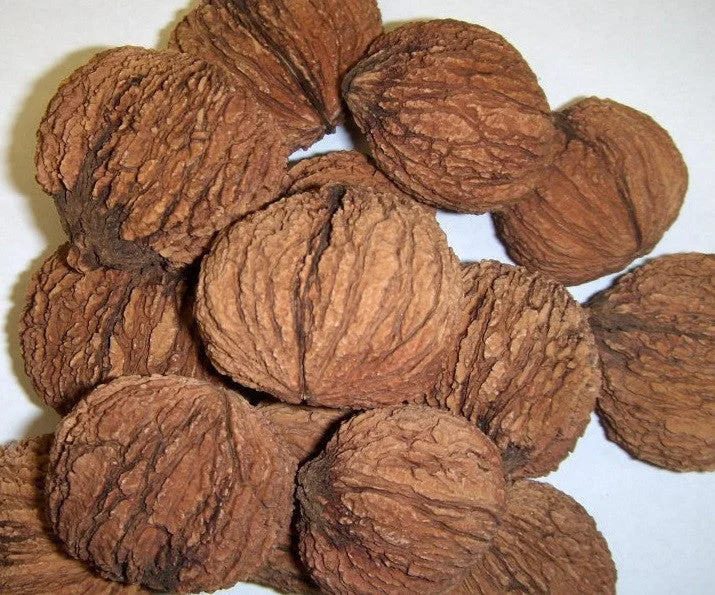
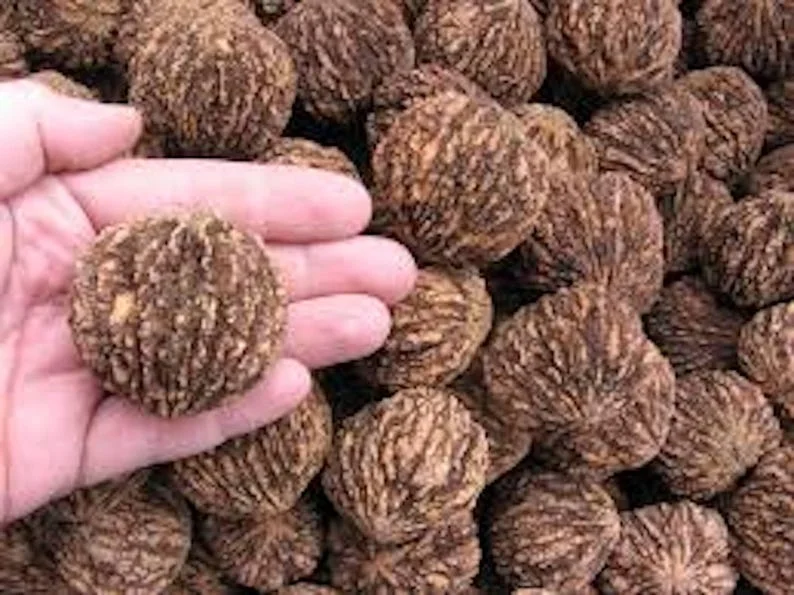
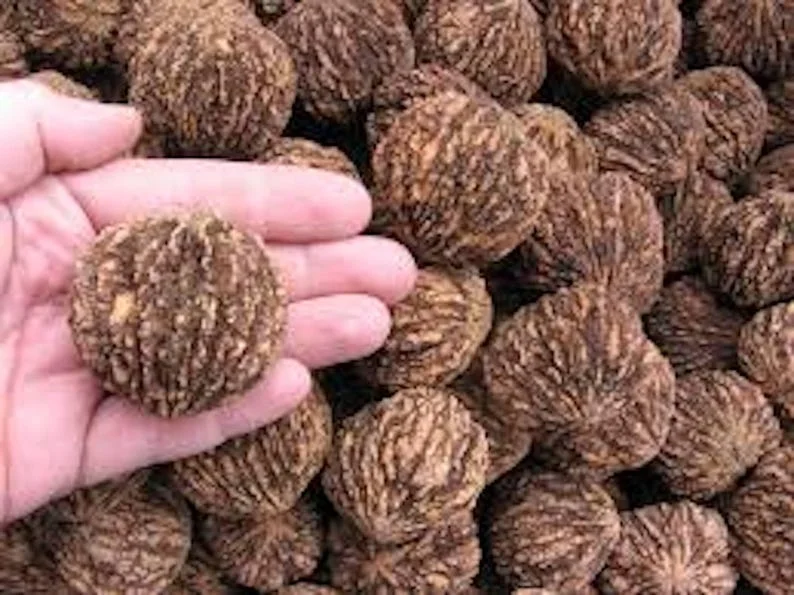
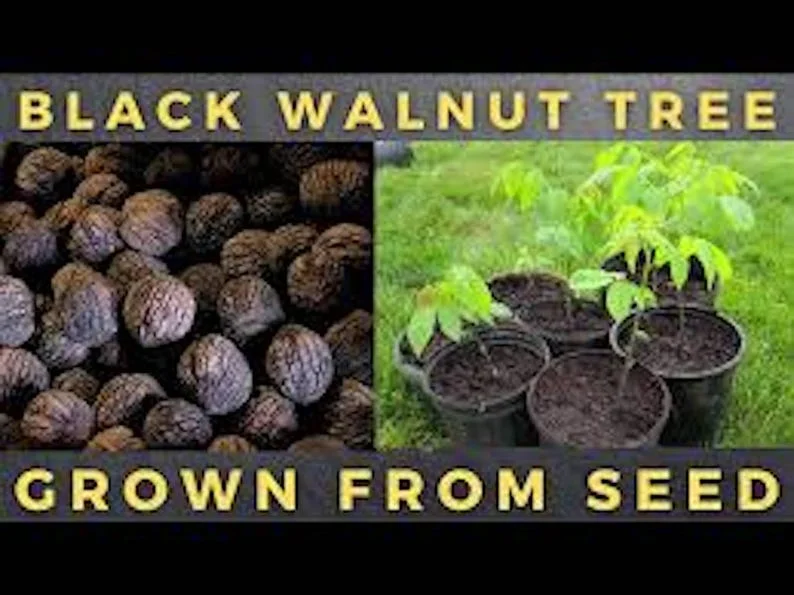
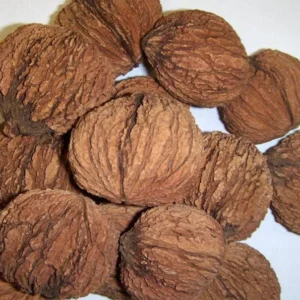
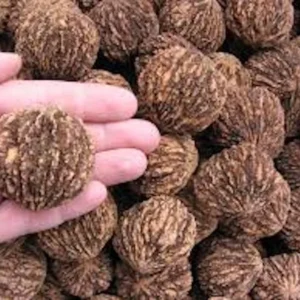
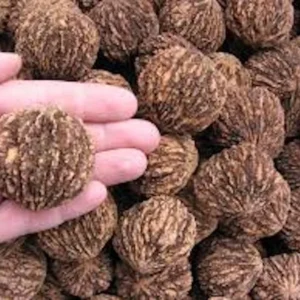
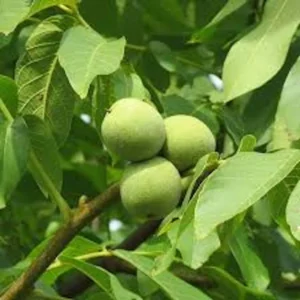
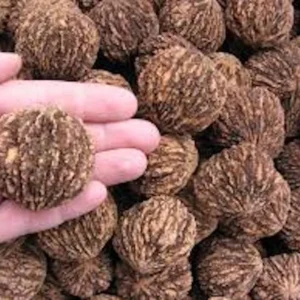
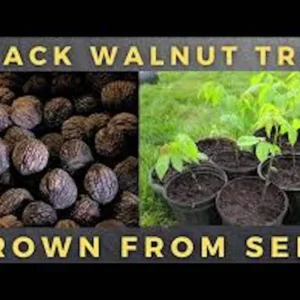
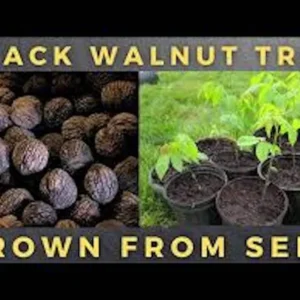
Start your sustainable garden with black walnut tree seeds. This pack contains 10 organic Juglans Nigra seeds, perfect for cultivating a black walnut nut garden. Enjoy delicious nuts, valuable timber, and attract local wildlife to your landscape.
Mar 03
Mar 08 - Mar 10
Mar 13 - Mar 17
USDA Hardiness Zone
Soil Type
Sunlight Exposure
Expected Planting Period
Shipping and return policies: Our Alive & Thrive Guarantee covers issues with your plants within the first 30 days. Get in touch with us via email, and our team will review your concerns and, if necessary, provide you with a one-time replacement at no cost.
If you're unsure about your hardiness zone, feel free to reach out to us. Our team will answer your questions and help you find the plants that are truly suitable for your environment, climate, and personal preferences.
Embark on a rewarding gardening journey with our premium black walnut tree seeds. Each pack contains 10 high-quality, organic Juglans Nigra seeds, carefully selected to ensure optimal germination and vigorous growth. Known for their distinctive flavor and highly prized timber, Black Walnut trees are a versatile and valuable addition to any property. These seeds offer a unique opportunity to grow black walnut trees from scratch, fostering a connection to nature and providing long-term benefits for your home and local ecosystem. Whether you’re an experienced horticulturist or a budding enthusiast, planting these seeds is the first step towards creating a productive and eco-friendly space.
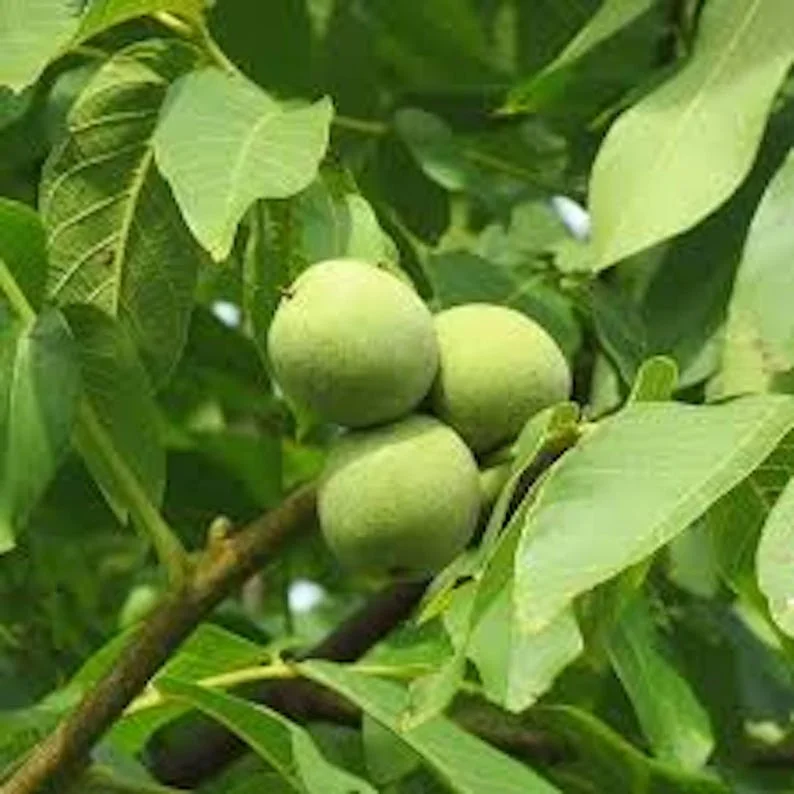
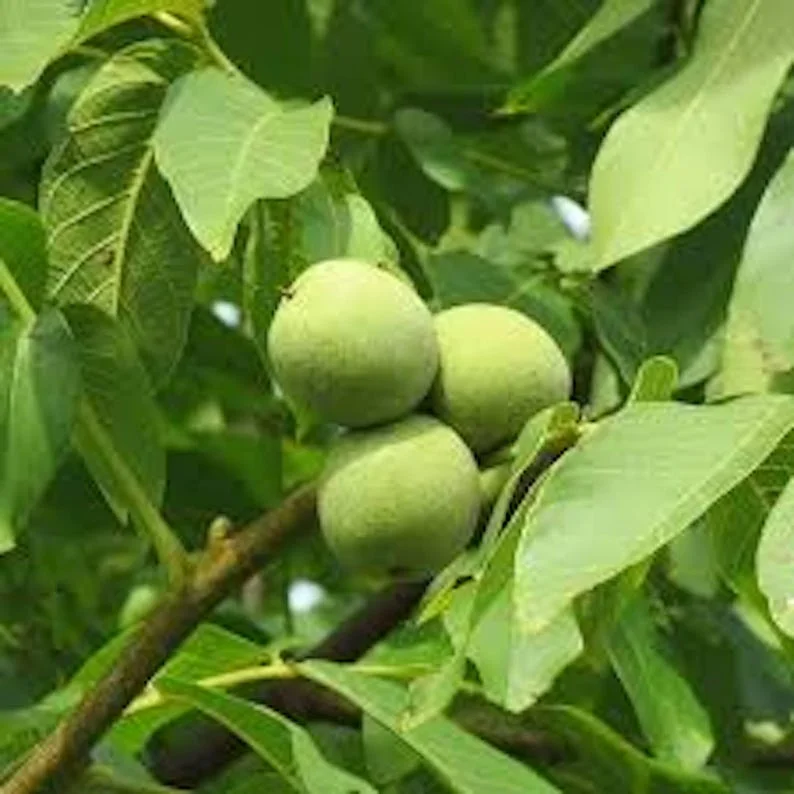
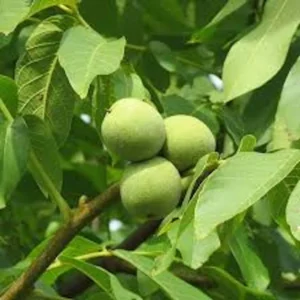
The Black Walnut (Juglans Nigra) is a majestic deciduous tree native to North America, celebrated for its rich, flavorful nuts and beautiful, durable wood. By choosing to plant black walnut, you are investing in a sustainable resource that will yield rewards for generations. Imagine harvesting your own nutrient-rich walnuts, perfect for snacking, baking, or culinary creations, directly from your backyard. Beyond their edible bounty, these trees contribute significantly to biodiversity, providing habitat and food for various wildlife species, making them an excellent choice for a truly sustainable garden.
Cultivating Black Walnut trees from seed offers a multitude of advantages, enhancing both your landscape and lifestyle. These resilient trees provide a sustainable source of food and timber, while also enriching your environment in numerous ways. Discover the compelling reasons to grow black walnut trees:
Successfully growing black walnut tree seeds requires understanding their specific needs and providing the right conditions. Black Walnut trees thrive in full sun, requiring at least 6 hours of direct sunlight per day to ensure robust growth and nut production. While young seedlings can tolerate some partial shade, mature trees will perform best with ample light. When choosing a planting site, consider the mature size of the tree, as they can grow quite large and cast significant shade.
The ideal soil for grow black walnut trees is well-drained, deep, and rich in organic matter. They prefer slightly acidic to neutral pH levels (6.0-7.0). Avoid heavy clay soils that retain too much moisture or very sandy soils that drain too quickly. Incorporating compost or other organic amendments into the planting site will greatly benefit the young trees. Consistent moisture is crucial for germination and the establishment of young seedlings, but mature trees are quite drought-tolerant once established. Water deeply and regularly during dry periods, especially in the first few years after planting.
For best results, stratify your organic Juglans Nigra seeds before planting. This process mimics natural winter conditions and breaks dormancy. You can achieve this by placing the seeds in a moist medium (like sand or peat moss) in a sealed container and refrigerating them for 3-4 months at temperatures between 34-41°F (1-5°C). Plant the stratified seeds in the fall or early spring, about 2-3 inches deep. Protect young seedlings from pests and competition from weeds. Fertilization is generally not necessary in the first year if the soil is rich, but a balanced slow-release fertilizer can be applied in subsequent years to promote vigor. These trees are hardy, typically thriving in USDA zones 4-9, making them suitable for a wide range of climates across the US. Learning how to plant black walnut correctly ensures a strong start for your future nut-bearing trees.
This offering includes 10 premium black walnut tree seeds (Juglans Nigra), ready for planting. These seeds are carefully selected to give you the best chance of successful germination and establishment of your own Black Walnut grove. Black Walnut trees are known for their impressive mature size, typically reaching heights of 50-75 feet with a similar spread of 50-75 feet. Their growth rate is moderate to fast, depending on growing conditions, often adding 1-2 feet of height per year in optimal environments. While the seeds themselves are compact, they hold the potential for significant growth.
Once planted, expect germination to occur in the spring following stratification. Young trees will establish roots and begin to grow vertically. Black Walnut trees typically begin producing nuts within 5-7 years after planting, with full production achieved around 10-15 years. The nuts mature in the fall, usually from September to October. These black walnut tree seeds are an excellent choice for those looking to cultivate a long-term, sustainable food and timber source, contributing to both personal enjoyment and ecological well-being.
You must be logged in to post a review.
Sold 63 products
Original price was: $50.99.$23.99Current price is: $23.99.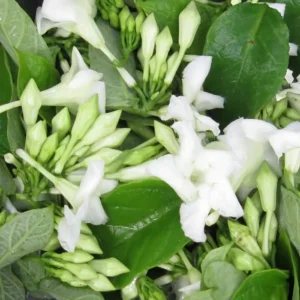
Seeds
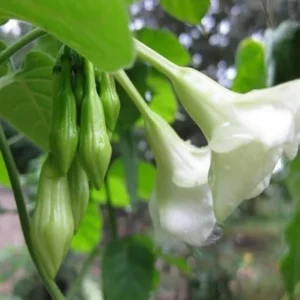
Fernaldia Pandurata Seeds – White Loroco Climbing Vine Seeds – Perennial, Edible Flowers, Fragrant
Sold 73 products
Original price was: $12.99.$7.99Current price is: $7.99.
Sold 50 products
Original price was: $32.99.$16.99Current price is: $16.99.
Sold 67 products
Original price was: $30.99.$15.99Current price is: $15.99.
Sold 90 products
Original price was: $29.98.$19.98Current price is: $19.98.
Sold 65 products
Original price was: $29.99.$16.99Current price is: $16.99.
Sold 90 products
Original price was: $35.99.$18.99Current price is: $18.99.
Sold 77 products
Original price was: $59.99.$39.99Current price is: $39.99.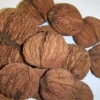


Reviews
There are no reviews yet.