NEED SUPPORT WITH YOUR ORDER? Get in touch
Not satisfied with your purchase?
Enter your Order ID on website, and we'll resolve it right away.

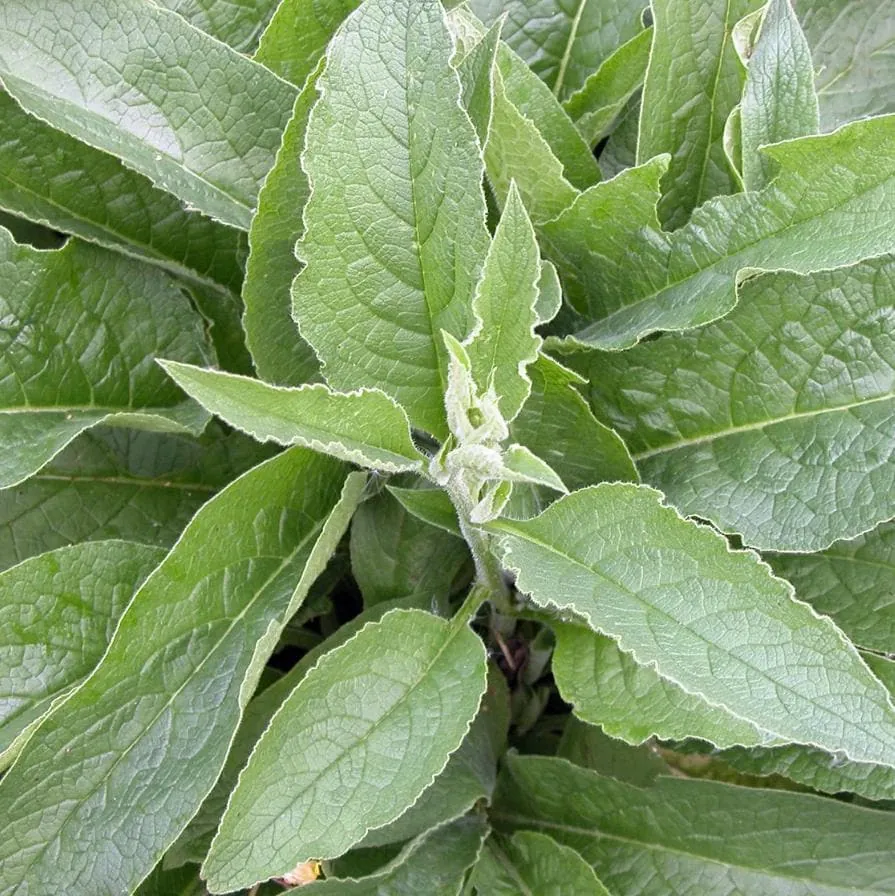
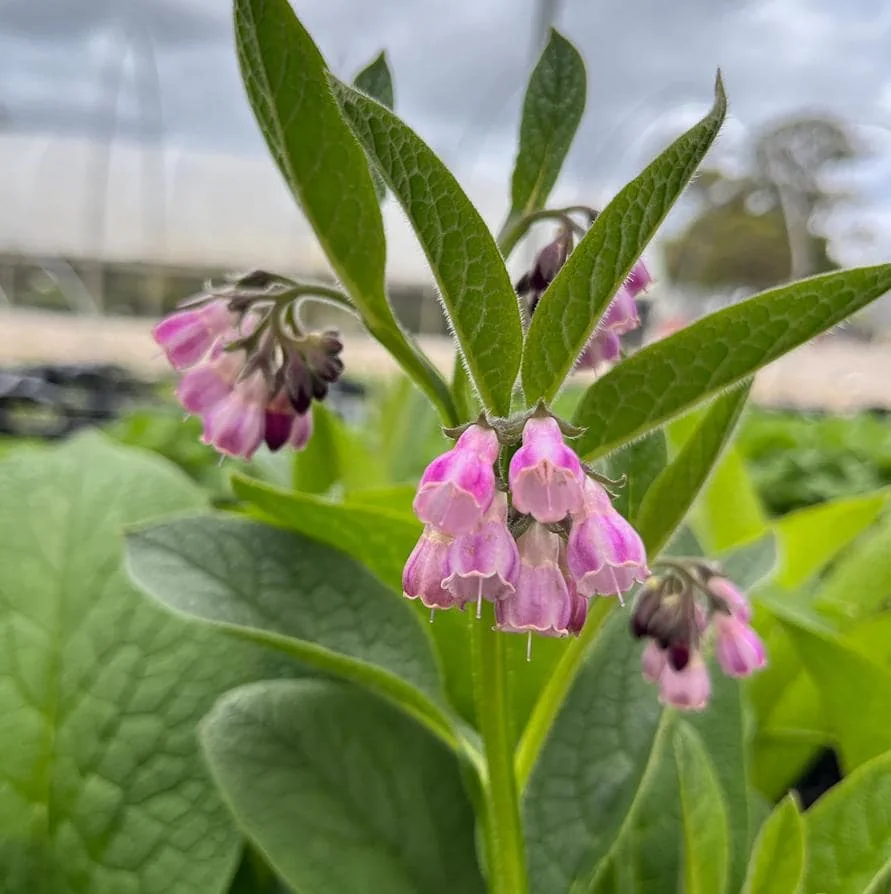
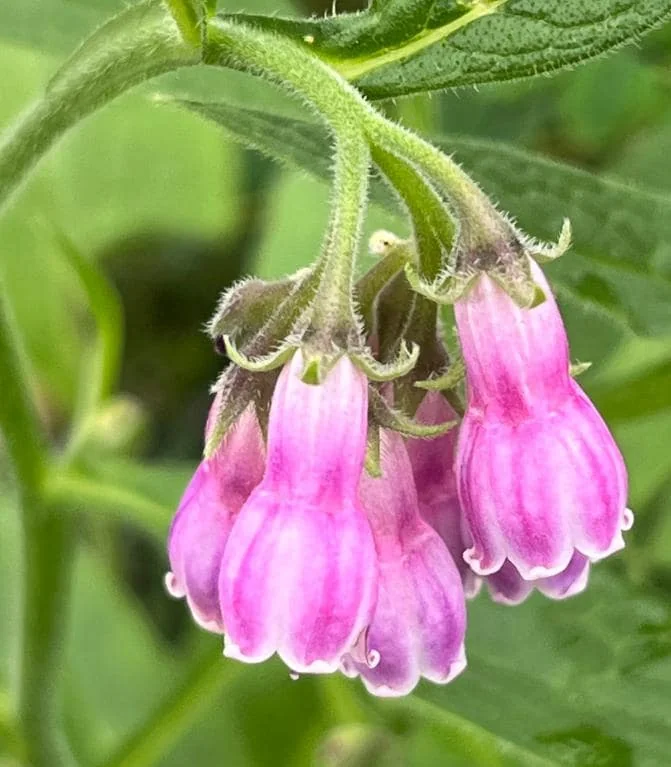
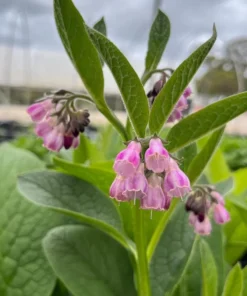
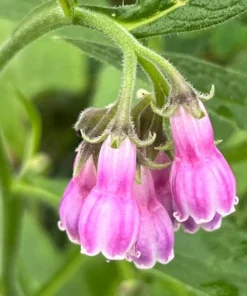
Original price was: $37.98.$19.99Current price is: $19.99.
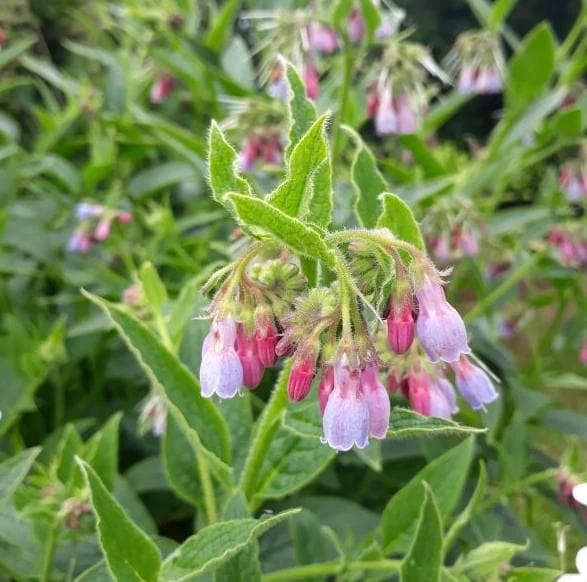
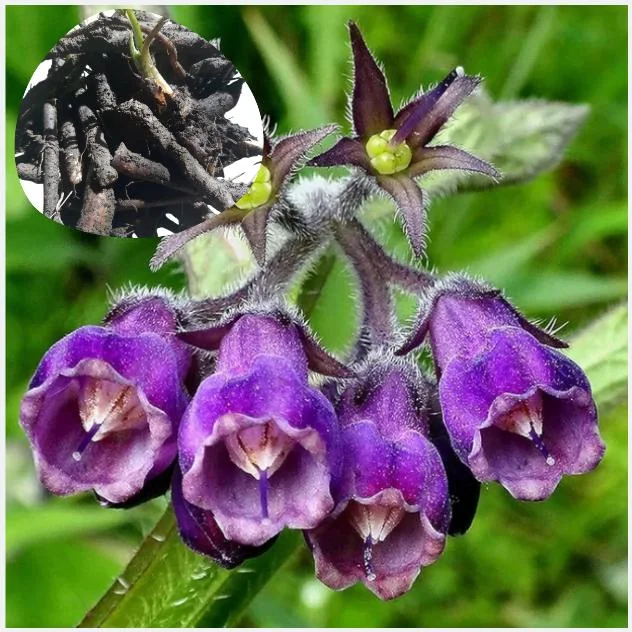
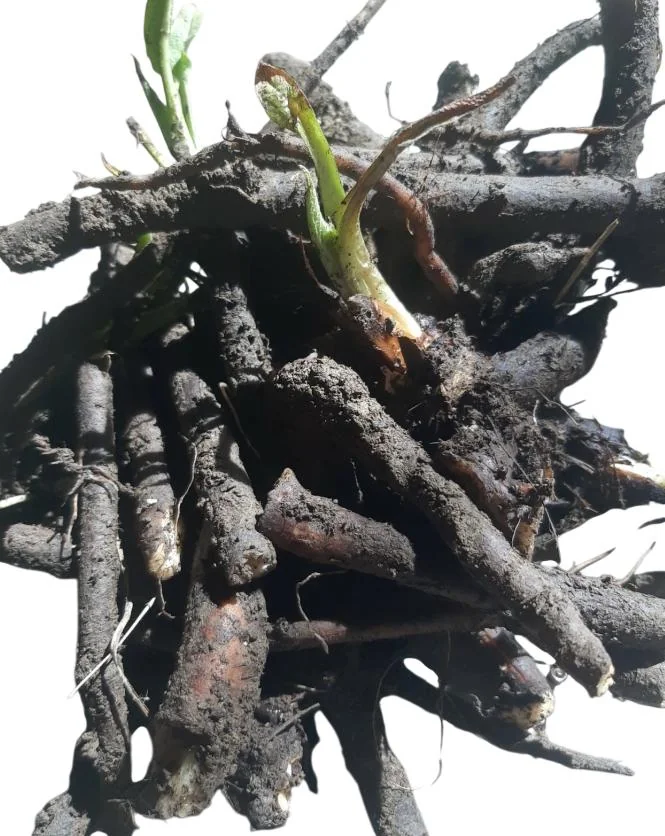
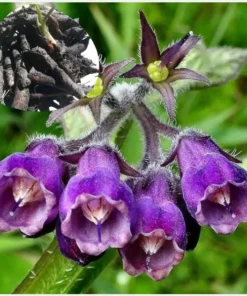
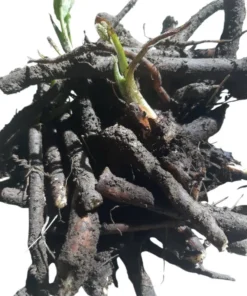
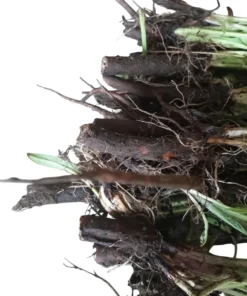
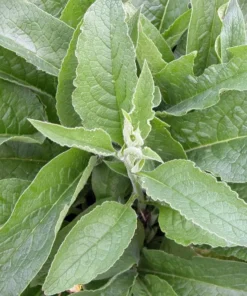
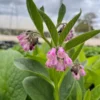
bocking 14 comfrey plant roots, a hardy perennial known for its vigorous growth. These 4-inch roots establish easily, providing abundant leaves for natural mulch, compost, and garden fertilizer. Perfect for sustainable gardening.
Feb 04
Feb 09 - Feb 11
Feb 14 - Feb 18
USDA Hardiness Zone
Soil Type
Sunlight Exposure
Expected Planting Period
Shipping and return policies: Our Alive & Thrive Guarantee covers issues with your plants within the first 30 days. Get in touch with us via email, and our team will review your concerns and, if necessary, provide you with a one-time replacement at no cost.
If you're unsure about your hardiness zone, feel free to reach out to us. Our team will answer your questions and help you find the plants that are truly suitable for your environment, climate, and personal preferences.
Discover the incredible utility of bocking 14 comfrey plant roots, a must-have for any eco-conscious gardener. Known scientifically as Symphytum officinale, and often referred to as Russian Comfrey or Sterile Comfrey, this remarkable perennial offers a wealth of benefits without the worry of uncontrolled spreading from seed. Our offering includes 10 packs of 4-inch roots, ready for planting, ensuring a robust start to your comfrey patch. This specific variety, ‘Bocking 14’, is prized for its high nutrient accumulation and vigorous growth, making it an invaluable asset for improving soil health and supporting other plants in your garden ecosystem. Planting these bocking 14 comfrey plant roots is an investment in a more sustainable and productive garden.
Originating from Europe and Asia, comfrey has a long history of use in agriculture and traditional medicine. The ‘Bocking 14’ cultivar was developed for its sterility, meaning it won’t produce viable seeds, thus preventing it from becoming invasive. This makes it an ideal choice for gardeners who want to harness the power of comfrey without concerns about its spread. Its deep taproot system allows it to draw nutrients from deep within the soil, making them available to other plants when its leaves are used as mulch or in compost. Embrace the power of nature with these versatile bocking 14 comfrey plant roots.
Adding bocking 14 comfrey plant roots to your garden offers numerous advantages, contributing to a healthier and more sustainable growing environment. This hardy perennial is an excellent choice for gardeners seeking natural ways to enhance their soil and plant vitality.
Caring for your bocking 14 comfrey plant roots is straightforward, as this perennial is known for its resilience and vigorous growth once established. To ensure optimal development, plant the 4-inch roots horizontally, about 2–3 inches deep, in loose, well-drained soil. A sunny to partial shade location is ideal; while comfrey can tolerate some shade, full sun will encourage the most prolific leaf production. Proper soil preparation is key; enriching the planting area with organic matter will provide a strong foundation for these nutrient-hungry plants.
Watering is crucial during the initial establishment phase. Keep the soil consistently moist after planting and throughout the first few weeks to help the roots take hold. Once mature, comfrey is quite drought-tolerant due to its deep taproot system, but regular watering during dry spells will maximize leaf yield. As for soil type, comfrey thrives in a wide range but prefers a slightly acidic to neutral pH. Good drainage is essential to prevent root rot. These plants are hardy perennials, resprouting year after year, typically in USDA zones 3-9. Minimal fertilization is needed once established, as comfrey itself acts as a dynamic accumulator, bringing nutrients to the surface. For an even more robust harvest, consider a balanced organic fertilizer in early spring.
Harvesting comfrey leaves can begin once the plant is well-established, usually a few months after planting. Cut the leaves about 2 inches above the ground, making sure to leave some foliage to allow the plant to regenerate. You can typically get 3-5 harvests per season. Using russian comfrey for garden applications like mulch or compost tea is highly effective. Watch out for slugs and snails when plants are young, though mature comfrey is generally pest-resistant. Understanding the many bocking 14 comfrey uses will help you integrate this valuable plant into your garden design effectively.
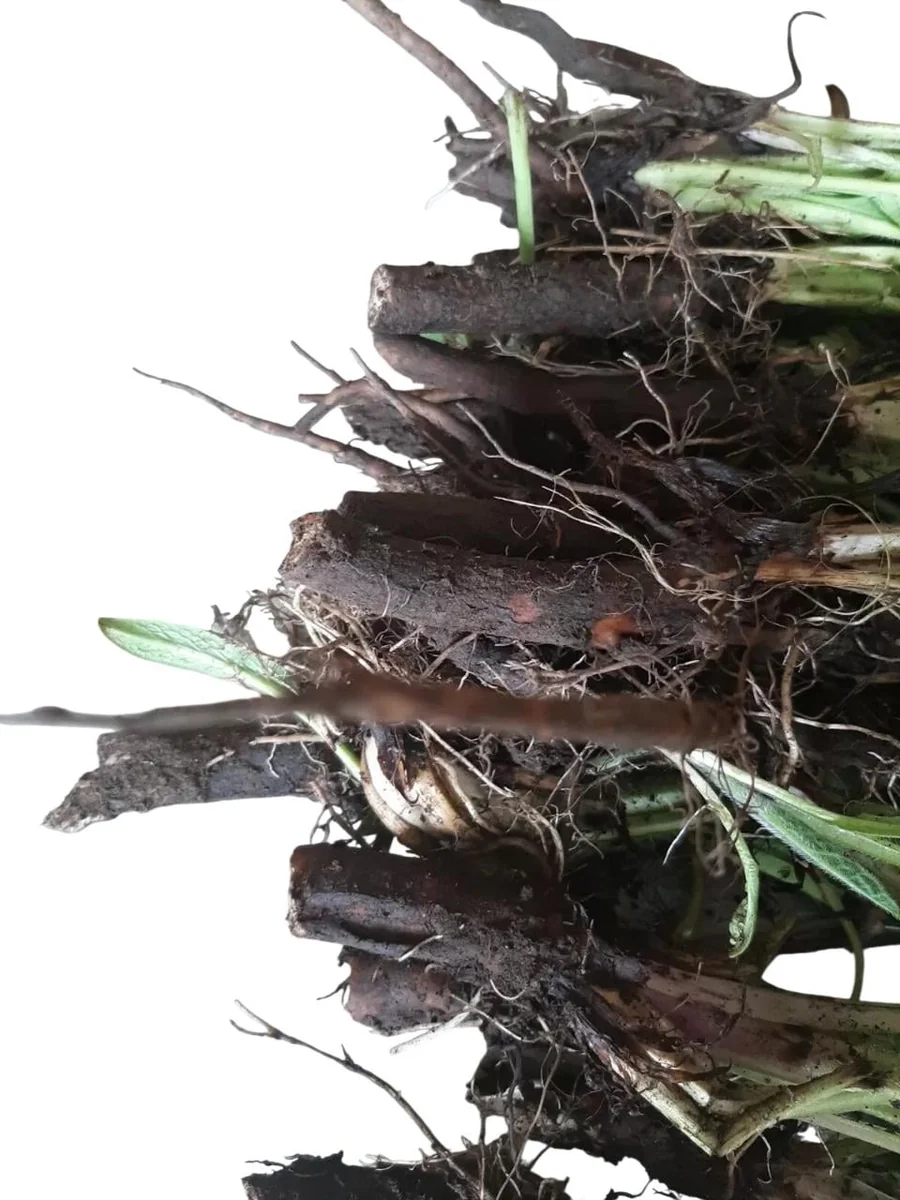
This offering includes 10 packs of bocking 14 comfrey plant roots, each root measuring approximately 4 inches long. These bare root divisions are ready for immediate planting upon arrival and are the most efficient way to establish a comfrey patch, as the ‘Bocking 14’ variety is sterile and cannot be grown from seed. Once planted, these hardy perennials will quickly develop into large, bushy plants, typically reaching 2-3 feet in height and spreading 2-4 feet wide within one to two growing seasons. The vigorous growth habit ensures a continuous supply of nutrient-rich leaves throughout the warmer months. These plants are shipped dormant and will leaf out rapidly after planting in suitable conditions.
You must be logged in to post a review.

Sold 97 products
Original price was: $31.98.$15.99Current price is: $15.99.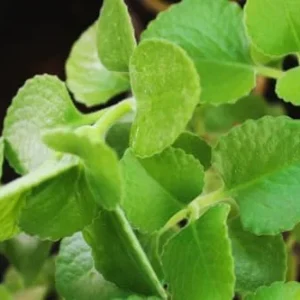
Sold 53 products
Original price was: $35.98.$17.99Current price is: $17.99.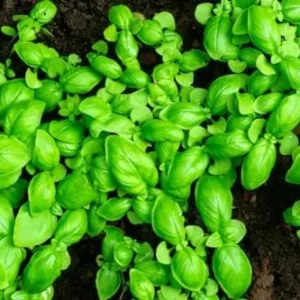
Sold 57 products
Original price was: $59.40.$29.70Current price is: $29.70.
Sold 72 products
Original price was: $89.82.$44.91Current price is: $44.91.
Sold 61 products
Original price was: $45.98.$22.99Current price is: $22.99.
Sold 93 products
Original price was: $45.98.$22.99Current price is: $22.99.
Sold 59 products
Original price was: $47.98.$23.99Current price is: $23.99.
Sold 67 products
Original price was: $67.98.$33.99Current price is: $33.99.


Reviews
There are no reviews yet.