NEED SUPPORT WITH YOUR ORDER? Get in touch
Not satisfied with your purchase?
Enter your Order ID on website, and we'll resolve it right away.

Original price was: $75.99.$42.99Current price is: $42.99.
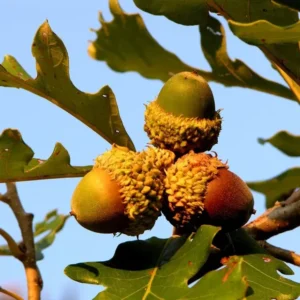
Plant a magnificent Bur Oak live tree, also known as Quercus macrocarpa, to create a lasting legacy in your landscape. This slow-growing shade tree offers impressive beauty, provides vital food for wildlife with its large acorns, and significantly increases property value. Shipped bare root for optimal establishment.
Mar 03
Mar 08 - Mar 10
Mar 13 - Mar 17
USDA Hardiness Zone
Soil Type
Sunlight Exposure
Expected Planting Period
No Shipping To
Shipping and return policies: Our Alive & Thrive Guarantee covers issues with your plants within the first 30 days. Get in touch with us via email, and our team will review your concerns and, if necessary, provide you with a one-time replacement at no cost.
If you're unsure about your hardiness zone, feel free to reach out to us. Our team will answer your questions and help you find the plants that are truly suitable for your environment, climate, and personal preferences.
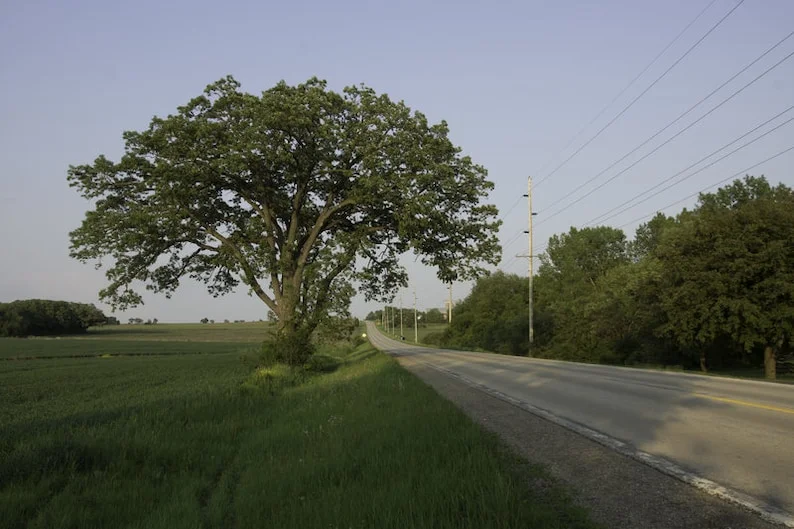
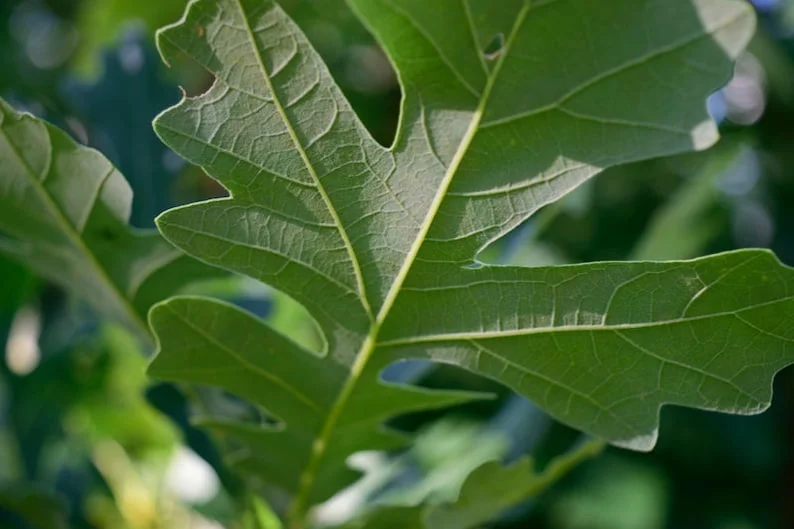
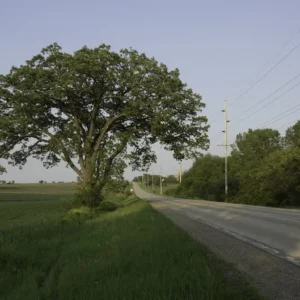
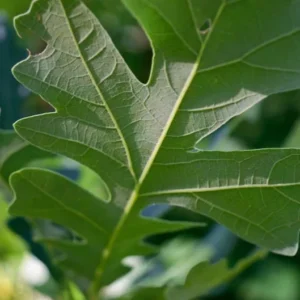
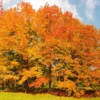
Introduce a touch of timeless grandeur to your property with the magnificent Bur Oak live tree (Quercus macrocarpa). This majestic shade tree is celebrated for its impressive size, robust nature, and the distinctive, large acorns it produces. Native to North America, the Bur Oak live tree is a superb choice for those seeking a long-lasting and impactful addition to their landscape, promising generations of beauty and ecological benefits. While it demands patience due to its slow growth, the enduring resilience and adaptability of this tree make it a top contender for a wide array of climates and soil conditions, ensuring it will flourish and become a cherished centerpiece of your outdoor space. Its deep roots and spreading canopy provide unparalleled shade, making it an ideal choice for creating cool, inviting outdoor living areas.
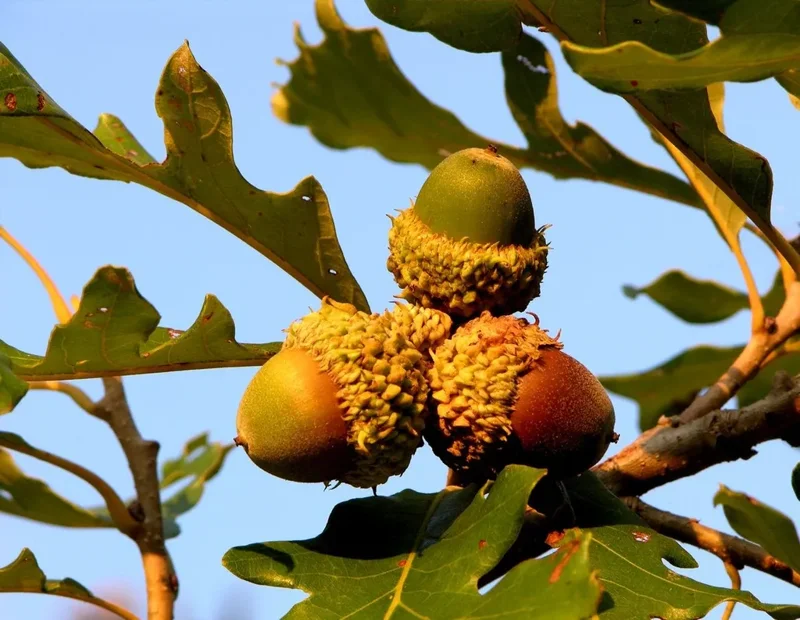
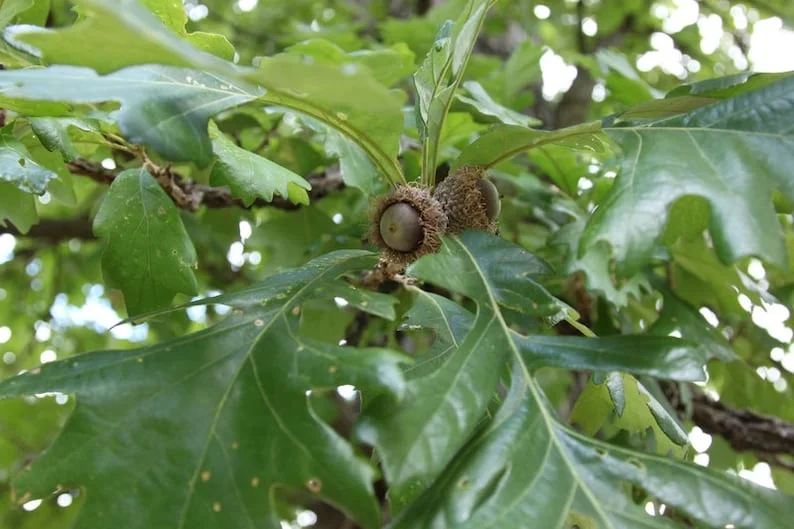
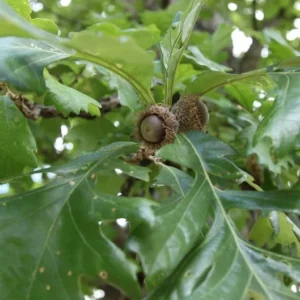
The Bur Oak live tree is more than just a shade provider; it’s a living ecosystem. Its substantial acorns, which can grow up to 2 inches long, are a critical food source for various wildlife, including deer, rabbits, and numerous bird species, enhancing biodiversity in your yard. Beyond its ecological contributions, the wood of the Bur Oak is highly valued, often marketed as white oak, making it a valuable timber resource. Its natural fire-tolerance further adds to its robustness and appeal as a landscape feature, ensuring it remains a strong and beautiful presence for centuries. Consider the Bur Oak live tree for an investment that pays dividends in beauty, ecological health, and property value.
Planting a Bur Oak live tree offers a multitude of advantages, transforming your landscape into a vibrant and valuable space. From providing essential shade to supporting local wildlife, this tree is a truly exceptional choice for any homeowner.
Caring for your Bur Oak live tree is a rewarding endeavor that ensures its healthy growth and longevity. This adaptable tree, also known as Quercus macrocarpa, is relatively low-maintenance once established, but proper initial care is crucial. It thrives best in USDA Zones 3-9, demonstrating its wide adaptability across various climates. When it comes to soil, the Bur Oak prefers well-drained sandy loam but is highly tolerant of a range of soil types, including clay and rocky soils, as long as they are not waterlogged. Good drainage is key to preventing root issues.
For optimal growth, the Bur Oak live tree requires full sun, meaning at least six hours of direct sunlight per day. While it can tolerate partial shade, its growth will be slower, and its canopy less dense. Watering is essential during the establishment phase; keep the soil consistently moist but not saturated. Once mature, Bur Oaks are quite drought-tolerant, but supplemental watering during prolonged dry periods will benefit their health. Fertilization is generally not necessary in rich soils, but a balanced slow-release fertilizer can be applied in early spring for younger trees in poorer soils. Pruning should focus on removing dead, damaged, or crossing branches to maintain a strong structure and healthy canopy. Regular inspection for pests and diseases, though rare for this robust species, can help address any issues promptly.
The best time to plant your Bur Oak live tree is during the dormant season, either in late fall after leaf drop or in early spring before bud break. This minimizes transplant shock and allows the tree to establish its root system before the stress of summer heat. When planting, ensure the root flare is at or slightly above ground level. For specific guidance on planting your bare root tree and ensuring the best start for your long-lasting oak tree, follow the easy-to-understand instructions provided with your order.
This offering is for a Bur Oak live tree, shipped as a bare root specimen. Bare root trees are dormant plants without soil around their roots, which minimizes transplant shock and encourages rapid root establishment in their new environment. The exact height of the bare root sapling will vary but is typically ready for immediate planting upon arrival. The Bur Oak is a slow-growing species, but its ultimate size is truly impressive. It can reach a mature height of 70-80 feet with a massive trunk diameter of up to 10 feet, creating an imposing and beautiful presence in the landscape. Its spreading canopy can also extend 60-80 feet wide, providing extensive shade. Patience is key with this species, but the reward is a tree that can live for hundreds of years, becoming a treasured part of your property for generations.
You must be logged in to post a review.
Sold 89 products
Original price was: $55.98.$27.99Current price is: $27.99.
Sold 81 products
Original price was: $59.92.$29.96Current price is: $29.96.
Sold 72 products
Original price was: $219.98.$109.99Current price is: $109.99.
Sold 60 products
Original price was: $35.98.$17.99Current price is: $17.99.
Sold 64 products
Original price was: $59.98.$29.99Current price is: $29.99.
Sold 67 products
Original price was: $243.98.$121.99Current price is: $121.99.
Sold 93 products
Original price was: $243.98.$121.99Current price is: $121.99.
Sold 86 products
Original price was: $59.98.$29.99Current price is: $29.99.
Reviews
There are no reviews yet.