NEED SUPPORT WITH YOUR ORDER? Get in touch
Not satisfied with your purchase?
Enter your Order ID on website, and we'll resolve it right away.





Original price was: $55.99.$32.99Current price is: $32.99.
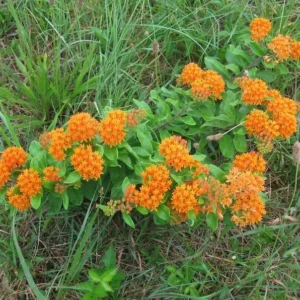
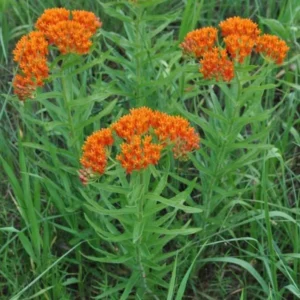
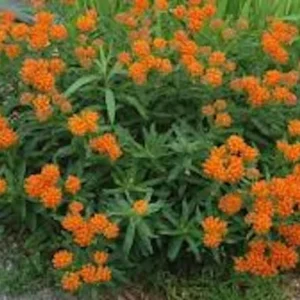
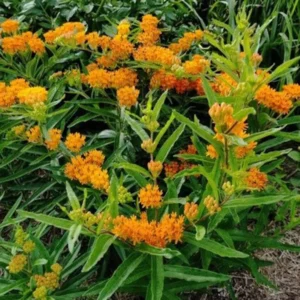
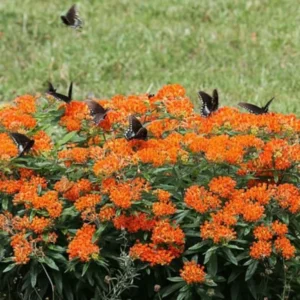
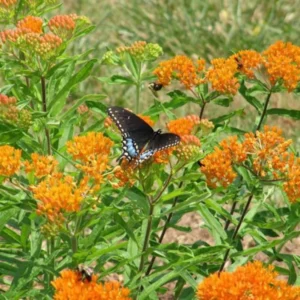
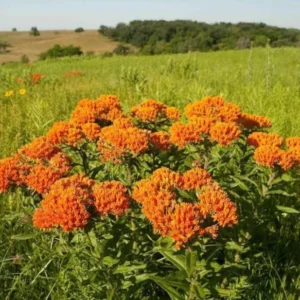
Cultivate a vibrant, pollinator-friendly garden with our butterfly weed plant bare roots. This 3-pack of organic asclepias tuberosa plant care supports monarch butterflies and offers stunning orange blooms. Ideal for sustainable, low-maintenance landscaping.
Mar 03
Mar 08 - Mar 10
Mar 13 - Mar 17
USDA Hardiness Zone
Soil Type
Sunlight Exposure
Expected Planting Period
Shipping and return policies: Our Alive & Thrive Guarantee covers issues with your plants within the first 30 days. Get in touch with us via email, and our team will review your concerns and, if necessary, provide you with a one-time replacement at no cost.
If you're unsure about your hardiness zone, feel free to reach out to us. Our team will answer your questions and help you find the plants that are truly suitable for your environment, climate, and personal preferences.
Transform your outdoor space into a haven for pollinators with our premium butterfly weed plant bare roots. This listing provides three organically grown bare roots of Asclepias Tuberosa, commonly known as Butterfly Weed or Pleurisy Root. These native wildflowers are renowned for their striking orange blooms and, more importantly, their crucial role as a host plant for monarch butterfly caterpillars. By planting these bare roots, you’re not only adding vibrant color and natural beauty to your garden but also making a significant contribution to the conservation of these essential pollinators. Our organic milkweed wildflower bare roots are ready to establish and flourish, offering an environmentally friendly and cost-effective way to enhance your landscape.
The Asclepias Tuberosa is a hardy and resilient species, well-suited to various North American climates. Unlike some other milkweed varieties, Butterfly Weed does not have milky sap, making it uniquely attractive for garden use. These bare roots ship without foliage or a pot, ensuring optimal condition upon arrival and simplifying the planting process. Embrace sustainable gardening practices and create a thriving ecosystem with these vital plants.
Integrating butterfly weed plant bare roots into your garden offers a multitude of ecological and aesthetic advantages. These plants are a cornerstone for biodiversity, providing essential resources for various wildlife. Here are some of the key benefits you’ll enjoy:
Proper asclepias tuberosa plant care ensures your Butterfly Weed will thrive and provide years of beauty and ecological benefit. These plants are relatively easy to grow, especially when their basic needs are met. For optimal growth and prolific blooms, consider the following guidelines:
Sunlight Requirements: Butterfly Weed thrives in full sun, requiring at least 6-8 hours of direct sunlight per day. Plant them in an area that receives ample sunshine throughout the day for the best flowering performance and robust growth. While they can tolerate some partial shade, flowering may be reduced.
Watering: When first planting your butterfly weed plant bare roots, water regularly to help establish the root system. Keep the soil consistently moist but not waterlogged for the first few weeks. Once established (typically after the first growing season), Asclepias Tuberosa is a remarkably drought tolerant native plant and requires minimal watering. It prefers drier conditions and can tolerate extended periods without rain, making it an ideal choice for water-wise gardens.
Soil Type and Drainage: Well-drained soil is crucial for Butterfly Weed. They prefer sandy, loamy, or even rocky soils and do not tolerate heavy clay soils that retain too much moisture, which can lead to root rot. Ensure your planting site has good drainage. A slightly acidic to neutral pH (6.0-7.0) is ideal, but they are generally adaptable.
Temperature Range and USDA Hardiness Zone: Asclepias Tuberosa is a hardy perennial, typically thriving in USDA Hardiness Zones 3-9. It can withstand cold winters and hot summers, making it suitable for a wide range of climates. These plants are accustomed to fluctuating temperatures common in their native habitats.
Fertilization: This native wildflower generally does not require much fertilization. In fact, rich soil can sometimes lead to leggy growth and fewer blooms. If your soil is very poor, a light application of a balanced, slow-release organic fertilizer in early spring can be beneficial. Avoid over-fertilizing.
Common Problems: Butterfly Weed is generally pest and disease resistant. Aphids can occasionally be an issue, but they usually don’t cause significant harm and can often be dislodged with a strong spray of water. Black spot or powdery mildew can occur in very humid conditions or if plants are too crowded; ensure good air circulation to prevent this. This hardy monarch butterfly host plant is known for its resilience.
This offering includes three individual butterfly weed plant bare roots, ready for planting upon arrival. These bare roots typically range from 3-5 inches in length, ensuring they have ample energy reserves for healthy growth and establishment. When mature, Asclepias Tuberosa plants generally reach a height of 1 to 3 feet and spread about 1 to 2 feet wide, forming an upright, bushy clump. They are shipped in their dormant state, without foliage or a pot, which is the most effective and environmentally friendly way to transport them. Expect first blooms in the summer, usually from June to September, providing a continuous source of nectar for pollinators. The growth rate is moderate, with plants establishing well in their first year and reaching full size within 2-3 years. Planting these bare roots allows for robust root development and a strong start for your organic milkweed wildflower.
You must be logged in to post a review.
Sold 73 products
Original price was: $79.98.$39.99Current price is: $39.99.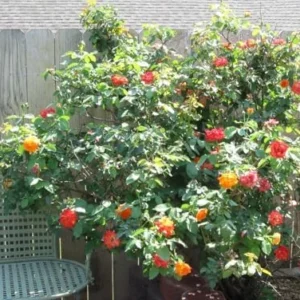
Flower Plants
Climbing Rose Plant – Gold Orange & Pink – 1 Year Old Starter Plant – Outdoor Fragrant Rose
Sold 79 products
Original price was: $19.98.$9.99Current price is: $9.99.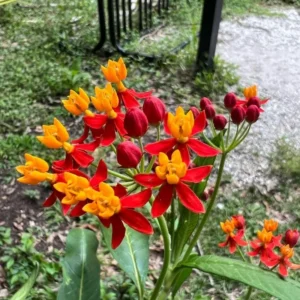
Sold 67 products
Original price was: $49.96.$24.98Current price is: $24.98.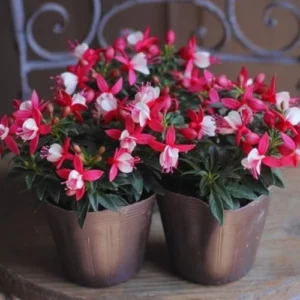
Sold 65 products
Original price was: $37.92.$18.96Current price is: $18.96.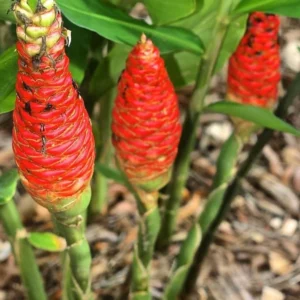
Flower Plants
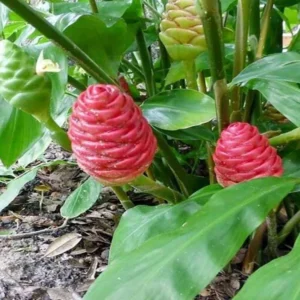
Awapuhi Shampoo Ginger Plant Live, Zingiber Zerumbet Plant Pinecone Ginger Plant for Garden, No Pot
Sold 99 products
Original price was: $55.99.$28.99Current price is: $28.99.
Sold 59 products
Original price was: $69.98.$34.99Current price is: $34.99.
Sold 91 products
Original price was: $79.96.$39.98Current price is: $39.98.
Sold 54 products
Original price was: $59.96.$29.98Current price is: $29.98.


Reviews
There are no reviews yet.