NEED SUPPORT WITH YOUR ORDER? Get in touch
Not satisfied with your purchase?
Enter your Order ID on website, and we'll resolve it right away.

Original price was: $77.99.$46.99Current price is: $46.99.
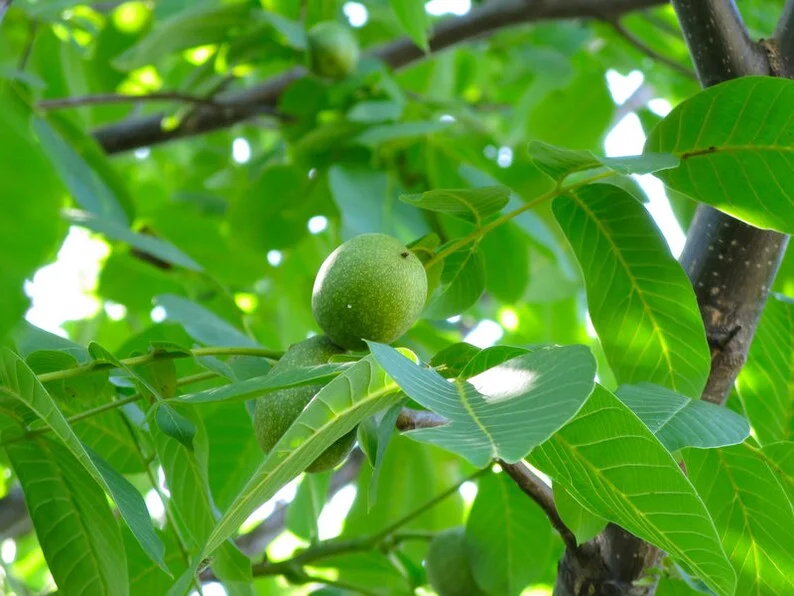
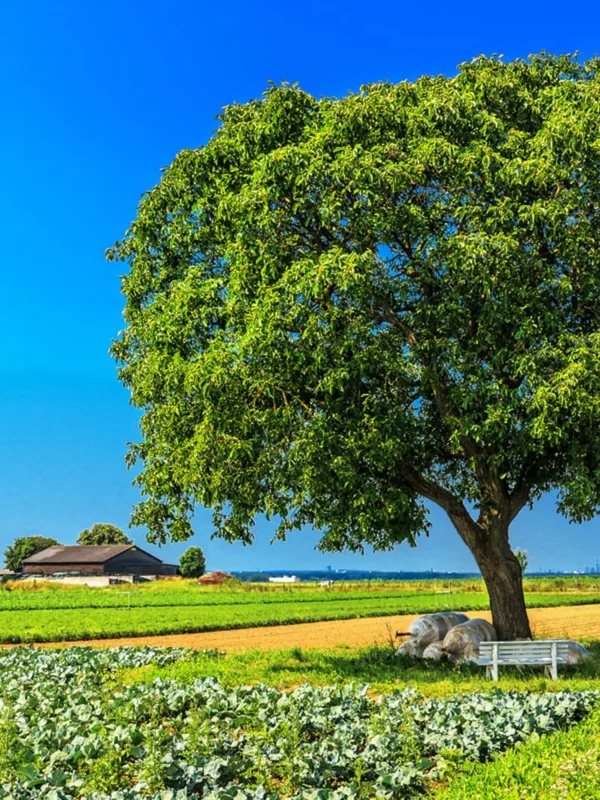
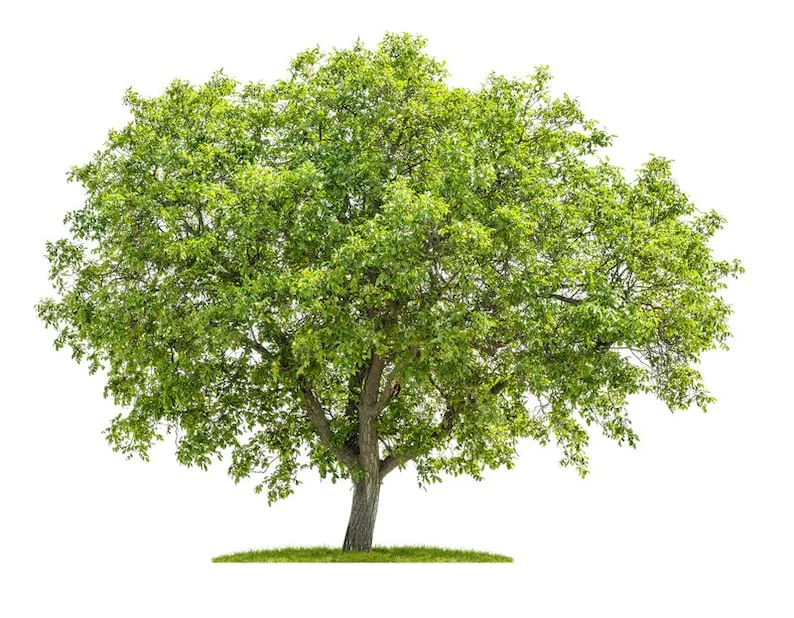
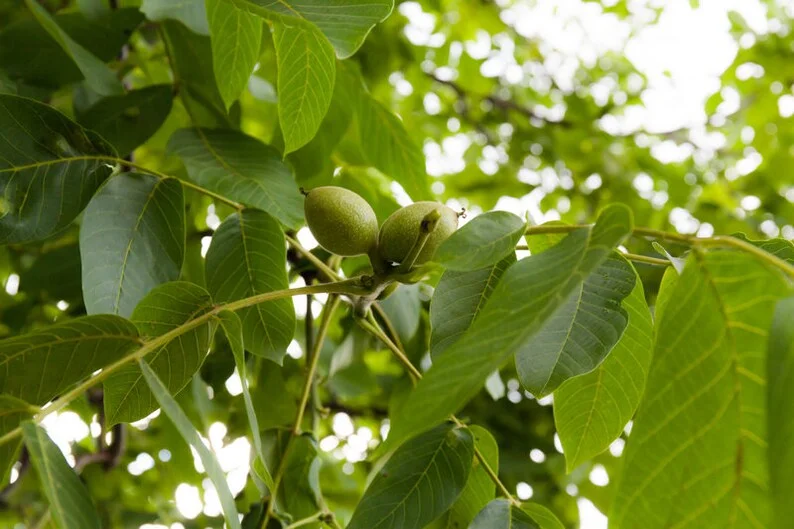
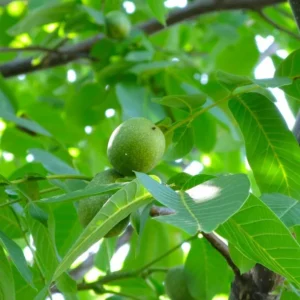
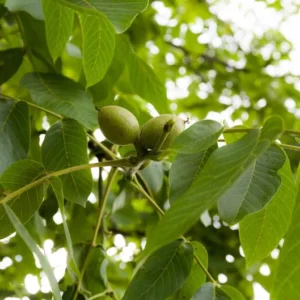
Cultivate your own butternut tree live plant, also known as white walnut tree (Juglans cinerea). This impressive, cold-hardy bare root tree offers both delicious, buttery nuts for culinary use and ample shade for your landscape.
Mar 03
Mar 08 - Mar 10
Mar 13 - Mar 17
USDA Hardiness Zone
Soil Type
Sunlight Exposure
Expected Planting Period
No Shipping To
Shipping and return policies: Our Alive & Thrive Guarantee covers issues with your plants within the first 30 days. Get in touch with us via email, and our team will review your concerns and, if necessary, provide you with a one-time replacement at no cost.
If you're unsure about your hardiness zone, feel free to reach out to us. Our team will answer your questions and help you find the plants that are truly suitable for your environment, climate, and personal preferences.
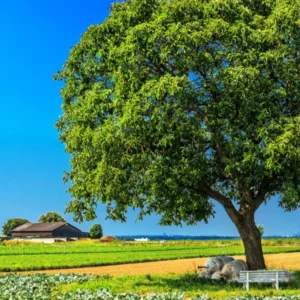
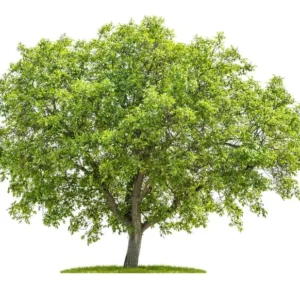
Embark on a rewarding gardening journey by planting a butternut tree live plant. Scientifically known as Juglans cinerea, this remarkable species is also widely recognized as the white walnut tree. It’s a fantastic dual-purpose addition to any garden or larger property, providing both a bountiful harvest of delicious nuts and significant shade. Our butternut trees are shipped as field-grown, bare root specimens, ensuring they are in a dormant state for optimal transplant success. These resilient trees are celebrated for their distinctive nuts, which feature a rich, buttery, and sweet flavor, making them ideal for baking, snacking, and various culinary applications. Beyond its edible offerings, the juglans cinerea tree matures into a stately shade tree, enhancing the aesthetic and comfort of your outdoor living space with its extensive canopy, particularly during the warmer months.
The butternuts, or white walnuts, are produced in drooping clusters and typically ripen from late August to late September. You can anticipate your tree beginning to bear fruit within 2-3 years after planting, offering a relatively quick turnaround for a nut tree. While the butternut tree live plant is self-pollinating, planting two trees is highly recommended to significantly increase nut yield through cross-pollination. This cold-hardy species is well-suited for a wide range of climates, making it a reliable and long-lasting investment for your landscape. Embrace the opportunity to grow your own source of fresh, flavorful nuts and enjoy the beauty of a mature shade tree.
Adding a butternut tree live plant to your landscape brings a multitude of advantages, enriching your outdoor environment and providing a sustainable source of delicious food. This versatile tree is more than just a beautiful specimen; it’s a productive and resilient choice for many gardeners.
Caring for your butternut tree live plant involves understanding its specific needs to ensure robust growth and abundant nut production. These trees are quite hardy, but providing optimal conditions from the start will lead to the best results. They prefer a location that receives full sun, meaning at least 6 hours of direct sunlight per day. Adequate sunlight is crucial for both healthy development of the tree and the ripening of its nuts. When watering, ensure the soil remains consistently moist, especially during its establishment phase in the first year. However, it is paramount to avoid waterlogging, as butternuts thrive in well-drained soil.
The ideal soil type for a white walnut tree is a deep, rich, well-draining loam. While adaptable, they do not perform well in heavy, compacted clay soils or overly sandy soils that drain too quickly. Amending your planting site with organic matter can significantly improve soil structure and fertility. These trees are cold-hardy, suitable for USDA zones 3-9, indicating their resilience to colder temperatures. Fertilization can be beneficial, particularly for young trees, using a balanced slow-release fertilizer in early spring. Mature trees generally require less fertilization if planted in fertile soil. Monitor for common walnut tree pests and diseases, addressing any issues promptly to maintain the health of your juglans cinerea tree. Proper care will ensure your tree develops into a strong, productive specimen, yielding plenty of delicious nuts.
The butternut tree live plant typically matures to an impressive height of 40-50 feet, making it an excellent choice for a large landscape or as a prominent shade tree for garden. Its spread can also be substantial, providing a wide canopy. These trees are field-grown and shipped to you in a dormant, bare-root state, meaning they will arrive without leaves and free of soil or a planter pot. This method ensures minimal stress during transit and promotes healthy root development upon planting. They should be planted directly into the ground and are not suitable for container growing. Expect your nut tree for sale to begin bearing fruit within 2-3 years after planting, with nut ripening occurring from late August to late September. For optimal yields, consider planting two trees to encourage cross-pollination.
You must be logged in to post a review.
Sold 67 products
Original price was: $319.98.$159.99Current price is: $159.99.
Sold 63 products
Original price was: $45.98.$22.99Current price is: $22.99.
Sold 82 products
Original price was: $371.98.$185.99Current price is: $185.99.
Sold 89 products
Original price was: $59.98.$29.99Current price is: $29.99.
Sold 66 products
Original price was: $258.98.$129.49Current price is: $129.49.
Sold 98 products
Original price was: $243.98.$121.99Current price is: $121.99.
Sold 85 products
Original price was: $259.78.$129.89Current price is: $129.89.
Sold 90 products
Original price was: $256.36.$128.18Current price is: $128.18.
Reviews
There are no reviews yet.