NEED SUPPORT WITH YOUR ORDER? Get in touch
Not satisfied with your purchase?
Enter your Order ID on website, and we'll resolve it right away.
Original price was: $78.99.$59.99Current price is: $59.99.
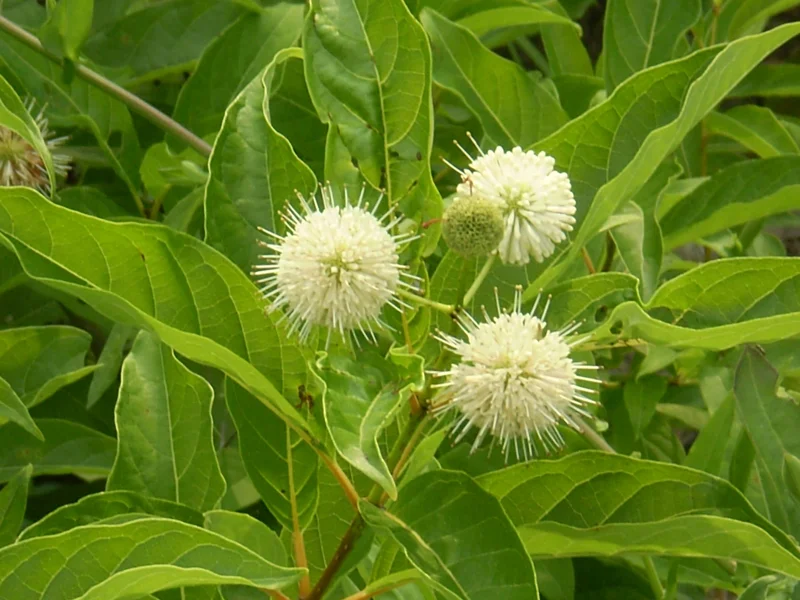
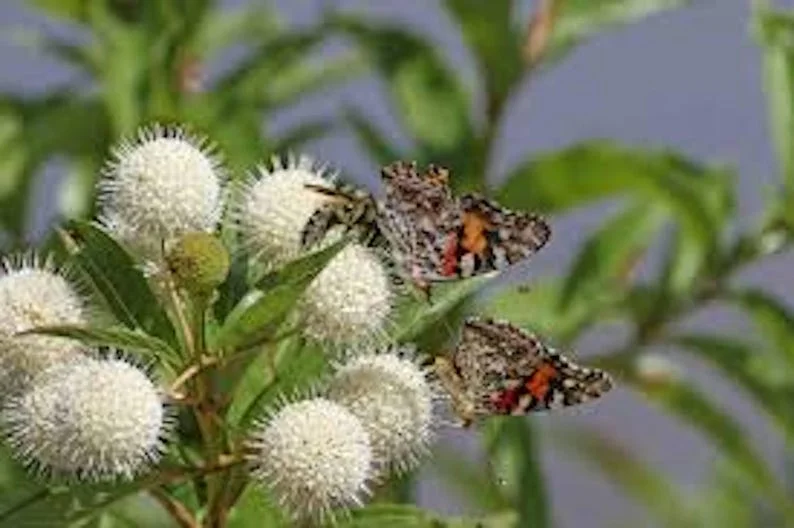
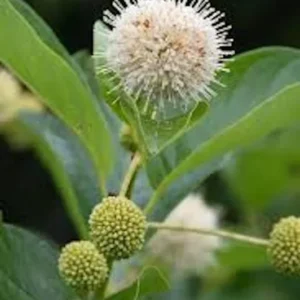
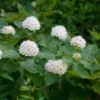
Transform your landscape with the stunning Buttonbush Plant (Cephalanthus occidentalis). This offer includes 3 bare root shrubs, each 12-24 inches tall, ideal for attracting pollinators and thriving in moist garden areas. Enjoy unique spherical flowers and support local ecosystems with this beautiful native shrub.
Feb 04
Feb 09 - Feb 11
Feb 14 - Feb 18
USDA Hardiness Zone
Soil Type
Sunlight Exposure
Expected Planting Period
Shipping and return policies: Our Alive & Thrive Guarantee covers issues with your plants within the first 30 days. Get in touch with us via email, and our team will review your concerns and, if necessary, provide you with a one-time replacement at no cost.
If you're unsure about your hardiness zone, feel free to reach out to us. Our team will answer your questions and help you find the plants that are truly suitable for your environment, climate, and personal preferences.
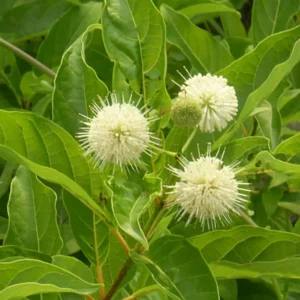
Introduce a vibrant, ecological touch to your garden with the Buttonbush Plant (Cephalanthus occidentalis). This offer provides 3 bare root shrubs, each measuring 12 to 24 inches tall, ready to establish themselves and flourish in your outdoor space. Known for its distinctive spherical flower clusters, the Buttonbush is a deciduous shrub that naturally thrives in moist environments such as wetland areas, riverbanks, and marshes. Its adaptability makes it an excellent choice for diverse garden landscapes, whether you’re aiming for a naturalized look or a focal point near water features. Choosing a Buttonbush Plant means investing in a visually appealing specimen that also plays a crucial role in supporting local biodiversity.
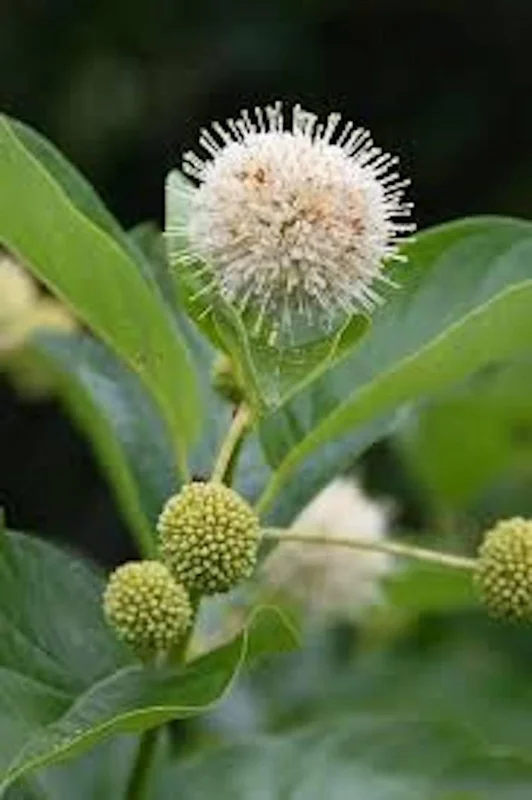
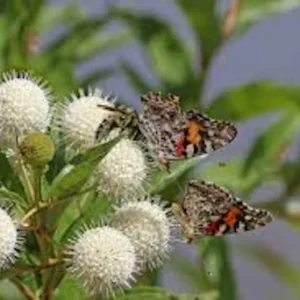
The unique charm of the Cephalanthus occidentalis bare root specimens lies in their ability to quickly establish once planted, offering a head start to your landscaping projects. These flowering shrubs are not just about aesthetic appeal; they are vital contributors to a healthy ecosystem. The button-like flowers, which bloom profusely during the summer months, are irresistible to a wide array of pollinators, including bees, butterflies, and hummingbirds. By planting native pollinator shrub varieties like the Buttonbush, you actively help create a lively garden environment, boost biodiversity, and provide essential nectar sources for beneficial insects, making your garden a haven for wildlife.
The Buttonbush Plant offers a multitude of benefits for any garden, combining aesthetic appeal with significant ecological value. Its unique characteristics make it a standout choice for gardeners looking to enhance their outdoor spaces while supporting nature.
Caring for your Buttonbush Plant is straightforward, ensuring years of beauty and ecological benefits. These bare root shrubs are forgiving and adapt well to their environment when given the right conditions. For optimal growth, ensure the soil remains consistently moist, especially during dry spells or the initial establishment phase. While it tolerates a range of soil types, including clay, loam, and sandy soils, the key is moisture retention. The Cephalanthus occidentalis bare root plants prefer full sun to partial shade, meaning they need at least 6 hours of direct sunlight daily for the best flowering, though they can still perform adequately with less.
Pruning is generally minimal and can be done in late winter or early spring to maintain shape, remove any dead or damaged branches, and encourage vigorous new growth. The wetland plant nature of Buttonbush means it is highly tolerant of wet feet, making it an ideal candidate for rain gardens or low-lying areas in your landscape. Fertilization is usually not heavily required, particularly in nutrient-rich soils. If growth appears slow or foliage is pale, a balanced slow-release fertilizer can be applied in spring. Watch for common garden pests, though Buttonbush is generally quite resistant. Ensuring proper air circulation and consistent moisture levels will help prevent most issues, guaranteeing your flowering shrub for garden use remains healthy.
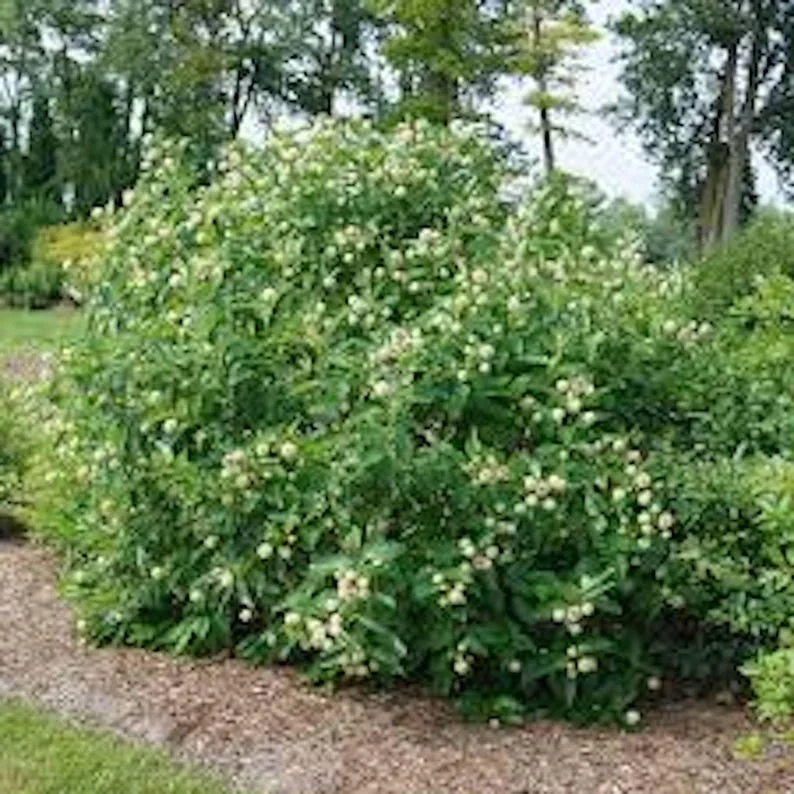
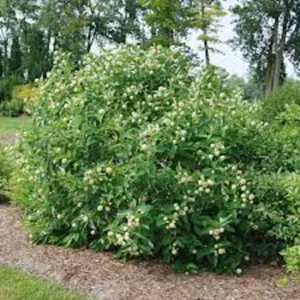
The ideal time to plant your Buttonbush Plant bare roots is in early spring or late fall, allowing the roots to establish before extreme temperatures. Once established, this shrub is relatively drought-tolerant but will always perform best with consistently moist soil. With proper care, your native pollinator shrub will grow to a height and width of 5-12 feet, providing a substantial and attractive addition to your garden that supports a variety of wildlife.
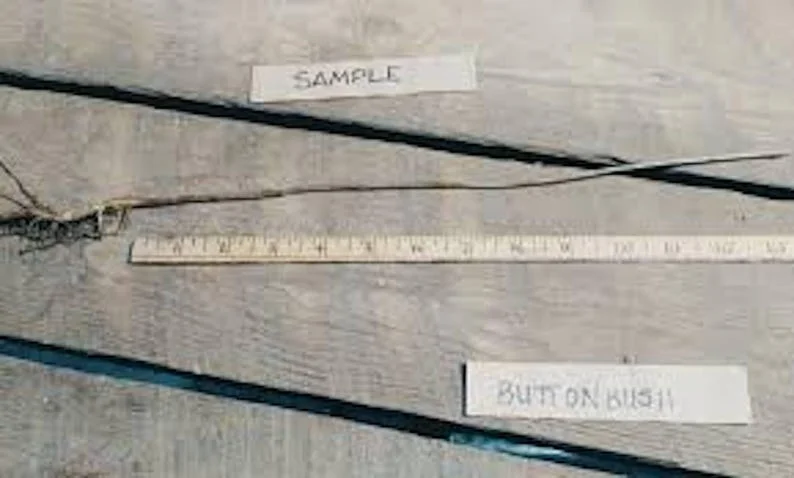
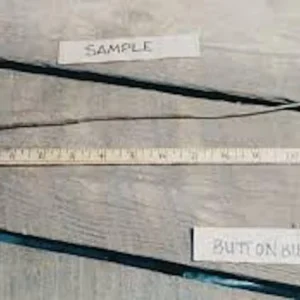
This offering includes 3 individual Buttonbush Plant bare root shrubs, each carefully selected to be between 12 and 24 inches tall upon arrival. These bare root specimens are ideal for planting, allowing for direct establishment in your garden landscape. The mature size of a Cephalanthus occidentalis bare root shrub typically reaches an impressive height and spread of 5 to 12 feet, depending on local growing conditions, soil quality, and sunlight exposure. This makes it a significant presence in any garden, suitable for creating naturalized areas, hedges, or prominent focal points, especially near water.
The growth rate is moderate, meaning you’ll see substantial development within a few seasons, and it will begin to produce its characteristic spherical flowers in the summer. These flowering shrub for garden use are shipped without soil or pots (bare root) during the cooler dormant seasons (fall and winter) to ensure safe transit and ease of planting. During the warmer growing season, they may ship in pots if available. The robust nature of these plants ensures they are ready to thrive and quickly integrate into your garden, becoming a long-lasting and beneficial part of your outdoor space and an excellent example of a wetland plant.
You must be logged in to post a review.
Sold 98 products
Original price was: $74.99.$44.99Current price is: $44.99.
Sold 58 products
Original price was: $77.99.$47.99Current price is: $47.99.
Sold 87 products
Original price was: $45.98.$22.99Current price is: $22.99.
Sold 94 products
Original price was: $55.98.$27.99Current price is: $27.99.
Sold 63 products
Original price was: $49.98.$24.99Current price is: $24.99.
Sold 56 products
Original price was: $70.99.$40.99Current price is: $40.99.
Sold 80 products
Original price was: $76.99.$46.99Current price is: $46.99.
Sold 65 products
Original price was: $70.99.$40.99Current price is: $40.99.
Reviews
There are no reviews yet.