NEED SUPPORT WITH YOUR ORDER? Get in touch
Not satisfied with your purchase?
Enter your Order ID on website, and we'll resolve it right away.
Original price was: $112.99.$90.99Current price is: $90.99.
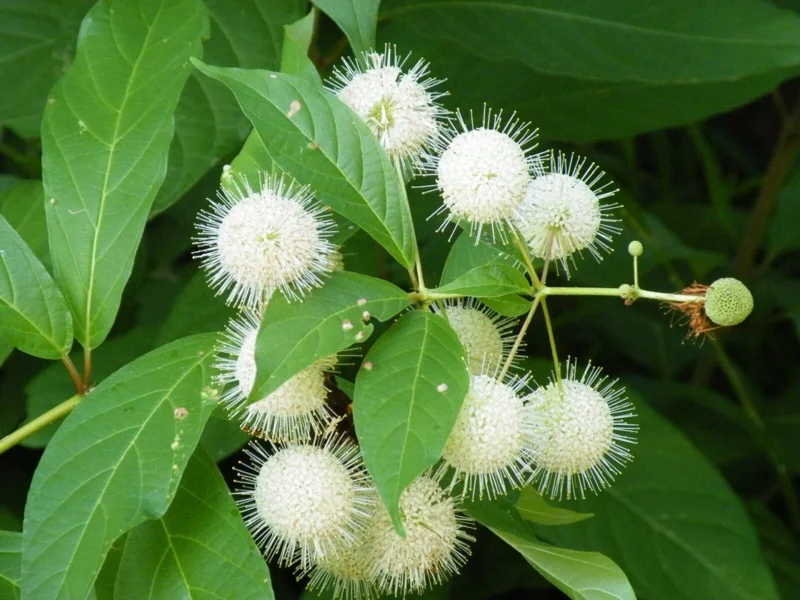
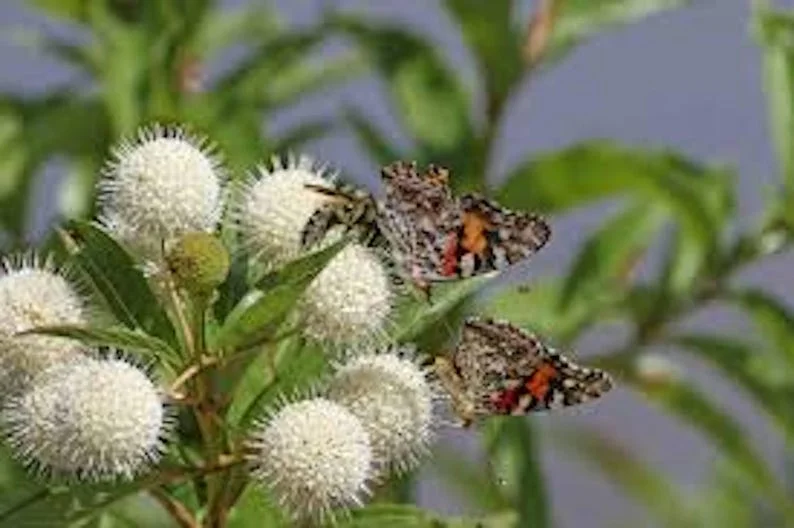
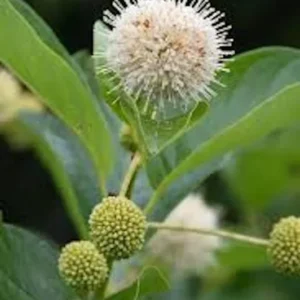
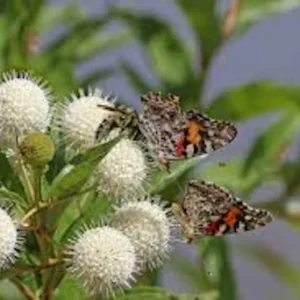
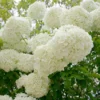
Add natural beauty and attract beneficial pollinators with this buttonbush plant 5-pack. Each native shrub, Cephalanthus occidentalis, arrives 12-24 inches tall, perfect for creating a vibrant pollinator garden in moist or wetland plant areas.
Feb 04
Feb 09 - Feb 11
Feb 14 - Feb 18
USDA Hardiness Zone
Soil Type
Sunlight Exposure
Expected Planting Period
Shipping and return policies: Our Alive & Thrive Guarantee covers issues with your plants within the first 30 days. Get in touch with us via email, and our team will review your concerns and, if necessary, provide you with a one-time replacement at no cost.
If you're unsure about your hardiness zone, feel free to reach out to us. Our team will answer your questions and help you find the plants that are truly suitable for your environment, climate, and personal preferences.
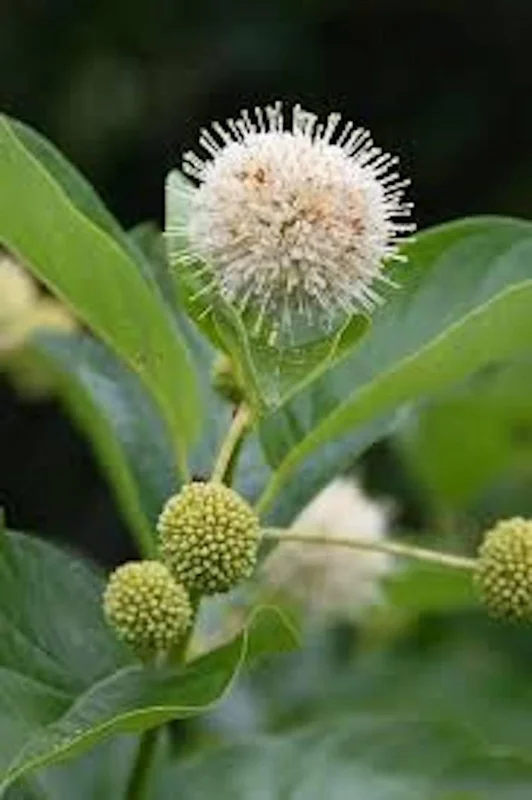
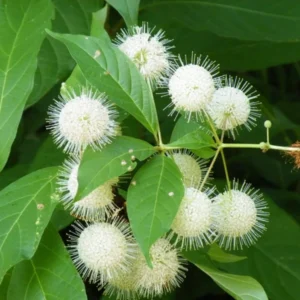
Introduce the captivating beauty of the buttonbush plant to your landscape. This offering includes a convenient 5-pack of Cephalanthus occidentalis, a remarkable deciduous shrub known for its distinctive spherical flower clusters that emerge during the summer months. These unique blooms are not only visually appealing but also serve as a magnet for a variety of pollinators, including bees, butterflies, and hummingbirds. As a truly native shrub, the Buttonbush is perfectly adapted to American ecosystems, contributing to local biodiversity and supporting wildlife. Each plant in this 5-pack arrives at a healthy size of 12 to 24 inches, ready to establish quickly and transform your garden into a vibrant, living space. Ideal for both seasoned gardeners and those new to planting, the Buttonbush is a resilient choice that promises enduring charm and ecological value, especially for creating a thriving pollinator garden.
The buttonbush plant offers a multitude of advantages, making it an exceptional addition to any garden or landscape project. Its unique characteristics provide both aesthetic appeal and significant ecological benefits:
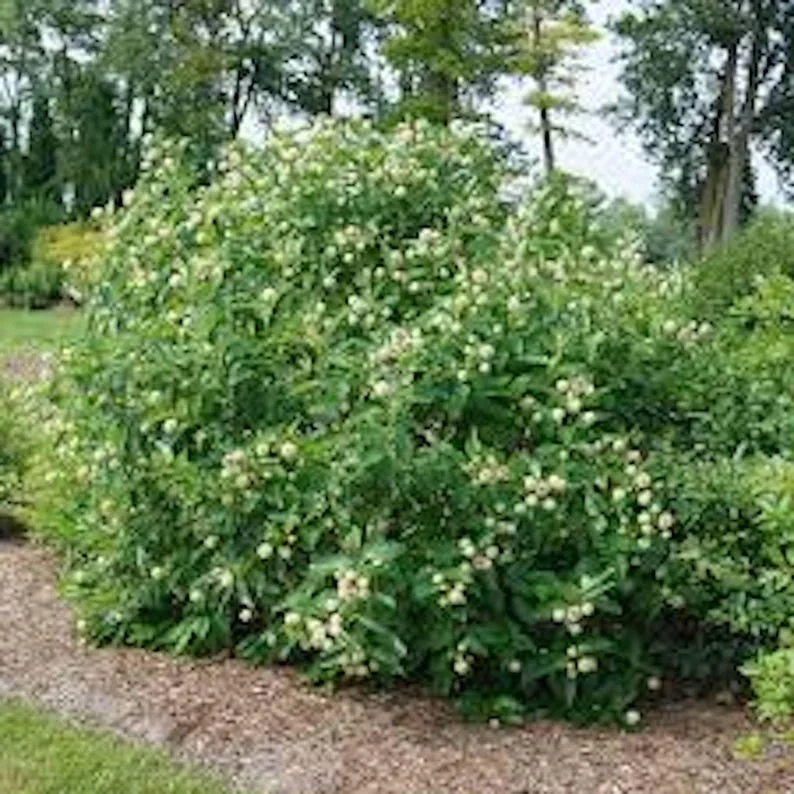
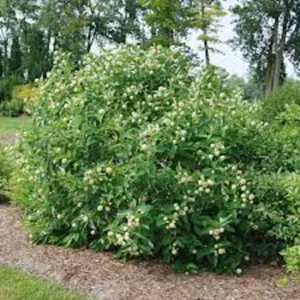
Caring for your buttonbush plant is straightforward, ensuring it thrives and provides years of beauty. This hardy native shrub is known for its resilience, especially when planted in suitable conditions. For optimal growth, the Buttonbush prefers full sun to partial shade, ideally receiving at least 4-6 hours of direct sunlight daily to encourage abundant flowering. While it tolerates some shade, more sun generally leads to more prolific blooms and a denser growth habit. When planting, ensure the location provides adequate space for its mature size, which can reach 5-12 feet tall and wide.
Watering is crucial, especially for this wetland plant. The Buttonbush thrives in consistently moist to wet soil conditions. During dry spells, particularly for newly planted shrubs, regular watering is essential until the plant is well-established. Mature plants are more tolerant of occasional dry periods but will benefit from supplemental watering during extended droughts. Good drainage is less of a concern for this species, as it naturally grows in boggy areas. It adapts well to various soil types, including clay, loam, and sandy soils, provided they retain moisture. A slightly acidic to neutral pH is ideal. Fertilization is generally not heavily required; however, a balanced, slow-release fertilizer in early spring can promote vigorous growth, especially in poorer soils.
Pruning can be done in late winter or early spring to maintain shape, remove dead or damaged branches, or to control its size. The Buttonbush blooms on new wood, so pruning in late winter won’t sacrifice the current season’s flowers. This makes the Cephalanthus occidentalis a truly easy-care addition to your garden, rewarding you with its unique charm and ecological benefits.
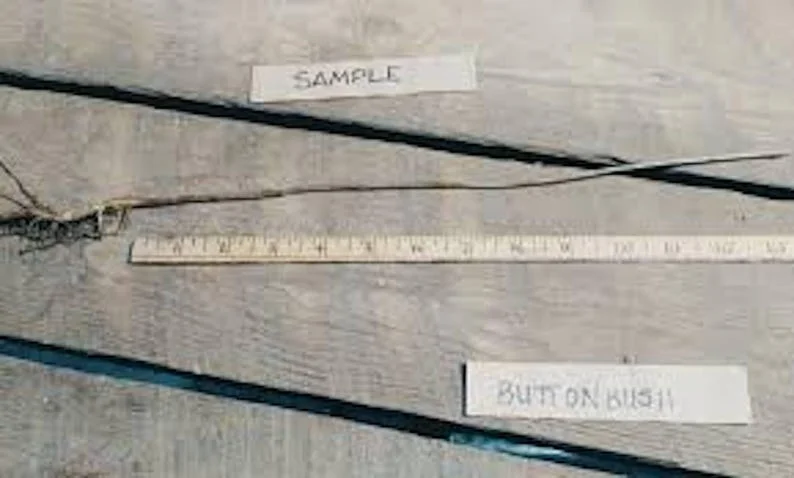
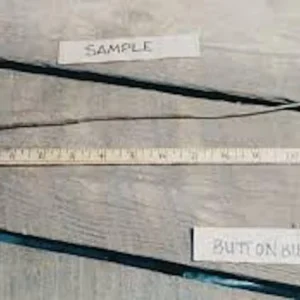
This offering includes a buttonbush plant 5-pack, providing multiple specimens to enhance your garden or create a substantial planting. Each individual plant arrives as a bare root specimen, measuring approximately 12 to 24 inches tall at the time of shipping. This size allows for easy planting and establishment, ensuring a strong start for your new additions. At maturity, the Cephalanthus occidentalis can reach an impressive height and spread of 5 to 12 feet, forming a rounded, multi-stemmed shrub. Its growth rate is considered moderate, meaning it will establish and grow at a reasonable pace to achieve its full size over several seasons. The bare root format is ideal for planting during the dormant season, allowing the roots to acclimate before spring growth.
You must be logged in to post a review.
Sold 77 products
Original price was: $74.99.$44.99Current price is: $44.99.
Sold 93 products
Original price was: $45.96.$22.98Current price is: $22.98.
Sold 62 products
Original price was: $70.99.$40.99Current price is: $40.99.
Sold 80 products
Original price was: $55.98.$27.99Current price is: $27.99.
Sold 76 products
Original price was: $77.99.$47.99Current price is: $47.99.
Sold 81 products
Original price was: $70.99.$40.99Current price is: $40.99.
Sold 98 products
Original price was: $70.99.$40.99Current price is: $40.99.
Sold 96 products
Original price was: $70.99.$40.99Current price is: $40.99.
Reviews
There are no reviews yet.