NEED SUPPORT WITH YOUR ORDER? Get in touch
Not satisfied with your purchase?
Enter your Order ID on website, and we'll resolve it right away.
Original price was: $89.99.$59.99Current price is: $59.99.
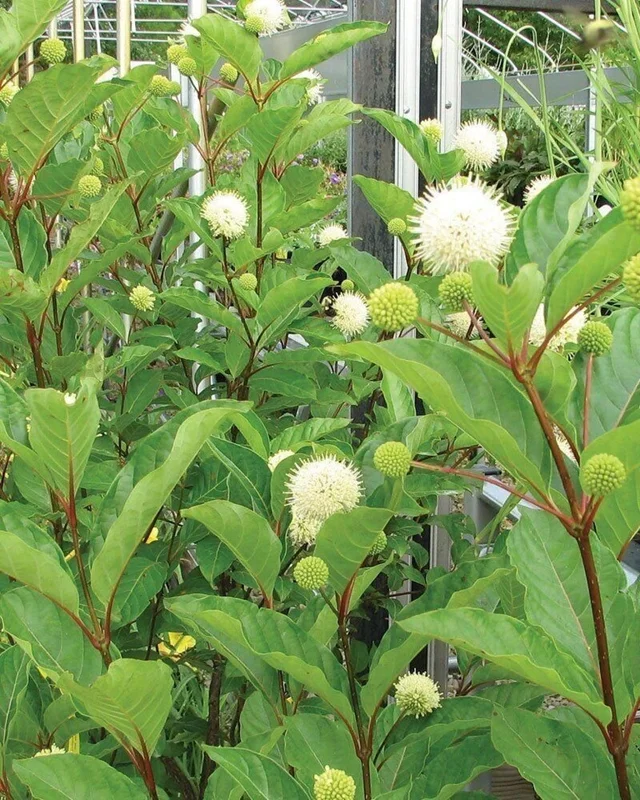
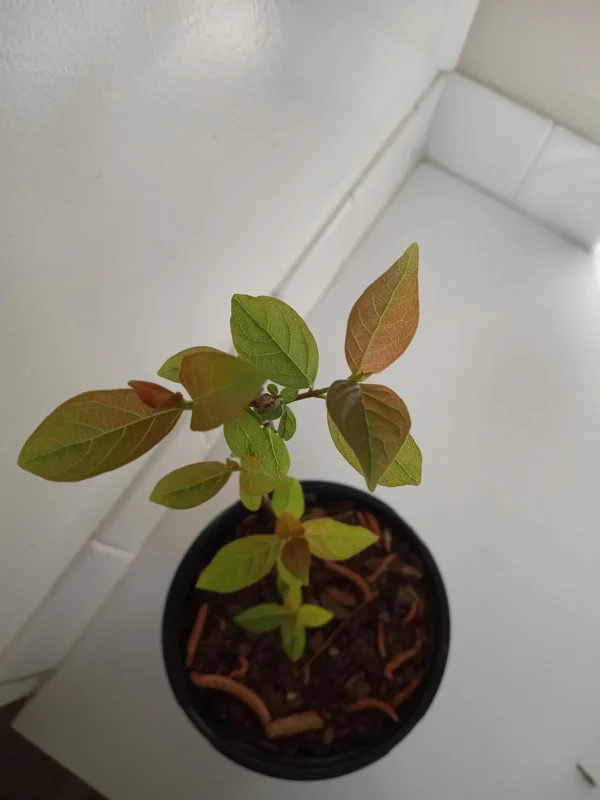
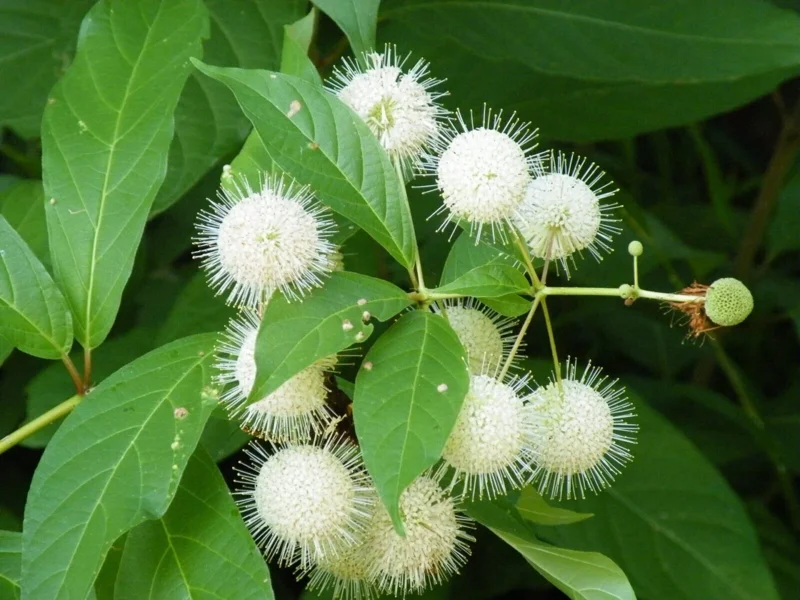
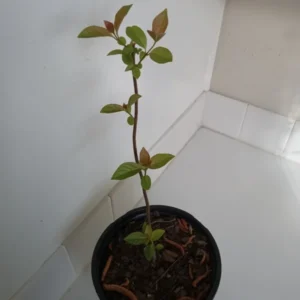
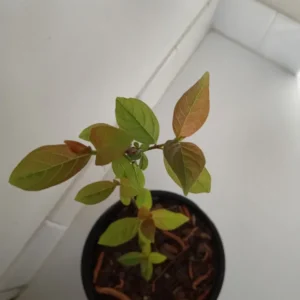
Enhance your landscape with a Buttonbush Tree plant (Cephalanthus occidentalis) in a 1-gallon pot. This native, deciduous shrub features unique spherical flowers, attracts pollinators, and thrives in diverse conditions. It’s a low-maintenance, pet-safe option for vibrant gardens and erosion control.
Mar 03
Mar 08 - Mar 10
Mar 13 - Mar 17
USDA Hardiness Zone
Soil Type
Sunlight Exposure
Expected Planting Period
Shipping and return policies: Our Alive & Thrive Guarantee covers issues with your plants within the first 30 days. Get in touch with us via email, and our team will review your concerns and, if necessary, provide you with a one-time replacement at no cost.
If you're unsure about your hardiness zone, feel free to reach out to us. Our team will answer your questions and help you find the plants that are truly suitable for your environment, climate, and personal preferences.
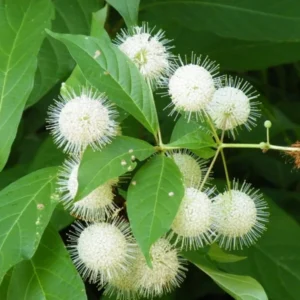
Introduce a touch of native charm and ecological vitality to your garden with the Buttonbush Tree plant (Cephalanthus occidentalis). This remarkable deciduous flowering shrub is celebrated for its distinctive spherical, fragrant white to yellow flowers that bloom in summer, creating a captivating display. Arriving in a convenient 1-gallon pot, this Buttonbush Tree plant is ready to enhance any landscape, whether you’re looking to fill a compact garden bed or diversify an extensive outdoor space. Known for its exceptional adaptability and low-maintenance nature, it’s an ideal choice for both seasoned gardeners and beginners alike, promising years of beauty and environmental contribution. Its presence not only adds aesthetic appeal but also significantly supports local ecosystems.
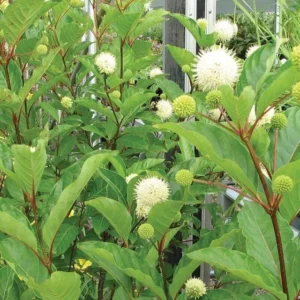
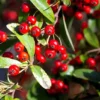
The Cephalanthus occidentalis, commonly known as Buttonbush, is indigenous to North America and thrives in a wide range of climates. Beyond its striking blooms, it offers compelling seasonal interest with unique red seed pods appearing in the fall. This plant is a fantastic investment in increasing the biodiversity of your garden, transforming it into a lively haven for various wildlife species. When you choose a native shrub for garden enrichment, you’re opting for a plant that is naturally suited to its environment and requires minimal intervention.
The Buttonbush Tree plant offers a multitude of advantages that make it an indispensable addition to any outdoor space, combining beauty with ecological impact. Its robust nature ensures it will flourish with minimal effort.
Caring for your Buttonbush Tree plant is straightforward, thanks to its adaptable and resilient nature. Understanding its basic needs will ensure it thrives and becomes a long-lasting feature in your landscape. This plant flourishes in conditions ranging from full sun to partial shade. For optimal flowering and vigorous growth, aim for at least 6 hours of direct sunlight per day. However, it can still perform well in areas that receive morning sun and afternoon shade, particularly in hotter climates. Its adaptability makes it suitable for various garden placements.
The Buttonbush is incredibly tolerant of different soil types, thriving in loam, sand, and clay. What truly sets it apart is its remarkable ability to handle both wet and dry conditions, making it an ideal candidate for rain gardens or areas with fluctuating moisture levels. While it tolerates wet feet, ensuring good drainage is still beneficial for overall plant health. Water regularly after planting to help establish its root system. Once established, it is quite drought-tolerant but will appreciate consistent moisture during prolonged dry spells. These Buttonbush growing tips emphasize its hardy nature.
This shrub is hardy across USDA Zones 4-10, indicating its ability to withstand a broad range of temperatures. It exhibits a fast growth rate, quickly establishing itself in your garden. Fertilization is generally not heavily required, especially in fertile soils. If your soil is poor, a balanced, slow-release fertilizer in early spring can encourage more robust growth and flowering. Pruning can be done in late winter or early spring to maintain shape or remove any dead or damaged branches. Being aware of these Buttonbush growing tips will help you cultivate a healthy and beautiful specimen of Cephalanthus occidentalis.
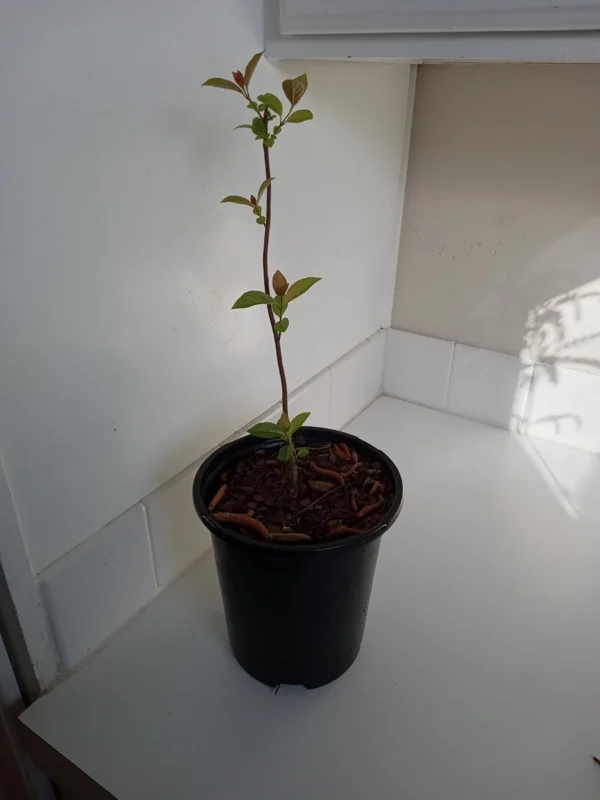
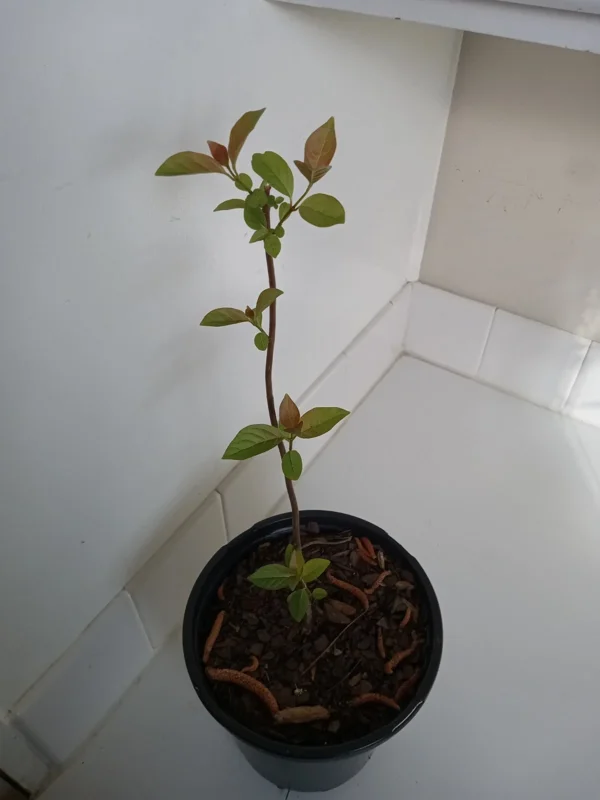
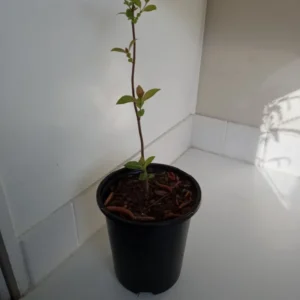
This Buttonbush Tree plant arrives as a vibrant, healthy specimen in a 1-gallon nursery pot. At the time of shipment, the plant typically measures approximately 10-14 inches in height, ready for immediate planting and integration into your garden. Once mature, the Buttonbush can reach an impressive height of 6-12 feet with a similar spread, forming a substantial and attractive shrub. Its fast growth rate means it will quickly establish itself and begin to fill out your chosen space.
The plant is carefully packaged to ensure its safe arrival, complete with detailed care and planting instructions to assist you in successful establishment and long-term health. The 1-gallon pot size provides a good head start for growth, allowing the root system to be well-developed before transplanting. Expect to see its distinctive spherical flowers in summer, followed by ornamental red seed pods in the fall, providing continuous visual interest. This Cephalanthus occidentalis is a robust choice for adding structure and ecological value to your garden.
You must be logged in to post a review.
Sold 91 products
Original price was: $53.98.$26.99Current price is: $26.99.
Sold 78 products
Original price was: $64.99.$44.99Current price is: $44.99.
Sold 67 products
Original price was: $64.99.$44.99Current price is: $44.99.
Sold 78 products
Original price was: $76.99.$46.99Current price is: $46.99.
Sold 71 products
Original price was: $110.99.$99.99Current price is: $99.99.
Sold 67 products
Original price was: $70.99.$40.99Current price is: $40.99.
Sold 55 products
Original price was: $55.58.$27.79Current price is: $27.79.
Sold 72 products
Original price was: $74.99.$44.99Current price is: $44.99.

Reviews
There are no reviews yet.