NEED SUPPORT WITH YOUR ORDER? Get in touch
Not satisfied with your purchase?
Enter your Order ID on website, and we'll resolve it right away.

Original price was: $63.99.$48.99Current price is: $48.99.
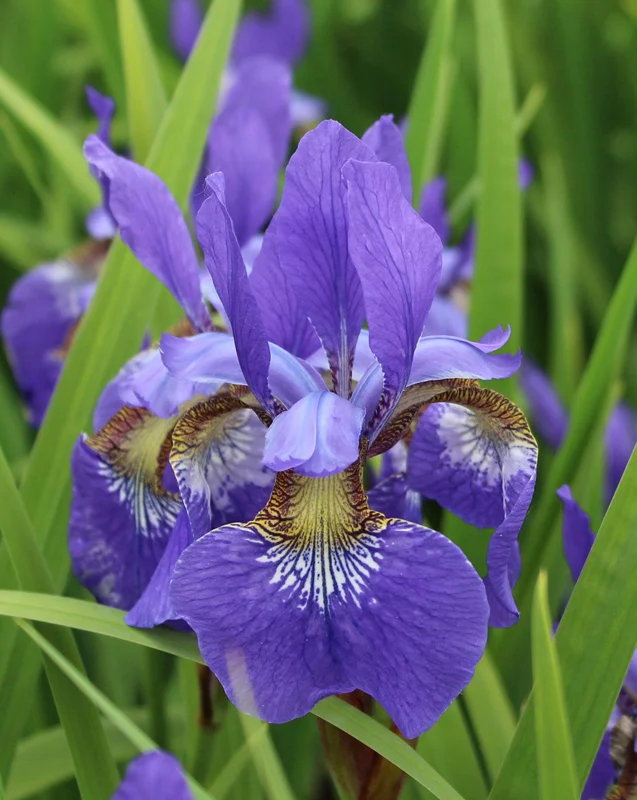
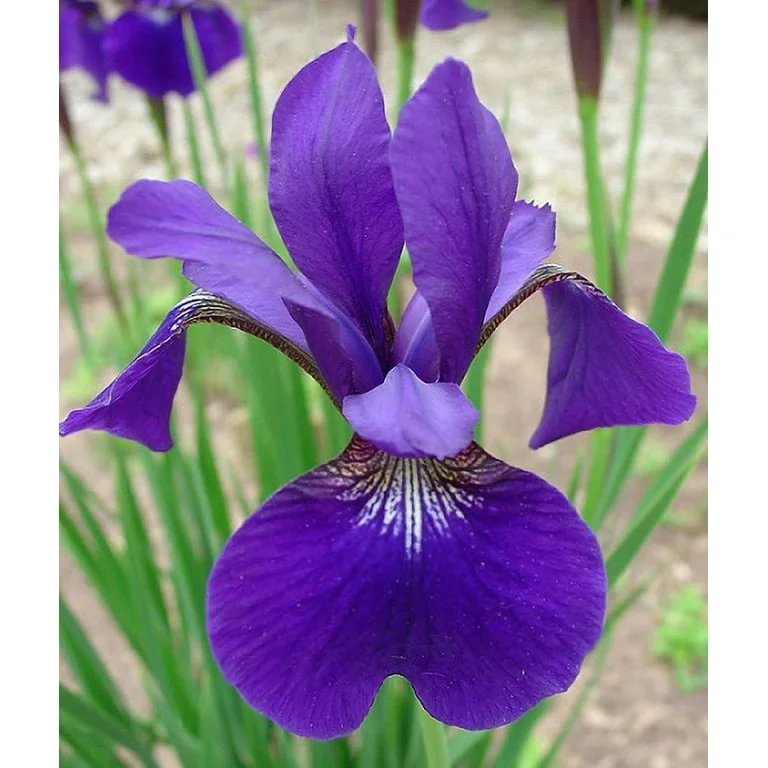
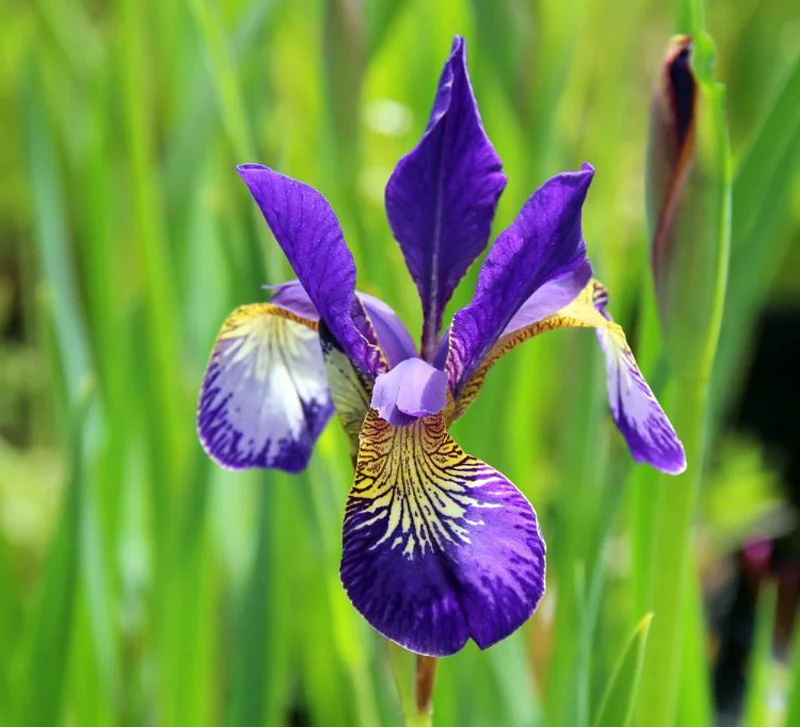
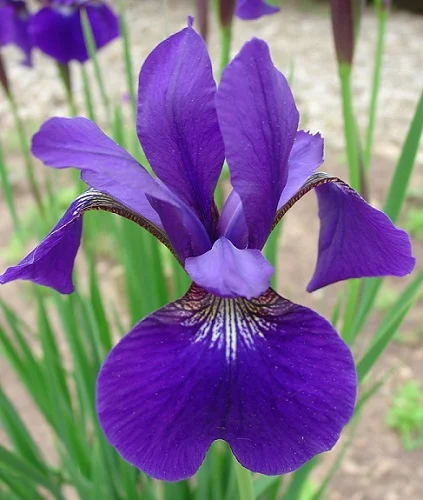
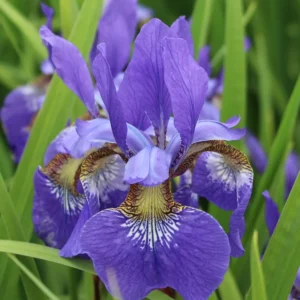
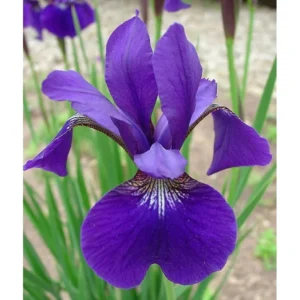
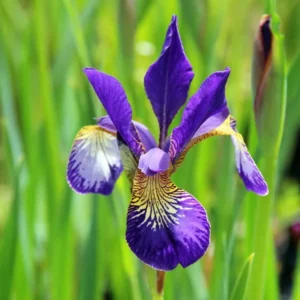
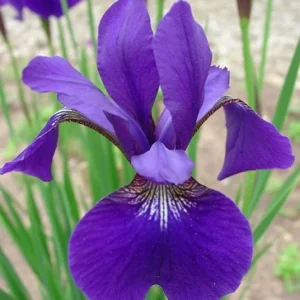
Add a splash of elegance to your garden with this Siberian Iris live plant. Featuring striking deep velvety blue flowers, this adaptable perennial thrives in various conditions and is perfect for zones 3-9. Enjoy its low-maintenance beauty and vibrant color.
Mar 03
Mar 08 - Mar 10
Mar 13 - Mar 17
USDA Hardiness Zone
Soil Type
Sunlight Exposure
Expected Planting Period
Shipping and return policies: Our Alive & Thrive Guarantee covers issues with your plants within the first 30 days. Get in touch with us via email, and our team will review your concerns and, if necessary, provide you with a one-time replacement at no cost.
If you're unsure about your hardiness zone, feel free to reach out to us. Our team will answer your questions and help you find the plants that are truly suitable for your environment, climate, and personal preferences.
Introduce breathtaking beauty to your landscape with the Siberian Iris live plant. This stunning perennial, known for its striking deep velvety blue flowers, is a must-have for any garden enthusiast. Celebrated for its adaptability and ease of growth, this iris variety promises a vibrant splash of color year after year. Originating from Northern Asia, the Siberian Iris thrives across a wide range of weather conditions, making it an excellent choice for gardeners in USDA zones 3-9. Whether you’re a seasoned gardener or just starting, this exceptional iris will add a touch of elegance and vibrant color to your outdoor space. Its robust nature ensures it will become a cherished part of your garden for seasons to come. The variety, often referred to as ‘Caesar’s Brother’, is highly regarded for its rich color and reliable performance.
The deep blue iris plant is particularly well-suited for areas with moist or even boggy soil, though it adapts remarkably well to a variety of soil types. For optimal growth and a profusion of its captivating violet-blue blooms, plant it in humus-rich soil where it can receive full sun. This perennial is not only beautiful but also incredibly resilient, offering long-lasting charm and a focal point in your garden design. Its mature height of approximately 36 inches creates a beautiful vertical element, drawing the eye and enhancing the overall aesthetic appeal of your outdoor sanctuary. Experience the joy of a vibrant and easy-to-care-for perennial that brings consistent beauty.
The hardy iris perennial offers numerous advantages, making it a stellar choice for diverse garden settings. Its robust nature and captivating appearance contribute significantly to any landscape. Here are some of the key benefits:
Caring for your Siberian Iris live plant is straightforward, ensuring years of beautiful blooms. This resilient perennial thrives with proper attention to its basic needs, making it a rewarding addition to your garden. For optimal growth, choose a location that receives full sun, meaning at least 6 hours of direct sunlight per day. Adequate sunlight is crucial for prolific flowering and strong plant development. While the Siberian Iris is adaptable, it truly flourishes in humus-rich soil that is well-draining yet consistently moist. It can tolerate moist to boggy conditions, making it an excellent choice for planting near ponds or streams where other plants might struggle.
When planting, dig a hole slightly larger than the root ball of your Caesar’s Brother iris and gently place the plant, ensuring the crown is at soil level. Backfill with soil, gently firming around the base. Water thoroughly immediately after planting to help settle the soil and reduce transplant shock. Consistent moisture is key, especially during dry periods and in its establishment phase. Deep watering when the top inch of soil feels dry is generally recommended. This low maintenance iris benefits from a balanced, slow-release fertilizer in early spring, just as new growth begins, to support vigorous flowering. Avoid over-fertilizing, which can promote foliage at the expense of blooms.
The Siberian Iris is hardy in USDA zones 3-9, tolerating a broad range of temperatures. In colder zones, a layer of mulch around the base in late fall can provide extra winter protection. Deadhead spent flowers to encourage the plant to put energy into root development rather than seed production, though leaving some seed pods can add winter interest. Division every 3-5 years in early spring or fall can rejuvenate the plant and prevent overcrowding, ensuring continued vigor and bloom production. Watch out for common pests like iris borers, although Siberian Irises are generally quite pest-resistant. With these simple care guidelines, your hardy iris perennial will flourish, providing a stunning display of color.
This Siberian Iris live plant is shipped in a gallon pot, ensuring you receive a healthy and well-established specimen ready to thrive in your garden. The mature height of the Siberian Iris typically reaches around 36 inches, providing a striking vertical accent to your landscape. It forms dense clumps that can spread approximately 24-30 inches wide, creating a lush display of foliage and flowers. The plant exhibits a moderate growth rate, establishing itself well within the first year and producing abundant blooms in subsequent seasons. Expect the captivating deep velvety blue flowers to emerge in late spring to early summer, offering a spectacular show.
The robust root system of the deep blue iris plant allows it to establish quickly in your garden. It is a long-lived perennial, offering many years of beauty with minimal intervention. The foliage remains attractive throughout the growing season, providing texture even when not in bloom. This particular variety is celebrated for its consistent bloom performance and strong, upright growth habit. It’s an excellent choice for mass plantings, borders, or as an accent plant in mixed perennial beds. The plant is designed to be garden-ready, making the transition from pot to ground seamless and encouraging rapid establishment for vibrant results.
You must be logged in to post a review.
Sold 78 products
Original price was: $20.99.$18.90Current price is: $18.90.
Sold 74 products
Original price was: $76.99.$46.99Current price is: $46.99.
Sold 99 products
Original price was: $76.99.$46.99Current price is: $46.99.
Sold 89 products
Original price was: $51.98.$25.99Current price is: $25.99.
Sold 97 products
Original price was: $114.99.$84.99Current price is: $84.99.
Sold 71 products
Original price was: $73.99.$43.99Current price is: $43.99.
Sold 78 products
Original price was: $49.96.$24.98Current price is: $24.98.
Sold 76 products
Original price was: $31.98.$15.99Current price is: $15.99.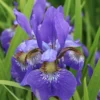
Reviews
There are no reviews yet.