NEED SUPPORT WITH YOUR ORDER? Get in touch
Not satisfied with your purchase?
Enter your Order ID on website, and we'll resolve it right away.

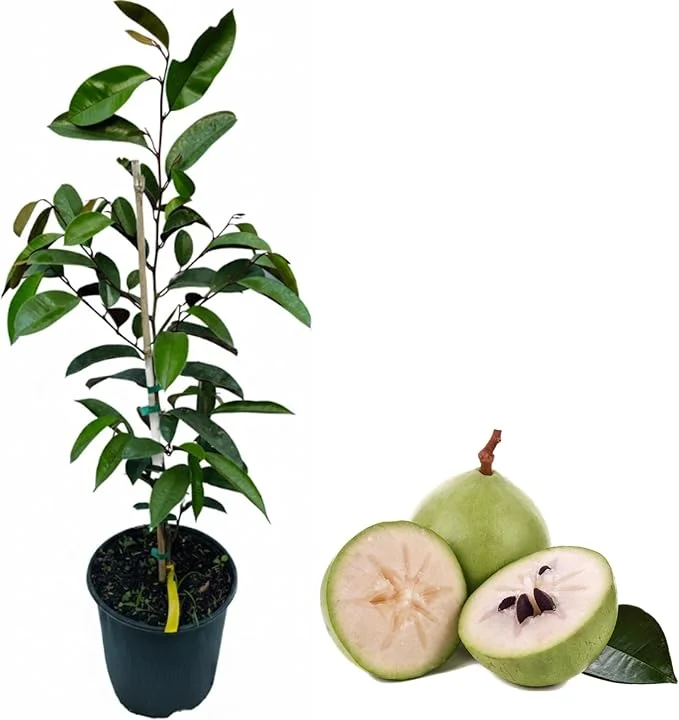
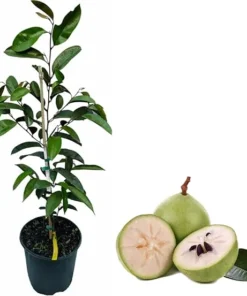
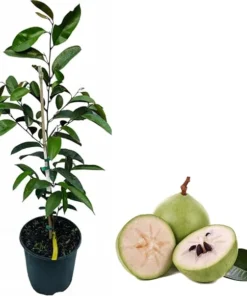
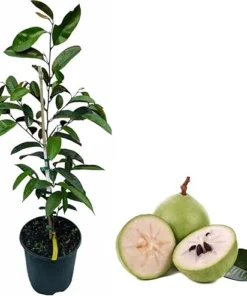
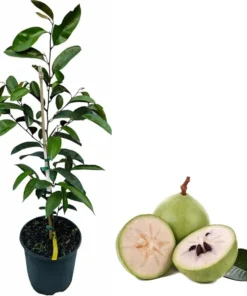
Original price was: $170.00.$150.00Current price is: $150.00.
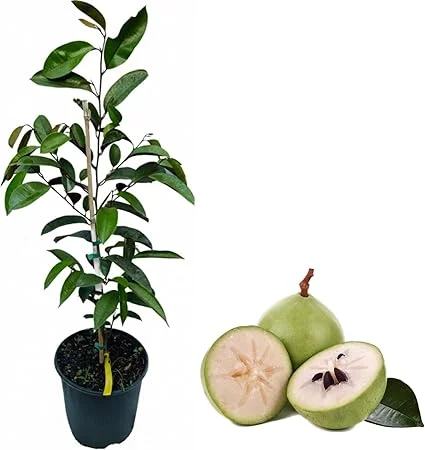
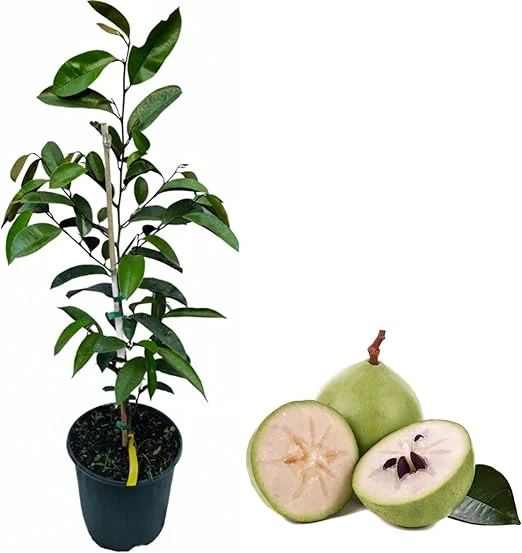
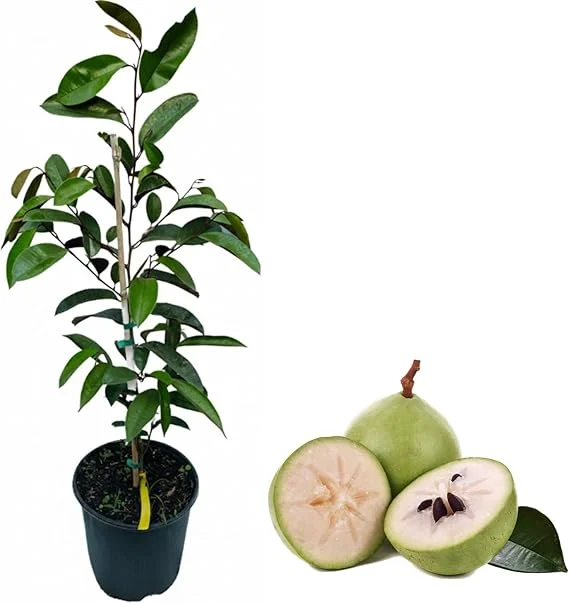
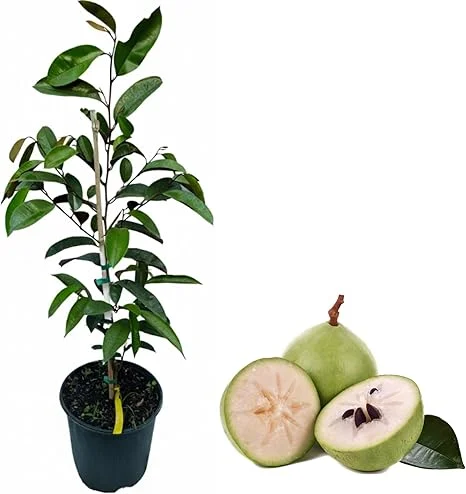
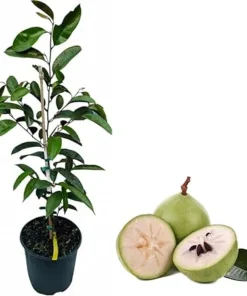
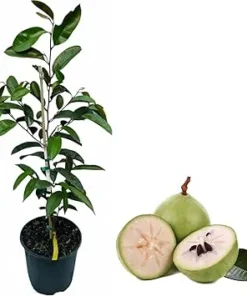
Cultivate a delicious tropical treat with this caimito live plant, also known as the star apple tree. Standing 3 to 4 feet tall and ready for planting in a 3-gallon pot, this tree promises beautiful foliage and unique fruit. Ideal for gardens in USDA Zones 10-11, it thrives in full sun and well-draining soil.
Feb 08
Feb 13 - Feb 15
Feb 18 - Feb 22
USDA Hardiness Zone
Soil Type
Sunlight Exposure
Expected Planting Period
Shipping and return policies: Our Alive & Thrive Guarantee covers issues with your plants within the first 30 days. Get in touch with us via email, and our team will review your concerns and, if necessary, provide you with a one-time replacement at no cost.
If you're unsure about your hardiness zone, feel free to reach out to us. Our team will answer your questions and help you find the plants that are truly suitable for your environment, climate, and personal preferences.
Introduce an exotic touch to your garden with a magnificent caimito live plant. Also widely recognized as the star apple tree, this tropical fruit tree is celebrated for its strikingly beautiful and deliciously sweet fruit. The fruit, known for its round shape, glossy green or purple skin, and a distinctive star-shaped core when cut crosswise, offers a unique culinary experience. Our live plant comes at a robust 3 to 4 feet tall, pre-potted in a 3-gallon container, ensuring a strong start for your new addition. Perfect for those looking to cultivate their own tropical produce, this tree not only yields delectable fruit but also adds significant ornamental value with its attractive foliage. Experience the joy of growing your own exotic fruits right in your backyard with this vibrant star apple tree.
This particular specimen is a green variety, producing fruit with a vibrant green skin. It’s a fantastic choice for enthusiasts of tropical agriculture or anyone seeking a unique and rewarding gardening project. The tree’s mature size and fruit-bearing potential make it a long-term investment in your landscape, providing both shade and sustenance for many years to come.
Adding a caimito live plant to your garden offers a wealth of advantages, transforming your outdoor space into a productive and visually appealing tropical haven. This tree provides more than just fruit; it enhances your environment in multiple ways:
Caring for your caimito live plant, or green star apple, requires attention to its tropical needs to ensure robust growth and abundant fruiting. These trees thrive in specific conditions that mimic their native environment. For optimal health, the tree should be planted in a location that receives full sun exposure, meaning at least 6 to 8 hours of direct sunlight daily. While it can tolerate partial shade, full sun is crucial for maximum fruit production and vigorous growth. Ensure the area is protected from strong winds, especially when the tree is young.
Watering is a critical aspect of caimito fruit tree care. It requires moderate watering; the soil should be kept consistently moist but never waterlogged. Overwatering can lead to root rot, which is detrimental to the tree’s health. During dry spells or periods of rapid growth, increase watering frequency. A well-draining soil is absolutely essential for this plant. Loamy or sandy soil types are preferred, as they allow water to pass through efficiently while retaining adequate moisture. Amend heavy clay soils with organic matter to improve drainage. The tree is best suited for USDA Zones 10 to 11, where temperatures remain above freezing. In cooler climates, it can be grown in large containers and moved indoors during winter.
Fertilization should begin once the tree is established, typically after the first year. Use a balanced slow-release fertilizer or a fruit tree specific formula, applied according to package directions, usually every 3-4 months during the growing season. Watch out for common pests like aphids or mealybugs, and treat with organic insecticidal soaps if necessary. Pruning should be done to shape the tree, remove dead or diseased branches, and encourage air circulation. With proper care, your tropical fruit tree will flourish, providing you with delicious star apples for years.
This offering is for one caimito live plant, commonly known as a star apple tree, standing impressively at a height of 3 to 4 feet. It arrives carefully rooted in a 3-gallon nursery pot, providing a well-established root system ready for transplanting into your garden or a larger container. These trees are known for their moderate growth rate, and with proper care, they can eventually reach heights of 25 to 50 feet in their native tropical environments, though they can be maintained at smaller sizes with regular pruning in cultivation. The plant will arrive with healthy green foliage, indicative of its vitality. While fruit production typically begins after 3-5 years, the tree’s initial growth will focus on developing a strong structure. This green star apple variety is chosen for its reliable fruiting and attractive appearance, making it a superb choice for both edible landscaping and fruit enthusiasts.
The dimensions of the plant in its nursery pot are approximately 8 x 8 x 45 inches, including the pot and foliage, making it a substantial live specimen upon arrival. Its robust size ensures it has a head start, allowing you to enjoy the benefits of this unique tropical fruit tree sooner.
You must be logged in to post a review.
Sold 71 products
Original price was: $371.98.$185.99Current price is: $185.99.
Sold 73 products
Original price was: $256.36.$128.18Current price is: $128.18.
Sold 79 products
Original price was: $55.98.$27.99Current price is: $27.99.
Sold 61 products
Original price was: $99.98.$49.99Current price is: $49.99.
Sold 100 products
Original price was: $45.98.$22.99Current price is: $22.99.
Sold 97 products
Original price was: $69.98.$34.99Current price is: $34.99.
Sold 91 products
Original price was: $48.98.$24.49Current price is: $24.49.
Sold 52 products
Original price was: $67.98.$33.99Current price is: $33.99.
Reviews
There are no reviews yet.