NEED SUPPORT WITH YOUR ORDER? Get in touch
Not satisfied with your purchase?
Enter your Order ID on website, and we'll resolve it right away.

Original price was: $99.99.$89.99Current price is: $89.99.
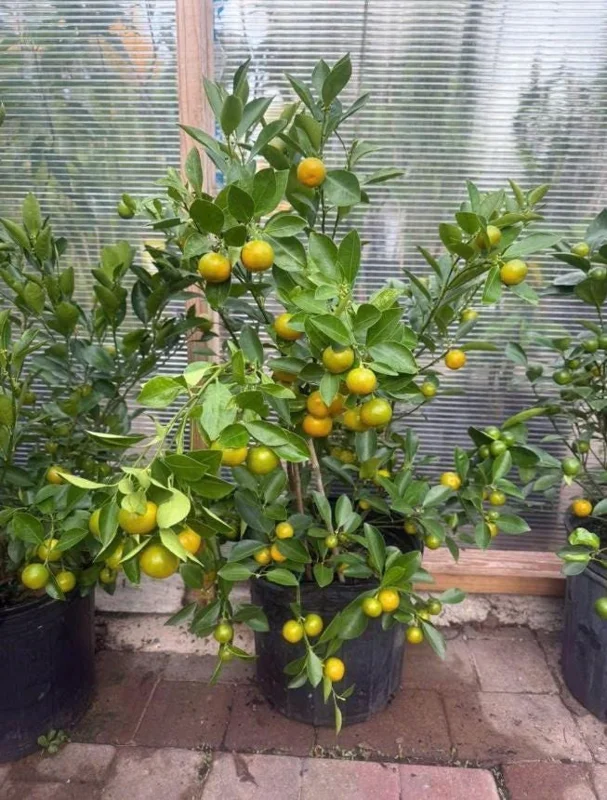
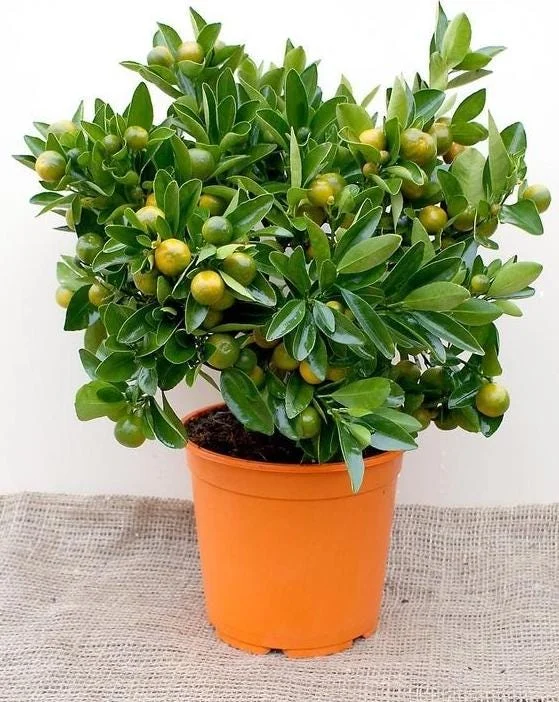
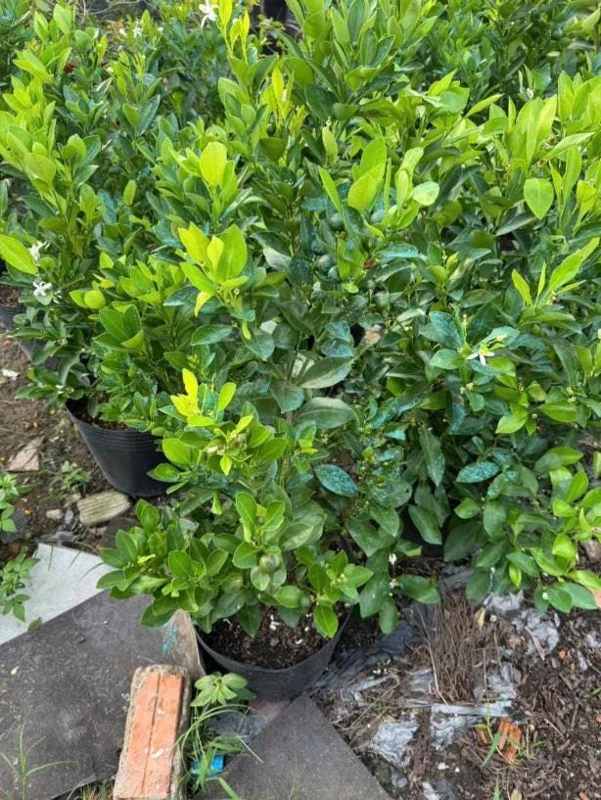
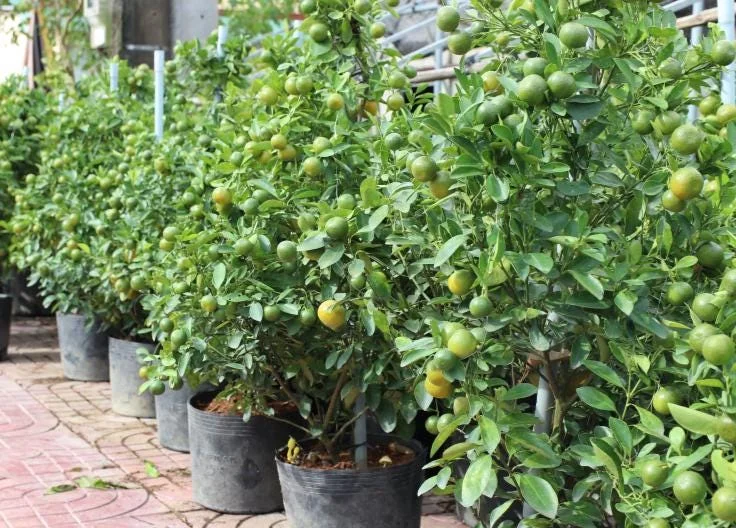
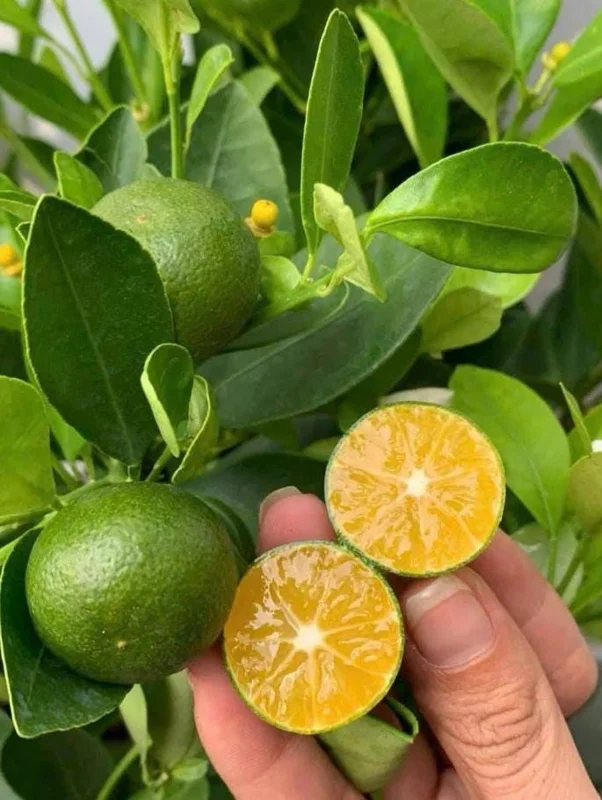
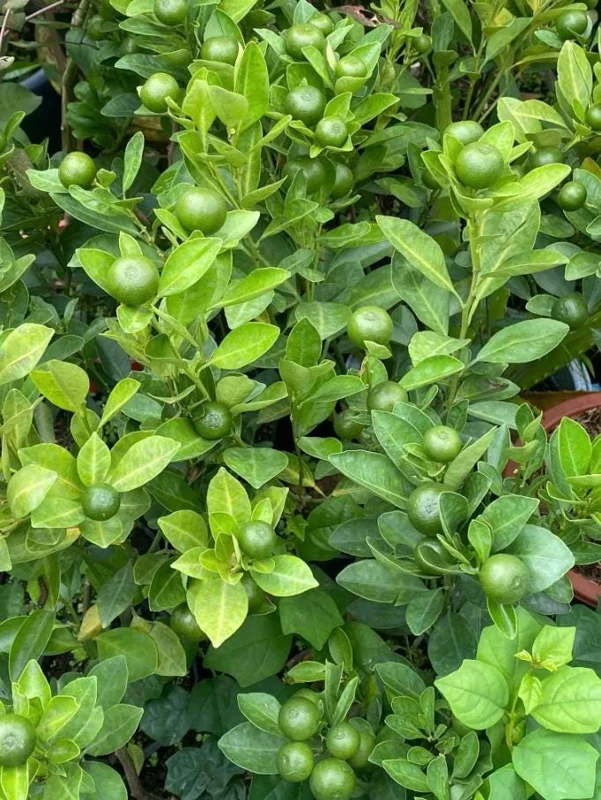
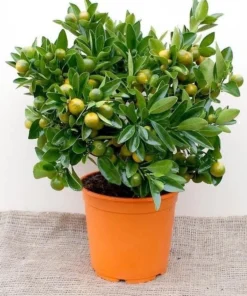
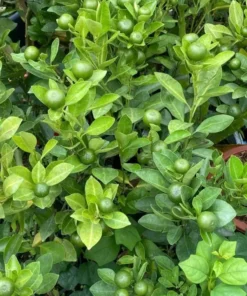
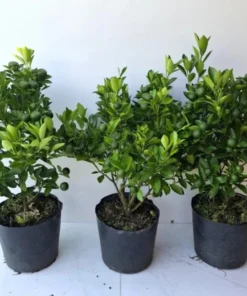
Bring the tropics to your home with a calamansi orange tree. This 3-4 ft live plant, also known as calamondin citrus tree, produces delicious, tart fruits and makes an attractive ornamental.
Feb 04
Feb 09 - Feb 11
Feb 14 - Feb 18
USDA Hardiness Zone
Soil Type
Sunlight Exposure
Expected Planting Period
Shipping and return policies: Our Alive & Thrive Guarantee covers issues with your plants within the first 30 days. Get in touch with us via email, and our team will review your concerns and, if necessary, provide you with a one-time replacement at no cost.
If you're unsure about your hardiness zone, feel free to reach out to us. Our team will answer your questions and help you find the plants that are truly suitable for your environment, climate, and personal preferences.
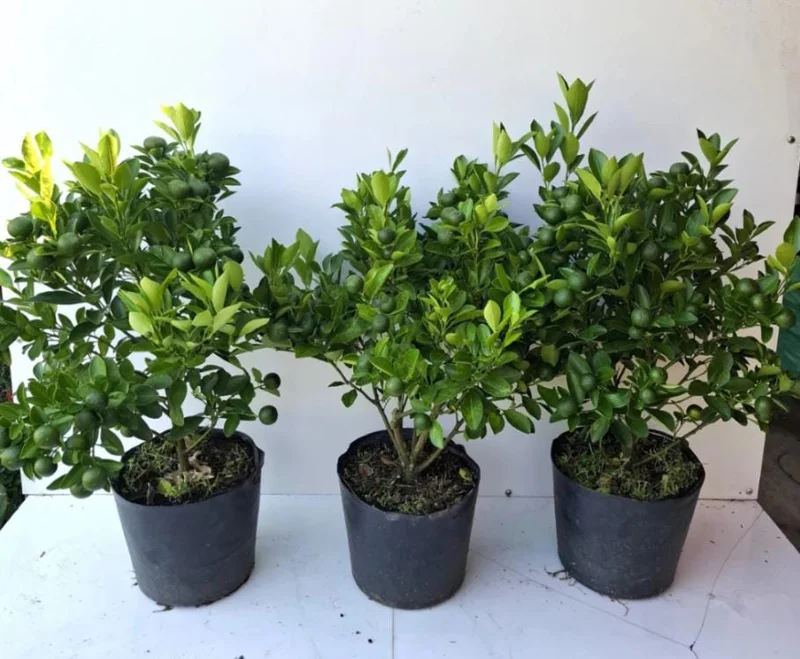
Introduce a taste of the tropics to your garden or home with this vibrant calamansi orange tree. Known scientifically as Citrus microcarpa, this perennial evergreen plant is celebrated for its small, tart, and incredibly versatile fruits, often referred to as calamondin. This beautiful citrus tree, standing 3-4 feet tall in a 5-gallon pot, is not only a source of delicious citrus but also serves as a stunning ornamental plant. Whether you’re looking to enhance your culinary creations with fresh calamansi juice or simply desire a lush, fragrant addition to your living space, this live calamansi plant is an excellent choice for both experienced and novice gardeners.
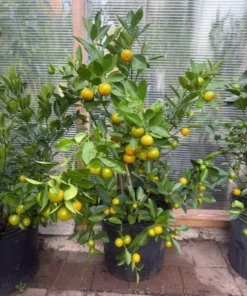
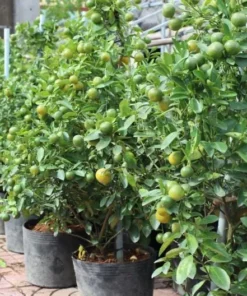
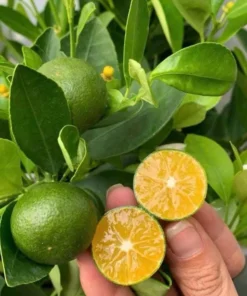
The calamansi is a hybrid citrus fruit, believed to be a cross between a kumquat and another citrus species. Its small, round fruits turn from green to orange as they ripen, offering a unique tart flavor that is a staple in many Asian cuisines. This particular specimen is a robust calamondin citrus tree, ready to thrive and produce fruit in a suitable environment. It can be cultivated outdoors in warm climates or kept indoors as a dwarf or bonsai plant, making it adaptable to various growing conditions.
Owning a calamansi orange tree offers a multitude of advantages, from its aesthetic appeal to its practical uses in the kitchen. This versatile plant is a true asset to any home or garden, providing both beauty and bounty.
Caring for your calamansi orange tree is straightforward, especially when you understand its basic needs. This plant thrives in warm conditions and requires specific attention to sunlight, watering, and soil to ensure healthy growth and abundant fruit production. Understanding proper calamansi plant care is key to a flourishing tree.
Sunlight: Calamansi orange trees are sun-lovers, requiring at least 6-10 hours of direct sunlight daily to produce fruit effectively. If growing indoors, place it near a south-facing window or supplement with grow lights. For outdoor cultivation, choose a location that receives ample morning sun and some afternoon shade in extremely hot climates to prevent leaf scorch. Consistent light is crucial for the development of both flowers and fruits.
Watering & Soil: Proper watering is vital for the health of your calamondin citrus tree. Infrequent, deep watering is preferred over frequent, shallow sprinklings, as this encourages the development of strong, deep root systems. Allow the top inch or two of soil to dry out completely between waterings to prevent root rot. The tree thrives in well-draining, loamy soil. A mix that includes compost or other organic matter is ideal for ensuring good drainage and providing essential nutrients. Avoid heavy clay soils that retain too much moisture. Good drainage is paramount for a healthy live calamansi plant.
Temperature & Fertilization: Calamansi trees prefer warm, subtropical to tropical climates, ideally between 20°C and 30°C (68-86°F). They are not frost-tolerant, so if you live in a region with cold winters, it’s best to grow them in a pot that can be moved indoors. Fertilize regularly during the growing season (spring and summer) with a balanced citrus fertilizer, following the product’s instructions. Reduce fertilization in fall and winter when growth slows. Pruning can be done to maintain shape and encourage bushier growth.
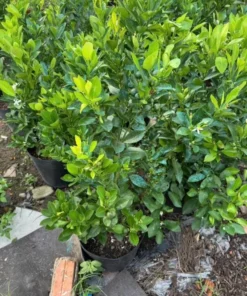
This offering is for one calamansi orange tree that stands approximately 3-4 feet tall from the base of the pot to the top of the foliage. It is established in a 5-gallon nursery pot, providing a substantial root system for a strong start. The tree is a mature specimen, capable of producing fruit with proper care. These trees are typically moderate growers, reaching a mature height of 6-10 feet if planted in the ground, though they can be kept smaller through pruning when grown in containers. The edible citrus plant will arrive well-packaged, ready for transplanting into a larger pot or your garden. Expect to see flowers and fruit development within the first year or two of planting, depending on growing conditions and care.
You must be logged in to post a review.
Sold 63 products
Original price was: $49.99.$34.99Current price is: $34.99.
Sold 84 products
Original price was: $58.58.$29.29Current price is: $29.29.
Sold 66 products
Original price was: $57.98.$28.99Current price is: $28.99.
Sold 85 products
Original price was: $57.98.$28.99Current price is: $28.99.
Sold 54 products
Original price was: $78.99.$48.99Current price is: $48.99.
Sold 97 products
Original price was: $79.98.$39.99Current price is: $39.99.
Sold 80 products
Original price was: $64.99.$34.99Current price is: $34.99.
Sold 59 products
Original price was: $57.98.$28.99Current price is: $28.99.
Reviews
There are no reviews yet.