NEED SUPPORT WITH YOUR ORDER? Get in touch
Not satisfied with your purchase?
Enter your Order ID on website, and we'll resolve it right away.

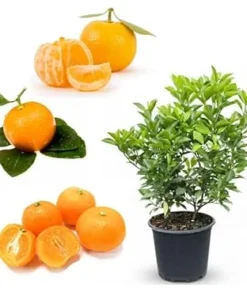
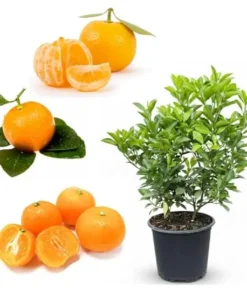
Original price was: $160.00.$140.00Current price is: $140.00.
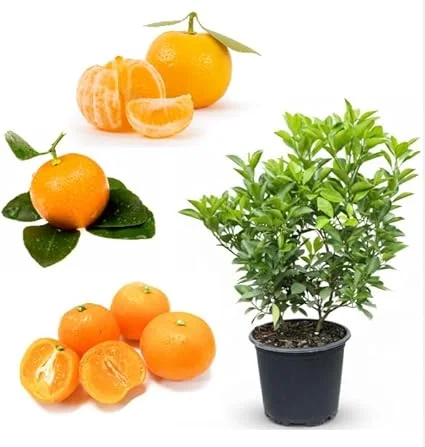
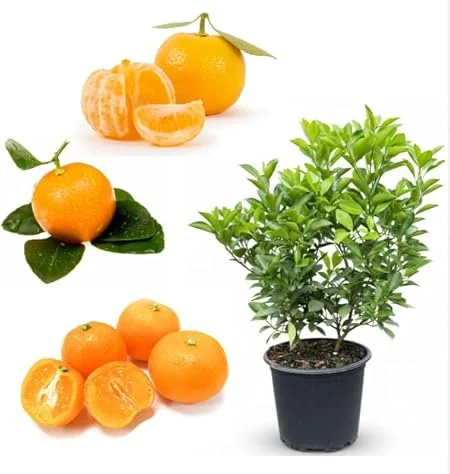
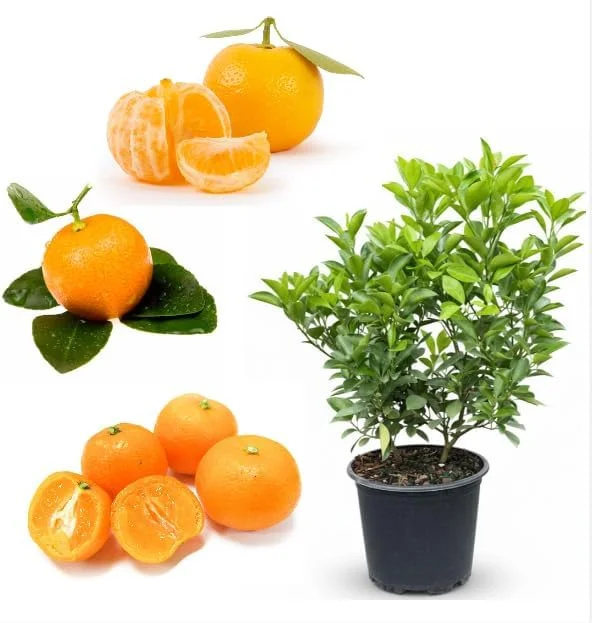
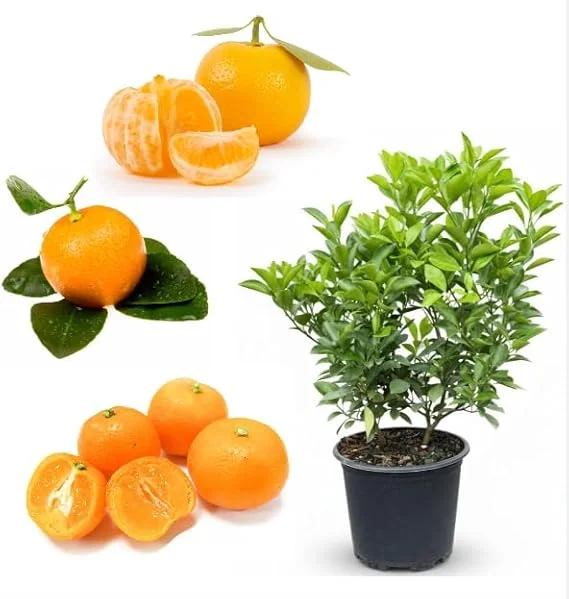
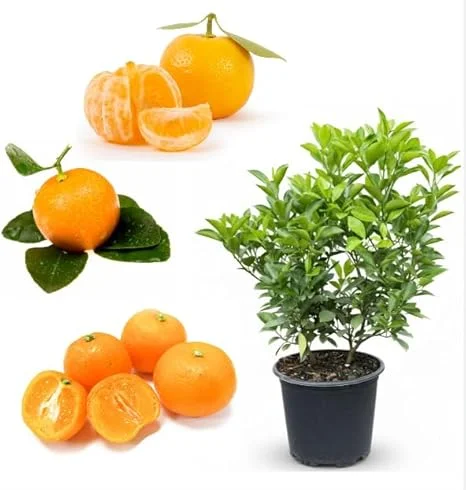
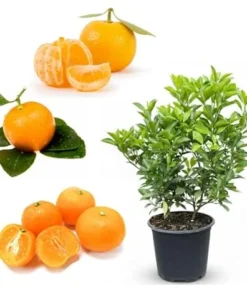
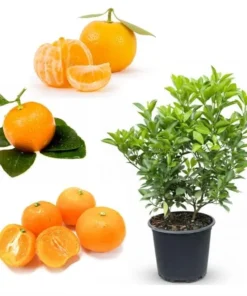
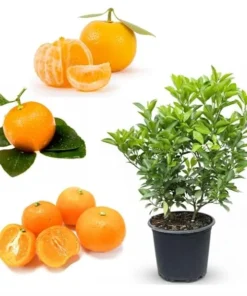
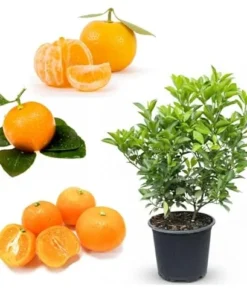
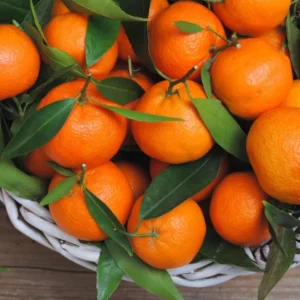
Bring the joy of fresh citrus to your home with this calamondin orange live tree. This dwarf calamondin citrus plant comes in a 2-gallon pot and stands 3 feet tall, making it ideal for container gardening and small spaces. Enjoy fragrant blooms and tart, flavorful fruit.
Feb 04
Feb 09 - Feb 11
Feb 14 - Feb 18
USDA Hardiness Zone
Soil Type
Sunlight Exposure
Expected Planting Period
Shipping and return policies: Our Alive & Thrive Guarantee covers issues with your plants within the first 30 days. Get in touch with us via email, and our team will review your concerns and, if necessary, provide you with a one-time replacement at no cost.
If you're unsure about your hardiness zone, feel free to reach out to us. Our team will answer your questions and help you find the plants that are truly suitable for your environment, climate, and personal preferences.
Cultivate your own delightful citrus with this exquisite calamondin orange live tree. A hybrid of mandarin orange and kumquat, the Calamondin (Citrus mitis) is cherished for its ornamental beauty and abundance of small, tart, orange-like fruits. This particular specimen is a dwarf calamondin citrus tree, making it perfectly suited for container gardening on patios, balconies, or even indoors, allowing citrus enthusiasts to enjoy fresh fruit regardless of their climate. Known for its compact growth habit and prolific fruit production, this live plant brings both aesthetic appeal and culinary utility to any setting. Imagine the vibrant green foliage, fragrant white blossoms, and cheerful orange fruits brightening your space, all from your very own calamondin orange live tree.
The Calamondin is a resilient and relatively easy-to-care-for citrus variety, making it an excellent choice for both novice and experienced gardeners. Its ability to thrive in pots allows for mobility, enabling you to bring it indoors during colder months. The fruit, though small, is packed with flavor, often used in drinks, desserts, and savory dishes, providing a unique tangy zest. This dwarf calamondin citrus is a true gem for anyone looking to add a touch of the tropics and a splash of fresh flavor to their home or garden.
Investing in a calamondin orange live tree offers a multitude of benefits, from enhancing your living space to providing a continuous supply of fresh fruit. Its compact size and adaptability make it a versatile addition to various environments.
Caring for your calamondin orange live tree involves providing the right conditions to ensure healthy growth and abundant fruit production. Understanding its needs will help your dwarf citrus thrive.
Sunlight Requirements: Calamondin trees are sun-lovers and require full sun exposure, meaning at least 6-8 hours of direct sunlight per day. If growing indoors, place your dwarf calamondin citrus near a south-facing window or supplement with a grow light to ensure it receives adequate light. Insufficient light can lead to sparse foliage and poor fruiting.
Watering & Soil: Use a well-draining soil mix; sandy loam or an acidic to neutral potting soil is ideal. Water regularly, especially during warm weather and when the tree is actively growing or fruiting. However, it’s crucial not to let the soil stay soggy, as this can lead to root rot. Allow the top inch or two of soil to dry out slightly between waterings. Maintaining consistent moisture is key for a healthy calamondin plant care routine.
Temperature & Hardiness: Calamondin trees prefer temperatures between 70 and 90 degrees Fahrenheit. They are hardy in USDA Zones 9-11, meaning they can tolerate mild winters outdoors in these regions. In colder climates (below Zone 9), it’s essential to bring your tree indoors when temperatures drop below 50 degrees Fahrenheit. Protect it from frost and cold drafts. Fertilize your tree during the growing season (spring through fall) with a balanced citrus-specific fertilizer, following the product’s instructions.
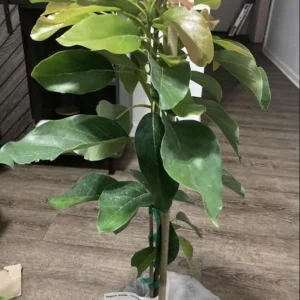
This calamondin orange live tree is supplied as a thriving plant in a 2-gallon nursery pot. At the time of shipment, it typically stands approximately 3 feet tall, providing a significant head start for your citrus growing journey. The tree’s compact nature makes it an excellent choice for patios, decks, or as a vibrant indoor houseplant. While growth rates can vary based on care and environmental conditions, you can expect this dwarf variety to maintain a manageable size, generally reaching 4-6 feet tall when mature, especially if kept in a container. The tree ships in its nursery pot with soil, ensuring minimal transplant shock upon arrival. With proper calamondin plant care, you can anticipate fragrant blooms and fruit production within the first year or two.
You must be logged in to post a review.
Sold 87 products
Original price was: $299.94.$149.97Current price is: $149.97.
Sold 98 products
Original price was: $259.78.$129.89Current price is: $129.89.
Sold 95 products
Original price was: $45.98.$22.99Current price is: $22.99.
Sold 63 products
Original price was: $69.98.$34.99Current price is: $34.99.
Sold 56 products
Original price was: $48.98.$24.49Current price is: $24.49.
Sold 67 products
Original price was: $259.96.$129.98Current price is: $129.98.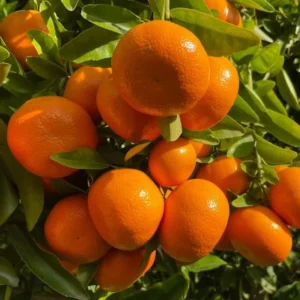
Sold 83 products
Original price was: $258.98.$129.49Current price is: $129.49.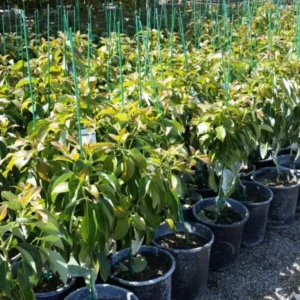
Sold 66 products
Original price was: $219.98.$109.99Current price is: $109.99.
Reviews
There are no reviews yet.