NEED SUPPORT WITH YOUR ORDER? Get in touch
Not satisfied with your purchase?
Enter your Order ID on website, and we'll resolve it right away.

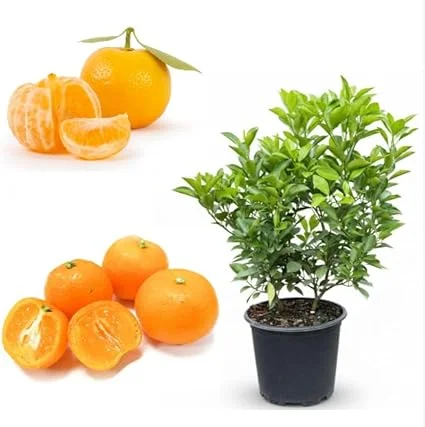
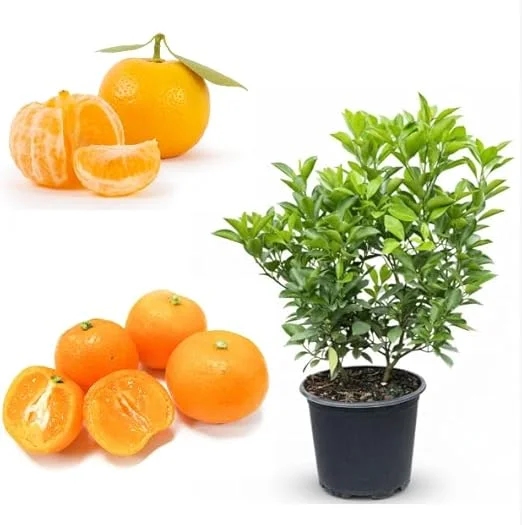
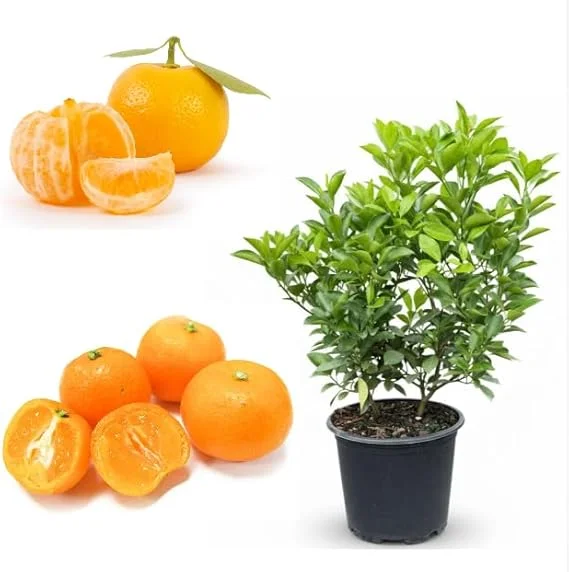
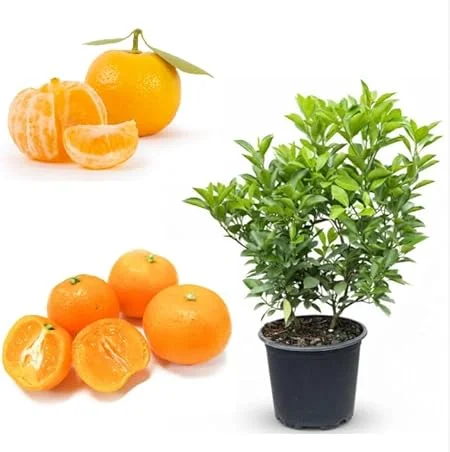
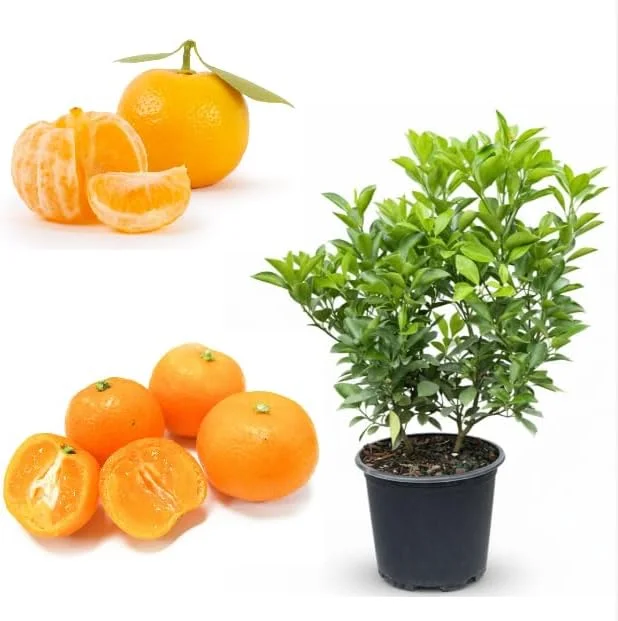
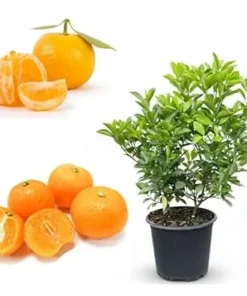
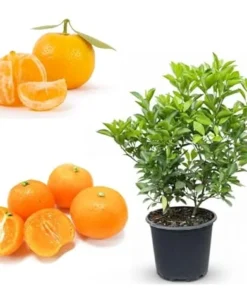
Original price was: $160.00.$140.00Current price is: $140.00.
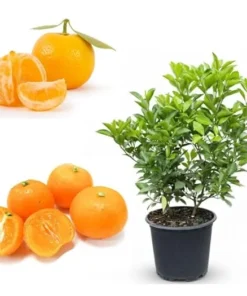
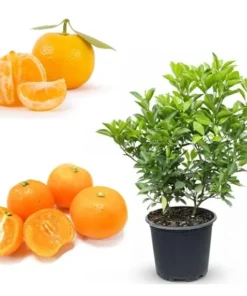
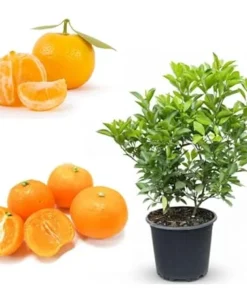
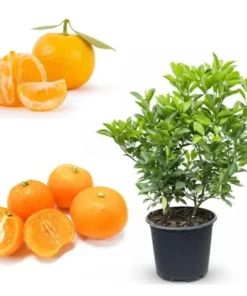
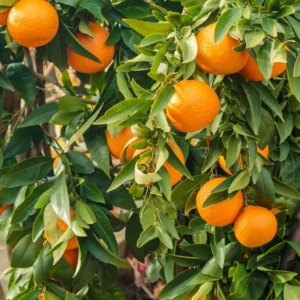
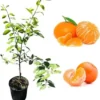
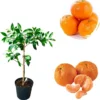
Bring home a vibrant calamondin orange tree live plant, a delightful dwarf citrus variety. This 3-gallon potted tree, standing 2-3 feet tall, produces abundant tangy fruit perfect for culinary uses. Ideal for patio growing in warm climates or as an indoor plant in cooler regions.
Feb 04
Feb 09 - Feb 11
Feb 14 - Feb 18
USDA Hardiness Zone
Soil Type
Sunlight Exposure
Expected Planting Period
Shipping and return policies: Our Alive & Thrive Guarantee covers issues with your plants within the first 30 days. Get in touch with us via email, and our team will review your concerns and, if necessary, provide you with a one-time replacement at no cost.
If you're unsure about your hardiness zone, feel free to reach out to us. Our team will answer your questions and help you find the plants that are truly suitable for your environment, climate, and personal preferences.
Cultivate your own delicious citrus with this beautiful calamondin orange tree live plant. Known for its small, tart, and highly aromatic fruit, the Calamondin (Citrofortunella microcarpa) is a hybrid citrus often referred to as a miniature orange or calamansi. This particular specimen is a thriving, healthy plant, ready to bring an exotic touch to your home or garden. Standing at an impressive 2 to 3 feet tall and delivered in a 3-gallon pot, it’s a substantial plant that offers both ornamental beauty and practical fruit production. Whether you’re an experienced gardener or just starting, this dwarf citrus tree is a rewarding addition, promising fresh fruit for your kitchen and a vibrant green accent for your space. Its compact size makes it versatile, suitable for container gardening on patios, balconies, or as a striking indoor plant.
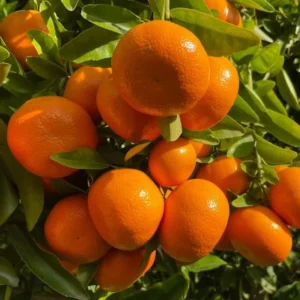
The Calamondin is celebrated for its ease of care and prolific fruiting, often bearing fruit multiple times a year. Its fragrant white blossoms precede the small, round, orange-like fruit, which starts green and ripens to a bright orange. The fruit’s unique tart flavor, a cross between a lemon and a mandarin, is highly prized in various cuisines for drinks, desserts, and savory dishes. This calamondin orange tree live plant is more than just a decorative item; it’s a miniature orchard waiting to provide you with a continuous supply of fresh, homegrown citrus.
The calamondin orange tree live plant offers a multitude of benefits, combining aesthetic appeal with practical utility. It’s a fantastic choice for anyone looking to add a touch of the tropics to their environment.
Caring for your calamondin orange tree live plant is relatively straightforward, making it an excellent choice for both novice and experienced gardeners. The key to a healthy, fruiting tree lies in providing the right conditions for sunlight, water, and soil. This resilient dwarf citrus tree thrives when its basic needs are met, rewarding you with lush foliage and delicious fruit.
Sunlight Requirements: Calamondins are sun-loving plants. They require at least 6-8 hours of direct sunlight per day to flourish and produce fruit. If grown outdoors, choose a location with full sun exposure. If kept indoors, place it near a south-facing window or use supplemental grow lights, especially during winter months, to ensure it receives adequate light. Rotate the plant periodically to ensure even growth and light exposure on all sides.
Watering Schedule & Soil Moisture: Water your calamondin tree regularly, ensuring the soil remains consistently moist but never soggy. Allow the top inch or two of soil to dry out slightly between waterings. Overwatering can lead to root rot, so good drainage is crucial. In warmer months or during active growth, it may require more frequent watering. Reduce watering frequency in cooler, dormant periods. A good indicator is to check the soil moisture with your finger before watering. When learning about calamondin tree care, remember consistency is key.
Soil Type & Drainage: Use a well-draining soil mix specifically formulated for citrus or acid-loving plants. A sandy loam or an acidic to neutral potting soil with good aeration is ideal. Ensure the pot has drainage holes to prevent water from pooling at the bottom. Proper drainage is paramount for the health of your calamansi plant for sale.
Temperature Range & USDA Hardiness Zone: Calamondin trees prefer temperatures between 70°F and 90°F. They are tender citrus and are best suited for USDA Zones 9–11 for outdoor planting. In colder climates, they should be grown in containers and brought indoors when temperatures drop below 40°F. Protect them from frost, as cold temperatures can severely damage the plant. Maintaining adequate humidity, especially indoors, can also benefit the plant.
Fertilization Schedule: Feed your calamondin orange tree live plant regularly during its growing season (spring and summer) with a balanced citrus fertilizer. Follow the product instructions for application rates. Reduce or stop fertilizing during fall and winter when the plant’s growth slows down. Proper nutrition is vital for strong growth and abundant fruit production.
This calamondin orange tree live plant is supplied in a robust 3-gallon nursery pot, providing ample space for its initial growth and establishment. The plant itself stands at an impressive height of 2 to 3 feet from the base of the pot, offering a significant and mature presence upon arrival. Its compact, bushy growth habit makes it an excellent choice for container gardening, allowing it to be easily moved indoors during colder months, which is a common practice when growing calamondin indoors outside of its hardiness zones. The tree is typically well-branched and ready to produce fruit, often showing signs of developing or already-present fruit and blossoms, depending on the season.
The Calamondin is a relatively fast grower, and with proper care, it can reach a mature height of 6-10 feet if planted in the ground, though it remains much smaller in containers, usually topping out at 4-6 feet. It typically begins bearing fruit within 1-2 years of planting, offering a quick reward for your gardening efforts. This live plant will be carefully packaged to ensure its safe arrival, ready to be placed in its new home and begin flourishing.
You must be logged in to post a review.
Sold 72 products
Original price was: $258.98.$129.49Current price is: $129.49.
Sold 96 products
Original price was: $319.98.$159.99Current price is: $159.99.
Sold 72 products
Original price was: $45.98.$22.99Current price is: $22.99.
Sold 74 products
Original price was: $259.96.$129.98Current price is: $129.98.
Sold 84 products
Original price was: $371.98.$185.99Current price is: $185.99.
Sold 56 products
Original price was: $55.98.$27.99Current price is: $27.99.
Sold 69 products
Original price was: $59.92.$29.96Current price is: $29.96.
Sold 93 products
Original price was: $35.98.$17.99Current price is: $17.99.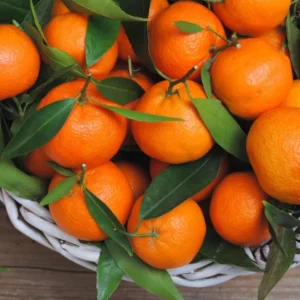
Reviews
There are no reviews yet.