NEED SUPPORT WITH YOUR ORDER? Get in touch
Not satisfied with your purchase?
Enter your Order ID on website, and we'll resolve it right away.

Original price was: $45.99.$26.99Current price is: $26.99.
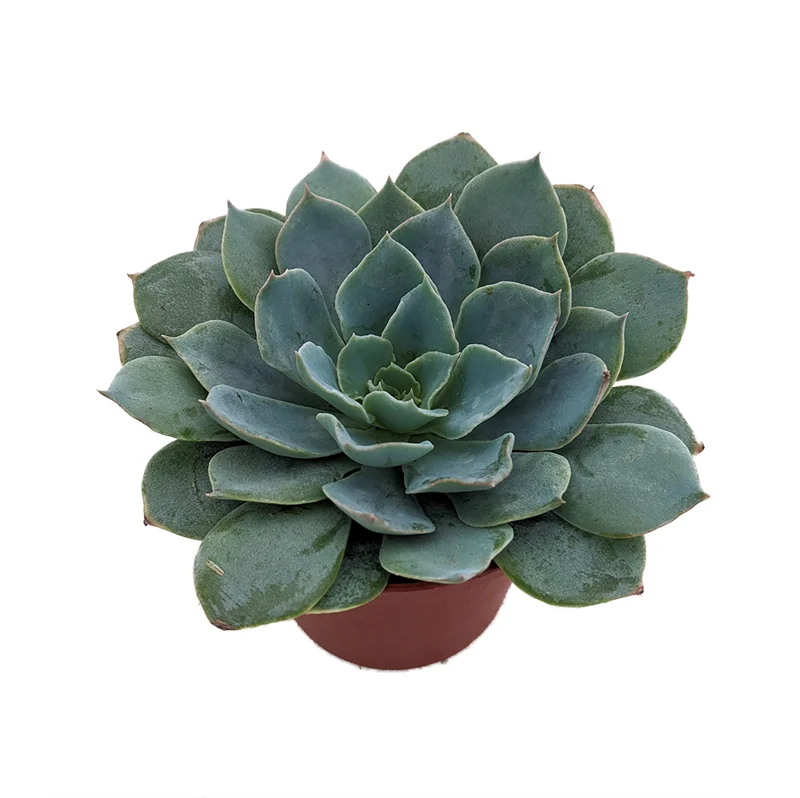
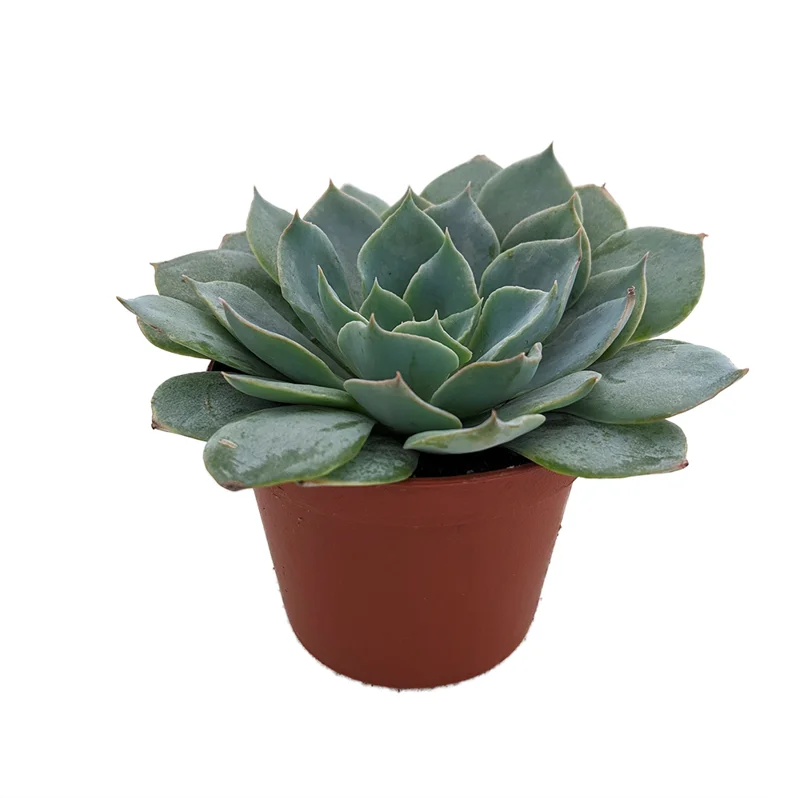
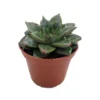
Bring vibrant color and low-maintenance beauty to your home with the Caribbean Blue Echeveria. This captivating Desert Rose Echeveria succulent features stunning blue-green foliage that deepens in hue with ample sunlight. Perfect for both indoor and outdoor settings, it’s an easy grow succulent ideal for beginners and experienced plant enthusiasts alike.
Feb 04
Feb 09 - Feb 11
Feb 14 - Feb 18
USDA Hardiness Zone
Soil Type
Sunlight Exposure
Expected Planting Period
Shipping and return policies: Our Alive & Thrive Guarantee covers issues with your plants within the first 30 days. Get in touch with us via email, and our team will review your concerns and, if necessary, provide you with a one-time replacement at no cost.
If you're unsure about your hardiness zone, feel free to reach out to us. Our team will answer your questions and help you find the plants that are truly suitable for your environment, climate, and personal preferences.
Introduce a touch of serene beauty to your space with the Caribbean Blue Echeveria, a truly captivating and low-maintenance live plant. Also known as Desert Rose Echeveria, this succulent is celebrated for its striking blue-green rosettes that develop more intense coloration when exposed to brighter light. It’s an easy grow succulent, making it an excellent choice for both novice and experienced plant parents seeking to add natural elegance without demanding extensive care. This particular variety of Echeveria brings a unique aesthetic, reminiscent of tranquil ocean depths, making it a focal point in any plant collection or home decor. Its compact size and appealing form ensure it fits beautifully on windowsills, desks, or as part of a larger succulent arrangement.
This live plant arrives in a convenient 2.5-inch pot, ready to thrive in its new environment. The Echeveria genus is renowned for its resilience and stunning architectural forms, and the Caribbean Blue Desert Rose is no exception. Its natural drought tolerance and minimal watering needs align perfectly with a busy lifestyle, offering continuous visual appeal with little effort. Whether you’re looking to enhance an indoor living area or add a unique specimen to an outdoor succulent garden, this Caribbean Blue Echeveria provides an effortless way to introduce vibrant, living artistry into your surroundings.
The Caribbean Blue Echeveria offers a multitude of advantages for plant lovers, combining aesthetic appeal with practical benefits. Its unique characteristics make it a standout choice for various settings.
Caring for your Caribbean Blue Echeveria is straightforward, ensuring that even beginners can enjoy its beauty. The key to a thriving easy grow succulent like this lies in understanding its fundamental needs for light, water, and soil. This plant flourishes with adequate sunlight, which is crucial for developing its stunning blue-green coloration. Place it in a location where it can receive bright, indirect light for at least 6 hours a day. If you notice the colors fading or the rosettes stretching, it’s a sign it needs more light. For outdoor cultivation, full sun is ideal, especially in regions with milder climates, enhancing the vibrant hues of your Desert Rose Echeveria.
When it comes to watering, less is more for this drought-tolerant variety. Only water your Echeveria succulent care when the soil is completely dry to the touch. Overwatering is the most common cause of succulent demise, leading to root rot. Ensure the pot has drainage holes to prevent water from sitting at the bottom. During winter months or in cooler climates, reduce watering frequency significantly. For soil, a well-draining succulent or cactus mix is essential. This prevents waterlogging and mimics its natural arid habitat. Fertilize sparingly, once or twice during the growing season (spring and summer) with a diluted succulent-specific fertilizer. Repotting is only necessary when the plant outgrows its current container, typically every 1-2 years.
To maintain the health and appearance of your blue-green Echeveria, occasionally remove any dead or yellowing leaves from the base of the rosette. This not only keeps the plant looking tidy but also helps prevent pests and diseases. While generally robust, keep an eye out for common succulent pests like mealybugs or aphids, which can be treated with insecticidal soap. This easy grow succulent is adaptable but thrives best in USDA zones 9-11 if planted outdoors year-round. Indoors, protect it from extreme temperature fluctuations and ensure good air circulation. With these simple guidelines, your Caribbean Blue Desert Rose Echeveria will flourish, providing lasting beauty.
This Caribbean Blue Echeveria live plant is carefully cultivated and shipped in a 2.5-inch nursery pot, providing a perfect starting size for immediate enjoyment. At this stage, the plant typically measures approximately 2-3 inches in diameter, with a compact rosette form. As it matures, this easy grow succulent can reach a diameter of 4-6 inches, creating a fuller and more impressive display. The growth rate is moderate, allowing you to observe its development over time.
Upon arrival, your Desert Rose Echeveria will be a healthy, established plant, ready to be placed in its preferred sunny location. While it comes in a starter pot, it can be repotted into a slightly larger container (3-4 inches) as it grows, allowing its roots more space to expand. The plant’s mature height typically remains low, usually between 3-5 inches tall, making it an ideal choice for dish gardens, windowsills, or as a charming desk companion. Expect to enjoy its vibrant blue-green hues and distinctive rosette shape as it slowly but steadily establishes itself in your home or garden.
You must be logged in to post a review.
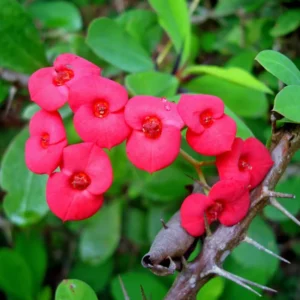
Succulents
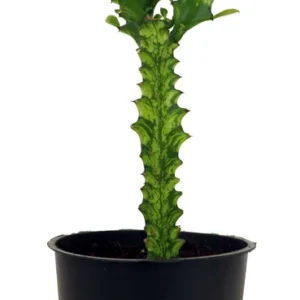
Crown of Thorns Plant – Rare White Lightening Euphorbia – 2.5 Inch Pot – Trending Succulent
Sold 52 products
Original price was: $75.99.$52.99Current price is: $52.99.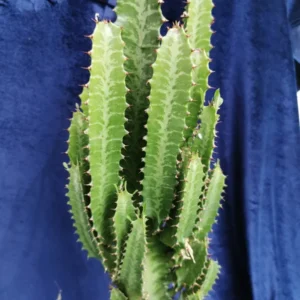
Sold 92 products
Original price was: $68.99.$52.99Current price is: $52.99.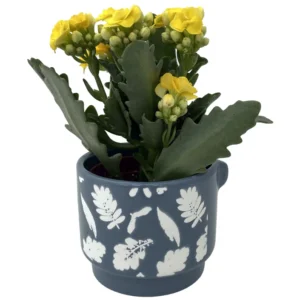
Sold 55 products
Original price was: $59.99.$43.99Current price is: $43.99.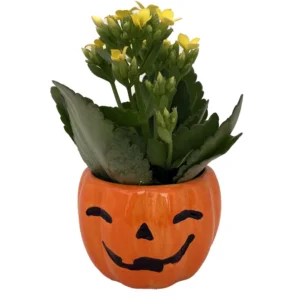
Sold 77 products
Original price was: $55.99.$43.99Current price is: $43.99.
Sold 89 products
Original price was: $42.99.$30.99Current price is: $30.99.
Sold 56 products
Original price was: $49.99.$34.99Current price is: $34.99.
Sold 84 products
Original price was: $67.99.$43.99Current price is: $43.99.
Sold 99 products
Original price was: $69.99.$57.99Current price is: $57.99.
Reviews
There are no reviews yet.