NEED SUPPORT WITH YOUR ORDER? Get in touch
Not satisfied with your purchase?
Enter your Order ID on website, and we'll resolve it right away.

Original price was: $104.38.$57.99Current price is: $57.99.
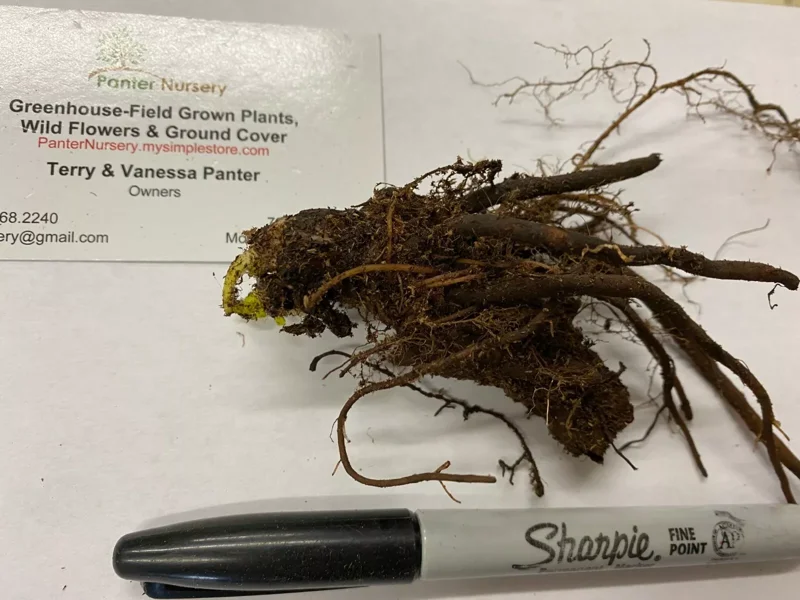
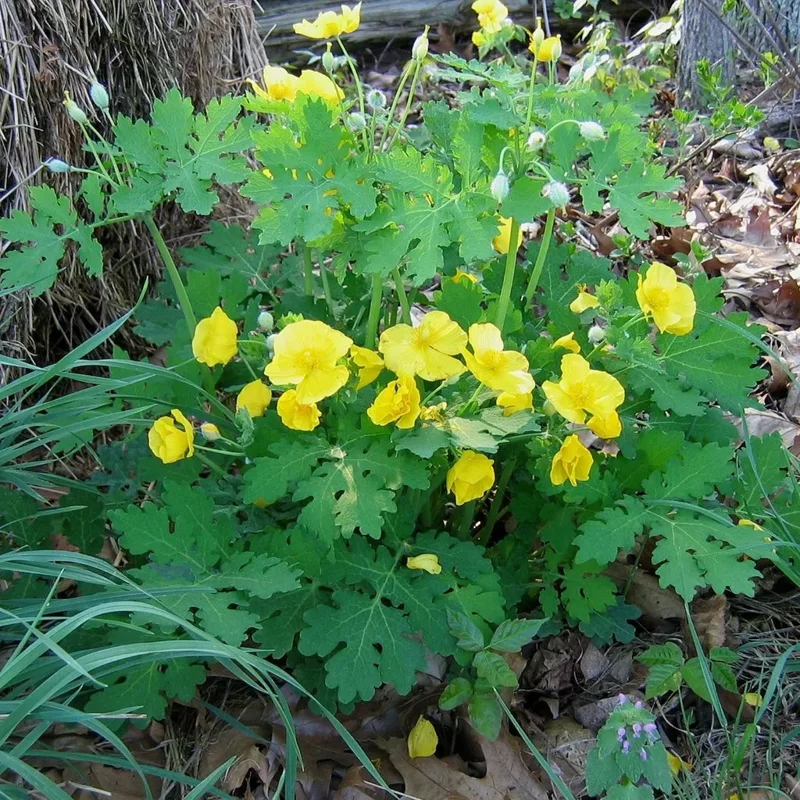
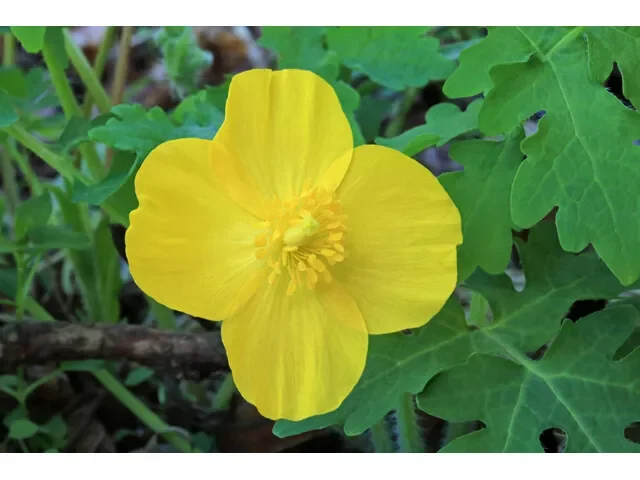
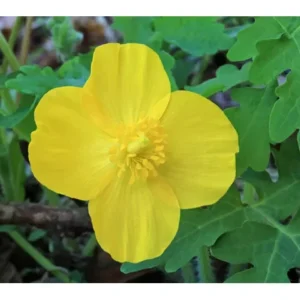
Bring cheerful spring color to your shady garden with this celandine poppy bulbs 20-pack. Producing bright yellow, four-petaled flowers, these yellow poppy bulbs (Stylophorum diphyllum) are perfect for naturalizing in woodland settings. Enjoy a low-maintenance, deer-resistant display year after year.
Feb 04
Feb 09 - Feb 11
Feb 14 - Feb 18
USDA Hardiness Zone
Soil Type
Sunlight Exposure
Expected Planting Period
Shipping and return policies: Our Alive & Thrive Guarantee covers issues with your plants within the first 30 days. Get in touch with us via email, and our team will review your concerns and, if necessary, provide you with a one-time replacement at no cost.
If you're unsure about your hardiness zone, feel free to reach out to us. Our team will answer your questions and help you find the plants that are truly suitable for your environment, climate, and personal preferences.
Introduce a burst of sunshine to your shaded garden spaces with our premium celandine poppy bulbs. This generous pack contains 20 bulbs of Stylophorum diphyllum, ready to transform your landscape into a vibrant spring haven. Known for their charming, bright yellow, four-petaled flowers, celandine poppy bulbs are a true delight, blooming profusely in early spring. Also commonly referred to as yellow poppy bulbs, these native woodland plants are celebrated for their ability to naturalize and create a stunning carpet of color with minimal effort. They are an ideal choice for gardeners seeking both beauty and ease of care, flourishing where many other flowering plants might struggle.
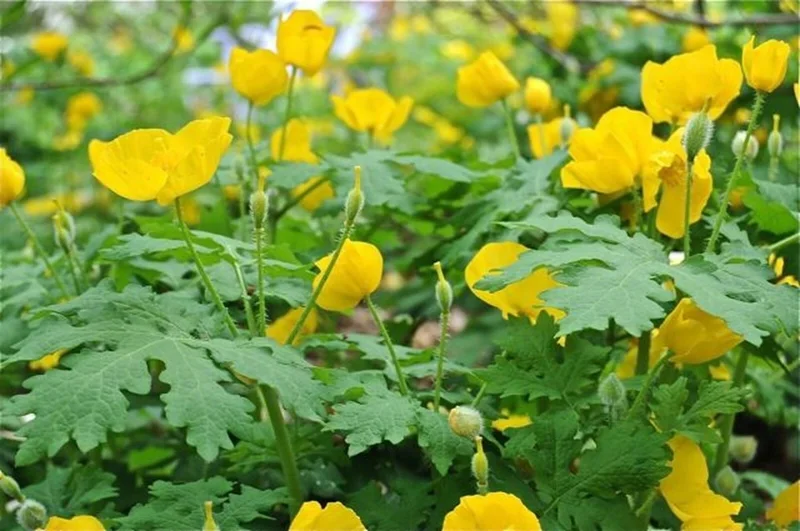
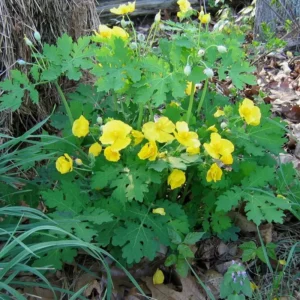
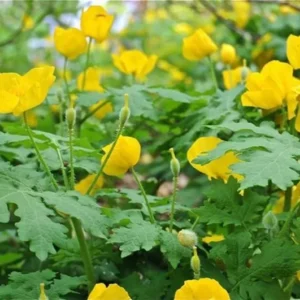
The Celandine Poppy is a resilient and enchanting perennial that adds a touch of wild elegance to any garden. Its delicate yet striking yellow blooms emerge against attractive blue-green foliage, creating a captivating contrast. These bulbs are perfectly suited for woodland gardens, shady borders, and naturalized areas, providing a cheerful display that heralds the arrival of spring. Their robust nature and adaptability make them a favorite among both novice and experienced gardeners, promising a beautiful and expanding floral show year after year.
Opting for celandine poppy bulbs brings a host of advantages to your garden, making them a wise and rewarding investment for any plant enthusiast. Their unique characteristics ensure a beautiful and thriving display with minimal fuss.
Cultivating a thriving patch of celandine poppy bulbs is remarkably straightforward, given their resilient nature and preference for shady environments. For optimal growth, plant your yellow poppy bulbs in the fall or early spring in a location that receives part to full shade. They prefer consistently moist, humus-rich soil that is well-draining. Avoid locations where water tends to stand, as this can lead to bulb rot. Prior to planting, enrich your soil with organic matter like compost to improve drainage and fertility.
When planting, place the bulbs about 2 inches deep and space them approximately 6 inches apart to allow for natural spread. After planting, water thoroughly to settle the soil around the bulbs. Maintain consistent moisture until the plants are well-established. Once mature, Stylophorum diphyllum is quite drought-tolerant, though it appreciates moisture during dry spells, especially when actively growing and blooming. Fertilization is generally not heavily required; a light application of a balanced, slow-release fertilizer in early spring can support vigorous growth. These plants are generally pest and disease-free, further contributing to their low-maintenance appeal. They will go dormant in early summer, especially if the soil dries out, but will reliably return the following spring.
Understanding the specific needs for shade garden plants like the Celandine Poppy ensures a rewarding experience. While adaptable, providing the right conditions – particularly consistent moisture in well-draining, rich soil and adequate shade – will lead to the most spectacular spring displays. Remember, these plants are designed to thrive in woodland-like conditions, so mimicking that environment will yield the best results.
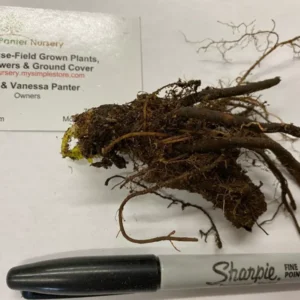
This offering includes a pack of 20 celandine poppy bulbs, providing ample opportunity to establish a significant patch of these beautiful spring bloomers. Each bulb is carefully prepared for planting, ready to produce charming yellow flowers. Once established, the Celandine Poppy typically grows to a height of 12-18 inches, forming a lovely, compact mound of foliage with cheerful blooms. The plant’s naturalizing habit means it will gradually expand its footprint through self-seeding, creating a denser and more expansive display over time. Expect blooms in early spring, which persist for several weeks, adding vibrant color to your garden.
These bulbs are ideal for creating a naturalized look in woodland gardens, filling in shady borders, or adding a touch of wild beauty to any low-light area. The blue-green foliage provides an attractive backdrop to the bright yellow flowers, maintaining visual interest even before and after the main bloom period. They are a reliable choice for gardeners looking to enhance their landscape with a hardy and easy-to-grow perennial that offers consistent beauty year after year.
You must be logged in to post a review.
Sold 63 products
Original price was: $17.90.$14.90Current price is: $14.90.
Sold 89 products
$19.98
Sold 55 products
Original price was: $62.99.$48.99Current price is: $48.99.
Sold 59 products
Original price was: $19.98.$9.99Current price is: $9.99.
Sold 53 products
Original price was: $25.90.$15.99Current price is: $15.99.
Sold 55 products
Original price was: $19.99.$15.99Current price is: $15.99.
Sold 92 products
Original price was: $47.99.$27.99Current price is: $27.99.
Sold 94 products
Original price was: $30.99.$18.99Current price is: $18.99.
Reviews
There are no reviews yet.