NEED SUPPORT WITH YOUR ORDER? Get in touch
Not satisfied with your purchase?
Enter your Order ID on website, and we'll resolve it right away.

Original price was: $55.78.$30.99Current price is: $30.99.
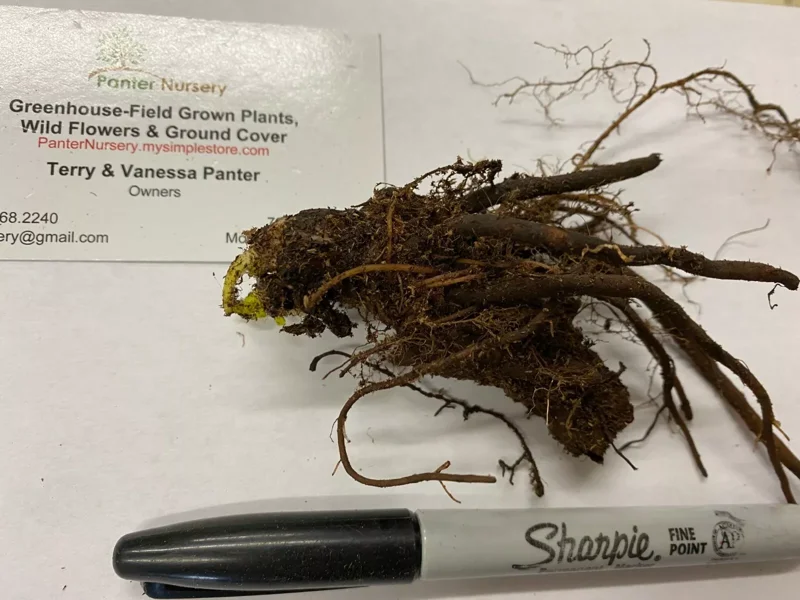
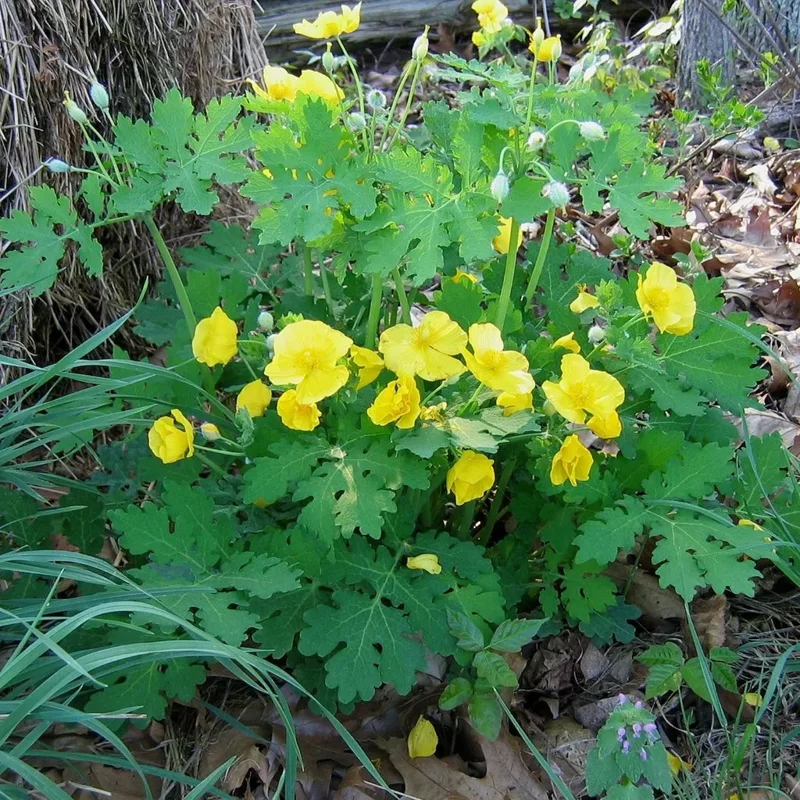
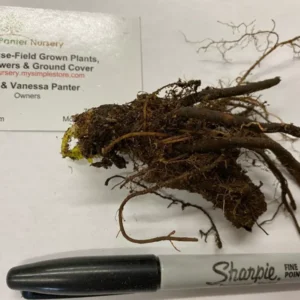
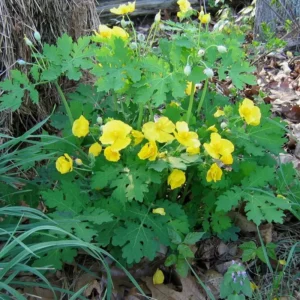
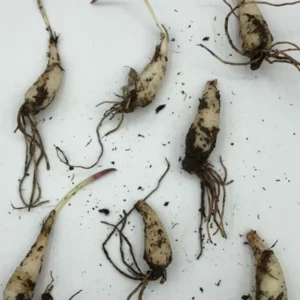
Bring vibrant spring color to your shade garden with these Celandine Poppy Bulbs. Each pack contains 5 Stylophorum diphyllum bulbs, perfect for naturalizing and attracting pollinators. Enjoy charming yellow blooms and unique blue-green foliage, hardy in USDA zones 4-9.
Feb 04
Feb 09 - Feb 11
Feb 14 - Feb 18
USDA Hardiness Zone
Soil Type
Sunlight Exposure
Expected Planting Period
Shipping and return policies: Our Alive & Thrive Guarantee covers issues with your plants within the first 30 days. Get in touch with us via email, and our team will review your concerns and, if necessary, provide you with a one-time replacement at no cost.
If you're unsure about your hardiness zone, feel free to reach out to us. Our team will answer your questions and help you find the plants that are truly suitable for your environment, climate, and personal preferences.
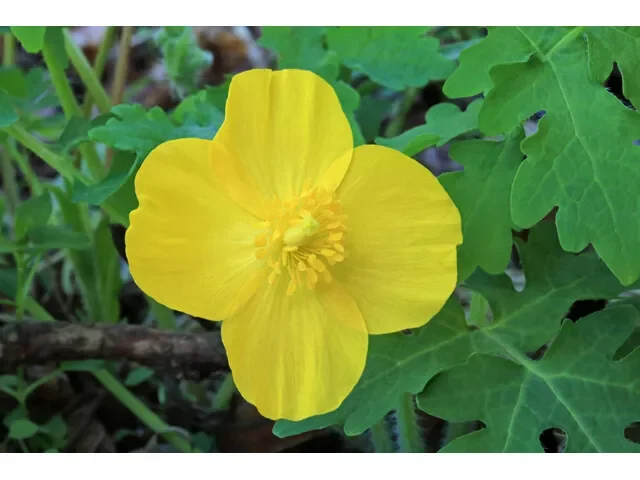
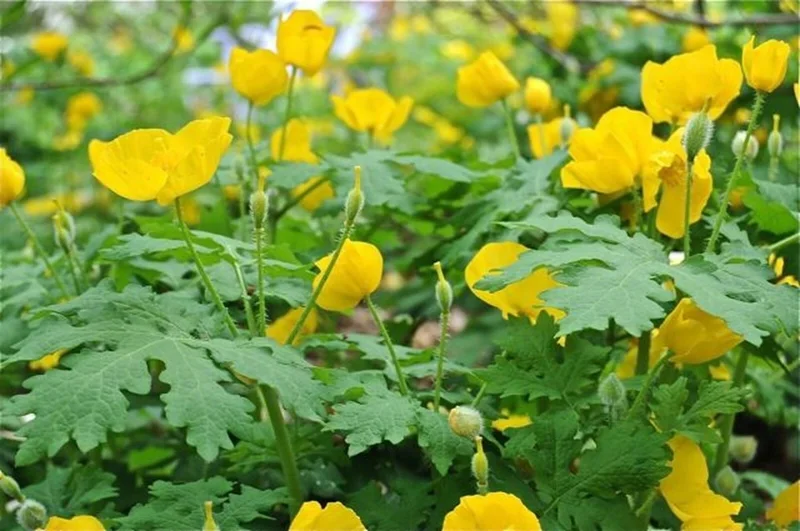
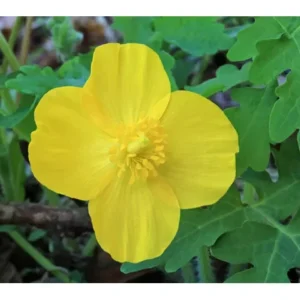
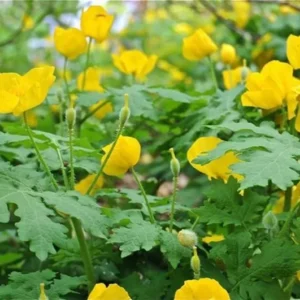
Introduce a burst of cheerful yellow to your landscape with our premium Celandine Poppy Bulbs. This package includes 5 high-quality Stylophorum diphyllum bulbs, ready to transform your garden into a serene spring sanctuary. Also known as yellow poppy bulbs, these delightful plants produce charming, four-petaled flowers that emerge in clusters, brightening shady areas where other plants might struggle. Beyond their vibrant aesthetic, these poppies feature distinctive blue-green lobed foliage with a silvery underside, adding textural interest even when not in bloom. Perfect for naturalizing, Celandine Poppy Bulbs are an excellent choice for gardeners seeking low-maintenance beauty that returns year after year.
Stylophorum diphyllum is celebrated not only for its ornamental value but also for its historical significance, with its bright yellow sap traditionally used as a dye. These hardy bulbs thrive in a variety of conditions, particularly enjoying medium to wet, humusy soils and partial to full shade. They are an ideal addition to woodland gardens, shaded borders, or beneath deciduous trees, promising a captivating display and attracting beneficial pollinators to your outdoor space. Experience the enduring charm and effortless spread of these exceptional Celandine Poppy Bulbs.
Planting Celandine Poppy Bulbs offers numerous advantages, enhancing both the beauty and ecological health of your garden. Known for their resilience and vibrant display, these bulbs are a fantastic investment for any gardener looking to add unique color and texture.
Caring for your Celandine Poppy Bulbs (Stylophorum diphyllum) is relatively straightforward, making them an excellent choice for both novice and experienced gardeners. These plants are known for their adaptability, but providing the right conditions will ensure the most vigorous growth and abundant blooms. They primarily thrive in shaded environments, mimicking their natural woodland habitats. When selecting a planting site, look for areas that receive partial to full shade, avoiding direct, harsh afternoon sun which can scorch their delicate leaves. Under the canopy of deciduous trees or on the north side of a building are ideal locations.
Soil conditions are crucial for healthy growth. Celandine Poppy Bulbs prefer medium to wet, humusy soils that are well-draining but consistently moist. Incorporating organic matter like compost or leaf mold before planting will significantly improve soil structure, fertility, and moisture retention. Once established, keep the soil consistently moist, especially during dry spells in spring and early summer. If the soil becomes too dry, the plants may go dormant prematurely. However, avoid waterlogging, which can lead to bulb rot. Fertilization is generally not heavily required; a light application of a balanced, slow-release granular fertilizer in early spring can promote robust growth, or simply top-dress with compost.
Planting depth is important for these yellow poppy bulbs. Plant them approximately 2-3 inches deep and space them 6-8 inches apart to allow for their natural spread and development. While generally robust, keep an eye out for slugs and snails, which can occasionally munch on their foliage; organic slug baits or traps can help manage these pests. These self-seeding plants will create a lush groundcover over time, offering a beautiful, low-maintenance display. With proper care, your Celandine Poppy Bulbs will provide years of vibrant spring color and unique foliage.
This offering includes 5 individual Celandine Poppy Bulbs, scientifically known as Stylophorum diphyllum. Each bulb is carefully selected for quality, ensuring a strong start for your garden. Once established, these plants typically grow to a height of 12-18 inches (30-45 cm), forming attractive clumps of foliage and flowers. The spread can vary as they naturalize through self-seeding, potentially covering larger areas over time. The vibrant yellow flowers are approximately 1-2 inches in diameter, creating a striking visual impact against the distinctive blue-green foliage.
These yellow poppy bulbs are hardy in USDA Zones 4-9, making them suitable for a wide range of climates across the United States. They are shipped as dormant bulbs, ready for planting in fall or early spring, depending on your local climate. Expect blooms in spring, typically from April to May, with the foliage providing interest through early summer before the plant may go dormant if conditions become too dry. Their robust nature and ease of naturalization make them an excellent choice for creating a lasting, beautiful display with minimal effort.
You must be logged in to post a review.
Sold 73 products
Original price was: $49.99.$37.99Current price is: $37.99.
Sold 96 products
Original price was: $30.99.$18.99Current price is: $18.99.
Sold 50 products
$19.98
Sold 98 products
Original price was: $52.99.$23.99Current price is: $23.99.
Sold 85 products
Original price was: $54.99.$25.99Current price is: $25.99.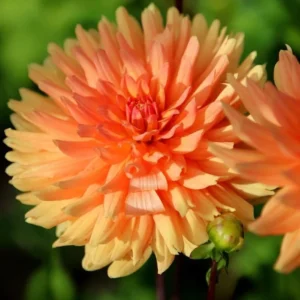
Flower Bulbs
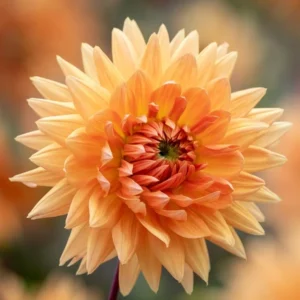
Noordwijks Glory Dahlia Bulb – Large Orange Flower Bulb for Planting – Mid-Summer Blooms
Sold 91 products
$19.98
Sold 88 products
Original price was: $19.98.$9.99Current price is: $9.99.
Sold 95 products
$19.98
Reviews
There are no reviews yet.