NEED SUPPORT WITH YOUR ORDER? Get in touch
Not satisfied with your purchase?
Enter your Order ID on website, and we'll resolve it right away.

Original price was: $43.99.$25.99Current price is: $25.99.
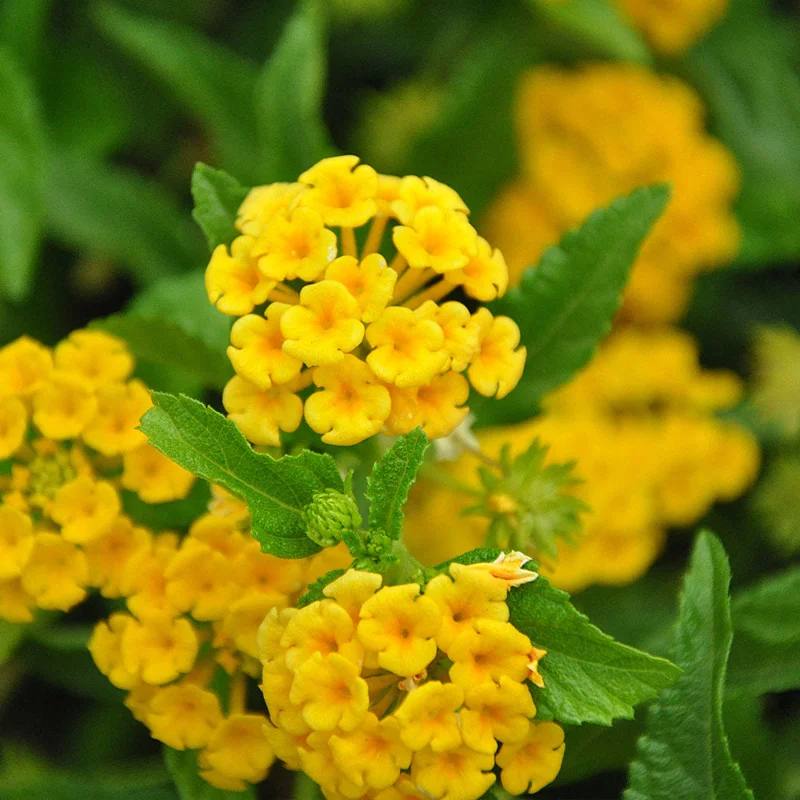
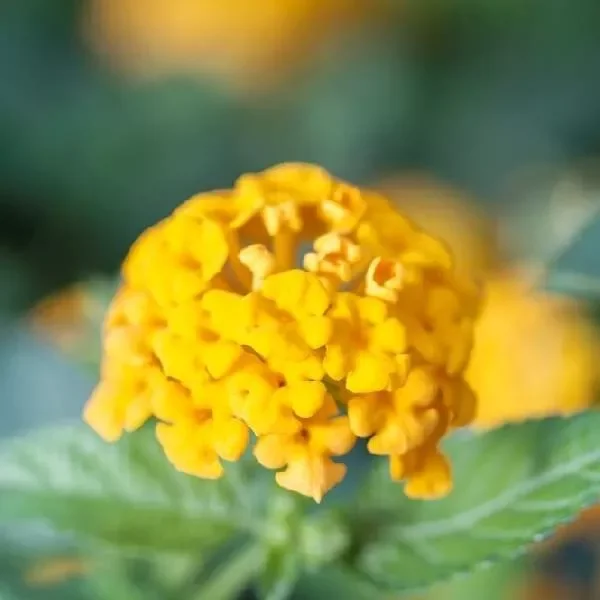
Introduce vibrant color and attract pollinators with the Chapel Hill Gold Lantana live plant. This hardy perennial plug features beautiful bicolor yellow and pink flowers from spring to frost. It’s an excellent choice for a drought-tolerant Lantana garden, containers, or erosion control, thriving in sunny locations and attracting butterflies and hummingbirds.
Feb 04
Feb 09 - Feb 11
Feb 14 - Feb 18
USDA Hardiness Zone
Soil Type
Sunlight Exposure
Expected Planting Period
Shipping and return policies: Our Alive & Thrive Guarantee covers issues with your plants within the first 30 days. Get in touch with us via email, and our team will review your concerns and, if necessary, provide you with a one-time replacement at no cost.
If you're unsure about your hardiness zone, feel free to reach out to us. Our team will answer your questions and help you find the plants that are truly suitable for your environment, climate, and personal preferences.
Experience the vibrant beauty of the tropics in your own garden with the Chapel Hill Gold Lantana live plant. This exquisite variety is a broadleaf evergreen shrub, celebrated for its prolific clusters of bicolor pink and yellow flowers that bloom continuously from late spring until the first frost. Perfect for gardeners seeking both visual appeal and ease of care, this hardy Lantana plant is a fantastic addition to any landscape. It’s delivered as a ready-to-grow plug, ensuring a hassle-free start to cultivating a thriving, colorful display. Known for its resilience, this Lantana is not only drought-hardy but also cold-hardy to slightly below freezing, making it a versatile choice for many climates.
The Chapel Hill Gold Lantana live plant forms a lovely mound, typically reaching about 3 feet tall and wide, making it ideal as a specimen plant or for creating vibrant groupings along sunny borders. Its robust nature also makes it excellent for erosion control on sunny slopes, offering a beautiful and practical solution. Beyond its aesthetic appeal, this perennial is a magnet for local wildlife, essential for butterfly and hummingbird gardens, and a superb choice for sustainable landscaping due to its low water needs. This particular variety is cherished for its compact growth habit and abundant, long-lasting blooms.
The Chapel Hill Gold Lantana live plant offers numerous advantages, transforming your garden into a dynamic and colorful oasis while requiring minimal effort. Its versatility and resilience make it a top choice for both novice and experienced gardeners.
Caring for your Chapel Hill Gold Lantana live plant is straightforward, ensuring a beautiful and thriving display with minimal effort. This hardy perennial prefers a location that receives at least 6 hours of direct sunlight each day to encourage abundant blooming and vigorous growth. In hotter climates, some afternoon shade can be beneficial to prevent scorching. For best results, plant your Lantana plug in well-draining soil. If you have heavy clay soils, amend them with compost or other organic matter to improve drainage and aeration, which is crucial for preventing root rot.
The drought-tolerant Lantana is quite forgiving when it comes to watering. Water deeply at the time of planting to help establish the roots. After that, allow the soil to dry out completely between waterings. Overwatering can be detrimental, so always check the soil moisture before adding more water. Water at the base of the plant in the morning to allow foliage to dry, reducing the risk of fungal issues. This hardy Lantana plant thrives in USDA Zones 7b to 11. If you live north of Zone 7b, you can grow these plants in pots and overwinter them indoors in a bright, cool location to protect them from freezing temperatures. Fertilize sparingly, if at all, as Lantana generally performs well in average soil conditions. Pinch once after transplanting to encourage bushier growth and more blooms.
The Chapel Hill Gold Lantana live plant is typically shipped as a ready-to-grow plug, providing a strong start for your garden. Once established, this hardy perennial will grow into a substantial mound, reaching approximately 3 feet tall and 3 feet wide. Its growth rate is moderate, quickly filling out to provide dense foliage and continuous blooms. For hedges, space plants 3-4 feet apart; for individual plants, allow 5-6 feet for optimal growth and spread. The abundant clusters of bicolor pink and yellow flowers appear from late spring and continue to display their beauty until the first frost. This variety is known for its compact nature and profuse flowering, making it a reliable performer in various garden settings. It’s a perfect choice for adding long-lasting color and attracting beneficial insects.
You must be logged in to post a review.
Sold 84 products
Original price was: $114.99.$84.99Current price is: $84.99.
Sold 99 products
Original price was: $47.99.$34.99Current price is: $34.99.
Sold 64 products
Original price was: $118.99.$88.99Current price is: $88.99.
Sold 71 products
Original price was: $75.99.$61.99Current price is: $61.99.
Sold 70 products
Original price was: $78.99.$48.99Current price is: $48.99.
Sold 77 products
Original price was: $43.90.$33.90Current price is: $33.90.
Sold 85 products
Original price was: $73.99.$43.99Current price is: $43.99.
Sold 75 products
Original price was: $119.98.$59.99Current price is: $59.99.
Reviews
There are no reviews yet.