NEED SUPPORT WITH YOUR ORDER? Get in touch
Not satisfied with your purchase?
Enter your Order ID on website, and we'll resolve it right away.

Original price was: $168.99.$129.99Current price is: $129.99.
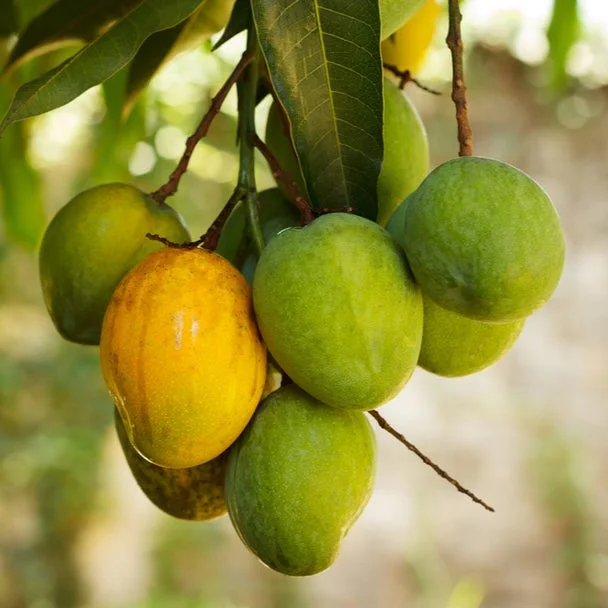
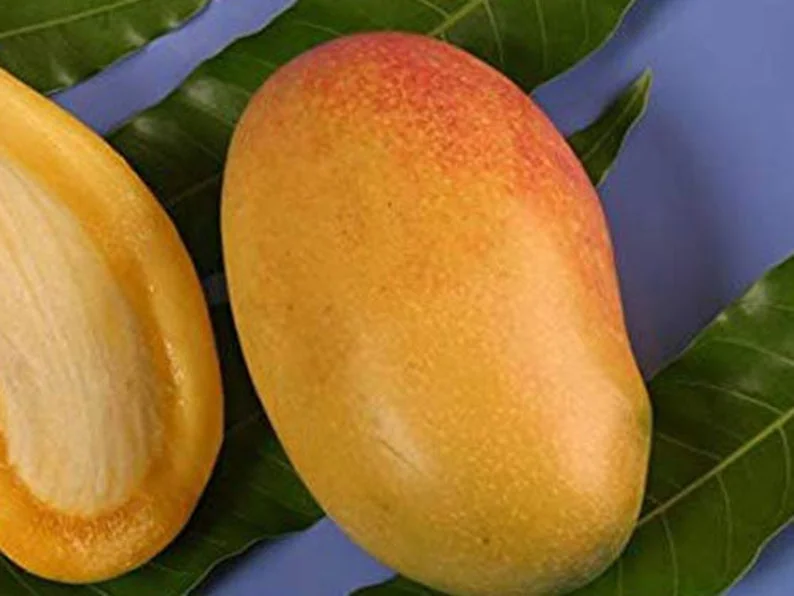
Cultivate your own tropical harvest with a coconut cream mango tree. This grafted mango tree is a 1 ft tall live plant, delivered in a 6-inch pot, ready to bring unique, creamy, and fiberless mangoes to your garden. Enjoy the rich, exotic sweetness of homegrown fruit.
Mar 03
Mar 08 - Mar 10
Mar 13 - Mar 17
USDA Hardiness Zone
Soil Type
Sunlight Exposure
Expected Planting Period
Shipping and return policies: Our Alive & Thrive Guarantee covers issues with your plants within the first 30 days. Get in touch with us via email, and our team will review your concerns and, if necessary, provide you with a one-time replacement at no cost.
If you're unsure about your hardiness zone, feel free to reach out to us. Our team will answer your questions and help you find the plants that are truly suitable for your environment, climate, and personal preferences.
Bring the exotic taste of the tropics directly to your home garden with a coconut cream mango tree. This exceptional grafted mango tree is a live plant, carefully cultivated to ensure healthy growth and robust fruit production. Known for its unique flavor profile, the Coconut Cream mango produces large, juicy fruits with a delightful creamy texture and a fiberless pulp, offering an unparalleled eating experience. Imagine harvesting vibrant red-orange-yellow mangoes right from your backyard, filled with a sweet, tropical essence. This mid-season harvest variety is a prized addition for any fruit enthusiast looking to cultivate a gourmet selection. Grafted trees offer the advantage of faster fruiting, often producing delicious mangoes within 1-3 years, making the dream of growing mangoes at home a reality sooner than with seed-grown counterparts.
Our coconut cream mango tree is a testament to quality, arriving as a healthy 1-foot tall specimen in a 6-inch pot, perfectly sized for transplanting into your garden or a larger container. This variety thrives in warm climates, promising a bountiful harvest of exquisite mangoes with proper care. Its beautiful foliage and colorful fruit also add significant aesthetic appeal to your landscape, transforming your garden into a tropical oasis. Whether you’re an experienced gardener or a budding enthusiast, this grafted mango tree provides a rewarding journey from planting to enjoying your very own fresh, succulent mangoes.
Investing in a coconut cream mango tree offers numerous advantages, transforming your outdoor space and delighting your palate with its remarkable fruit. This specific variety is celebrated for qualities that make it a standout choice among tropical fruit trees.
Caring for your coconut cream mango tree is a rewarding endeavor that will lead to bountiful harvests of delicious fruit. These tropical trees thrive under specific conditions, and proper attention to their needs will ensure a healthy, productive plant. The first step for your grafted mango tree is selecting an ideal planting location. Mango trees require abundant sunlight, so choose a spot that receives at least 6-8 hours of direct sunlight per day. In hotter climates, some afternoon shade can be beneficial to prevent scorching, but generally, more sun means more fruit. Well-draining soil is absolutely essential for mango trees. A sandy loam soil enriched with organic compost is ideal, providing both drainage and necessary nutrients. Avoid heavy clay soils that retain too much moisture, as this can lead to root rot.
Watering is crucial, especially during the establishment phase and the growing season. Water deeply whenever the top inch or two of soil feels dry to the touch. During the fruiting period, consistent moisture is important, but be careful not to overwater. Reduce watering slightly during cooler, dormant periods. Fertilization should begin a few months after planting. Use a balanced, slow-release fertilizer designed for tropical fruit trees, following the product’s instructions. As the tree matures, switch to a fertilizer with a higher potassium content to encourage flowering and fruiting. Pruning is important for shaping the tree, removing dead or diseased branches, and maintaining a manageable size for easy harvesting. Aim to prune after the fruiting season. The coconut cream mango tree is best suited for USDA hardiness zones 9-11, where temperatures rarely drop below freezing. If you live in a cooler climate, consider growing your live mango plant in a large container that can be moved indoors during winter.
This coconut cream mango tree arrives as a healthy, vibrant live plant, ready for its new home. It is approximately 1 foot tall when shipped, measured from the base of the pot to the tip of the highest leaf, and is securely rooted in a 6-inch nursery pot. This size is ideal for transplanting into a larger container or directly into your garden, allowing for quick establishment. Grafting ensures that this tree will produce the specific Coconut Cream variety’s unique fruit characteristics. The mature size of a grafted mango tree can range from 10 to 15 feet tall, depending on pruning practices and environmental conditions, making it suitable for most home gardens. Expect a moderate growth rate, with the potential for your first harvest of delicious mangoes within 1-3 years of planting, provided optimal care and conditions are met. This makes growing mangoes at home a relatively swift and gratifying experience.
You must be logged in to post a review.
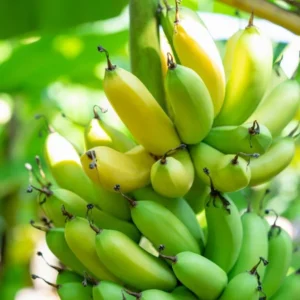
Sold 75 products
Original price was: $64.99.$34.99Current price is: $34.99.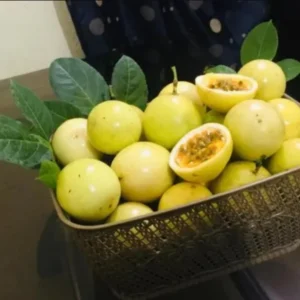
Sold 91 products
Original price was: $38.80.$19.40Current price is: $19.40.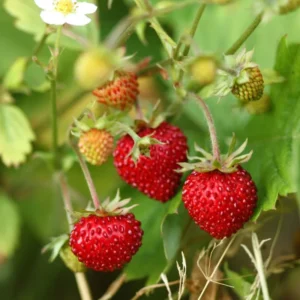
Sold 81 products
Original price was: $78.99.$48.99Current price is: $48.99.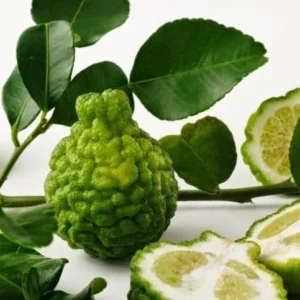
Fruits
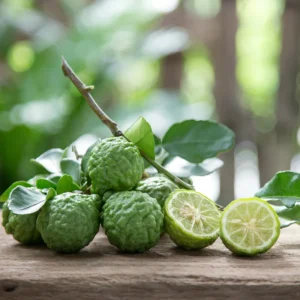
Kaffir Lime Starter Plug – Kaffir Lime Citrus Fruit Plants-Lemon Tree 2-3 Inch Live Plant Seedling
Sold 97 products
Original price was: $68.99.$47.99Current price is: $47.99.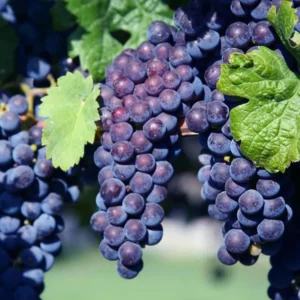
Sold 73 products
Original price was: $56.99.$44.90Current price is: $44.90.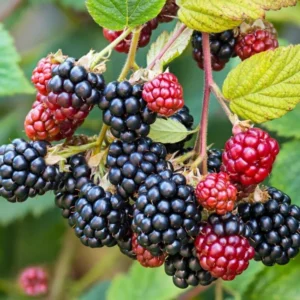
Sold 82 products
Original price was: $57.98.$28.99Current price is: $28.99.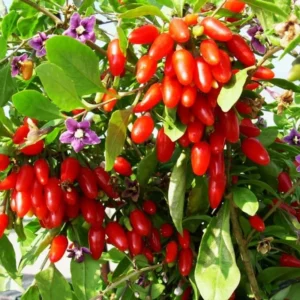
Sold 52 products
Original price was: $73.98.$36.99Current price is: $36.99.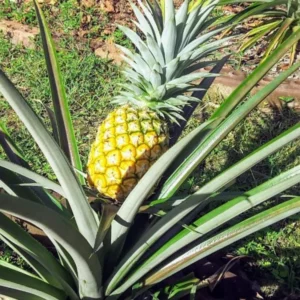
Sold 63 products
Original price was: $39.98.$19.99Current price is: $19.99.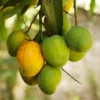

Reviews
There are no reviews yet.