NEED SUPPORT WITH YOUR ORDER? Get in touch
Not satisfied with your purchase?
Enter your Order ID on website, and we'll resolve it right away.

Original price was: $75.99.$43.99Current price is: $43.99.
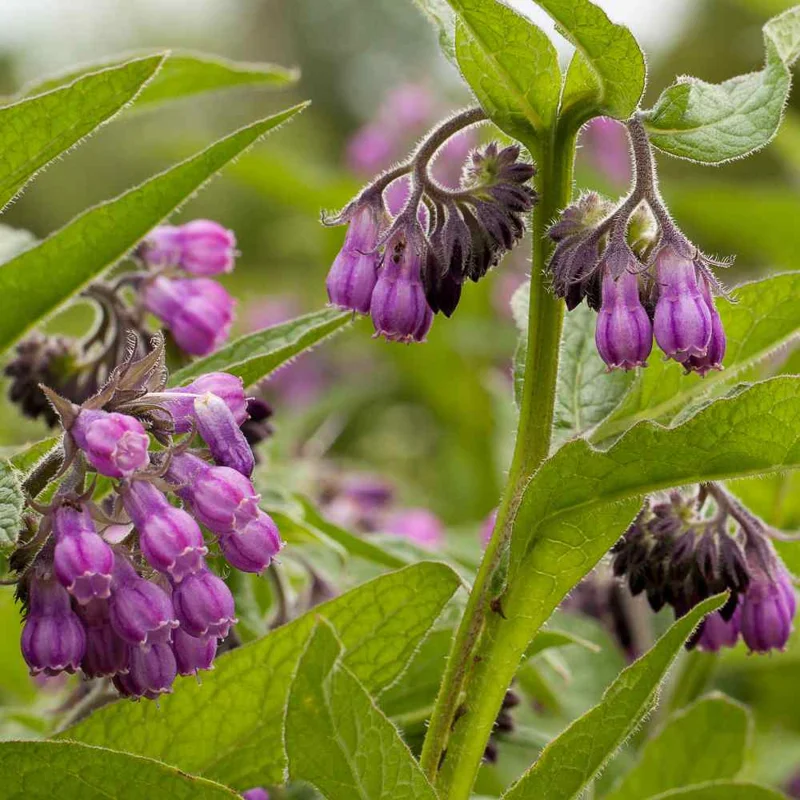
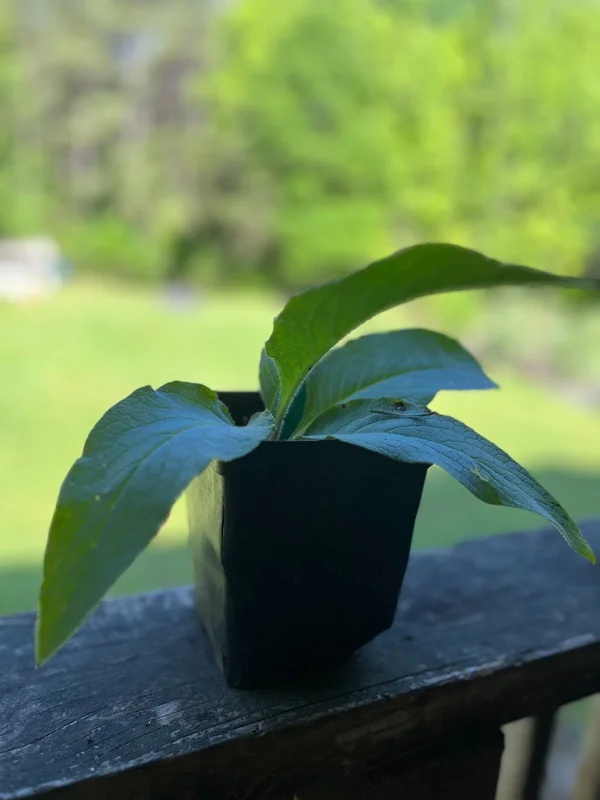
Bring life to your garden with an organically grown comfrey. This comfrey live plant arrives in a 3-4 inch pot, ready for transplanting. Perfect for attracting pollinators, it’s an excellent addition to any indoor or outdoor herb collection.
Feb 04
Feb 09 - Feb 11
Feb 14 - Feb 18
USDA Hardiness Zone
Soil Type
Sunlight Exposure
Expected Planting Period
Shipping and return policies: Our Alive & Thrive Guarantee covers issues with your plants within the first 30 days. Get in touch with us via email, and our team will review your concerns and, if necessary, provide you with a one-time replacement at no cost.
If you're unsure about your hardiness zone, feel free to reach out to us. Our team will answer your questions and help you find the plants that are truly suitable for your environment, climate, and personal preferences.
Welcome to the world of natural gardening with our premium comfrey live plant. This robust and versatile herb is organically grown, ensuring a healthy and chemical-free addition to your home or garden. Comfrey, scientifically known as Symphytum officinale, is a perennial flowering plant renowned for its dense foliage and bell-shaped flowers, which attract beneficial pollinators. Each comfrey live plant is carefully nurtured and arrives in a 3-4 inch pot, perfectly sized for immediate transplanting into larger containers or directly into your garden beds. Whether you’re an experienced gardener or just starting your herb journey, this organically grown comfrey offers beauty, beneficial properties, and ease of care.
Our commitment to organic growing practices means your comfrey live plant is not only good for you but also good for the environment. Comfrey is a fantastic choice for those looking to expand their herb collection with a plant that offers both ornamental appeal and practical uses. Its lush growth and vibrant flowers make it a striking feature in any garden space, while its historical uses add a rich layer of interest. Invest in a comfrey live plant today and experience the joy of growing your own sustainable, beautiful, and useful herbs.
Growing a comfrey live plant in your garden offers a multitude of advantages, enhancing both the aesthetics and functionality of your green space. This versatile herb provides continuous benefits throughout its growing season.
Caring for your comfrey live plant is straightforward, making it an excellent choice for both novice and experienced gardeners. Comfrey is quite resilient and can tolerate a range of conditions, but optimal care will ensure vigorous growth and abundant foliage. This plant generally prefers a location with partial shade to full sun, ideally receiving at least 4-6 hours of direct sunlight per day. If growing indoors, place your comfrey live plant near a south-facing window or under a grow light to ensure it gets adequate illumination.
Watering is crucial for healthy comfrey growth. The plant thrives in consistently moist soil, especially during dry spells. Avoid letting the soil dry out completely, but also ensure good drainage to prevent root rot. Comfrey prefers a rich, well-draining soil type. Amending your garden soil with compost or other organic matter before planting will significantly benefit its growth. While the plant is quite hardy, protecting it from extreme frost in colder climates (USDA zones 3-9) is advisable, though it will typically regrow from its roots in spring. Regular fertilization with a balanced organic liquid feed every 4-6 weeks during the growing season can promote lush foliage and vibrant blooms for your edible comfrey herb.
When considering comfrey plant care, remember its preference for moisture. Deadheading spent flowers can encourage more blooms and prevent the plant from self-seeding excessively, which can be useful if you’re managing its spread. Comfrey is generally pest-resistant, but keep an eye out for common garden pests and address them with organic solutions if they appear. Learning how to grow comfrey successfully often involves understanding its need for consistent moisture and rich soil, leading to a thriving plant that contributes greatly to your garden’s health.
Your comfrey live plant will arrive carefully packaged in a 3-4 inch nursery pot, providing a robust root system ready for transplanting. At the time of shipment, plants typically stand between 3 to 6 inches tall, depending on their growth stage. Comfrey is a fast-growing perennial that can reach an impressive size of 2-3 feet in height and spread, forming a dense clump of foliage. Its growth rate is considered moderate to fast, allowing it to establish quickly in your garden.
The plant will be shipped with its root ball intact within the pot, ensuring minimal stress during transit. Expect your comfrey live plant to begin producing new leaves and establishing itself within a few weeks of planting, with flowering typically occurring from late spring through summer. This plant is known for its vigor and ability to regenerate, providing a long-term addition to your garden. As part of a diverse collection, this comfrey for garden use will integrate beautifully with other herbs and flowering plants.
You must be logged in to post a review.
Sold 64 products
Original price was: $35.98.$17.99Current price is: $17.99.
Sold 62 products
Original price was: $87.98.$43.99Current price is: $43.99.
Sold 84 products
Original price was: $51.98.$25.99Current price is: $25.99.
Sold 90 products
Original price was: $31.98.$15.99Current price is: $15.99.
Sold 56 products
Original price was: $59.78.$29.89Current price is: $29.89.
Sold 62 products
Original price was: $39.98.$19.99Current price is: $19.99.
Sold 69 products
Original price was: $65.98.$32.99Current price is: $32.99.
Sold 82 products
Original price was: $59.40.$29.70Current price is: $29.70.

Reviews
There are no reviews yet.