NEED SUPPORT WITH YOUR ORDER? Get in touch
Not satisfied with your purchase?
Enter your Order ID on website, and we'll resolve it right away.

Original price was: $64.78.$35.99Current price is: $35.99.
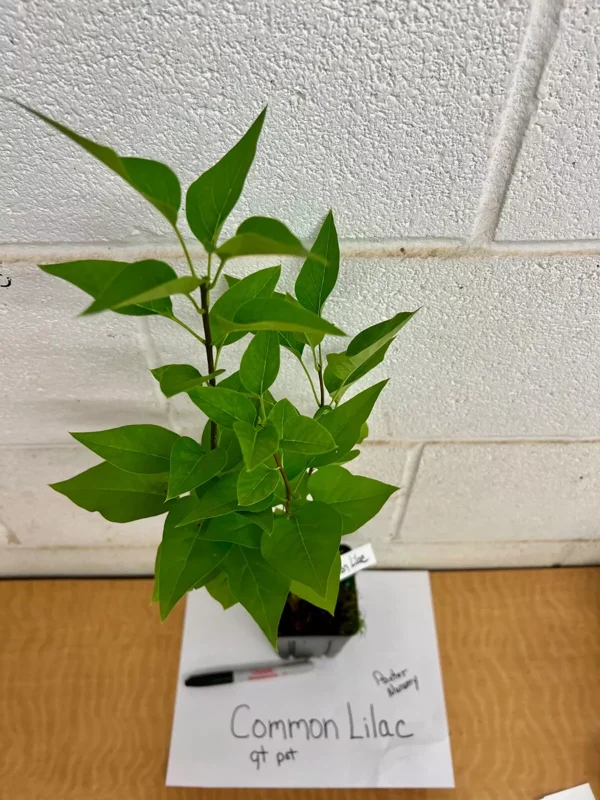
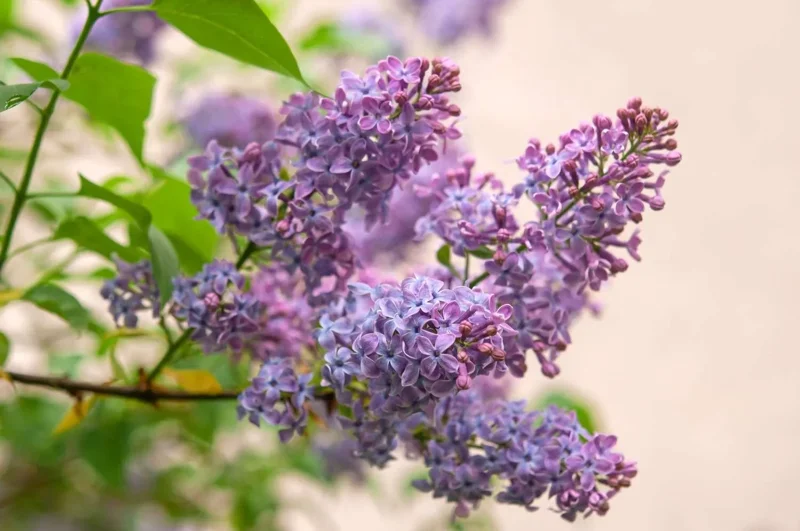
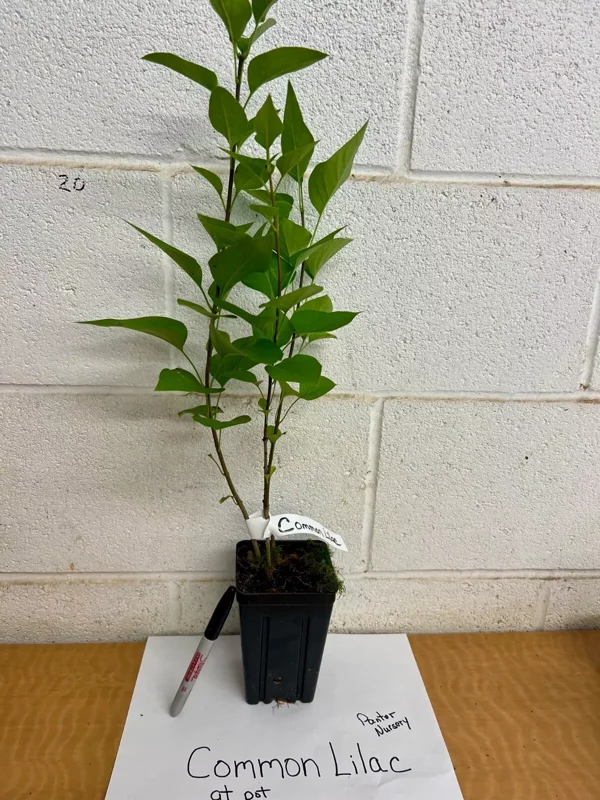
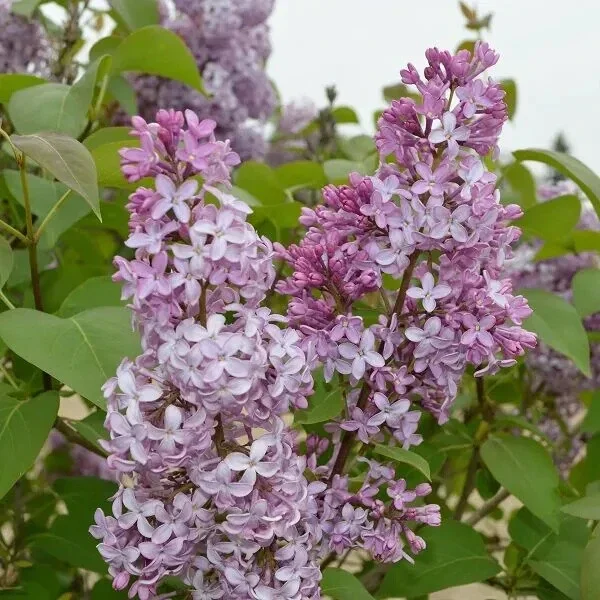
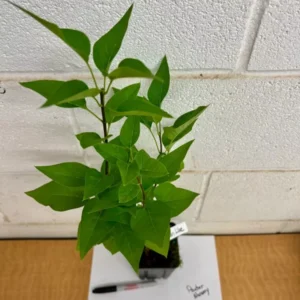
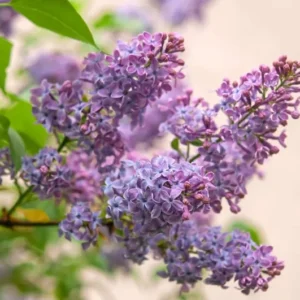
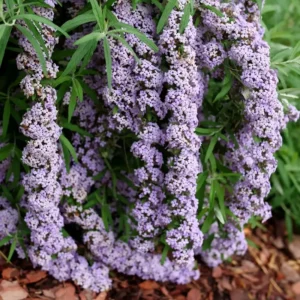
Bring the timeless beauty and intoxicating fragrance of a purple lilac bush live plant to your outdoor space. This hardy and low-maintenance shrub, provided in a 4-inch pot, features stunning purple flowers and can grow up to 8 feet tall, ideal for hedges or specimen planting.
Feb 08
Feb 13 - Feb 15
Feb 18 - Feb 22
USDA Hardiness Zone
Soil Type
Sunlight Exposure
Expected Planting Period
Shipping and return policies: Our Alive & Thrive Guarantee covers issues with your plants within the first 30 days. Get in touch with us via email, and our team will review your concerns and, if necessary, provide you with a one-time replacement at no cost.
If you're unsure about your hardiness zone, feel free to reach out to us. Our team will answer your questions and help you find the plants that are truly suitable for your environment, climate, and personal preferences.
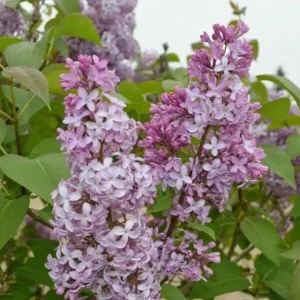
Introduce the enchanting aroma and vibrant color of a purple lilac bush live plant to your garden. This beloved and long-lived shrub, known botanically as Syringa vulgaris, is an old-fashioned favorite that brings a touch of classic charm to any landscape. Offered here in a convenient 4-inch pot, this common lilac tree is ready to thrive in your outdoor environment. Known for its exquisite fragrance and stunning clusters of purple flowers that bloom profusely each spring, it creates an unforgettable sensory experience. These resilient lilacs are incredibly hardy and require minimal care, making them an excellent choice for both experienced and novice gardeners looking to enhance their garden with a beautiful and aromatic specimen. Imagine the sweet scent of lilac blossoms filling your yard each May, attracting pollinators and creating a serene atmosphere.
This fragrant lilac shrub is a versatile addition, perfect for creating a stunning specimen planting, a beautiful and aromatic hedge, or an integral part of a mixed shrub border. Our healthy lilac plants typically range from 6-12 inches in height upon purchase, ensuring a strong start for your new garden addition. With its adaptability and ease of care, the purple lilac bush live plant is a must-have for anyone seeking to add enduring beauty and a delightful sensory experience to their outdoor living space. It’s an investment in beauty and fragrance that will last for years to come.
Adding a purple lilac bush live plant to your garden offers a multitude of advantages, transforming your outdoor area into a fragrant and visually appealing sanctuary. This plant provides continuous enjoyment and value through its stunning characteristics and ecological contributions.
Caring for your purple lilac bush live plant is straightforward, ensuring years of beautiful blooms and intoxicating fragrance. Lilacs are known for their resilience and adaptability, particularly when given the right conditions. For optimal growth and flowering, site your lilac in a location that receives full sun, meaning at least 6 hours of direct sunlight per day. Adequate sunlight is crucial for abundant flower production. While tolerant of various soil types, well-drained soil is paramount. Avoid heavy, waterlogged soils, which can lead to root rot. Loamy or sandy soils with a neutral to slightly alkaline pH are ideal. When planting lilac bush, amend the soil with some compost to improve drainage and fertility.
Watering requirements for your lilac plant care are relatively low once established. Water regularly during its first growing season to help it establish a strong root system. After that, supplemental watering is usually only needed during prolonged dry spells. Overwatering should be avoided. Fertilize sparingly; lilacs generally do not require heavy feeding. A balanced, all-purpose fertilizer can be applied in early spring before new growth begins, but often, a layer of compost around the base is sufficient. Pruning is best done immediately after flowering to shape the plant and remove spent blooms. This encourages new growth and more flowers the following year. Remove any dead, damaged, or crossing branches. The common lilac tree is adaptable to temperatures within its hardiness zones and is typically pest and disease resistant, though occasional issues like powdery mildew can occur in humid conditions. Ensure good air circulation to prevent such problems.
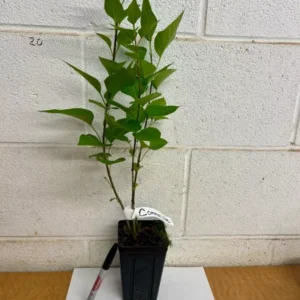
This purple lilac bush live plant is provided in a 4-inch nursery pot, offering a convenient and established start for your garden. Upon arrival, the plants typically stand between 6-12 inches tall, with a healthy root system ready for transplanting. The fragrant lilac shrub is a moderate to fast grower, and with proper care, it can reach a mature height of up to 8 feet, with a similar spread, creating a substantial presence in your landscape. It is a deciduous shrub, meaning it will lose its leaves in the fall and regrow them in the spring, signaling the upcoming bloom season. The plant form is a healthy young shrub, ensuring it will quickly establish itself in your garden. This size is ideal for planting directly into your garden beds or a larger container, allowing it to develop into a magnificent, mature lilac bush that will grace your yard with its beauty and scent for many seasons.
You must be logged in to post a review.
Sold 52 products
Original price was: $53.98.$26.99Current price is: $26.99.
Sold 64 products
Original price was: $70.99.$40.99Current price is: $40.99.
Sold 55 products
Original price was: $55.98.$27.99Current price is: $27.99.
Sold 63 products
Original price was: $77.99.$47.99Current price is: $47.99.
Sold 53 products
Original price was: $74.99.$44.99Current price is: $44.99.
Sold 58 products
Original price was: $76.99.$46.99Current price is: $46.99.
Sold 95 products
Original price was: $49.98.$24.99Current price is: $24.99.
Sold 59 products
Original price was: $74.99.$44.99Current price is: $44.99.

Reviews
There are no reviews yet.