NEED SUPPORT WITH YOUR ORDER? Get in touch
Not satisfied with your purchase?
Enter your Order ID on website, and we'll resolve it right away.

Original price was: $45.99.$34.99Current price is: $34.99.
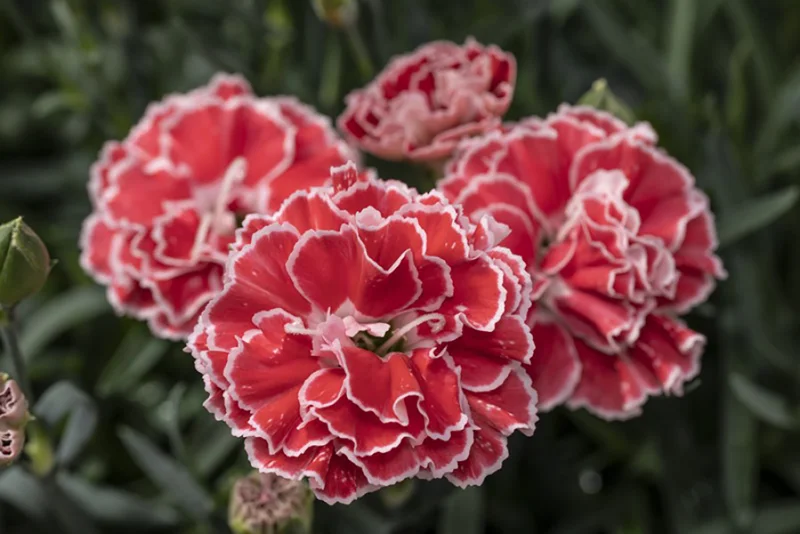
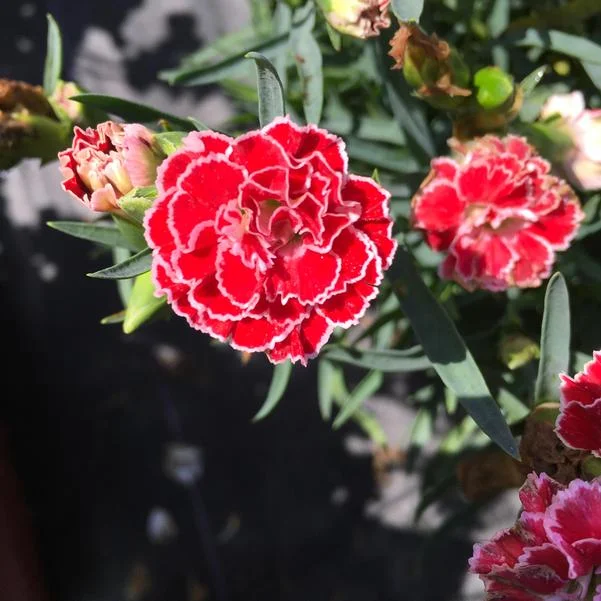
Enhance your garden with the beautiful orange dianthus live plant. This variety features charming salmon-orange flowers with white edges and a delightful, sweet fragrance. It’s heat tolerant, attracts hummingbirds, and is perfect for borders or containers in USDA Zones 4-9.
Mar 03
Mar 08 - Mar 10
Mar 13 - Mar 17
USDA Hardiness Zone
Soil Type
Sunlight Exposure
Expected Planting Period
Shipping and return policies: Our Alive & Thrive Guarantee covers issues with your plants within the first 30 days. Get in touch with us via email, and our team will review your concerns and, if necessary, provide you with a one-time replacement at no cost.
If you're unsure about your hardiness zone, feel free to reach out to us. Our team will answer your questions and help you find the plants that are truly suitable for your environment, climate, and personal preferences.
Introduce a touch of vibrant charm and captivating aroma to your garden with the exquisite orange dianthus live plant. Known for its common name ‘Pinks,’ this particular variety stands out with its striking salmon-orange blooms, delicately edged in white, creating a truly enchanting display. The Dianthus genus, derived from the Greek words ‘dios’ (god) and ‘anthos’ (flower), literally means ‘flower of the gods,’ a testament to its enduring beauty and popularity among gardeners for centuries. This easy-to-grow perennial offers both visual appeal and a delightful, sweet fragrance that will fill your outdoor space. The orange dianthus live plant is a fantastic choice for those looking to add consistent color and an alluring scent to their landscape, thriving robustly in various settings and conditions. Its resilience and striking appearance make it a cherished addition, promising beauty and enjoyment throughout the growing season.
This particular fragrant dianthus plant is shipped as a healthy, established specimen in a 2.5-inch pot, ready for transplanting into your garden beds, rockeries, or decorative containers. Its compact growth habit makes it versatile for different garden designs. Beyond its aesthetic appeal, the orange dianthus is celebrated for its hardiness and ability to attract beneficial wildlife, particularly hummingbirds, adding a dynamic and lively element to your garden ecosystem. Whether you are a seasoned gardener or just starting, this dianthus variety offers a rewarding and beautiful experience.
The orange dianthus live plant offers a multitude of advantages that make it an exceptional choice for any garden. From its delightful sensory contributions to its robust growth habits, this plant is designed to impress and thrive:
Proper care is essential to ensure your orange dianthus live plant flourishes and provides a continuous display of its beautiful, fragrant blooms. This hardy perennial is relatively low-maintenance, but understanding its specific needs will help it thrive. For optimal growth, ensure your orange dianthus is planted in well-drained soil. Dianthus varieties are susceptible to root rot if left in soggy conditions, so good drainage is paramount. Amend heavy clay soils with organic matter or sand to improve porosity. The plant also requires ample sunshine; aim for at least 6 hours of direct sunlight per day. In hotter climates, some afternoon shade can be beneficial to protect it from the most intense heat, but too little sun will result in fewer flowers.
When it comes to watering, maintain consistent moisture, especially during dry periods and while the plant is establishing. However, avoid overwatering. Allow the top inch or two of soil to dry out between waterings. Fertilization is generally not heavily required; a balanced, slow-release granular fertilizer applied in early spring can encourage vigorous growth and blooming. Deadheading spent flowers regularly is crucial for encouraging continuous blooms throughout the season and preventing the plant from expending energy on seed production. The dianthus plant care routine is straightforward, making it a rewarding plant for gardeners of all experience levels. This variety is typically suitable for USDA Zones 4-9, demonstrating excellent cold hardiness in winter and heat tolerance in summer. Protecting it with a layer of mulch in colder zones can help ensure its survival.
Watch out for common pests like aphids or spider mites, which can be managed with insecticidal soap if necessary. Fungal diseases can occur in overly wet or humid conditions, so ensure good air circulation around the plants. Understanding growing orange dianthus involves providing the right environment for its specific needs, which are primarily well-drained soil and plenty of sun. With these simple guidelines, your fragrant dianthus plant will be a showstopper in your garden for years to come.
The orange dianthus live plant offered here is a healthy, established specimen, shipped in a 2.5-inch nursery pot. This size is ideal for safe transport and allows for easy transplanting into your garden or a larger container upon arrival. When mature, this particular variety typically reaches a compact height of 6-10 inches, with a similar spread, making it an excellent choice for front-of-border plantings, rock gardens, or as an accent in mixed containers. Its neat, mounding habit ensures it remains tidy and appealing throughout the growing season.
The plant exhibits a moderate growth rate, establishing itself well within the first season and producing its first flush of vibrant, salmon-orange flowers in spring. With consistent deadheading, you can expect repeat blooming through the summer and into the fall, extending its colorful display significantly. This fragrant dianthus plant is well-suited for USDA Zones 4-9, showcasing its adaptability to a wide range of climates. The robust root system ensures a strong start in your garden. We ensure careful packaging to protect the plant during transit, so it arrives ready to flourish in its new home.
You must be logged in to post a review.
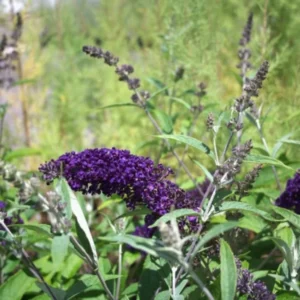
Flower Plants
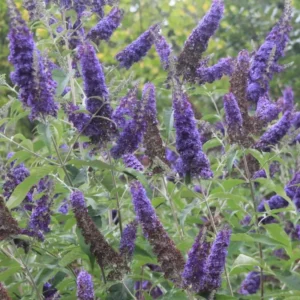
Dark Purple Butterfly Bush Live Plant 4 Inch Pot – Outdoor Garden Butterfly Attractant
Sold 51 products
Original price was: $39.98.$19.99Current price is: $19.99.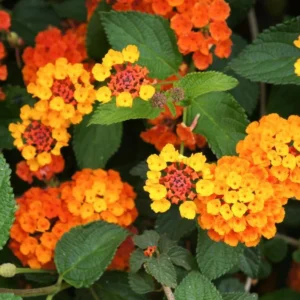
Sold 75 products
Original price was: $69.98.$34.99Current price is: $34.99.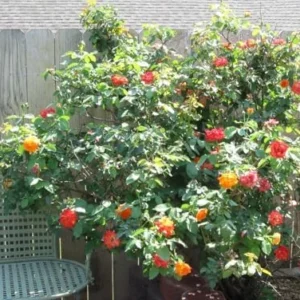
Flower Plants
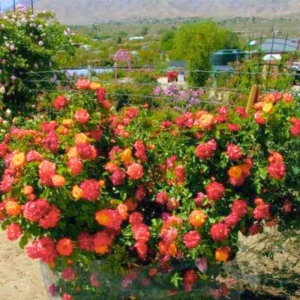
Climbing Rose Plant – Gold Orange & Pink – 1 Year Old Starter Plant – Outdoor Fragrant Rose
Sold 54 products
Original price was: $19.98.$9.99Current price is: $9.99.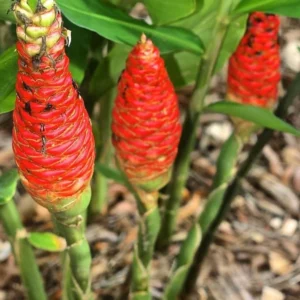
Flower Plants
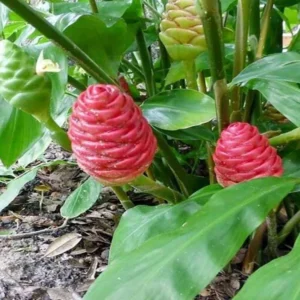
Awapuhi Shampoo Ginger Plant Live, Zingiber Zerumbet Plant Pinecone Ginger Plant for Garden, No Pot
Sold 98 products
Original price was: $55.99.$28.99Current price is: $28.99.
Sold 68 products
Original price was: $49.96.$24.98Current price is: $24.98.
Sold 81 products
Original price was: $37.94.$18.97Current price is: $18.97.
Sold 59 products
Original price was: $59.88.$29.94Current price is: $29.94.
Sold 66 products
Original price was: $39.68.$19.84Current price is: $19.84.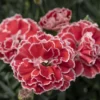
Reviews
There are no reviews yet.