NEED SUPPORT WITH YOUR ORDER? Get in touch
Not satisfied with your purchase?
Enter your Order ID on website, and we'll resolve it right away.

Original price was: $45.99.$29.99Current price is: $29.99.
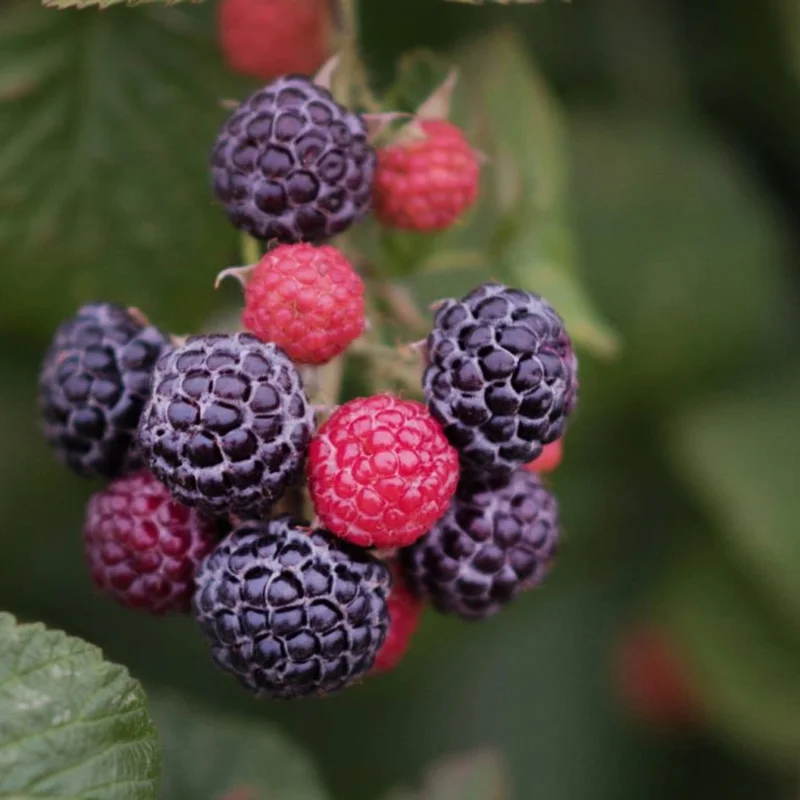
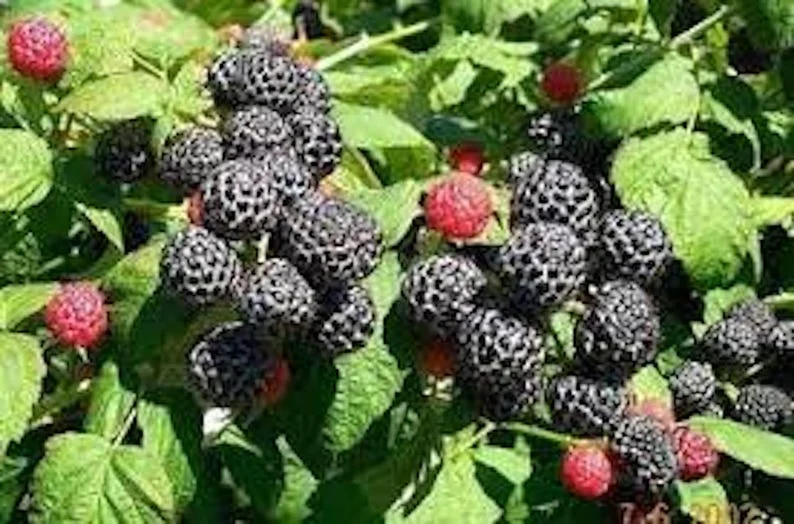
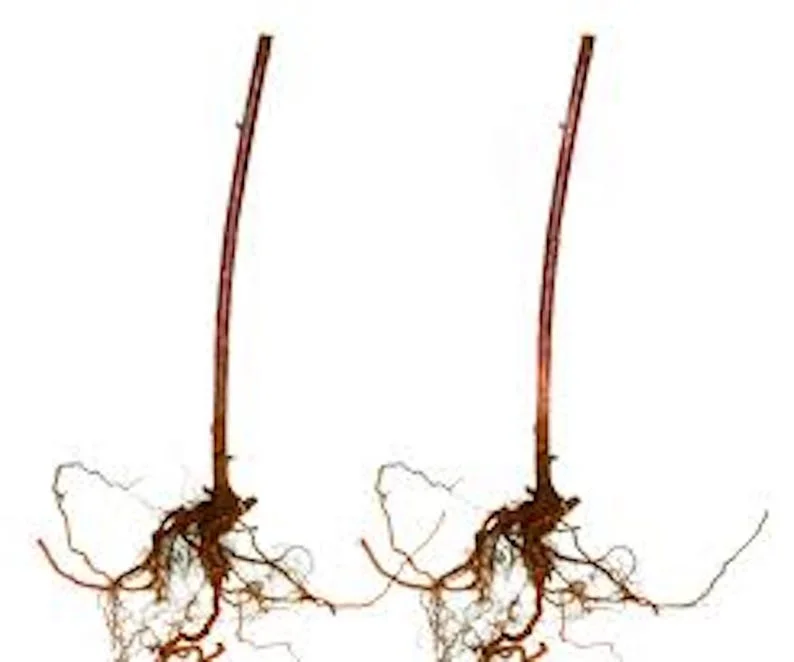
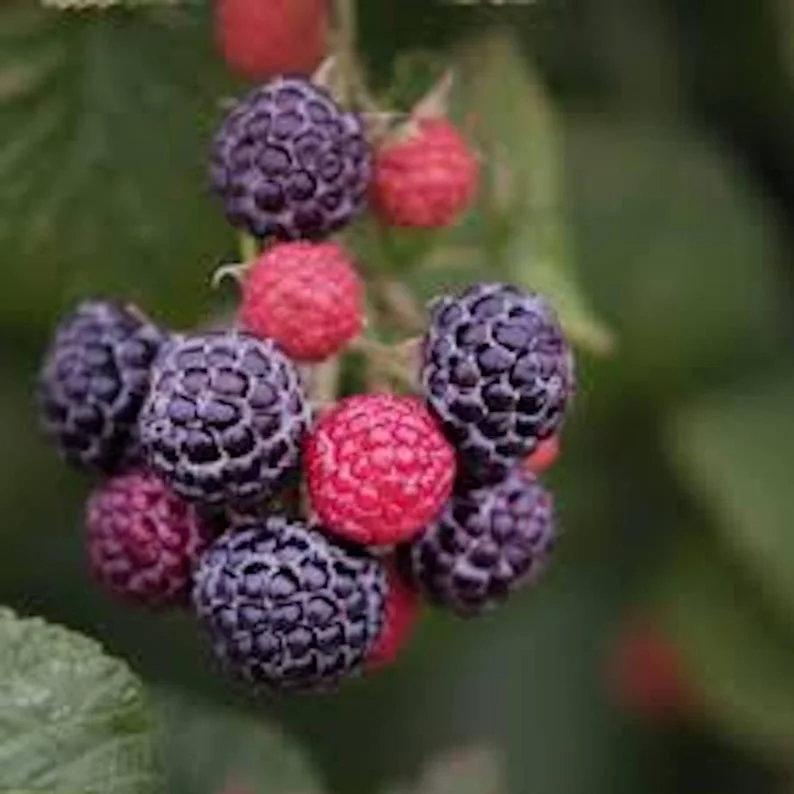
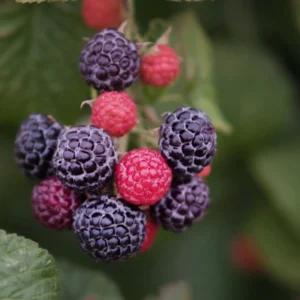
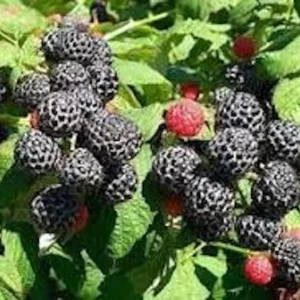
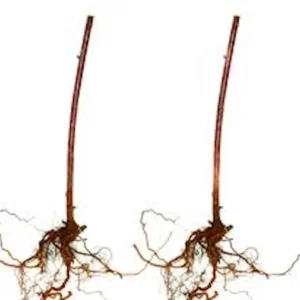
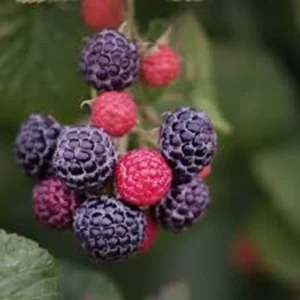
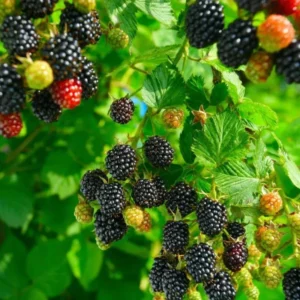
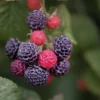
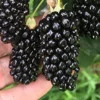
Bring the joy of homegrown fruit to your backyard with this black raspberry live plant. This 2-year-old fruit bush, Rubus Occidentalis, is ready to establish, offering an abundance of sweet-tart berries for fresh eating, preserves, and baking. Enjoy a hardy and disease resistant raspberry that thrives outdoors.
Feb 04
Feb 09 - Feb 11
Feb 14 - Feb 18
USDA Hardiness Zone
Soil Type
Sunlight Exposure
Expected Planting Period
Shipping and return policies: Our Alive & Thrive Guarantee covers issues with your plants within the first 30 days. Get in touch with us via email, and our team will review your concerns and, if necessary, provide you with a one-time replacement at no cost.
If you're unsure about your hardiness zone, feel free to reach out to us. Our team will answer your questions and help you find the plants that are truly suitable for your environment, climate, and personal preferences.
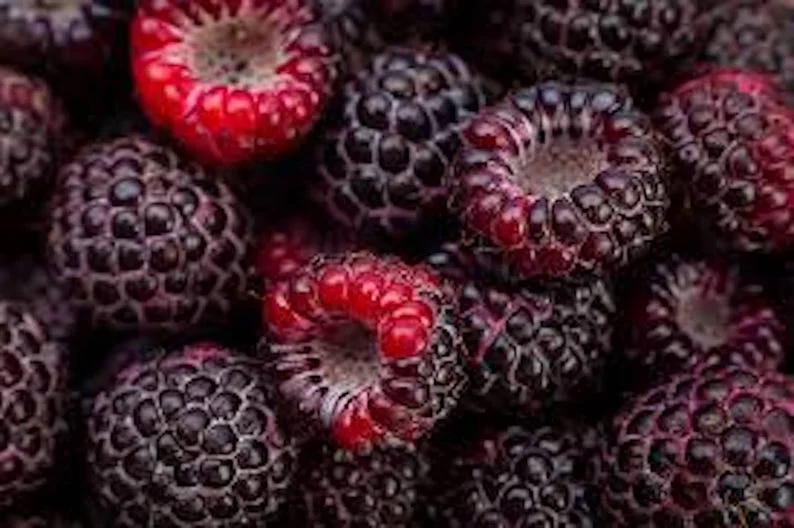
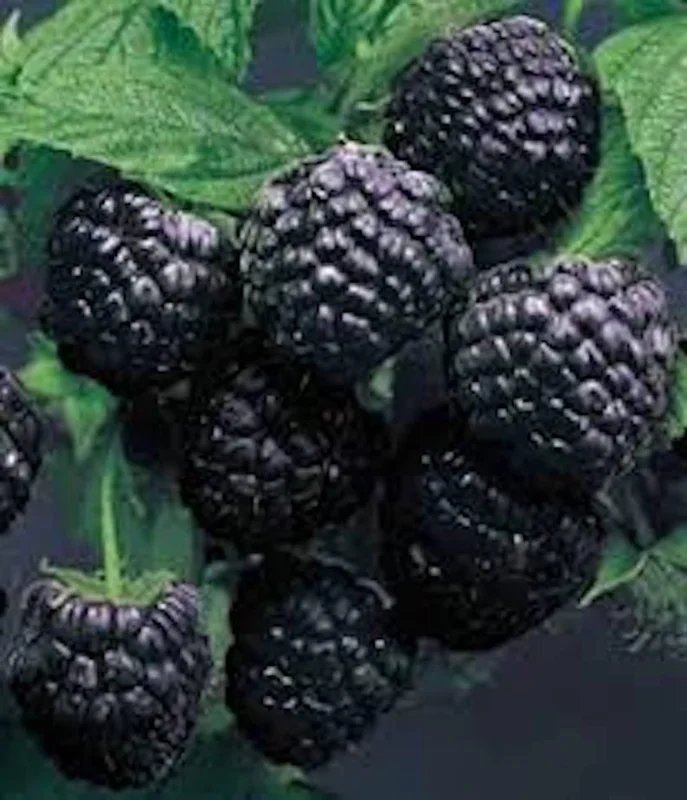
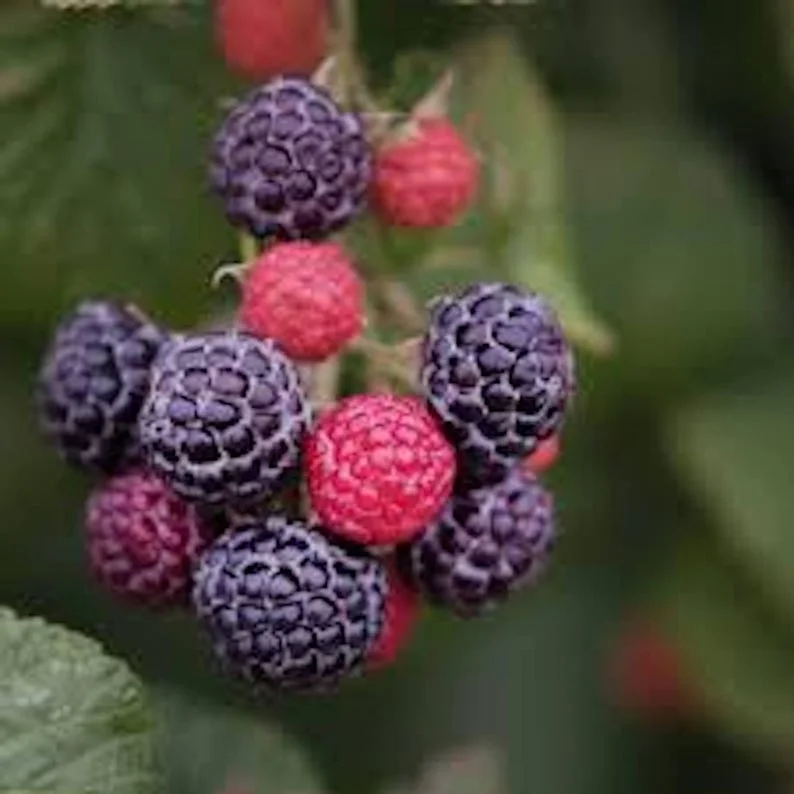
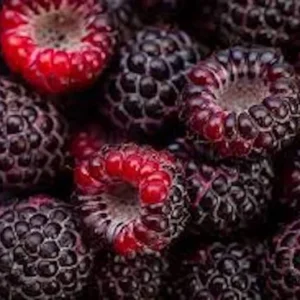
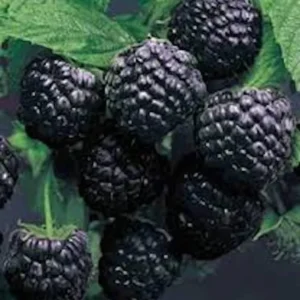
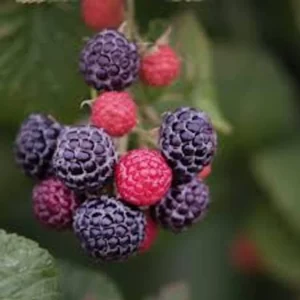
Cultivate your own delicious harvest with this premium black raspberry live plant. These 2-year-old fruit plants are robust and ready to thrive in your garden, promising an abundant yield of sweet-tart berries. Known scientifically as Rubus Occidentalis, these plants are celebrated for their vigorous growth and the distinctive dark purple-black color of their fruit, making them both a beautiful and productive addition to any outdoor space. Perfect for fresh eating, crafting delectable preserves, or adding a burst of natural flavor to your favorite baked goods, these versatile berries will quickly become a cherished part of your culinary repertoire. Enjoy the satisfaction of harvesting your own healthy, flavorful fruit directly from your property.
This particular variety is highly prized for its exceptional hardiness and inherent resistance to common fungal diseases, including anthracnose, ensuring a healthier plant with less intervention. With appropriate support for its robust canes, your plant will flourish, providing a generous harvest of aromatic, juicy berries year after year. Choosing this fruit plant for garden is an excellent decision for both novice and experienced gardeners due to its ease of care and impressive yield, making it a truly rewarding plant to grow. Experience the profound satisfaction of harvesting your own sweet-tart berries, knowing they are fresh, organic, and bursting with flavor.
Our black raspberry live plant offers numerous advantages for the home gardener, providing both aesthetic appeal and a bounty of delicious fruit. These benefits contribute to a rewarding gardening experience and a healthy harvest:
Caring for your black raspberry live plant is straightforward, and with a few key practices, you can ensure a thriving bush and a plentiful harvest. These plants prefer a location that receives at least 6-8 hours of direct sunlight each day for optimal fruit production. While they can tolerate some partial shade, full sun will lead to the best yields and sweetest berries. Ensure good air circulation around the plants to help prevent fungal issues, a characteristic that complements its natural disease resistance.
When it comes to watering, consistency is key. Water deeply at planting, and then regularly, especially during dry periods and when the plant is fruiting. Aim for about 1 inch of water per week, ensuring the soil remains consistently moist but not waterlogged. Black raspberries prefer well-draining soil that is rich in organic matter. If you have heavy clay soils, amend them generously with compost or other organic materials before planting to improve drainage and nutrient content. The ideal pH range for Rubus Occidentalis is between 6.0 and 6.8. Fertilize in early spring with a balanced slow-release fertilizer, following product instructions to avoid over-fertilization.
Pruning is essential for maintaining plant health and maximizing fruit production. Black raspberries fruit on canes that grew the previous year. After harvest, prune out the canes that have fruited, as they will not produce again. Thin out weaker canes in early spring, leaving the strongest 4-6 canes per plant. Provide proper support for the robust canes, such as trellising or stakes, to prevent them from sprawling and to improve air circulation. These fruit plant for garden specimens are generally hardy and adaptable, thriving in USDA zones 5-9. Protecting them with mulch in colder zones can help them overwinter successfully. Watch out for common pests like Japanese beetles or aphids; natural pest control methods or organic insecticides can be used if necessary.
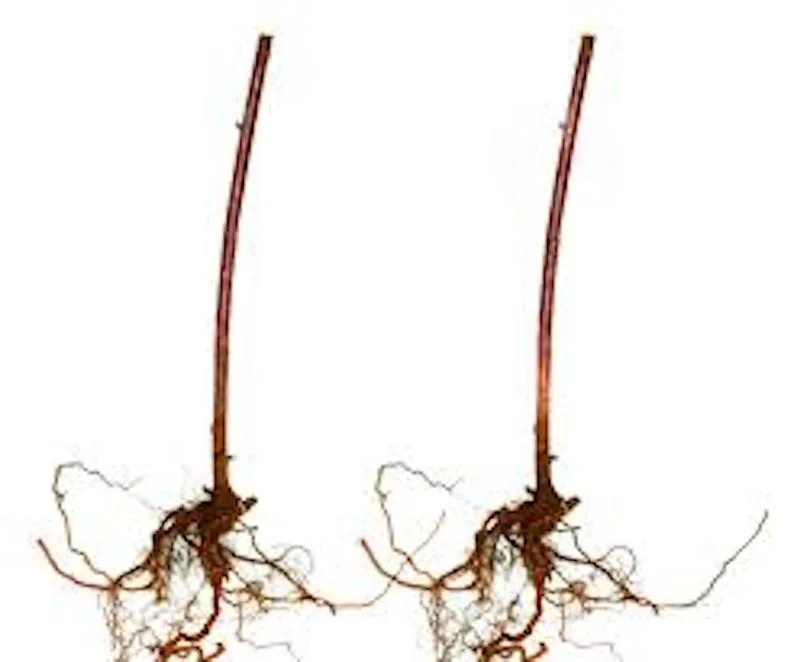
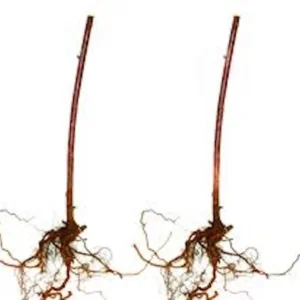
Your black raspberry live plant will arrive as a healthy 2-year-old plant, typically ranging from 12-18 inches tall, ready for immediate planting in your garden. These plants are shipped in a dormant or semi-dormant state, depending on the season, ensuring they transplant well and establish quickly. Once established, they are vigorous growers, with canes that can reach lengths of 5-8 feet, requiring support for optimal growth and fruit production. Each plant is carefully selected to provide you with a strong foundation for years of delicious harvests. Expect the plant to begin producing fruit in its first or second year after planting, with full production achieved in subsequent years as the root system matures. The berries themselves are medium to large in size, offering a substantial and satisfying bite.
You must be logged in to post a review.
Sold 69 products
Original price was: $39.98.$19.99Current price is: $19.99.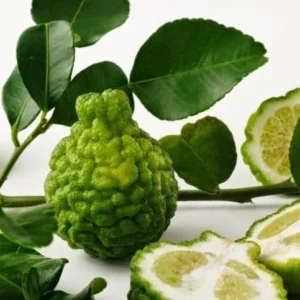
Fruits
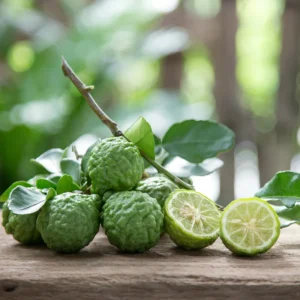
Kaffir Lime Starter Plug – Kaffir Lime Citrus Fruit Plants-Lemon Tree 2-3 Inch Live Plant Seedling
Sold 81 products
Original price was: $68.99.$47.99Current price is: $47.99.
Sold 53 products
Original price was: $57.98.$28.99Current price is: $28.99.
Sold 70 products
Original price was: $64.99.$34.99Current price is: $34.99.
Sold 76 products
Original price was: $64.99.$34.99Current price is: $34.99.
Sold 65 products
Original price was: $38.80.$19.40Current price is: $19.40.
Sold 56 products
Original price was: $53.98.$26.99Current price is: $26.99.
Sold 78 products
Original price was: $72.99.$52.99Current price is: $52.99.
Reviews
There are no reviews yet.