NEED SUPPORT WITH YOUR ORDER? Get in touch
Not satisfied with your purchase?
Enter your Order ID on website, and we'll resolve it right away.
Original price was: $56.99.$43.99Current price is: $43.99.
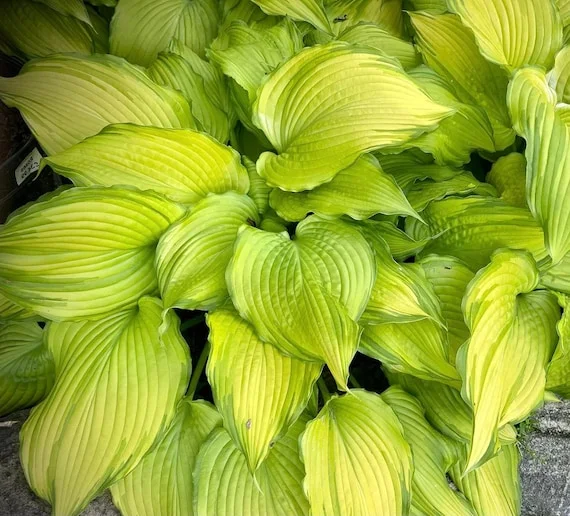
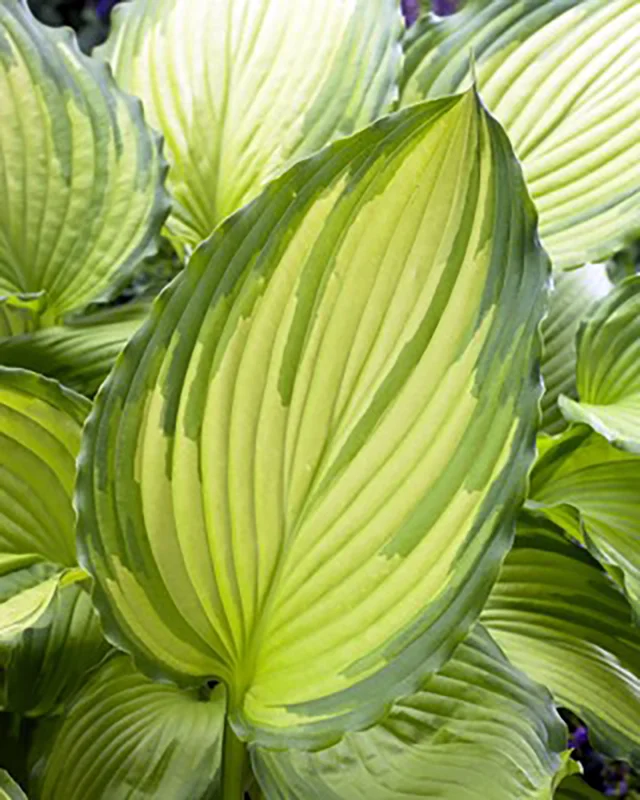
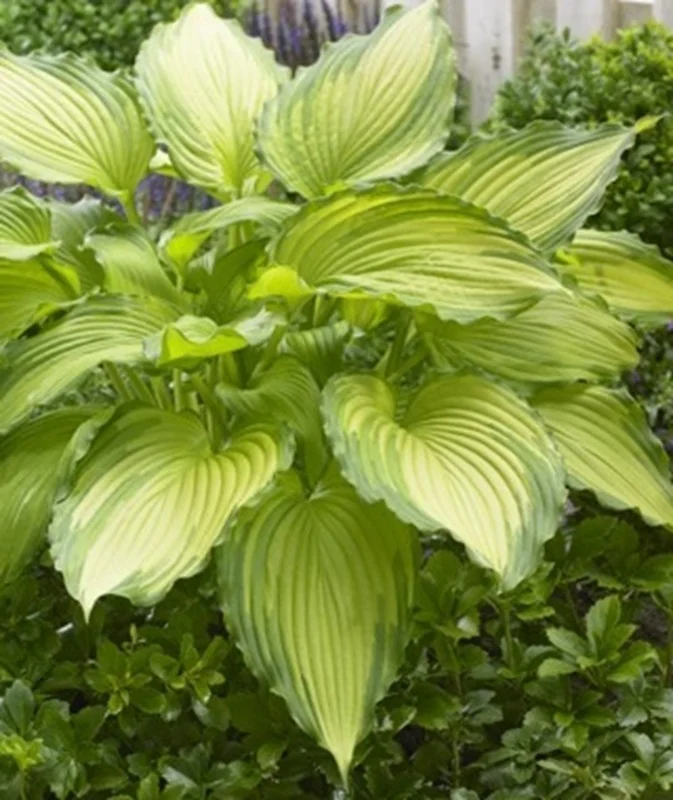
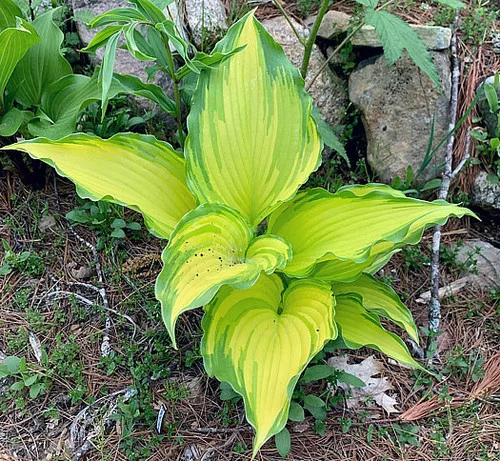
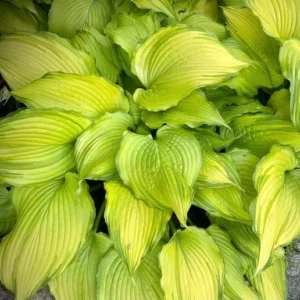
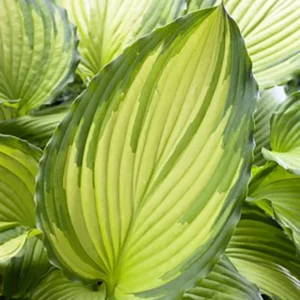
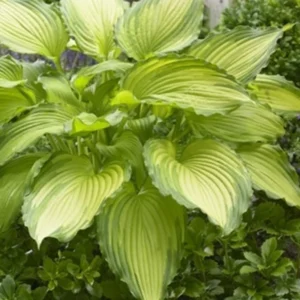
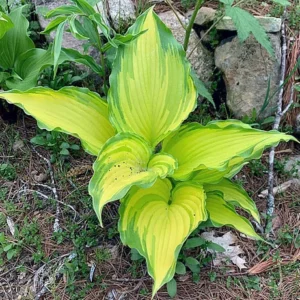
Brighten your shade garden with the captivating Dancing Darling Hosta live plant. This beautiful perennial features striking golden yellow leaves that mature to creamy white, framed by a distinctive dark green, piecrusted edge. Perfect for adding vibrant color and texture to dim garden corners, thriving in partial to full shade. Ships in a quart pot, ready to plant and enjoy.
Mar 03
Mar 08 - Mar 10
Mar 13 - Mar 17
USDA Hardiness Zone
Soil Type
Sunlight Exposure
Expected Planting Period
Shipping and return policies: Our Alive & Thrive Guarantee covers issues with your plants within the first 30 days. Get in touch with us via email, and our team will review your concerns and, if necessary, provide you with a one-time replacement at no cost.
If you're unsure about your hardiness zone, feel free to reach out to us. Our team will answer your questions and help you find the plants that are truly suitable for your environment, climate, and personal preferences.
Transform your shaded garden areas into a radiant sanctuary with the exquisite Dancing Darling Hosta live plant. This exceptional perennial is celebrated for its dynamic foliage, starting with brilliant golden yellow leaves that gracefully transition into a creamy white, all accentuated by a unique dark green, piecrusted edge. The Dancing Darling Hosta live plant introduces a sophisticated touch and compelling visual interest to any landscape, making it a favorite among gardeners seeking to beautify challenging, dimmer spots where other plants often struggle. Originating from East Asia, this beloved perennial has captivated gardeners worldwide with its incredible diversity in colors, heights, and textures. Its adaptability and lush growth make it an ideal choice for enhancing those less sunny corners of your outdoor space, providing continuous beauty throughout the growing season.
Beyond its stunning leaves, this large hosta variety produces delicate pale lavender flowers, typically blooming in July and August, adding another layer of charm and elegance to your garden. Thriving in conditions ranging from half shade to full shade, the golden hosta shade plant is remarkably hardy, suitable for USDA zones 3-9. At maturity, this magnificent hosta reaches an impressive height of 15-20 inches and spreads approximately 24 inches wide, ensuring it becomes a prominent and admired feature, drawing the eye and enriching your garden’s aesthetic.
The Dancing Darling Hosta live plant offers numerous advantages, making it a stellar choice for both novice and experienced gardeners. Its unique characteristics provide lasting beauty and ease of care, ensuring a delightful addition to your landscape:
Proper Hosta plant care is essential for the long-term health and vibrancy of your Dancing Darling Hosta live plant. This resilient perennial is known for its adaptability, but providing optimal conditions will ensure its stunning golden yellow foliage and delicate blooms truly flourish. For best results, plant your hosta in a location that receives half shade to full shade. While some morning sun is acceptable and can even enhance leaf color, direct afternoon sun should be avoided as it can scorch the leaves and diminish their vibrant hues. This makes the perennial hosta for shade an ideal solution for those challenging, less sun-drenched spots in your garden.
When it comes to watering, the golden yellow hosta prefers consistently moist, but not waterlogged, soil. Water regularly, especially during dry spells or periods of active growth, ensuring the soil remains damp to the touch. Good drainage is crucial to prevent root rot, so we recommend planting in well-draining soil rich in organic matter. Fertilize in early spring with a balanced slow-release granular fertilizer formulated for perennials to support robust growth and vibrant foliage. Protect your hosta from common pests like slugs and snails, which are attracted to its lush leaves, by using organic baits or barriers. This proactive Hosta plant care will help your plant thrive.
The Dancing Darling Hosta live plant is hardy in USDA zones 3-9, making it suitable for a wide array of climates. It tolerates a broad range of temperatures, but consistent moisture during hot periods is key. For optimal results, consider planting this exquisite shade garden plant during the cooler months, such as winter when it is dormant, or in early spring. The plant arrives ready for planting in a convenient quart pot, allowing you to quickly enhance your outdoor space with its radiant charm. Following these simple Hosta plant care guidelines will ensure your hosta remains a spectacular focal point for many years.
The Dancing Darling Hosta live plant is a substantial perennial that will create a significant presence in your garden. At maturity, this golden hosta typically reaches an impressive height of 15-20 inches, with a substantial spread of approximately 24 inches wide. This makes it an excellent choice for creating lush groundcover, defining borders, or as a striking specimen plant in shaded areas. Its robust size ensures it becomes a prominent and admired feature in your landscape, providing ample coverage and visual interest.
Each golden yellow hosta is carefully shipped as a live plant in a quart pot, ensuring it arrives healthy and ready for immediate planting. This convenient pot size allows for easy transplanting into your garden beds or larger containers. With proper care, you can expect this hosta to establish quickly and begin showcasing its beautiful golden yellow leaves and delicate lavender blooms within its first growing season. Its moderate growth rate means it will fill out its designated space gracefully, becoming a vibrant and enduring part of your outdoor sanctuary.
You must be logged in to post a review.
Sold 56 products
Original price was: $107.98.$53.99Current price is: $53.99.
Sold 59 products
Original price was: $69.98.$34.99Current price is: $34.99.
Sold 94 products
Original price was: $69.98.$34.99Current price is: $34.99.
Sold 68 products
Original price was: $49.96.$24.98Current price is: $24.98.
Sold 89 products
Original price was: $51.80.$25.90Current price is: $25.90.
Sold 91 products
Original price was: $53.98.$26.99Current price is: $26.99.
Sold 66 products
Original price was: $33.98.$16.99Current price is: $16.99.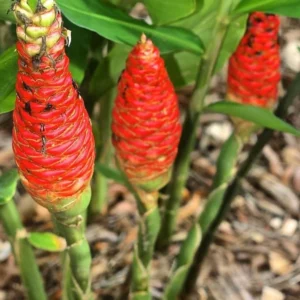
Flower Plants
Awapuhi Shampoo Ginger Plant Live, Zingiber Zerumbet Plant Pinecone Ginger Plant for Garden, No Pot
Sold 54 products
Original price was: $55.99.$28.99Current price is: $28.99.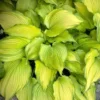
Reviews
There are no reviews yet.