NEED SUPPORT WITH YOUR ORDER? Get in touch
Not satisfied with your purchase?
Enter your Order ID on website, and we'll resolve it right away.

Original price was: $46.99.$26.99Current price is: $26.99.
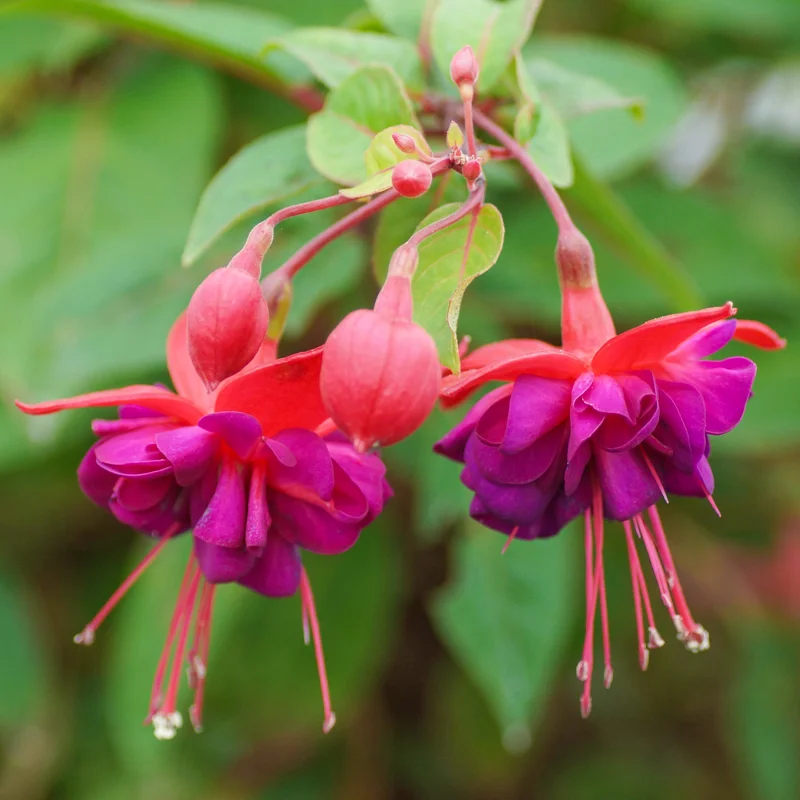
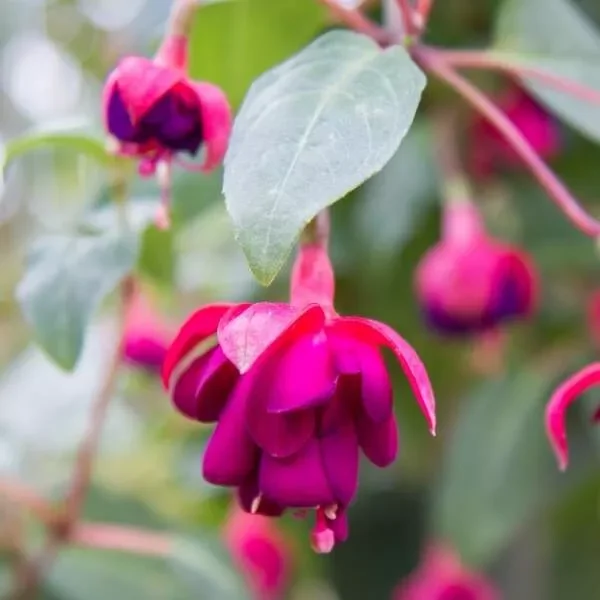
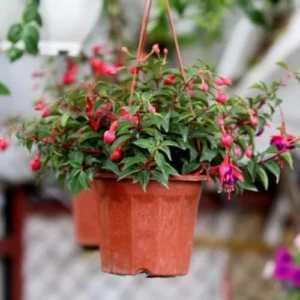
Bring exotic beauty to your garden or home with a fuchsia live plant. This vibrant hummingbird attracting plant features unique, drooping blooms perfect for hanging baskets and pots. An ideal flowering plant gift that thrives in partial shade.
Feb 04
Feb 09 - Feb 11
Feb 14 - Feb 18
USDA Hardiness Zone
Soil Type
Sunlight Exposure
Expected Planting Period
Shipping and return policies: Our Alive & Thrive Guarantee covers issues with your plants within the first 30 days. Get in touch with us via email, and our team will review your concerns and, if necessary, provide you with a one-time replacement at no cost.
If you're unsure about your hardiness zone, feel free to reach out to us. Our team will answer your questions and help you find the plants that are truly suitable for your environment, climate, and personal preferences.
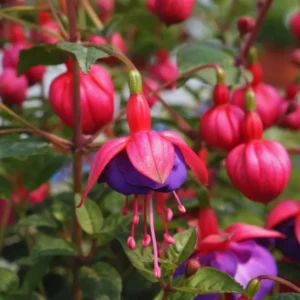
Experience the vibrant charm of a fuchsia live plant, a stunning addition to any garden or home. These beautiful plants are celebrated for their unique, drooping blooms that typically appear in spring, making them perfect for hanging baskets and various pots. This hummingbird attracting plant is not only visually appealing but also creates a lively and enchanting atmosphere in your outdoor or indoor space. Growing fuchsias has become a cherished tradition for many gardeners, offering a touch of exotic beauty. Our well-rooted starter plants are ready to be transplanted into your final container or 3-4 inch pots for further establishment, ensuring you can enjoy their unique flowering beauty quickly. This versatile plant also makes a thoughtful flowering plant gift for any special occasion.
Fuchsia plants are known for their distinctive bell-shaped flowers, often featuring contrasting colors that hang gracefully, giving them a delicate and elegant appearance. They are native to the Caribbean and Central and South America, bringing a tropical flair wherever they are grown. Ideal for partial shade, they can brighten up porches, patios, or any spot away from harsh direct sunlight. With proper care, your fuchsia live plant will provide continuous blooms and attract delightful pollinators, making your garden a haven for hummingbirds.
A fuchsia live plant offers numerous advantages for both seasoned gardeners and beginners, enhancing any space with its unique charm and ecological benefits:
Proper fuchsia plant care is essential for ensuring your plant thrives and produces abundant blooms. These plants prefer specific conditions to reach their full potential. They are generally not frost-tolerant, so in colder climates, they are often treated as annuals or brought indoors during winter. The ideal temperature range for fuchsias is between 60-70°F (15-21°C) during the day and slightly cooler at night, around 50-60°F (10-15°C).
Sunlight Requirements: Fuchsias thrive in partial shade, away from the intense direct midday sun. Early morning or late afternoon sunlight is ideal for optimal growth and abundant blooms. Placing them on a porch, under a tree, or in an east-facing window indoors will provide the perfect light conditions. Too much direct sun can scorch their delicate leaves and reduce flowering. If you are growing a fuchsia live plant indoors, ensure it receives bright, indirect light.
Watering & Soil: Water your fuchsia when the top inch of soil feels dry to the touch, ensuring good drainage. They prefer consistently moist, but not waterlogged, soil. Typically, this means watering every 2-3 days, depending on humidity and temperature. Use a well-draining potting mix that retains some moisture but allows excess water to escape easily. Good drainage is crucial to prevent root rot. Humidity is also important; consider misting the foliage or placing the pot on a pebble tray with water.
Fertilization & Pruning: During the active growing season (spring and summer), feed your fuchsia every 2-4 weeks with a balanced liquid fertilizer. Pruning is vital to encourage bushier growth and more blooms. Pinch back the tips of young plants to promote branching and deadhead spent flowers regularly to encourage continuous flowering. This care routine will help your hummingbird attracting plant maintain its vigor and beauty.
This offering is for a well-rooted fuchsia live plant, shipped as a starter plant ready for transplanting. While specific dimensions may vary slightly depending on growth stage, these plants are typically robust enough to be moved into 3-4 inch pots for further establishment or directly into larger hanging baskets and garden containers. Fuchsias can grow to various sizes depending on the cultivar and growing conditions; many varieties suitable for hanging baskets can develop into lush, cascading forms that are 12-24 inches in length or height. When mature, they create an impressive display with their prolific blooms.
Upon arrival, your fuchsia live plant will be carefully packaged to ensure its health during transit. These are not seeds or bulbs, but living plants that have already begun their growth journey. Expect blooms to appear from spring through fall, with the potential for an extended season if brought indoors or provided with supplemental lighting in late winter. This makes it an excellent choice for a continuous flowering plant gift that keeps on giving.
You must be logged in to post a review.
Sold 96 products
Original price was: $79.98.$39.99Current price is: $39.99.
Sold 86 products
Original price was: $49.96.$24.98Current price is: $24.98.
Sold 88 products
Original price was: $49.96.$24.98Current price is: $24.98.
Sold 81 products
Original price was: $39.68.$19.84Current price is: $19.84.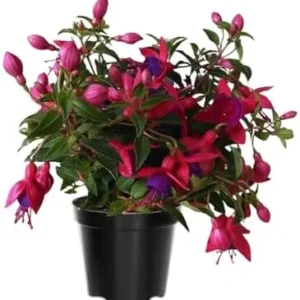
Sold 58 products
Original price was: $59.56.$29.78Current price is: $29.78.
Sold 51 products
Original price was: $107.98.$53.99Current price is: $53.99.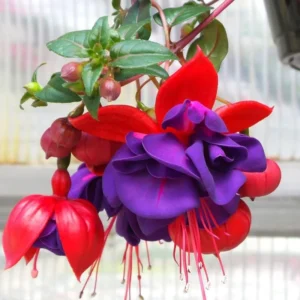
Sold 89 products
Original price was: $39.98.$19.99Current price is: $19.99.
Sold 98 products
Original price was: $51.80.$25.90Current price is: $25.90.

Reviews
There are no reviews yet.