NEED SUPPORT WITH YOUR ORDER? Get in touch
Not satisfied with your purchase?
Enter your Order ID on website, and we'll resolve it right away.

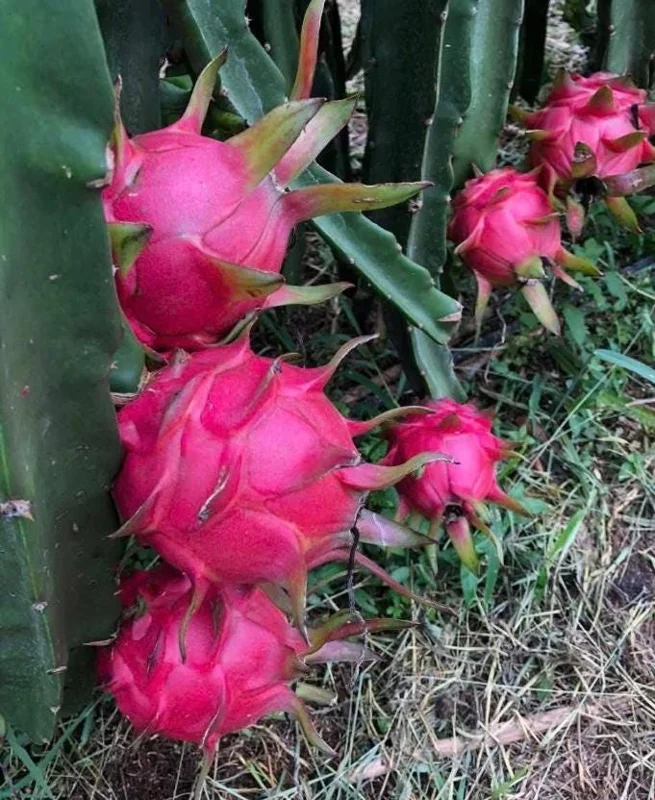
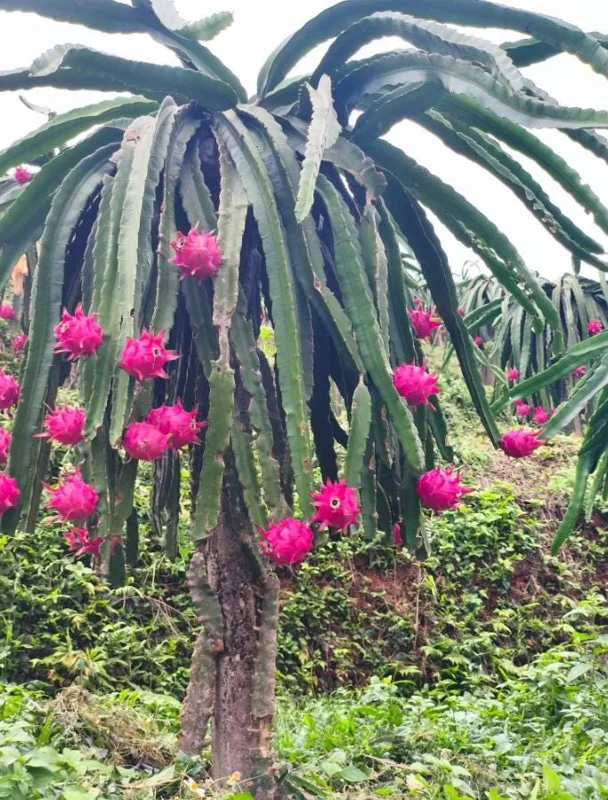
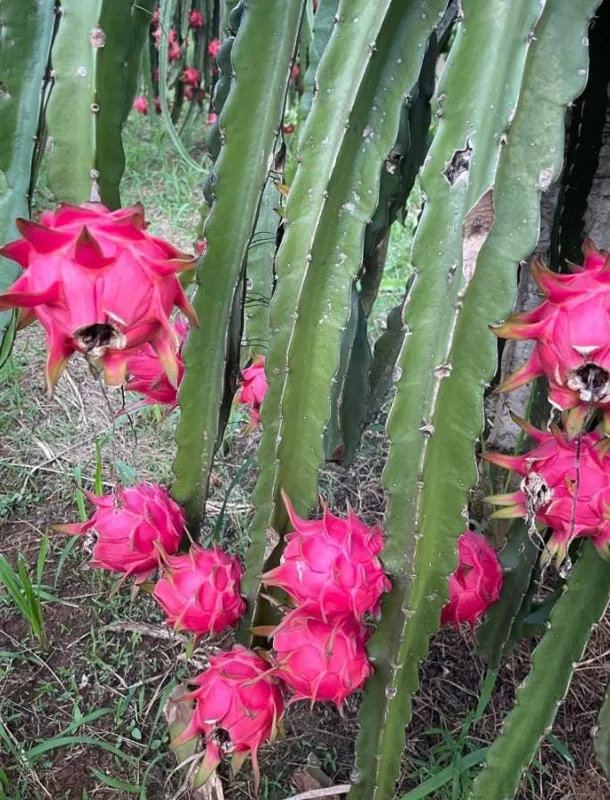
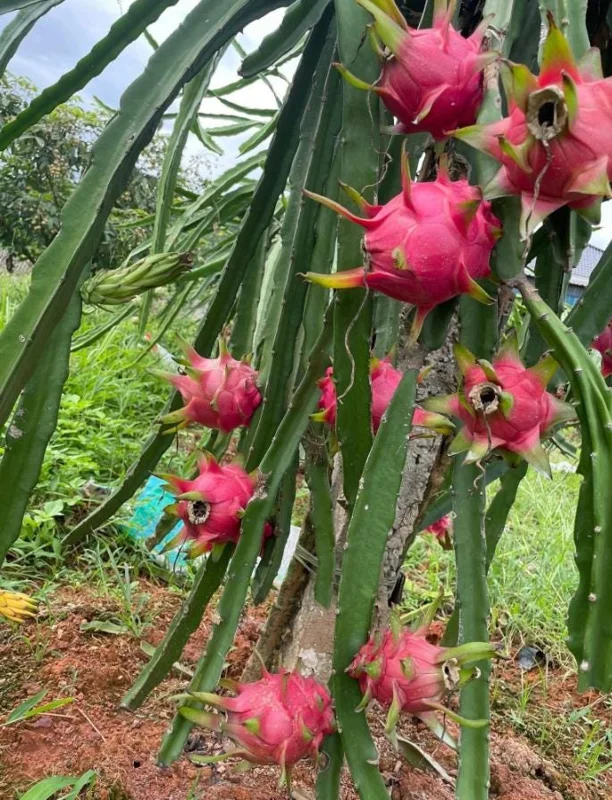
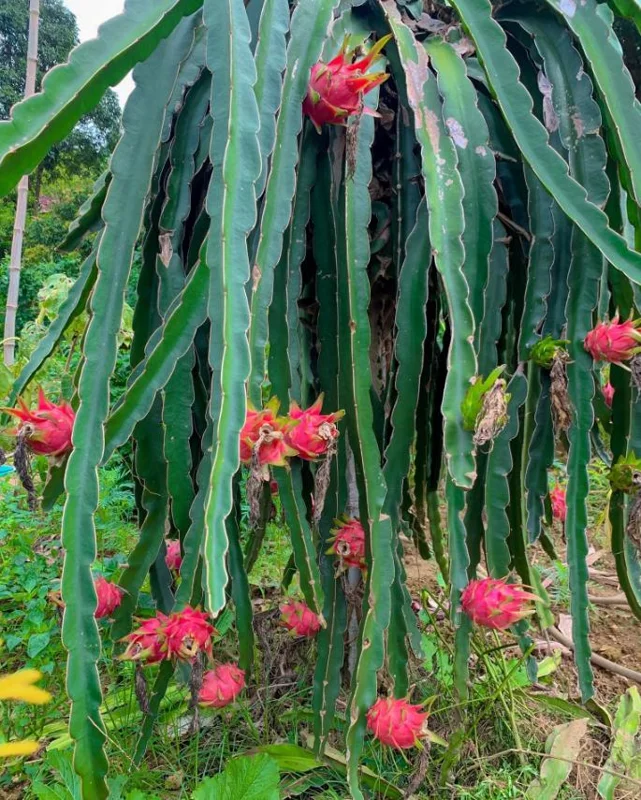
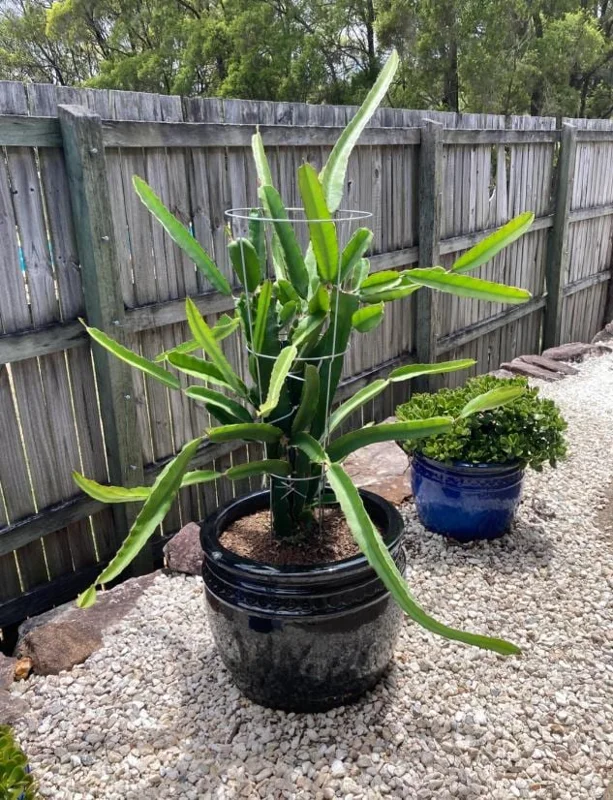
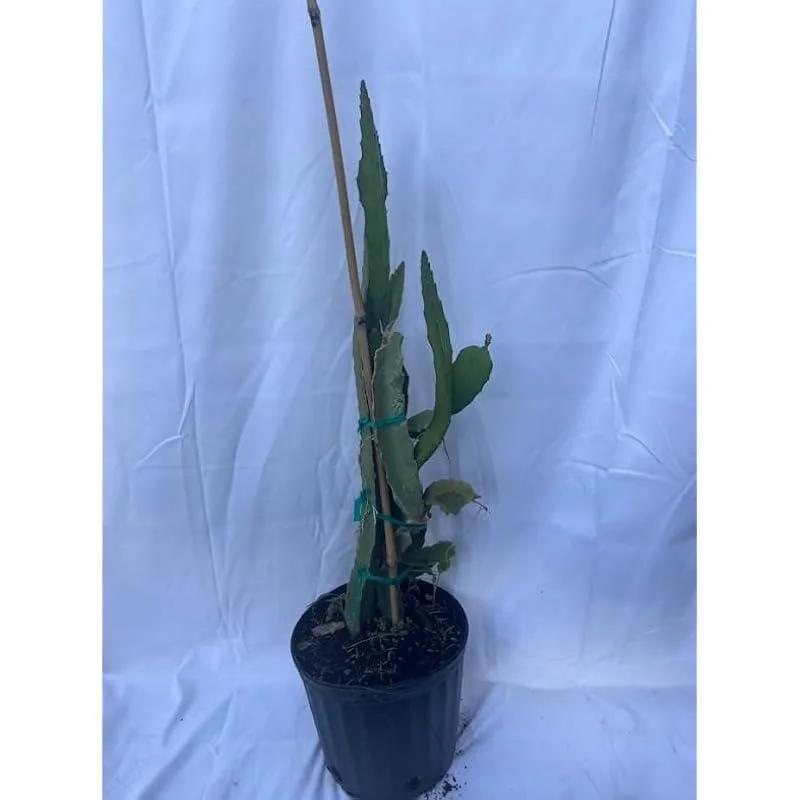
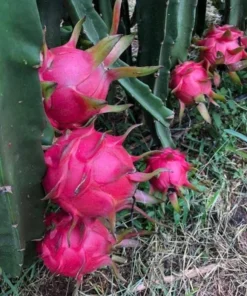

Original price was: $61.99.$41.99Current price is: $41.99.
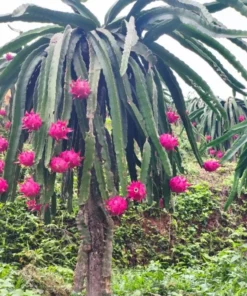
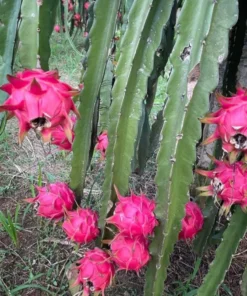
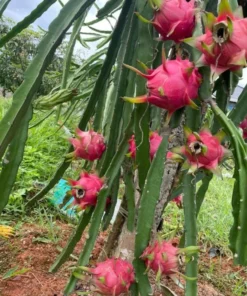
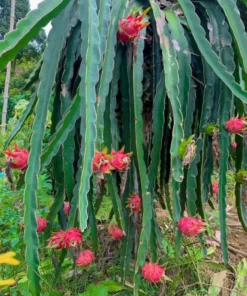
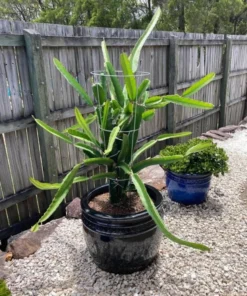
Cultivate your own exotic fruit with this dragon fruit live plant, also known as sweet pitahaya plant. This unique climbing cactus vine grows 2-3 feet tall in a 3-gallon pot, producing stunning night-blooming flowers and delicious fruit. Ideal for warm, frost-free climates, it requires a support structure to thrive.
Feb 04
Feb 09 - Feb 11
Feb 14 - Feb 18
USDA Hardiness Zone
Soil Type
Sunlight Exposure
Expected Planting Period
Shipping and return policies: Our Alive & Thrive Guarantee covers issues with your plants within the first 30 days. Get in touch with us via email, and our team will review your concerns and, if necessary, provide you with a one-time replacement at no cost.
If you're unsure about your hardiness zone, feel free to reach out to us. Our team will answer your questions and help you find the plants that are truly suitable for your environment, climate, and personal preferences.
Bring the tropics to your home garden with a vibrant dragon fruit live plant. Also known as Pitaya or Pitahaya, this unique fruit grows on a beautiful climbing cactus vine, offering both ornamental appeal and delicious, healthy fruit. Our dragon fruit live plant specimens are 2-3 feet tall and come in a 3-gallon pot, ready for you to establish in your garden or a larger container. This tropical gem is renowned for its striking night-blooming flowers, which are often large and fragrant, leading to the development of the sweet and refreshing pitahaya fruit. Cultivating your own dragon fruit is a rewarding experience, providing fresh, exotic produce right at your fingertips. The plant’s vigorous growth and attractive form make it a focal point in any warm-climate landscape or a greenhouse.
The sweet pitahaya plant is a fascinating succulent that originates from Central and South America. Its climbing habit means it will naturally seek support, making it an excellent choice for trellises, arbors, or sturdy posts. With proper care, your dragon fruit live plant will flourish, producing multiple harvests of its iconic, brightly colored fruit. These plants are grown for their juicy, subtly sweet flesh, which is packed with nutrients and antioxidants. Enjoy the satisfaction of harvesting your own exotic fruit, a true taste of the tropics.
Growing a dragon fruit live plant offers a multitude of benefits, from its aesthetic appeal to the nutritional value of its fruit. It’s a fantastic addition for both experienced gardeners and those looking to try something new and exotic.
Caring for your dragon fruit live plant is straightforward, especially if you provide it with the right conditions. As a climbing cactus, it thrives in warm, sunny environments and requires specific attention to its support and watering needs to ensure abundant fruit production. Understanding the needs of this tropical vine will lead to a successful harvest.
Sunlight Requirements: Dragon fruit plants require plenty of sunlight to produce fruit. Plant your climbing cactus vine in a location that receives 6 to 8 hours of full sun daily. While it can tolerate some partial shade, especially in extremely hot climates, consistent full sun is crucial for flowering and fruiting. If growing indoors, ensure it’s placed near a south-facing window or under strong grow lights.
Watering Schedule and Soil Moisture: Water regularly, allowing the soil to dry out between waterings to prevent root rot, which is a common issue for cacti. Depending on your climate, this might mean watering two to four times a week during warm, dry periods. Reduce watering significantly during cooler months. The soil should be consistently moist but never soggy. A good way to check is to feel the top few inches of soil – if it’s dry, it’s time to water.
Soil Type and Drainage: A well-draining soil mix is paramount for a healthy sweet pitahaya plant. Use a blend such as sandy loam, compost, and sand. For container planting, a premium cactus and succulent mix is ideal. Good drainage prevents waterlogging and ensures the roots receive adequate oxygen. Ensure your pot has drainage holes.
Temperature Range and USDA Hardiness Zone: This tropical plant thrives in warm to hot and humid climates with mild winters and no frost. It is best suited for USDA Hardiness Zones 9-11. Temperatures below freezing can severely damage or kill the plant. If you live in a colder zone, consider growing it in a container that can be moved indoors during winter. The optimal temperature range for growth is between 65°F and 85°F (18°C-29°C).
Fertilization Schedule and Type: Fertilize your dragon fruit live plant during the growing season (spring through fall) with a balanced, slow-release fertilizer or a liquid fertilizer formulated for cacti or fruit-bearing plants. Follow the product instructions for application rates. Avoid over-fertilizing, which can burn the roots. Reduce or stop fertilization during the dormant winter months.
Support Structure: As a climbing cactus vine, dragon fruit absolutely needs strong support. Install a sturdy pole, trellis, or wire cage at planting time. Train the plant to grow upwards along this support. Once the stems reach the top, allow them to cascade downwards, as this encourages fruit production. Regularly tie new growth gently to the support structure as it develops.
Common Problems and Solutions: Watch out for signs of overwatering (yellowing stems, mushy spots) or underwatering (shriveling stems). Pests like mealybugs or scale can be managed with insecticidal soap. Fungal diseases can occur in overly humid or poorly ventilated conditions; ensure good air circulation. The night bloom flower can be tricky to pollinate if natural nocturnal pollinators aren’t present; hand-pollination may be necessary for fruit set.
This offering includes one robust dragon fruit live plant, measuring approximately 2-3 feet in height from the base of the soil. Each plant is carefully cultivated and shipped in a 3-gallon nursery pot, providing a well-established root system ready for transplanting. Dragon fruit plants are known for their relatively fast growth rate once established, especially in optimal conditions. You can expect your plant to continue growing upwards, eventually needing a strong support structure to reach its full mature size, which can be several feet tall and wide.
The plant will arrive with healthy green stems, indicative of its vigorous growth. While the exact time to fruit can vary based on growing conditions and care, established plants like these can begin to flower and fruit within 1-3 years. The stunning night bloom flower typically develops in summer, with fruits maturing about 30 days later. This sweet pitahaya plant is a long-lived perennial, offering many years of beauty and delicious fruit when properly cared for. It’s an excellent investment for any gardener looking to grow exotic fruit.
You must be logged in to post a review.
Sold 78 products
Original price was: $39.98.$19.99Current price is: $19.99.
Sold 50 products
Original price was: $64.99.$34.99Current price is: $34.99.
Sold 74 products
Original price was: $73.98.$36.99Current price is: $36.99.
Sold 52 products
Original price was: $57.98.$28.99Current price is: $28.99.
Sold 81 products
Original price was: $49.99.$34.99Current price is: $34.99.
Sold 58 products
Original price was: $72.99.$52.99Current price is: $52.99.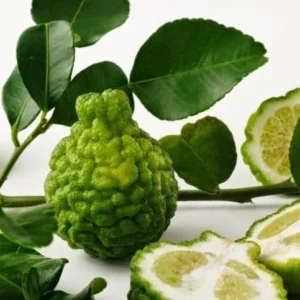
Fruits
Kaffir Lime Starter Plug – Kaffir Lime Citrus Fruit Plants-Lemon Tree 2-3 Inch Live Plant Seedling
Sold 84 products
Original price was: $68.99.$47.99Current price is: $47.99.
Sold 81 products
Original price was: $55.98.$27.99Current price is: $27.99.

Reviews
There are no reviews yet.