NEED SUPPORT WITH YOUR ORDER? Get in touch
Not satisfied with your purchase?
Enter your Order ID on website, and we'll resolve it right away.

Original price was: $48.99.$34.99Current price is: $34.99.
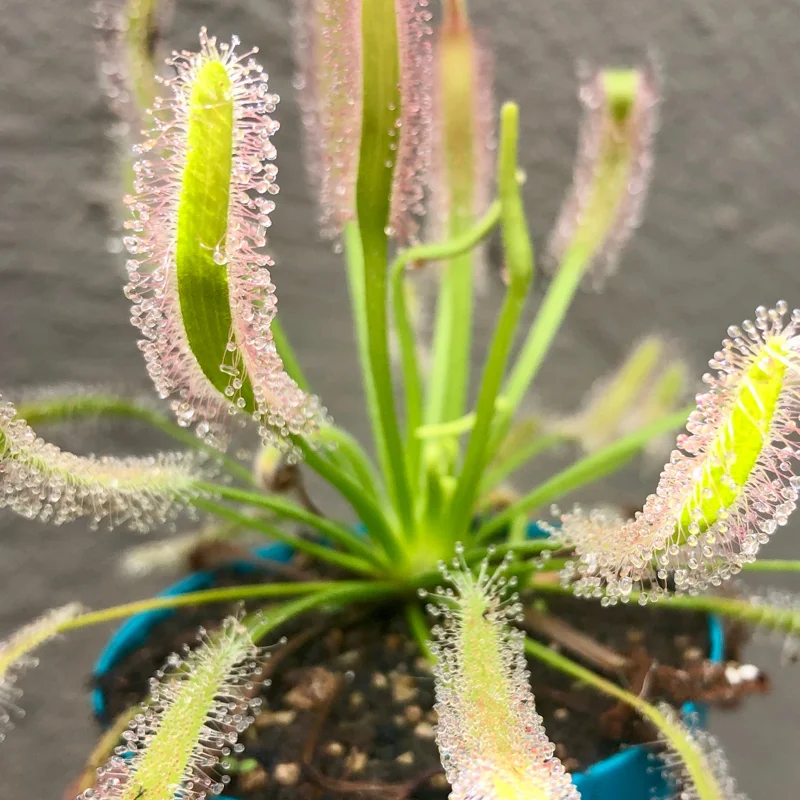
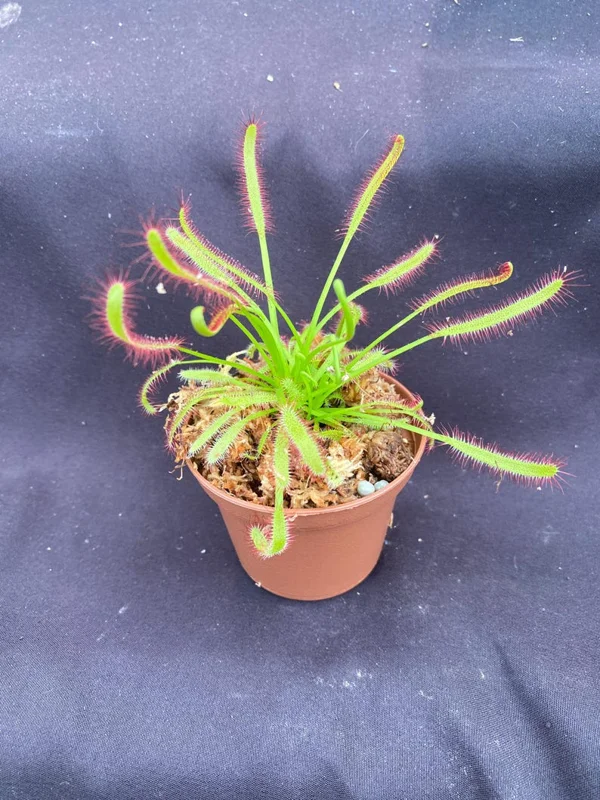
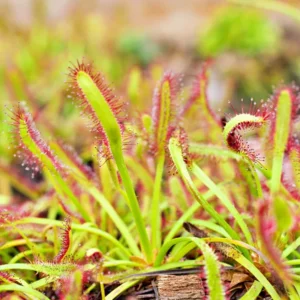
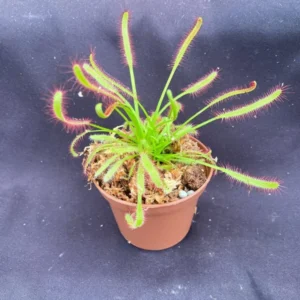
Bring home a captivating Cape Sundew live plant, a beautiful and effective natural insect control solution. This carnivorous plant for beginners features vibrant, sticky tentacles, thriving indoors in a 2.5-inch pot. Perfect for adding an exotic touch and sparking conversation.
Feb 04
Feb 09 - Feb 11
Feb 14 - Feb 18
USDA Hardiness Zone
Soil Type
Sunlight Exposure
Expected Planting Period
Shipping and return policies: Our Alive & Thrive Guarantee covers issues with your plants within the first 30 days. Get in touch with us via email, and our team will review your concerns and, if necessary, provide you with a one-time replacement at no cost.
If you're unsure about your hardiness zone, feel free to reach out to us. Our team will answer your questions and help you find the plants that are truly suitable for your environment, climate, and personal preferences.
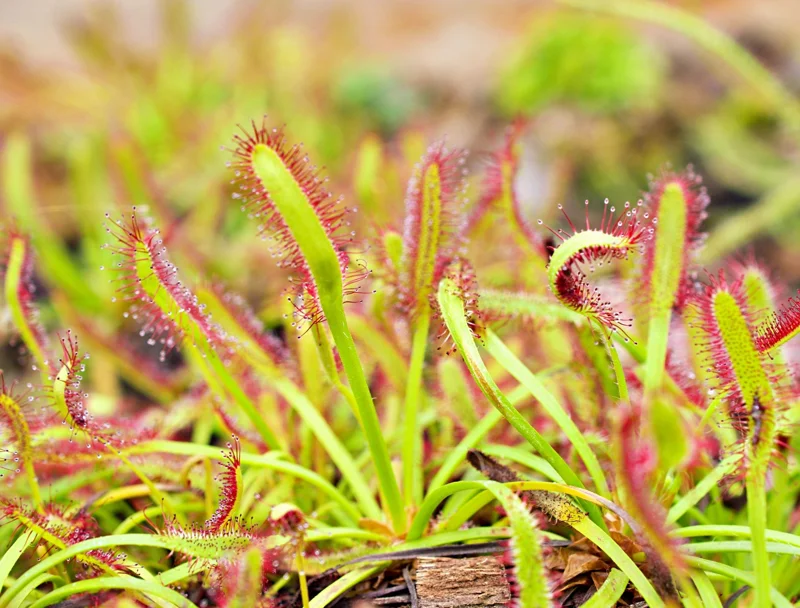
Introduce a truly unique and beneficial addition to your indoor garden with the Cape Sundew live plant (Drosera capensis). This remarkable carnivorous plant for beginners is celebrated for its striking beauty and ingenious insect-trapping capabilities. With its vibrant pink to red sticky tentacles, the Cape Sundew provides an elegant and natural solution for managing small nuisance insects in your home. Each plant is meticulously cultivated and shipped as a healthy, rooted specimen in a 2.5-inch pot, ensuring it is ready to flourish upon arrival. The Cape Sundew live plant is not just a decorative piece; it’s a living marvel that offers a fascinating glimpse into the world of carnivorous flora, making it a perfect choice for both new plant enthusiasts and seasoned collectors alike.
The Drosera capensis, commonly known as the Cape Sundew, is an ecological wonder. Its leaves are covered in glistening, sweet mucilage that lures and traps unsuspecting insects, providing the plant with essential nutrients. This adaptation allows the Cape Sundew live plant to thrive in nutrient-poor environments, making it a resilient and low-maintenance option for your indoor space. Beyond its functional benefits, this plant serves as an excellent conversation starter, sparking curiosity and offering an educational experience about the fascinating adaptations of carnivorous plants.
Owning a Cape Sundew live plant brings a host of advantages, from its practical insect control to its aesthetic appeal and educational value. It’s a plant that truly gives back, enhancing your home environment in multiple ways.
Proper Drosera capensis care is straightforward, making it an excellent choice for those new to carnivorous plants. The key to a thriving Cape Sundew lies in consistent moisture and appropriate lighting. For sunlight, your Cape Sundew flourishes in bright, indirect sunlight. A south-facing window with some diffusion or a well-lit terrarium is often ideal. It can tolerate some direct morning sun but should be protected from harsh afternoon rays, which can scorch its delicate tentacles. Adequate light encourages the distinctive vibrant coloration and mucilage production that makes this plant so captivating.
When it comes to watering, consistency is crucial for effective Drosera capensis care. Keep the soil consistently moist but never waterlogged. The best method is often to place the pot in a tray of distilled water, rainwater, or reverse osmosis water, allowing the plant to absorb water from the bottom. Avoid using tap water, as the minerals and chemicals can build up and harm the plant over time. The soil type should be nutrient-poor and well-draining, typically a mix of peat moss and perlite or sand. Sphagnum moss is also an excellent medium. The Cape Sundew live plant does not require fertilization as it obtains its nutrients from the insects it catches.
The Cape Sundew prefers temperatures between 65-85°F (18-29°C) during the day and slightly cooler at night. It does not typically require a dormancy period, though some varieties may slow growth in winter. Humidity is beneficial, so consider placing it near a humidifier or in a terrarium if your home is particularly dry. Common problems include a lack of dew, which is usually a sign of insufficient light, incorrect watering, or using tap water. Ensure consistent conditions for a healthy and dewy Cape Sundew indoor plant. If you’re looking for an easy-to-manage insect eating plant, the Cape Sundew is an excellent choice.
This Cape Sundew live plant is shipped as a healthy, rooted specimen in a 2.5-inch nursery pot. Upon arrival, it will be ready to continue its growth in your home. Typically, a mature Cape Sundew can reach a diameter of 3-4 inches, forming a charming rosette of leaves with its signature sticky tentacles. It exhibits a moderate growth rate, gradually expanding its captivating form over time. The plant is compact, making it an ideal choice for windowsills, desks, or terrariums where space might be limited. Its mature height usually remains low, focusing more on its spread.
The plant is delivered in its current potted state, ensuring minimal transplant shock and immediate enjoyment. While individual plant sizes may vary slightly due to natural growth, each specimen is carefully selected to be robust and thriving. Expect to see the characteristic vibrant pink to red coloration of its tentacles, especially under optimal lighting conditions. The insect eating plant will begin its natural pest control duties shortly after settling into its new environment.
You must be logged in to post a review.
Sold 75 products
Original price was: $37.98.$18.99Current price is: $18.99.
Sold 62 products
Original price was: $65.98.$32.99Current price is: $32.99.
Sold 56 products
Original price was: $78.99.$48.99Current price is: $48.99.
Sold 55 products
Original price was: $46.99.$32.99Current price is: $32.99.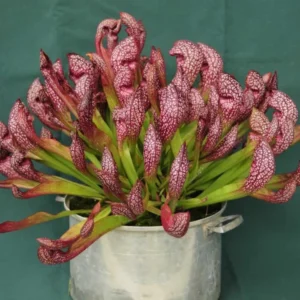
HousePlants
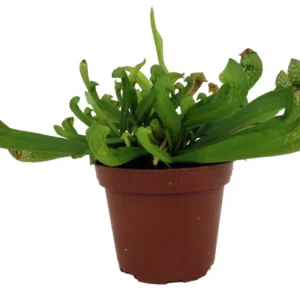
Scarlet Belle Pitcher Plant – Mature Carnivorous Sarracenia – 3 Inch Pot – Insectivorous Plant
Sold 100 products
Original price was: $65.99.$50.99Current price is: $50.99.
Sold 65 products
Original price was: $69.99.$52.99Current price is: $52.99.
Sold 73 products
Original price was: $49.99.$34.99Current price is: $34.99.
Sold 80 products
Original price was: $79.98.$39.99Current price is: $39.99.
Reviews
There are no reviews yet.