NEED SUPPORT WITH YOUR ORDER? Get in touch
Not satisfied with your purchase?
Enter your Order ID on website, and we'll resolve it right away.

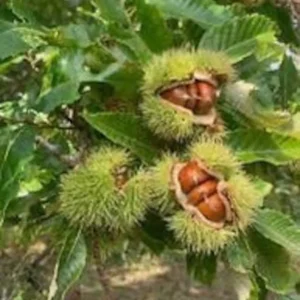
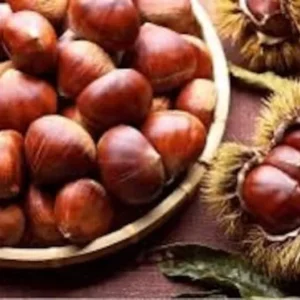
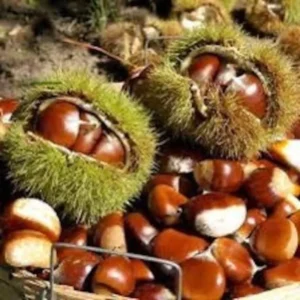
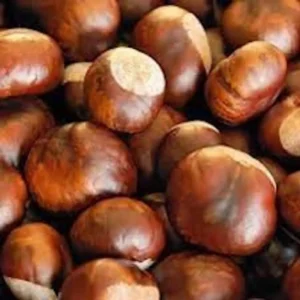
Original price was: $37.99.$18.99Current price is: $18.99.
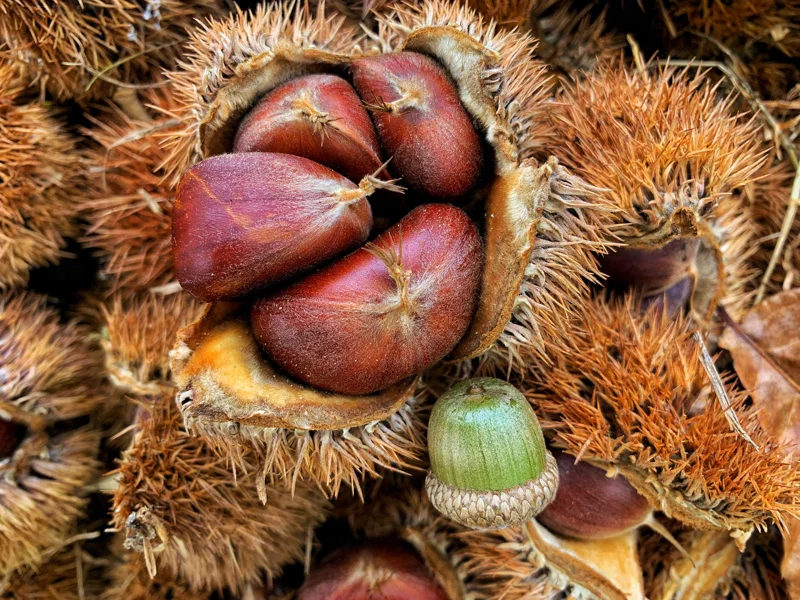
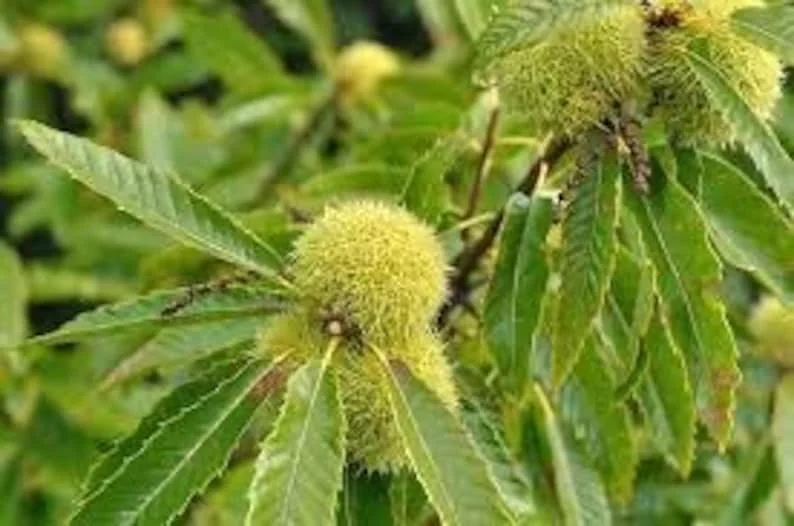
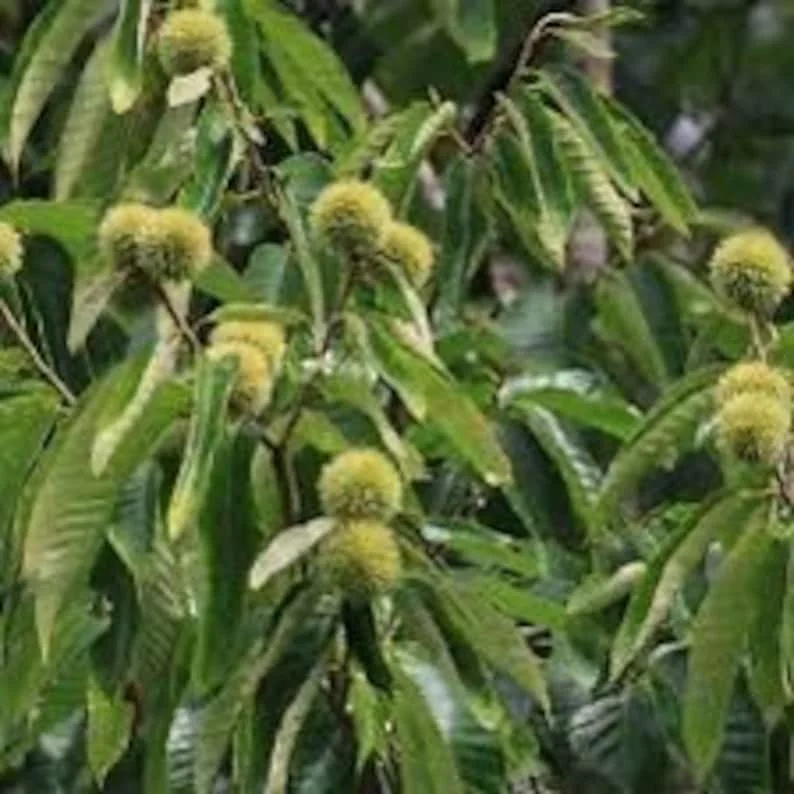
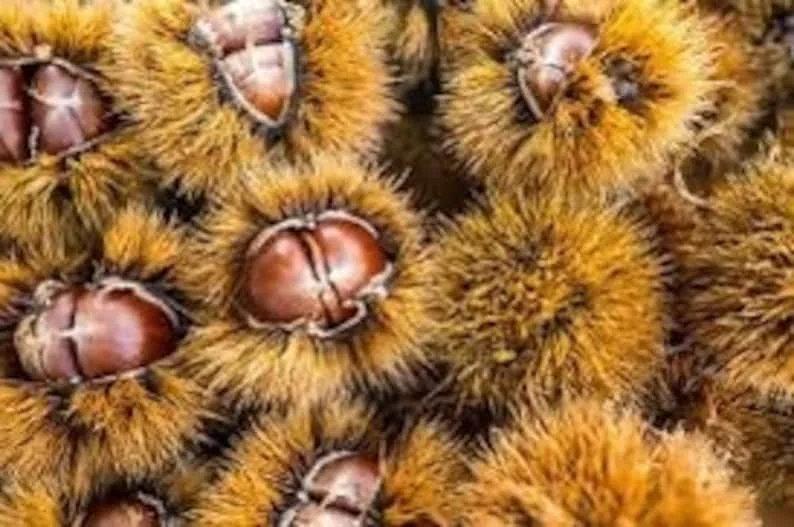
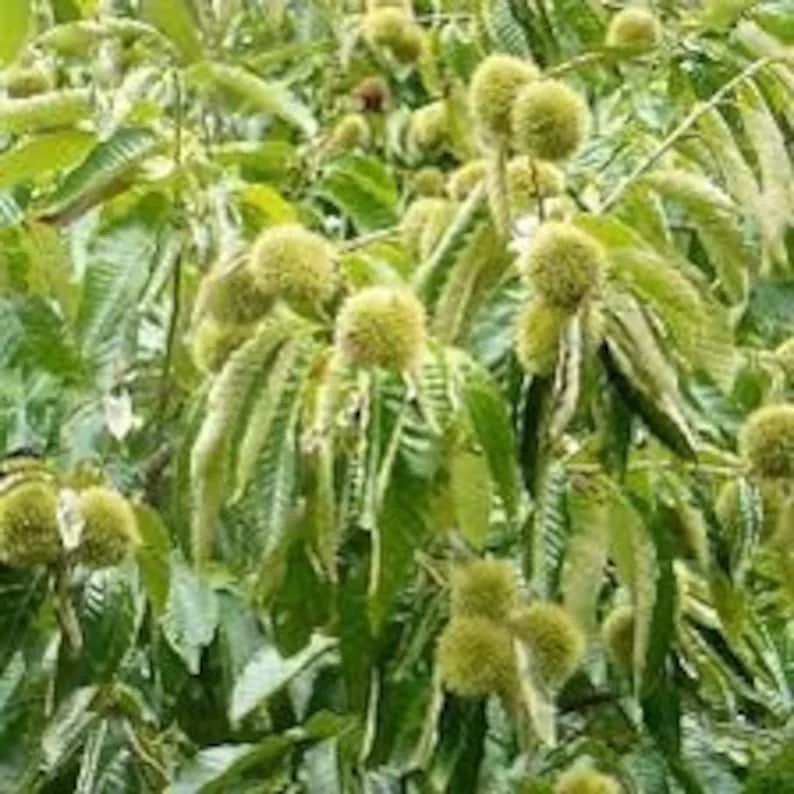
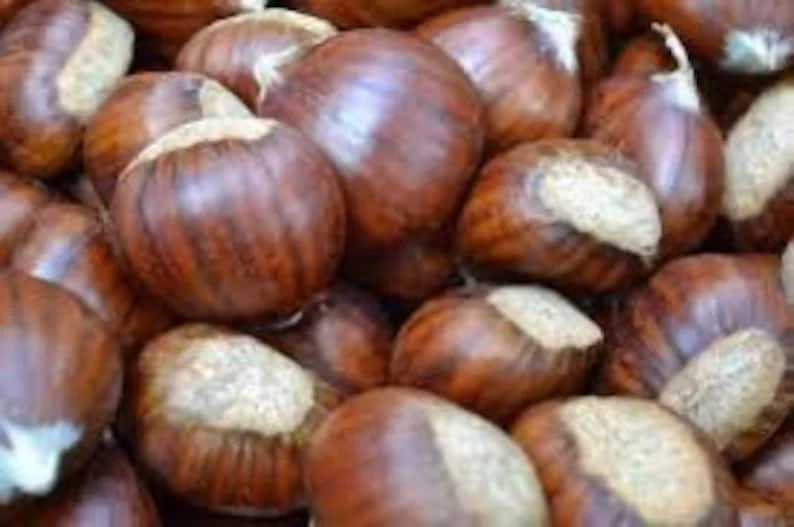
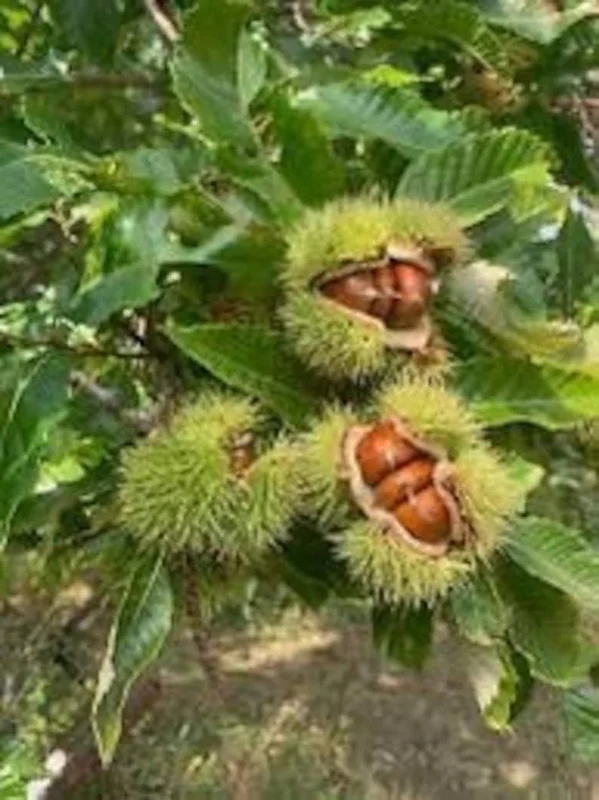
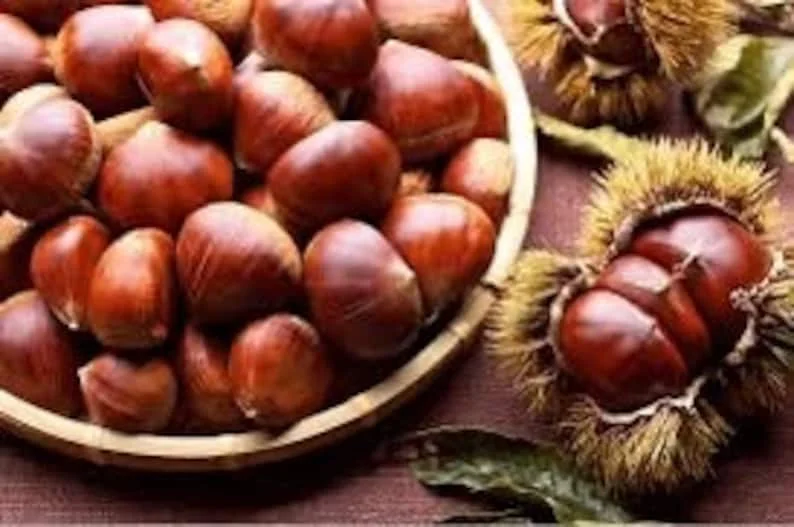
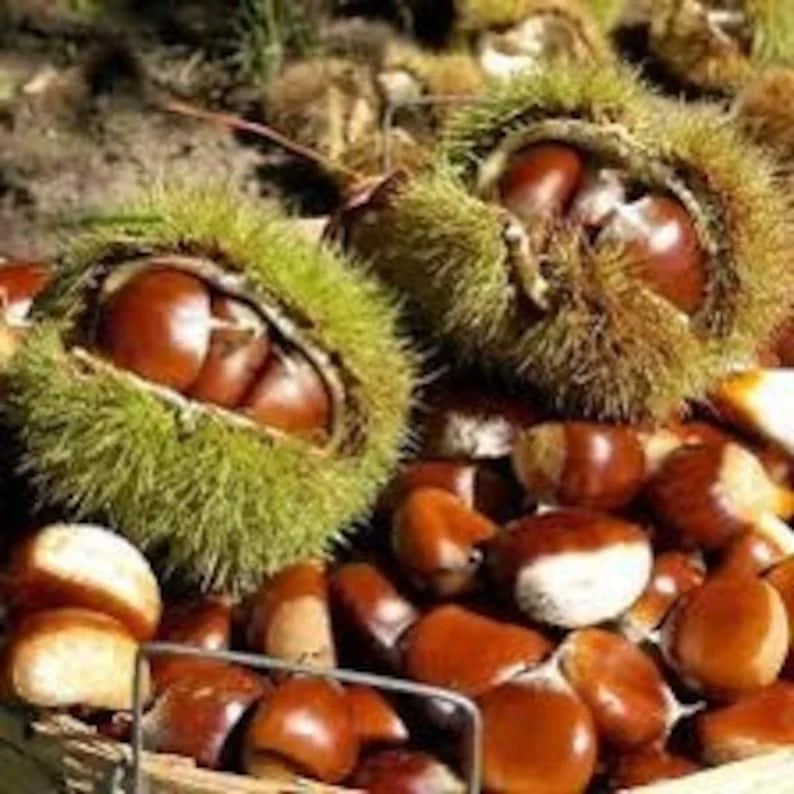
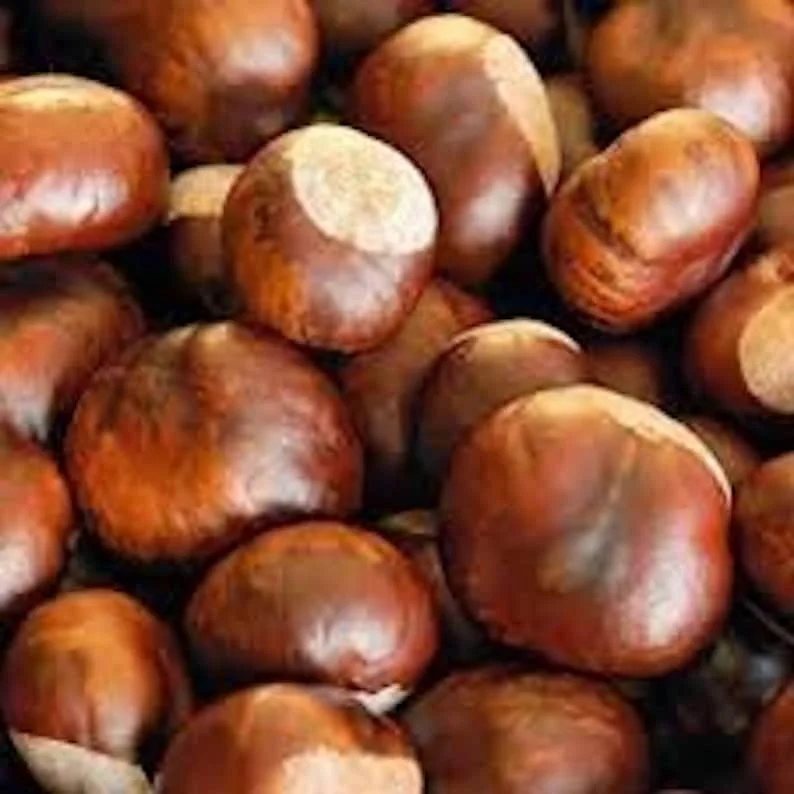
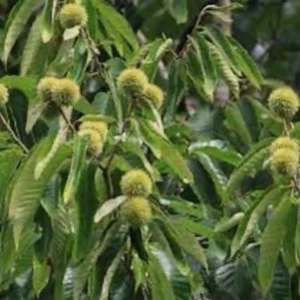
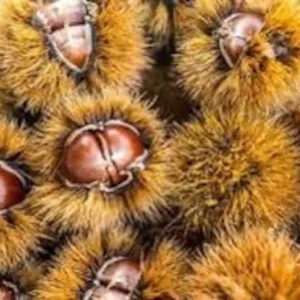
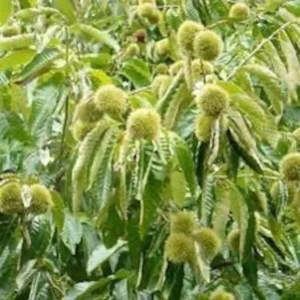
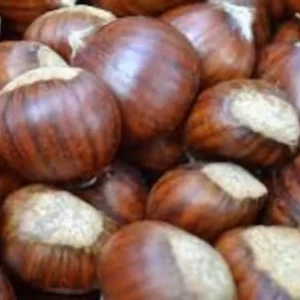
Cultivate robust, blight resistant chestnut trees with these premium Dunstan American Chestnut Tree Seeds. These hybrid sweet chestnut seeds are cold stratified and ready for planting, providing a sustainable food source and attracting wildlife to your property.
Feb 04
Feb 09 - Feb 11
Feb 14 - Feb 18
USDA Hardiness Zone
Soil Type
Sunlight Exposure
Expected Planting Period
Shipping and return policies: Our Alive & Thrive Guarantee covers issues with your plants within the first 30 days. Get in touch with us via email, and our team will review your concerns and, if necessary, provide you with a one-time replacement at no cost.
If you're unsure about your hardiness zone, feel free to reach out to us. Our team will answer your questions and help you find the plants that are truly suitable for your environment, climate, and personal preferences.
Embark on a rewarding gardening journey by planting Dunstan American Chestnut Tree Seeds, a superior hybrid variety known for its remarkable blight resistance. These carefully selected sweet chestnut seeds have undergone cold stratification, ensuring optimal germination rates and readiness for planting. Ideal for home gardeners, homesteaders, and wildlife enthusiasts, these seeds will grow into beautiful, productive trees that offer a sustainable food source for both humans and local wildlife. Cultivating your own chestnut trees from these seeds brings the satisfaction of providing delicious, nutrient-rich nuts while contributing to local biodiversity. The Dunstan American Chestnut is a hybrid developed to overcome the devastating chestnut blight, allowing these magnificent trees to thrive and produce abundant harvests for many years.
Growing chestnut trees from our premium seeds offers a multitude of advantages for your landscape and lifestyle. These trees are not only aesthetically pleasing but also highly functional, providing both ecological and culinary rewards. The resilience of the Dunstan hybrid makes it an exceptional choice for long-term enjoyment.
Successfully growing Dunstan American Chestnut trees from seed requires attention to specific environmental factors and consistent care, especially during their formative years. These Dunstan American Chestnut Tree Seeds are cold stratified, meaning they’ve already undergone the necessary chilling period to break dormancy and are ready for planting. Upon arrival, keep the seeds refrigerated until you are ready to plant. The ideal time for planting is in the spring after the last frost, or in the fall before the ground freezes, allowing the seeds to establish a strong root system.
Chestnut trees thrive in well-drained, slightly acidic soil with a pH between 5.0 and 6.5. Avoid heavy clay soils or areas where water tends to collect, as this can lead to root rot. Full sun exposure, meaning at least 6-8 hours of direct sunlight per day, is crucial for optimal growth and nut production. Young trees require regular watering, particularly during dry spells, to ensure consistent moisture without oversaturation. Fertilize in the spring with a balanced, slow-release fertilizer to support healthy development. Protecting young seedlings from pests and browsing animals is also important. Consider using tree tubes or fencing to shield them during their vulnerable early stages. These practices will help ensure your sweet chestnut seeds develop into robust, nut-producing trees.
These Dunstan American Chestnut Tree Seeds are delivered ready for planting, having been float tested for viability and cold stratified to ensure successful germination. Each seed holds the potential to grow into a large, majestic tree, typically reaching heights of 50-70 feet and a similar spread at maturity. The growth rate is moderate to fast, depending on growing conditions. While the seeds themselves are compact, the resulting trees will require ample space to flourish. Chestnut trees grown from seed typically begin producing nuts within 3-5 years, rewarding your patience with a delicious annual harvest. These trees are suitable for USDA hardiness zones 5-9, tolerating a range of climates. They are shipped carefully in peat moss to maintain viability.
You must be logged in to post a review.
Sold 69 products
Original price was: $32.99.$16.99Current price is: $16.99.
Sold 76 products
Original price was: $30.99.$16.99Current price is: $16.99.
Sold 60 products
Original price was: $25.98.$8.99Current price is: $8.99.
Sold 58 products
Original price was: $52.99.$24.99Current price is: $24.99.
Sold 86 products
Original price was: $35.99.$18.99Current price is: $18.99.
Sold 56 products
Original price was: $30.99.$15.99Current price is: $15.99.
Sold 88 products
Original price was: $17.98.$10.99Current price is: $10.99.
Sold 63 products
Original price was: $19.99.$15.99Current price is: $15.99.
Reviews
There are no reviews yet.