NEED SUPPORT WITH YOUR ORDER? Get in touch
Not satisfied with your purchase?
Enter your Order ID on website, and we'll resolve it right away.



Original price was: $142.99.$126.99Current price is: $126.99.
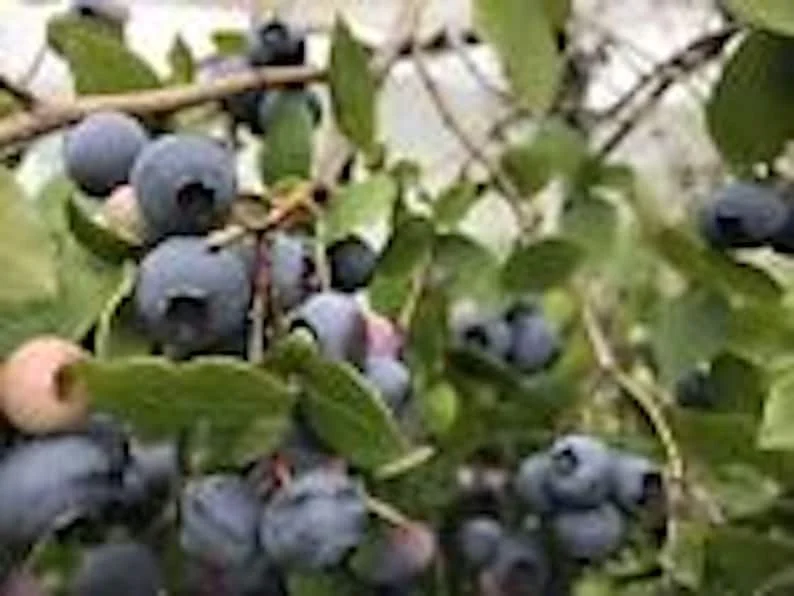
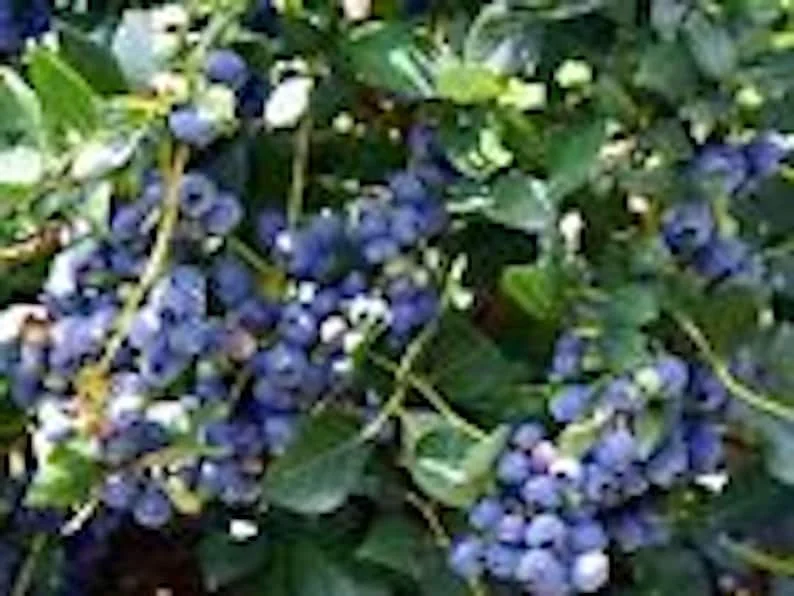
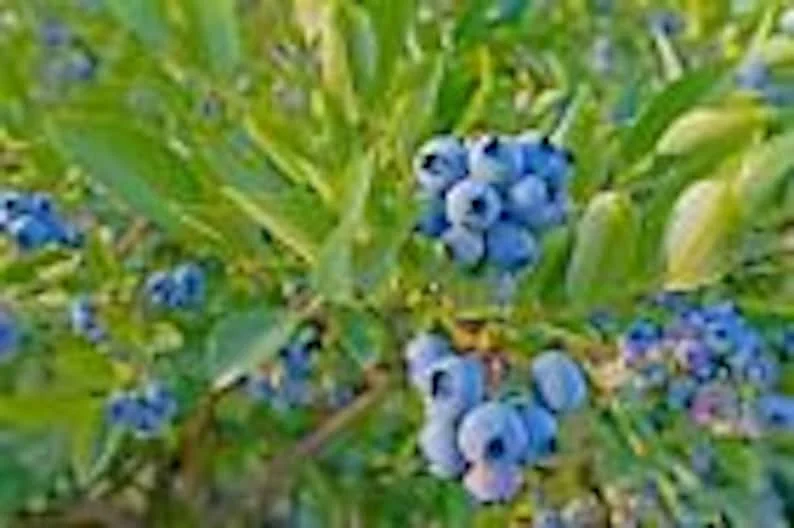
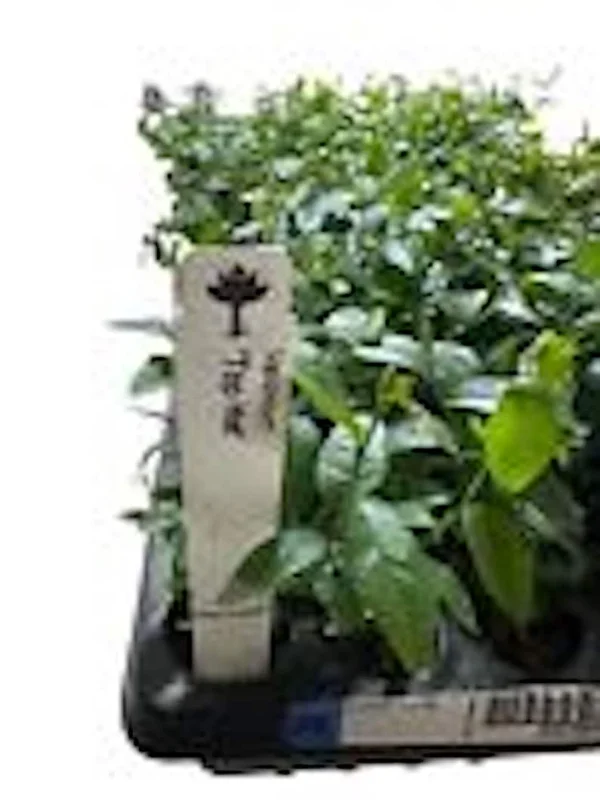
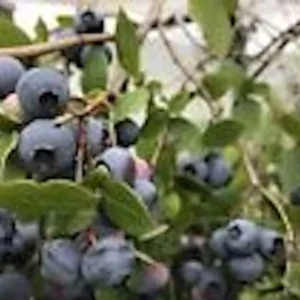
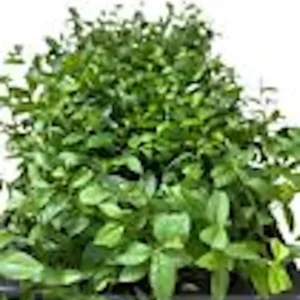
Cultivate your own sweet and tart fruit with this compact dwarf blueberry plant. The ‘Top Hat’ variety is perfect for container gardening, reaching 1-2 feet tall and wide, making it an excellent choice for patios and small gardens. Enjoy fresh blueberries and beautiful foliage with this easy-to-care-for perennial fruit bush.
Mar 03
Mar 08 - Mar 10
Mar 13 - Mar 17
USDA Hardiness Zone
Soil Type
Sunlight Exposure
Expected Planting Period
Shipping and return policies: Our Alive & Thrive Guarantee covers issues with your plants within the first 30 days. Get in touch with us via email, and our team will review your concerns and, if necessary, provide you with a one-time replacement at no cost.
If you're unsure about your hardiness zone, feel free to reach out to us. Our team will answer your questions and help you find the plants that are truly suitable for your environment, climate, and personal preferences.
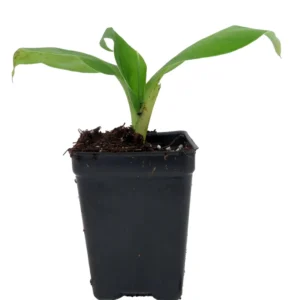
Experience the joy of homegrown fruit with the delightful dwarf blueberry plant, specifically the ‘Top Hat’ variety of Vaccinium angustifolium. This compact fruit bush is an excellent choice for gardeners of all skill levels, producing an abundance of delicious, full-size blueberries. Imagine harvesting fresh, sweet, and tart berries right from your backyard or patio. Its manageable size makes it ideal for container gardening, adding both ornamental beauty and a productive harvest to any space. This perennial plant is shipped as a bare root starter, ready for you to nurture into a thriving, fruit-bearing bush.
The Top Hat blueberry is renowned for its charming, bonsai-like appearance and its ability to thrive in smaller environments. It’s a fantastic solution for those with limited garden space or who prefer the flexibility of container planting. With proper care, this resilient plant will reward you with years of delicious fruit, transforming your outdoor area into an edible landscape.
Adding a dwarf blueberry plant to your garden offers a multitude of advantages, combining aesthetic appeal with a rewarding harvest. This particular variety provides several unique benefits:
To ensure your dwarf blueberry plant thrives and produces an abundant harvest, understanding its specific care requirements is crucial. Blueberries, including the ‘Top Hat’ variety, prefer acidic soil and consistent moisture. For optimal growth, plant your Vaccinium angustifolium in well-drained sandy soil with a pH between 4.0 and 4.5. Enhancing the soil’s richness by mixing in compost, peat moss, leaf mold, or manure will provide essential nutrients and improve soil structure. When planting in containers, ensure they have adequate drainage holes to prevent waterlogging, which can be detrimental to the plant’s health.
For best fruit yield and healthy growth, your blueberry bush care routine should include full sun exposure, meaning at least 6-8 hours of direct sunlight per day. Consistent watering is essential, especially during dry periods and when the plant is fruiting. The soil should remain consistently moist but not soggy. Fertilize your dwarf blueberry plant in early spring with an acid-loving plant fertilizer, following the product’s instructions carefully to avoid over-fertilization. Pruning should be done in late winter or early spring to remove dead or weak branches and to encourage new growth and fruit production. This helps maintain the plant’s compact size and vigor.
Protect your blueberry bush from extreme temperatures. While generally hardy, young plants might benefit from winter protection in colder zones. Common problems like birds enjoying your berries can be mitigated with netting, and monitoring for pests and diseases will help keep your plant healthy. Understanding how to grow blueberries in containers properly involves selecting the right pot size, ensuring good drainage, and providing consistent acidic conditions.
This dwarf blueberry plant, the ‘Top Hat’ variety, typically grows to a compact height and spread of just 1 to 2 feet (approximately 30-60 cm). This makes it an ideal specimen for small gardens, patios, balconies, or as an attractive edible ornamental in mixed container plantings. The plant is shipped as a bare root starter, meaning it will arrive without soil in its dormant state, which is optimal for safe and efficient transport and allows for robust establishment upon planting. While it may produce some fruit in its first year, you’ll generally see a larger and more abundant harvest in subsequent years as the plant matures and establishes its root system. Its growth rate is moderate, allowing it to reach its mature size within a few years with proper care.
You must be logged in to post a review.

Sold 97 products
Original price was: $72.99.$52.99Current price is: $52.99.
Sold 74 products
Original price was: $73.98.$36.99Current price is: $36.99.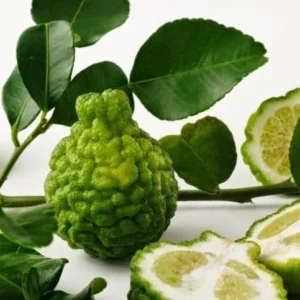
Fruits
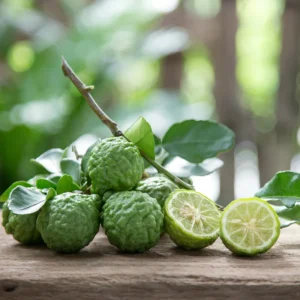
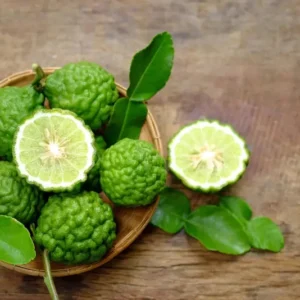
Kaffir Lime Starter Plug – Kaffir Lime Citrus Fruit Plants-Lemon Tree 2-3 Inch Live Plant Seedling
Sold 63 products
Original price was: $68.99.$47.99Current price is: $47.99.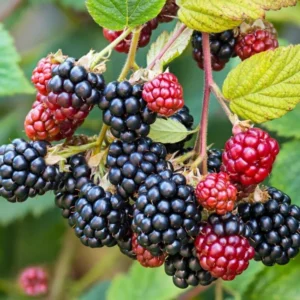
Sold 96 products
Original price was: $57.98.$28.99Current price is: $28.99.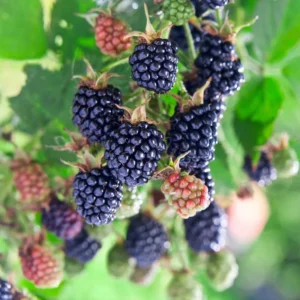
Sold 79 products
Original price was: $99.98.$49.99Current price is: $49.99.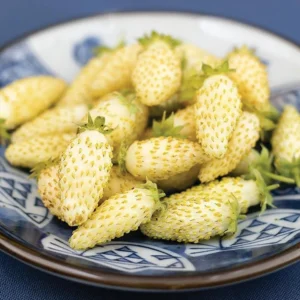
Sold 99 products
Original price was: $78.99.$48.99Current price is: $48.99.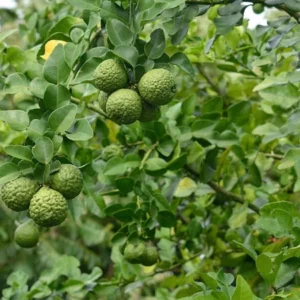
Sold 66 products
Original price was: $89.99.$57.99Current price is: $57.99.
Sold 86 products
Original price was: $49.99.$34.99Current price is: $34.99.

Reviews
There are no reviews yet.