NEED SUPPORT WITH YOUR ORDER? Get in touch
Not satisfied with your purchase?
Enter your Order ID on website, and we'll resolve it right away.

Original price was: $58.99.$29.99Current price is: $29.99.
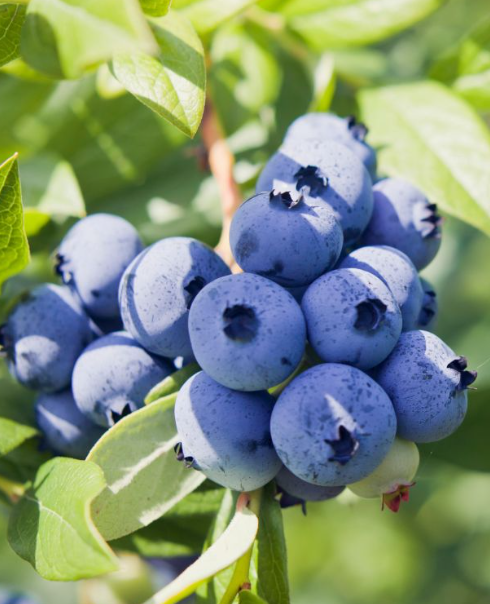
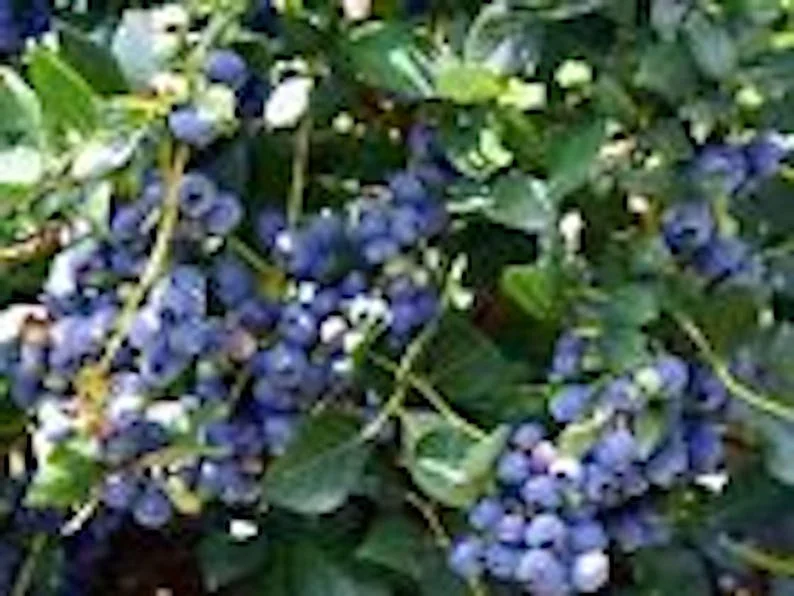
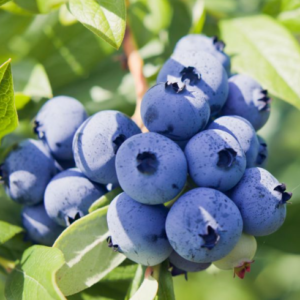
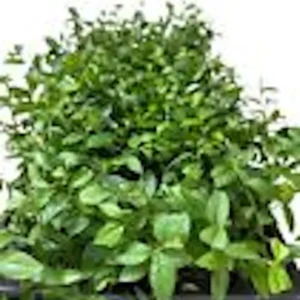
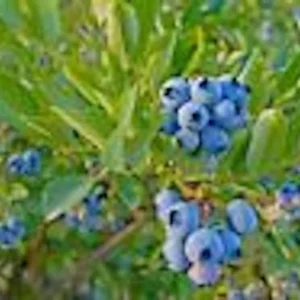
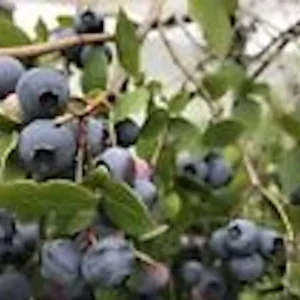
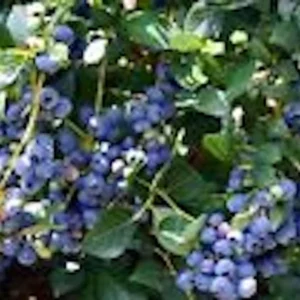
Cultivate your own sweet harvest with the dwarf blueberry live plant. This ‘Top Hat’ variety of Vaccinium angustifolium is ideal for small gardens and container planting, offering delicious fruit and ornamental appeal. Enjoy fresh, homegrown blueberries from this easy-to-care-for fruit bush.
Feb 04
Feb 09 - Feb 11
Feb 14 - Feb 18
USDA Hardiness Zone
Soil Type
Sunlight Exposure
Expected Planting Period
Shipping and return policies: Our Alive & Thrive Guarantee covers issues with your plants within the first 30 days. Get in touch with us via email, and our team will review your concerns and, if necessary, provide you with a one-time replacement at no cost.
If you're unsure about your hardiness zone, feel free to reach out to us. Our team will answer your questions and help you find the plants that are truly suitable for your environment, climate, and personal preferences.
Bring the joy of homegrown fruit to your garden with the dwarf blueberry live plant. Specifically, the ‘Top Hat’ variety of Vaccinium angustifolium is a delightful and compact fruit bush, perfect for gardeners with limited space, whether it’s a small backyard, patio, or balcony. This live plant offers a unique combination of delicious, sweet-tart blueberries and attractive ornamental features, making it a versatile addition to any landscape. Imagine stepping outside and plucking fresh, juicy blueberries directly from your own bush throughout the summer months. This particular blueberry plant is celebrated for its manageable size, typically growing between 1 to 2 feet tall and wide, making it an excellent choice for container gardening as well as small garden beds. Even beginner gardeners will find success with this relatively low-maintenance perennial, which promises years of bountiful harvests and visual appeal. The ‘Top Hat’ is known for its firm, full-sized blueberries with a distinct wild blueberry flavor, ensuring a rewarding experience for all who grow it.
The dwarf blueberry live plant is not just about the fruit; it’s also a beautiful plant to observe throughout the seasons. In spring, it graces your garden with delicate, bell-shaped blooms of a whitish-pink hue, signaling the start of its productive cycle. These charming flowers soon give way to the development of the coveted blueberries, which ripen to a deep blue as summer progresses. Its compact growth habit and elegant form lend it a bonsai-like quality, adding a touch of sophistication to your outdoor decor. This makes it an excellent choice for those looking to combine edible gardening with aesthetic landscaping. Investing in a top hat blueberry plant means embracing sustainable gardening practices and enjoying the freshest produce right at your fingertips, year after year.
Cultivating your own dwarf blueberry live plant offers a multitude of advantages, enhancing both your garden and your lifestyle. Here are some of the key benefits you can expect from this remarkable fruit bush:
Caring for your dwarf blueberry live plant is straightforward, ensuring a bountiful harvest and a healthy, attractive bush. This vaccinium angustifolium thrives with specific conditions that mimic its natural habitat. For optimal growth and fruit production, select a location that receives full sun to partial shade, meaning at least 6-8 hours of direct sunlight daily. While it can tolerate some shade, more sun generally leads to more fruit. Ensure good air circulation around the plant to prevent fungal issues.
The most crucial aspect of blueberry plant care is providing the correct soil conditions. Dwarf blueberries prefer well-drained, sandy soil that is highly acidic, with a pH range of 4.0 to 4.5. If your garden soil is not naturally acidic, you can amend it with organic matter such as peat moss, compost, pine bark, or leaf mold to lower the pH. For container planting, use a specialized acidic potting mix formulated for blueberries or azaleas. Ensure containers have adequate drainage holes to prevent waterlogging, which can be detrimental to the roots. When planting, dig a hole twice as wide as the root ball and just as deep as the plant’s original container. Gently loosen the root ball before placing it in the hole, then backfill with amended soil, tamping gently to remove air pockets.
Consistent watering is vital, especially during dry spells and when the plant is fruiting. The soil should be kept consistently moist but not waterlogged. Water deeply and regularly, particularly for container-grown plants, as they tend to dry out faster. Fertilize your dwarf blueberry live plant with a slow-release, acid-loving fertilizer in early spring, following package instructions. Avoid fertilizers high in nitrogen, which can harm blueberries. Pruning is minimal for this compact variety, generally limited to removing dead or diseased branches and shaping the bush after the fruiting season. With proper care, your top hat blueberry plant will provide you with delicious fruit for many years.
The dwarf blueberry live plant, specifically the ‘Top Hat’ variety, is renowned for its compact and manageable stature, making it an excellent choice for a variety of gardening applications. This particular fruit bush typically reaches a mature height and spread of just 1 to 2 feet, making it perfect for small gardens, patio containers, or as a charming addition to a mixed border. Its slow to moderate growth rate means it will maintain its neat form without requiring extensive pruning, making it a low-maintenance option for busy gardeners. This plant is a perennial, meaning it will return year after year, providing continuous harvests and beauty.
When you receive your dwarf blueberry live plant, it will be a healthy starter plant, ready for transplanting into its permanent location. While specific pot sizes may vary, it will arrive with an established root system to ensure a smooth transition. The plant is hardy and adaptable, thriving in a wide range of climates (USDA zones 4-8, though local conditions can extend this). Expect to see beautiful whitish-pink bell-shaped blooms in spring, followed by the development of firm, full-sized blueberries that ripen in summer. This small but mighty compact fruit bush offers both aesthetic appeal and a bountiful harvest of delicious fruit, proving that great things truly do come in small packages.
You must be logged in to post a review.
Sold 93 products
Original price was: $78.99.$48.99Current price is: $48.99.
Sold 58 products
Original price was: $58.58.$29.29Current price is: $29.29.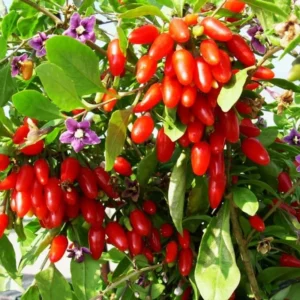
Sold 84 products
Original price was: $55.98.$27.99Current price is: $27.99.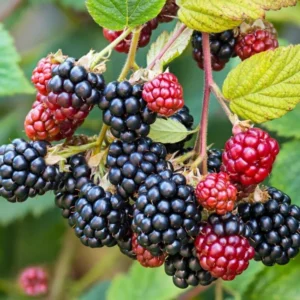
Sold 100 products
Original price was: $57.98.$28.99Current price is: $28.99.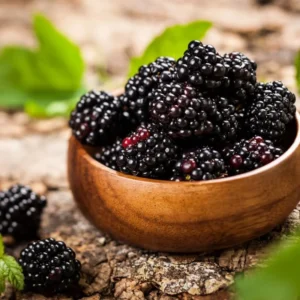
Sold 54 products
Original price was: $57.98.$28.99Current price is: $28.99.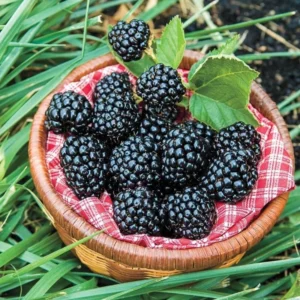
Sold 84 products
Original price was: $57.98.$28.99Current price is: $28.99.
Sold 75 products
Original price was: $72.99.$52.99Current price is: $52.99.
Sold 97 products
Original price was: $56.99.$44.90Current price is: $44.90.


Reviews
There are no reviews yet.