NEED SUPPORT WITH YOUR ORDER? Get in touch
Not satisfied with your purchase?
Enter your Order ID on website, and we'll resolve it right away.

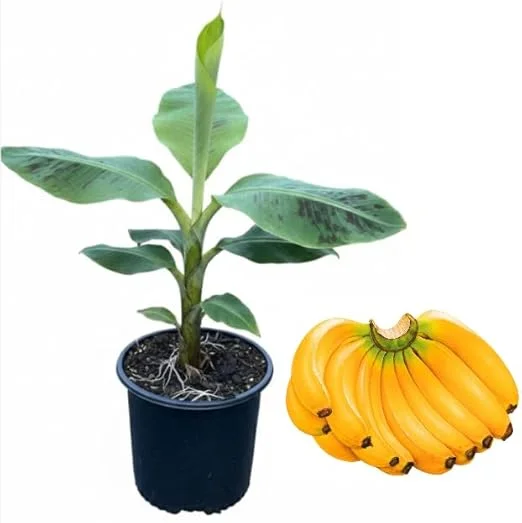
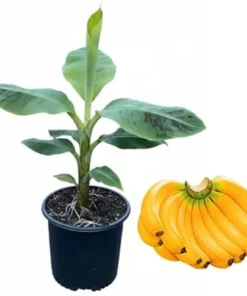
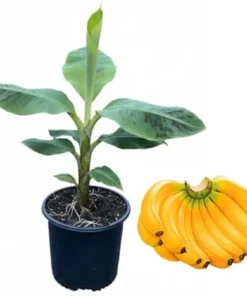
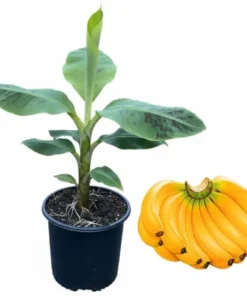
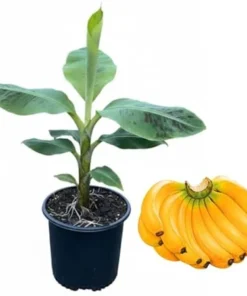
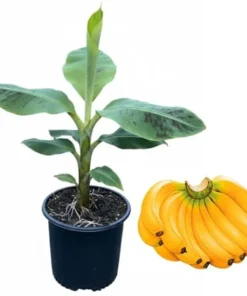
Original price was: $170.00.$150.00Current price is: $150.00.
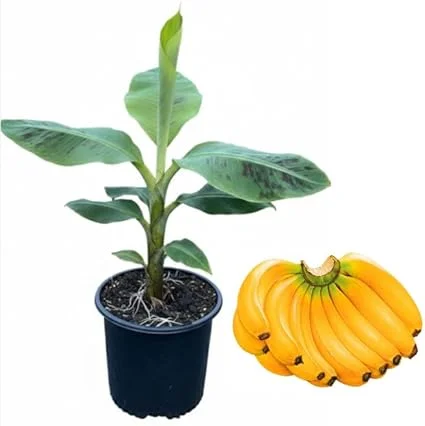
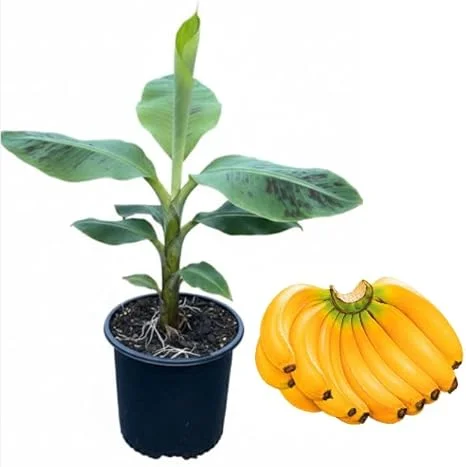
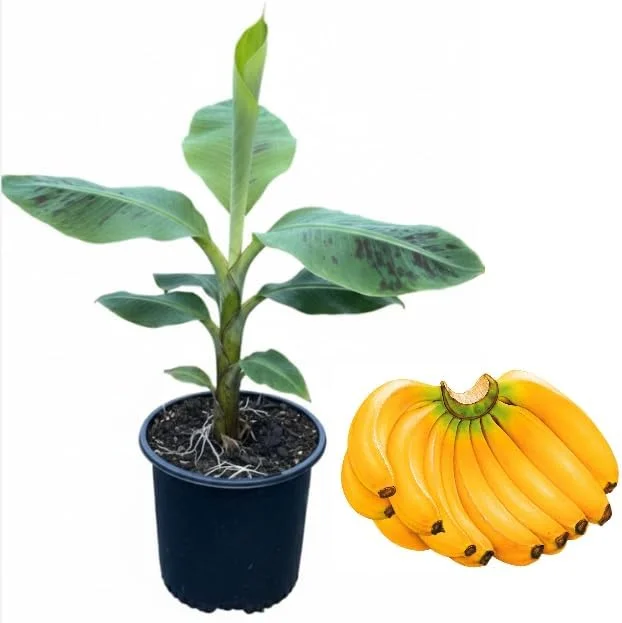
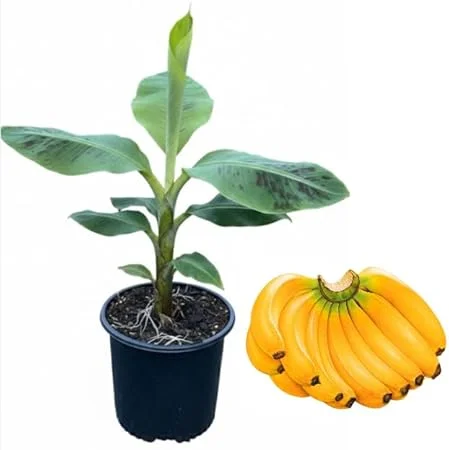
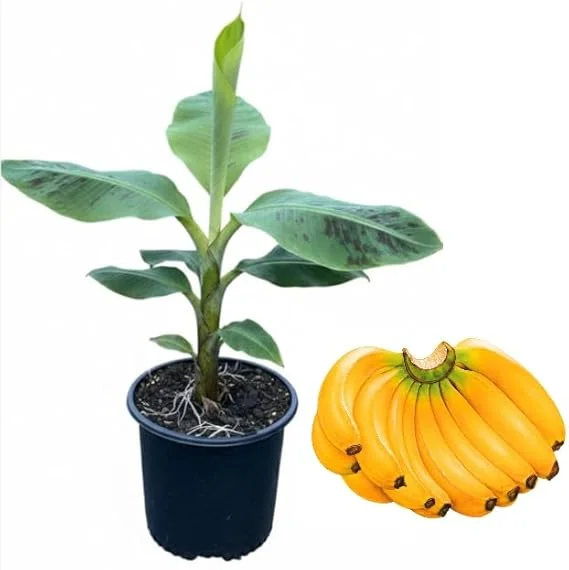
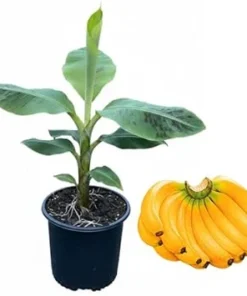
Cultivate your own delicious bananas with this dwarf cavendish banana tree live plant. Arriving in a 3-gallon pot and standing 2-3 feet tall, it’s ready for your outdoor garden. Enjoy fresh, sweet tropical fruit right from your backyard!
Feb 08
Feb 13 - Feb 15
Feb 18 - Feb 22
USDA Hardiness Zone
Soil Type
Sunlight Exposure
Expected Planting Period
Shipping and return policies: Our Alive & Thrive Guarantee covers issues with your plants within the first 30 days. Get in touch with us via email, and our team will review your concerns and, if necessary, provide you with a one-time replacement at no cost.
If you're unsure about your hardiness zone, feel free to reach out to us. Our team will answer your questions and help you find the plants that are truly suitable for your environment, climate, and personal preferences.
Bring the tropics to your backyard with a vibrant dwarf cavendish banana tree. This live plant offers the exciting opportunity to grow your own sweet, delicious bananas, a true delight for any home gardener. Known for its compact size, the Dwarf Cavendish (Musa acuminata ‘Dwarf Cavendish’) is an excellent choice for those with limited space, or who wish to cultivate bananas in containers. Originating from Southeast Asia, this popular variety produces abundant clusters of medium-sized, highly flavorful fruit. This particular specimen arrives as a healthy, established plant in a 3-gallon pot, typically standing between 2 to 3 feet tall, making it a robust start for your tropical fruit adventure. Its lush, broad leaves add a stunning, exotic aesthetic to any outdoor garden or patio, transforming your space into a verdant oasis.
Unlike its larger relatives, the cavendish banana plant is manageable in size, making it suitable for a wider range of growing environments. It’s a vigorous grower under ideal conditions, quickly developing into a productive fruit-bearing specimen. Imagine harvesting your own bananas, ripened to perfection, without the need for a trip to the grocery store. This plant is not just a source of food; it’s a beautiful ornamental addition, contributing to biodiversity and offering a unique focal point in your landscape. Prepare to enjoy the satisfaction of nurturing a tropical gem and relishing its sweet rewards.
The dwarf cavendish banana tree offers numerous advantages, from its delicious fruit to its ornamental appeal. Cultivating this tropical plant provides a unique and rewarding gardening experience:
Caring for your dwarf cavendish banana tree involves providing consistent warmth, ample sunlight, and plenty of moisture to mimic its tropical origins. For optimal growth and fruit production, select a location that receives full sun, meaning at least 6-8 hours of direct sunlight per day. In extremely hot climates, some afternoon shade can prevent leaf scorch. This plant thrives in USDA Zones 9-11, where it can be grown outdoors year-round. In colder regions, it can be grown in large containers and brought indoors before the first frost, requiring a bright, sunny spot during winter.
Growing dwarf banana plants require rich, well-draining soil. A loamy soil amended with plenty of organic matter, such as compost, is ideal. Ensure good drainage to prevent root rot. Water frequently, especially during hot weather, as bananas are heavy water feeders. The soil should be consistently moist but never waterlogged. Check the top inch of soil; if it feels dry, it’s time to water. Reduce watering during cooler months or if the plant is brought indoors for winter. Fertilize regularly during the growing season (spring through summer) with a balanced, slow-release fertilizer or a liquid feed high in potassium to encourage fruit development. Temperatures between 75 and 95 degrees Fahrenheit are ideal for vigorous growth. Protect your plant from strong winds, which can shred its large leaves.
Pruning is minimal, primarily involving the removal of dead or damaged leaves. Once the main stem has fruited, it will die back. At this point, encourage a new sucker (pup) to grow from the base to replace it for continued fruit production. Regular monitoring for pests like spider mites or aphids is important, especially when growing indoors. Treat any infestations promptly with organic insecticidal soap. Proper care will ensure a healthy and productive banana tree for garden enjoyment for many years.
This dwarf cavendish banana tree is shipped as a robust live plant, comfortably nestled in a 3-gallon nursery pot. Upon arrival, it typically stands between 2 to 3 feet tall, providing a significant head start for your garden. While called ‘dwarf,’ this variety can still reach mature heights of 6 to 10 feet in ideal outdoor conditions, though it remains more compact than standard banana trees. Its growth rate is considered fast, especially during warm, humid months, allowing you to enjoy substantial development within its first growing season. The plant will arrive with established roots and healthy foliage, ready for transplanting to its permanent outdoor location or a larger container.
Expect to see its broad, green leaves unfurl, adding a lush, tropical feel to your space. While fruit production timeline can vary based on care and climate, many growers report fruit within 1-2 years from planting a well-established specimen like this. The 3-gallon pot size ensures the plant has a healthy root system to support vigorous growth and adaptation to its new environment. Proper care will lead to a thriving tropical fruit tree live that produces delicious harvests.
You must be logged in to post a review.
Sold 97 products
Original price was: $89.99.$57.99Current price is: $57.99.
Sold 90 products
Original price was: $49.99.$34.99Current price is: $34.99.
Sold 84 products
Original price was: $78.99.$48.99Current price is: $48.99.
Sold 54 products
Original price was: $79.98.$39.99Current price is: $39.99.
Sold 85 products
Original price was: $56.99.$44.90Current price is: $44.90.
Sold 94 products
Original price was: $39.98.$19.99Current price is: $19.99.
Sold 85 products
Original price was: $57.98.$28.99Current price is: $28.99.
Sold 69 products
Original price was: $38.80.$19.40Current price is: $19.40.
Reviews
There are no reviews yet.